
US-Brazil Trade Tensions Escalate as Trump Imposes 50% Tariffs
In This Article
HIGHLIGHTS
- US President Donald Trump has imposed a 50% tariff on Brazilian goods, citing political retaliation linked to Jair Bolsonaro's trial.
- Brazil's President Lula da Silva has criticized the tariffs, warning against a "lose-lose" relationship between the two economies.
- The tariffs are set to take effect next week, with Trump emphasizing they will not be postponed further.
- The US claims the tariffs are a response to Brazil's actions against US companies and free speech rights.
- Bolsonaro faces trial over an alleged coup attempt, with Lula asserting that Brazil's judicial process is non-negotiable.
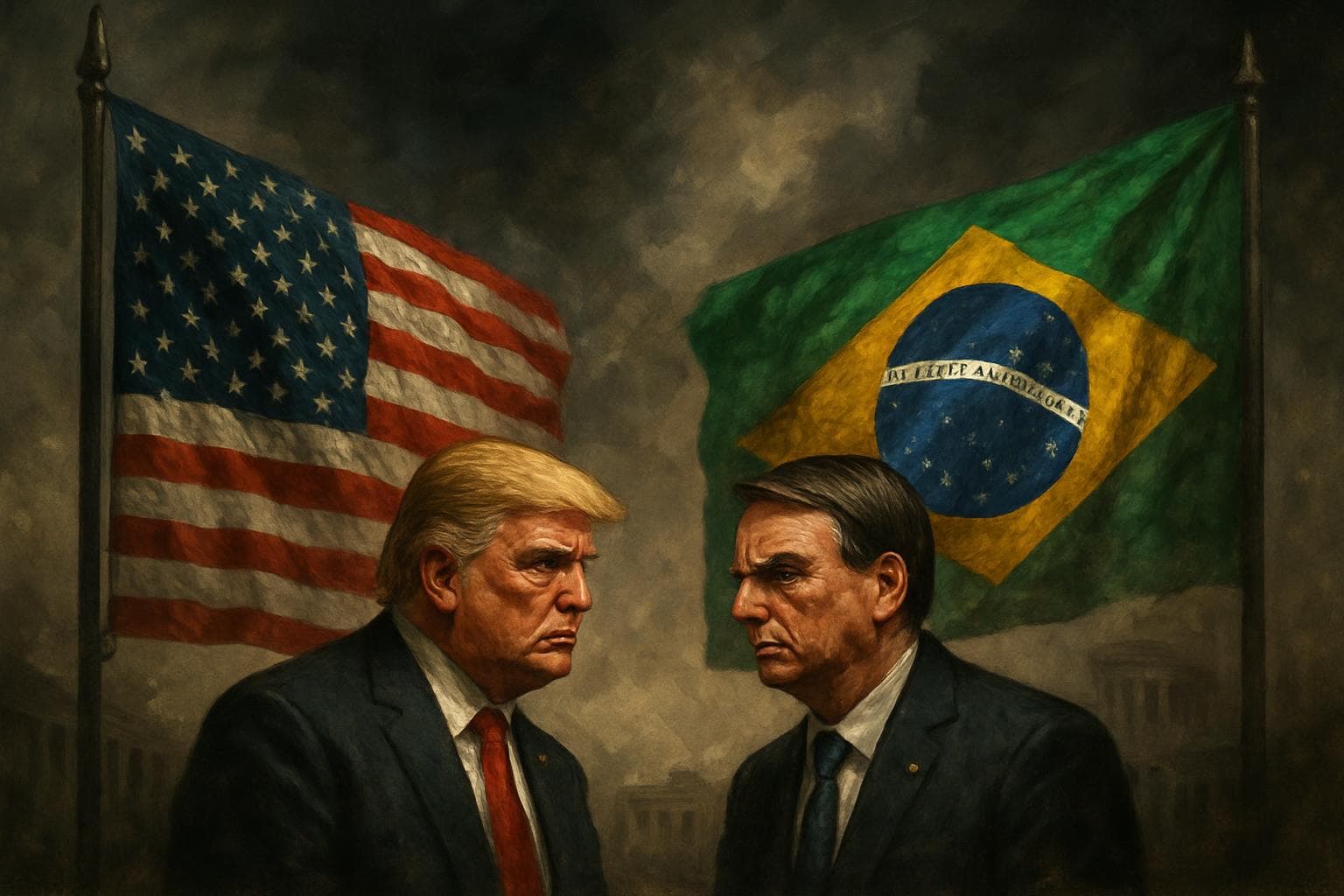
In a move that has heightened tensions between the United States and Brazil, President Donald Trump has announced a 50% tariff on Brazilian imports, a significant increase from the previous 10% rate. The decision, which takes effect next week, is seen as a political maneuver rather than a trade adjustment, as it coincides with the trial of former Brazilian President Jair Bolsonaro.
Political Retaliation and Trade Implications
The White House has framed the tariff hike as a response to Brazil's alleged actions against US companies and the perceived infringement on free speech rights. This comes amid Bolsonaro's trial for an alleged coup attempt following his 2022 electoral defeat. Trump has criticized the trial as a "witch-hunt," drawing parallels to his own legal challenges in the US.
Brazil's current president, Luiz Inácio Lula da Silva, has openly criticized Trump's decision, warning that it could lead to a detrimental "lose-lose" scenario for both nations. In an interview with the New York Times, Lula emphasized Brazil's sovereignty in negotiations, stating, "We always need to find the middle ground."
Legal and Economic Context
The tariffs are part of a broader strategy by Trump, who has been imposing similar measures on other countries, including India and Mexico, citing various political and economic reasons. However, the US-Brazil trade relationship is unique, as the US runs a trade surplus with Brazil, complicating the narrative of economic imbalance.
Bolsonaro, who denies the coup allegations, has been a controversial figure, with his supporters storming government buildings in Brasilia after his electoral loss. The trial, led by Brazilian Supreme Court judge Alexandre de Moraes, has been a focal point of US criticism, with the administration accusing Brazil of politically motivated persecution.
Reactions and Future Prospects
Lula has reiterated that Bolsonaro's legal proceedings are a matter of Brazilian law and not subject to international negotiation. He has called for a balanced approach to US-Brazil relations, highlighting the importance of economic, political, and technological interests.
WHAT THIS MIGHT MEAN
As the tariff deadline approaches, the potential for a full-blown trade war looms large. Experts suggest that if the tariffs are implemented, they could significantly impact Brazil's economy, particularly its exports of beef, coffee, and steel. The move may also strain diplomatic relations, with Brazil seeking alliances elsewhere to mitigate the economic fallout.
The legal proceedings against Bolsonaro will continue to be a point of contention. Should the trial progress unfavorably for Bolsonaro, it could further complicate US-Brazil relations, especially given Trump's vocal support for his ally. Observers will be watching closely to see if diplomatic negotiations can avert a deeper economic conflict.
Related Articles
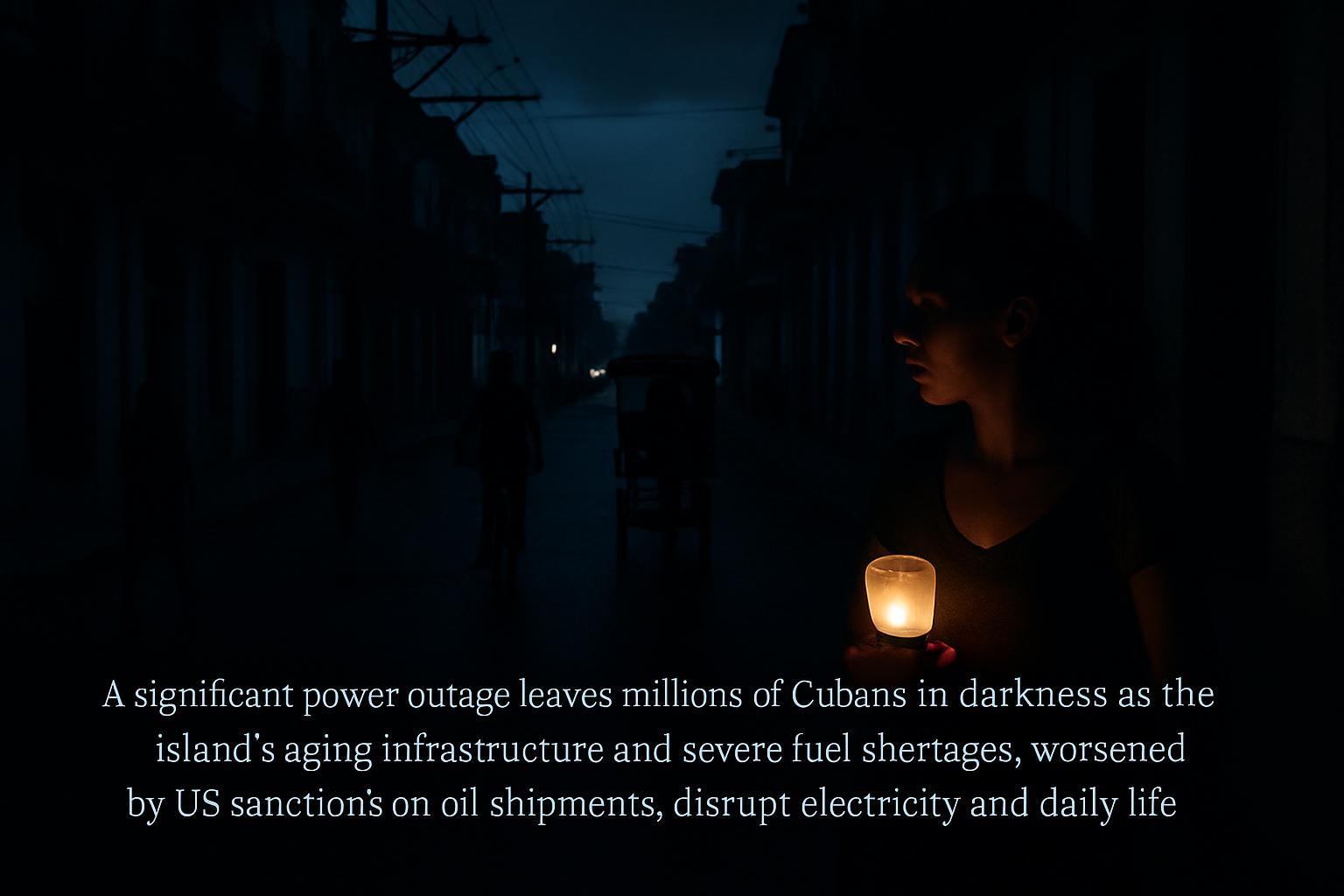
Cuba Faces Widespread Blackout Amid Deepening Fuel Crisis
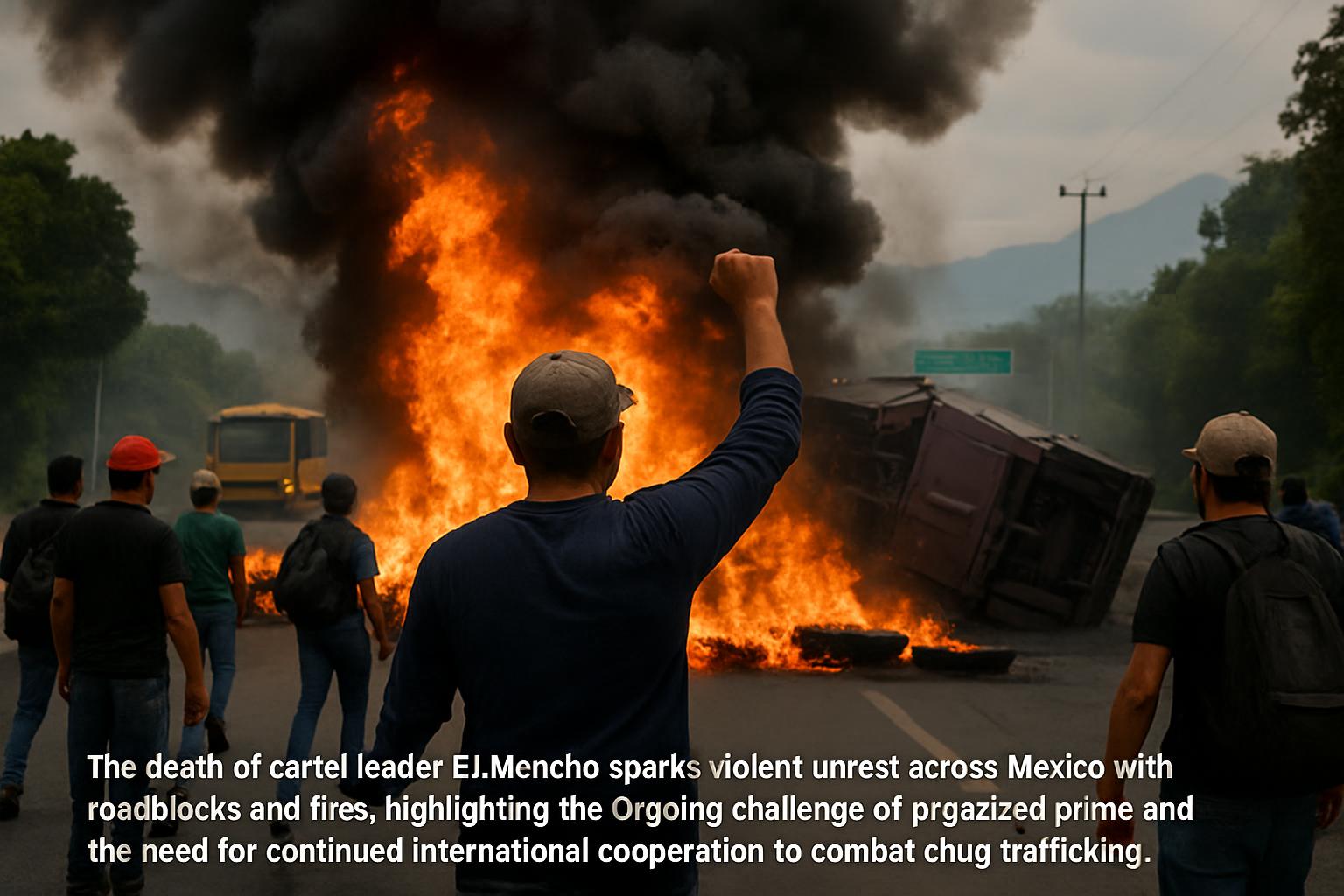
El Mencho's Death Sparks Violent Unrest Across Mexico

UK Faces Dilemmas Amid Iran Conflict and China Spying Allegations
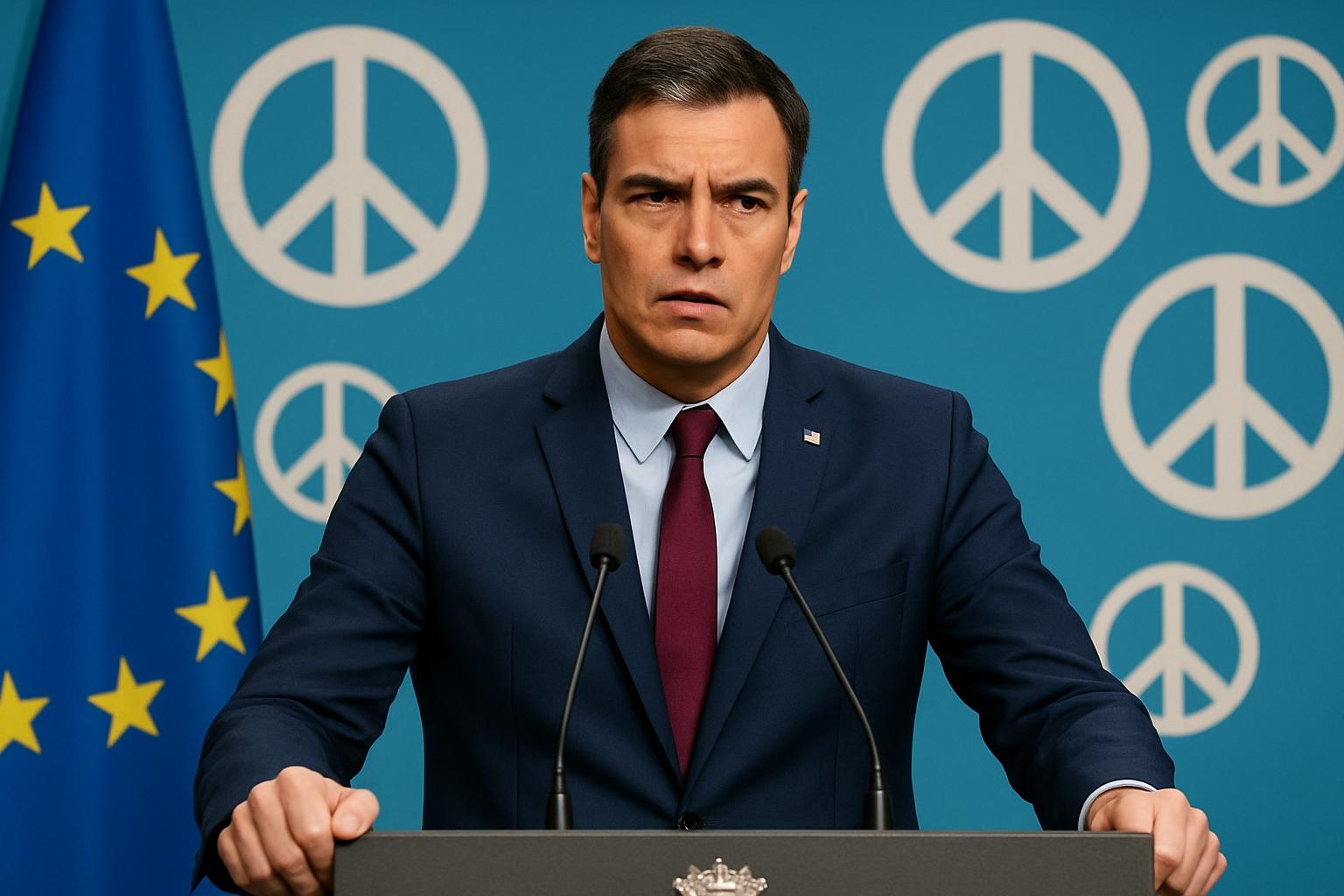
Spain's Sánchez Stands Firm Against Trump's Trade Threat Over Iran Stance
Iran Postpones Khamenei Funeral Amid Escalating US-Israeli Strikes
Canada Calls for De-escalation Amid US-Israel Strikes on Iran
US-Brazil Trade Tensions Escalate as Trump Imposes 50% Tariffs
In This Article
HIGHLIGHTS
- US President Donald Trump has imposed a 50% tariff on Brazilian goods, citing political retaliation linked to Jair Bolsonaro's trial.
- Brazil's President Lula da Silva has criticized the tariffs, warning against a "lose-lose" relationship between the two economies.
- The tariffs are set to take effect next week, with Trump emphasizing they will not be postponed further.
- The US claims the tariffs are a response to Brazil's actions against US companies and free speech rights.
- Bolsonaro faces trial over an alleged coup attempt, with Lula asserting that Brazil's judicial process is non-negotiable.
In a move that has heightened tensions between the United States and Brazil, President Donald Trump has announced a 50% tariff on Brazilian imports, a significant increase from the previous 10% rate. The decision, which takes effect next week, is seen as a political maneuver rather than a trade adjustment, as it coincides with the trial of former Brazilian President Jair Bolsonaro.
Political Retaliation and Trade Implications
The White House has framed the tariff hike as a response to Brazil's alleged actions against US companies and the perceived infringement on free speech rights. This comes amid Bolsonaro's trial for an alleged coup attempt following his 2022 electoral defeat. Trump has criticized the trial as a "witch-hunt," drawing parallels to his own legal challenges in the US.
Brazil's current president, Luiz Inácio Lula da Silva, has openly criticized Trump's decision, warning that it could lead to a detrimental "lose-lose" scenario for both nations. In an interview with the New York Times, Lula emphasized Brazil's sovereignty in negotiations, stating, "We always need to find the middle ground."
Legal and Economic Context
The tariffs are part of a broader strategy by Trump, who has been imposing similar measures on other countries, including India and Mexico, citing various political and economic reasons. However, the US-Brazil trade relationship is unique, as the US runs a trade surplus with Brazil, complicating the narrative of economic imbalance.
Bolsonaro, who denies the coup allegations, has been a controversial figure, with his supporters storming government buildings in Brasilia after his electoral loss. The trial, led by Brazilian Supreme Court judge Alexandre de Moraes, has been a focal point of US criticism, with the administration accusing Brazil of politically motivated persecution.
Reactions and Future Prospects
Lula has reiterated that Bolsonaro's legal proceedings are a matter of Brazilian law and not subject to international negotiation. He has called for a balanced approach to US-Brazil relations, highlighting the importance of economic, political, and technological interests.
WHAT THIS MIGHT MEAN
As the tariff deadline approaches, the potential for a full-blown trade war looms large. Experts suggest that if the tariffs are implemented, they could significantly impact Brazil's economy, particularly its exports of beef, coffee, and steel. The move may also strain diplomatic relations, with Brazil seeking alliances elsewhere to mitigate the economic fallout.
The legal proceedings against Bolsonaro will continue to be a point of contention. Should the trial progress unfavorably for Bolsonaro, it could further complicate US-Brazil relations, especially given Trump's vocal support for his ally. Observers will be watching closely to see if diplomatic negotiations can avert a deeper economic conflict.
Related Articles
Cuba Faces Widespread Blackout Amid Deepening Fuel Crisis
El Mencho's Death Sparks Violent Unrest Across Mexico
UK Faces Dilemmas Amid Iran Conflict and China Spying Allegations
Spain's Sánchez Stands Firm Against Trump's Trade Threat Over Iran Stance
Iran Postpones Khamenei Funeral Amid Escalating US-Israeli Strikes
Canada Calls for De-escalation Amid US-Israel Strikes on Iran