
US-China Relations Strained Over Taiwan Arms Sales

In This Article
HIGHLIGHTS
- Chinese President Xi Jinping urged US President Donald Trump to be "prudent" in arms sales to Taiwan, emphasizing Taiwan as a critical issue in US-China relations.
- The US announced a significant arms sale to Taiwan worth over $11 billion, which has faced opposition from both China and Taiwan's KMT party.
- Taiwan's President Lai Ching-te affirmed the "rock solid" nature of Taiwan-US relations, despite China's objections.
- Trump and Xi's call also addressed other global issues, including Russia's war in Ukraine and China's purchase of US soybeans.
- Trump plans to visit China in April, marking his first trip to the country during his current term.
In a recent phone call, Chinese President Xi Jinping cautioned US President Donald Trump to exercise prudence regarding arms sales to Taiwan, highlighting the island as a pivotal issue in US-China relations. Xi's remarks underscore the longstanding tension between Beijing and Washington over Taiwan, which China considers a breakaway province.
Taiwan: A Flashpoint in US-China Relations
Xi Jinping reiterated China's stance on Taiwan, asserting that the island is an integral part of China's territory and that Beijing is committed to safeguarding its sovereignty. The Chinese leader's comments come in response to the US's announcement of an arms package to Taiwan valued at over $11 billion, which includes advanced military equipment such as missiles and drones. This move has sparked anger in Beijing, which views it as an attempt to support Taiwan's independence.
Taiwan's Response and Regional Implications
Despite China's objections, Taiwan's President Lai Ching-te has declared the relationship with the US as "rock solid," emphasizing the continuation of cooperation projects. However, the arms deal has also faced domestic challenges, with Taiwan's opposition KMT party and some citizens expressing concerns over increased defense spending.
Broader Diplomatic Discussions
The call between Trump and Xi also covered a range of international issues, including the ongoing conflict in Ukraine and China's energy purchases from the US. Trump noted the potential for China to increase its soybean imports from the US, a move that could bolster economic ties amid geopolitical tensions.
Upcoming Diplomatic Engagements
Looking ahead, President Trump is scheduled to visit China in April, marking his first trip to the country during his current term. This visit is anticipated to further address the complexities of US-China relations, including the contentious issue of Taiwan and broader economic and security concerns.
WHAT THIS MIGHT MEAN
The ongoing arms sales to Taiwan could exacerbate tensions between the US and China, potentially leading to increased military posturing in the region. Experts suggest that while the US aims to support Taiwan's defense capabilities, it must balance this with diplomatic efforts to avoid escalating conflict with China. The upcoming visit by President Trump to China presents an opportunity for both nations to engage in dialogue and potentially ease tensions. However, the outcome will largely depend on the willingness of both sides to address each other's core concerns, particularly regarding Taiwan's status and regional security dynamics.
Related Articles

UK Faces Dilemmas Amid Iran Conflict and China Spying Allegations

US and Israel Intensify Military Campaign as Iran's Capabilities Dwindle

Intensified US-Israel Strikes on Iran Spark Global Outcry
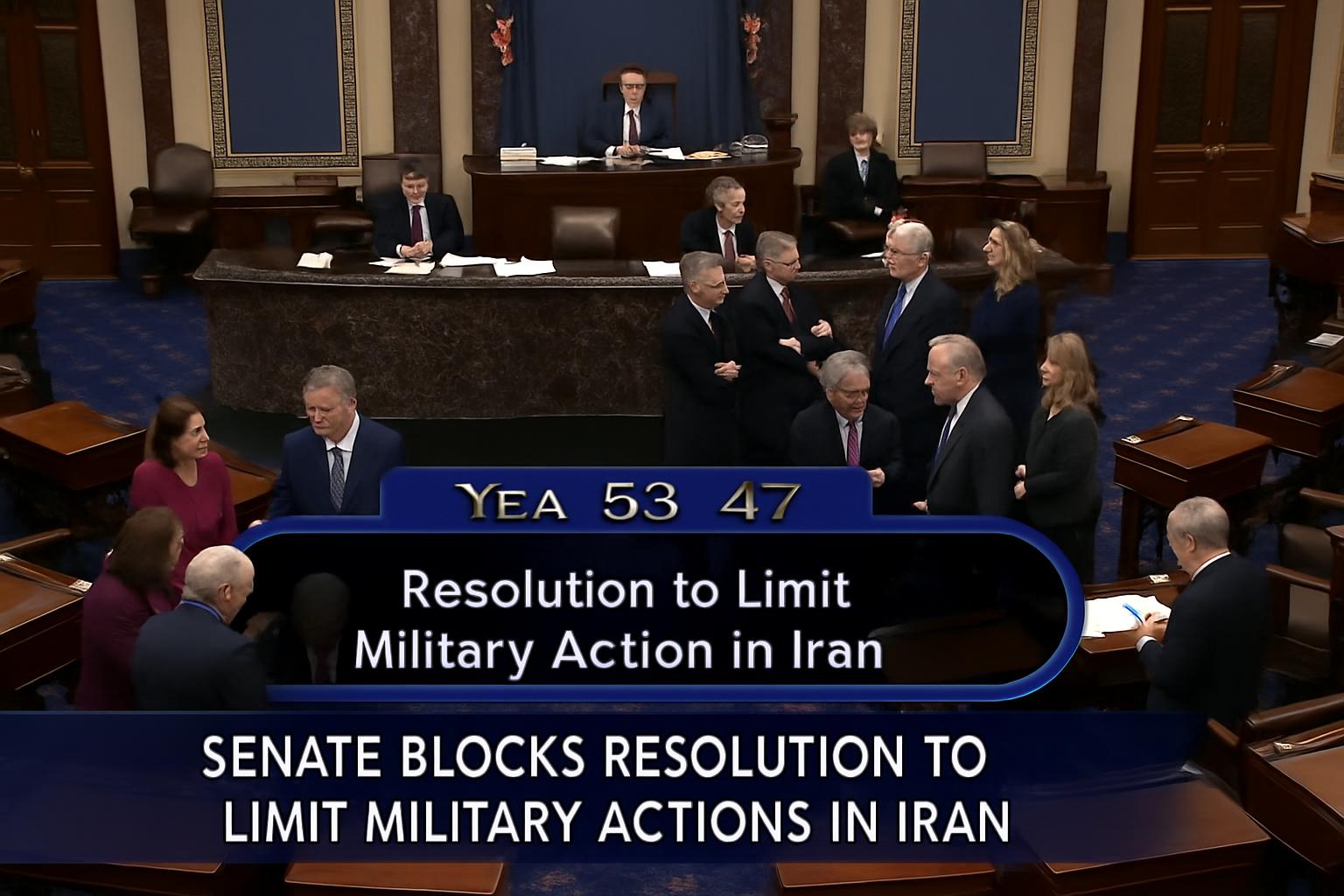
Senate Blocks Resolution to Limit Trump's Military Actions in Iran
UK-Iran Tensions: Starmer Defends Cautious Approach Amid Trump Criticism
Spain's Sánchez Stands Firm Against Trump's Trade Threat Over Iran Stance
US-China Relations Strained Over Taiwan Arms Sales
In This Article
 Ethan Brooks| Published
 HIGHLIGHTS
- Chinese President Xi Jinping urged US President Donald Trump to be "prudent" in arms sales to Taiwan, emphasizing Taiwan as a critical issue in US-China relations.
- The US announced a significant arms sale to Taiwan worth over $11 billion, which has faced opposition from both China and Taiwan's KMT party.
- Taiwan's President Lai Ching-te affirmed the "rock solid" nature of Taiwan-US relations, despite China's objections.
- Trump and Xi's call also addressed other global issues, including Russia's war in Ukraine and China's purchase of US soybeans.
- Trump plans to visit China in April, marking his first trip to the country during his current term.
In a recent phone call, Chinese President Xi Jinping cautioned US President Donald Trump to exercise prudence regarding arms sales to Taiwan, highlighting the island as a pivotal issue in US-China relations. Xi's remarks underscore the longstanding tension between Beijing and Washington over Taiwan, which China considers a breakaway province.
Taiwan: A Flashpoint in US-China Relations
Xi Jinping reiterated China's stance on Taiwan, asserting that the island is an integral part of China's territory and that Beijing is committed to safeguarding its sovereignty. The Chinese leader's comments come in response to the US's announcement of an arms package to Taiwan valued at over $11 billion, which includes advanced military equipment such as missiles and drones. This move has sparked anger in Beijing, which views it as an attempt to support Taiwan's independence.
Taiwan's Response and Regional Implications
Despite China's objections, Taiwan's President Lai Ching-te has declared the relationship with the US as "rock solid," emphasizing the continuation of cooperation projects. However, the arms deal has also faced domestic challenges, with Taiwan's opposition KMT party and some citizens expressing concerns over increased defense spending.
Broader Diplomatic Discussions
The call between Trump and Xi also covered a range of international issues, including the ongoing conflict in Ukraine and China's energy purchases from the US. Trump noted the potential for China to increase its soybean imports from the US, a move that could bolster economic ties amid geopolitical tensions.
Upcoming Diplomatic Engagements
Looking ahead, President Trump is scheduled to visit China in April, marking his first trip to the country during his current term. This visit is anticipated to further address the complexities of US-China relations, including the contentious issue of Taiwan and broader economic and security concerns.
WHAT THIS MIGHT MEAN
The ongoing arms sales to Taiwan could exacerbate tensions between the US and China, potentially leading to increased military posturing in the region. Experts suggest that while the US aims to support Taiwan's defense capabilities, it must balance this with diplomatic efforts to avoid escalating conflict with China. The upcoming visit by President Trump to China presents an opportunity for both nations to engage in dialogue and potentially ease tensions. However, the outcome will largely depend on the willingness of both sides to address each other's core concerns, particularly regarding Taiwan's status and regional security dynamics.
Related Articles
UK Faces Dilemmas Amid Iran Conflict and China Spying Allegations
US and Israel Intensify Military Campaign as Iran's Capabilities Dwindle
Intensified US-Israel Strikes on Iran Spark Global Outcry
Senate Blocks Resolution to Limit Trump's Military Actions in Iran
UK-Iran Tensions: Starmer Defends Cautious Approach Amid Trump Criticism
Spain's Sánchez Stands Firm Against Trump's Trade Threat Over Iran Stance