
US Overhauls Childhood Vaccine Recommendations Amidst Controversy
In This Article
HIGHLIGHTS
- The Trump administration has reduced the number of recommended childhood vaccines from 17 to 11, effective immediately.
- The CDC now recommends vaccines like polio and measles universally, while others, such as hepatitis and Covid-19, are based on risk and shared decision-making.
- Health experts, including the American Academy of Pediatrics, have criticized the changes, citing potential risks to public health and vaccine trust.
- The new guidelines align more closely with Denmark's vaccine schedule, which some experts argue is unsuitable for the US due to differing public health needs.
- Critics warn that these changes could lead to increased outbreaks of infectious diseases and undermine confidence in vaccines.
In a significant policy shift, the Trump administration has announced a reduction in the number of diseases for which childhood vaccines are recommended, cutting the list from 17 to 11. The Centers for Disease Control and Prevention (CDC) unveiled the new guidelines on Monday, which now prioritize vaccines for diseases like measles and polio, while others, such as hepatitis and Covid-19, are recommended based on individual risk assessments and consultations between doctors and parents.
Policy Changes and Reactions
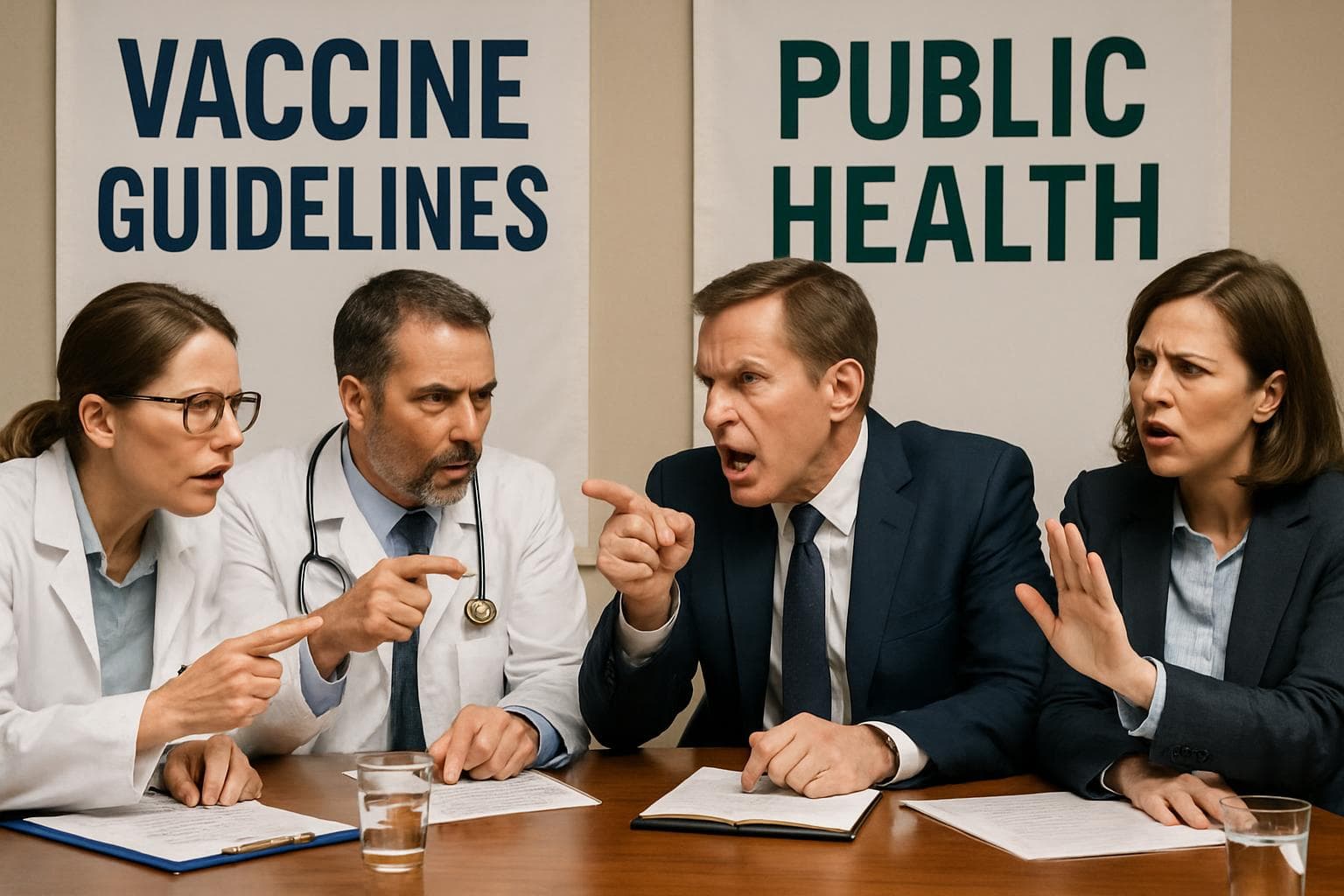
The overhaul, led by Health Secretary Robert F Kennedy Jr., a known vaccine skeptic, has sparked a heated debate. President Donald Trump lauded the changes as "rooted in the gold standard of science," emphasizing the importance of informed consent and family decision-making. However, the American Academy of Pediatrics has condemned the move as "dangerous and unnecessary," warning that it could erode public trust in vaccines and lead to increased disease outbreaks.
Comparisons and Criticisms
The new US vaccine schedule draws inspiration from Denmark's model, which covers fewer diseases. This comparison has been criticized by experts like Dr. Andrew D. Racine, who argues that the US's unique public health landscape makes such a model inappropriate. "The United States is not Denmark," Racine stated, highlighting the vast differences in population size and disease risk between the two nations.
Expert Concerns
Health professionals express concern that the changes could make vaccines seem optional, potentially reducing vaccination rates and increasing the spread of infectious diseases. Paul Offit, an infectious diseases physician, noted that the policy could lead to a loss of measles elimination status and more cases of diseases like tetanus and pertussis. Virologist James Alwine warned that the decision could have dire consequences, likening it to "asking farmers in North Dakota to grow pineapples."
WHAT THIS MIGHT MEAN
The revised vaccine recommendations could have far-reaching implications for public health in the United States. Experts fear that reduced vaccination rates may lead to a resurgence of diseases previously under control, such as measles and pertussis. The changes may also deepen vaccine skepticism, complicating efforts to maintain herd immunity.
Politically, the decision reflects a broader trend of skepticism towards established public health practices, potentially influencing future health policies. As the debate continues, the US may face increased scrutiny from international health organizations and its own public health community. The long-term impact on vaccine trust and public health infrastructure remains to be seen, but the stakes are undeniably high.
Related Articles
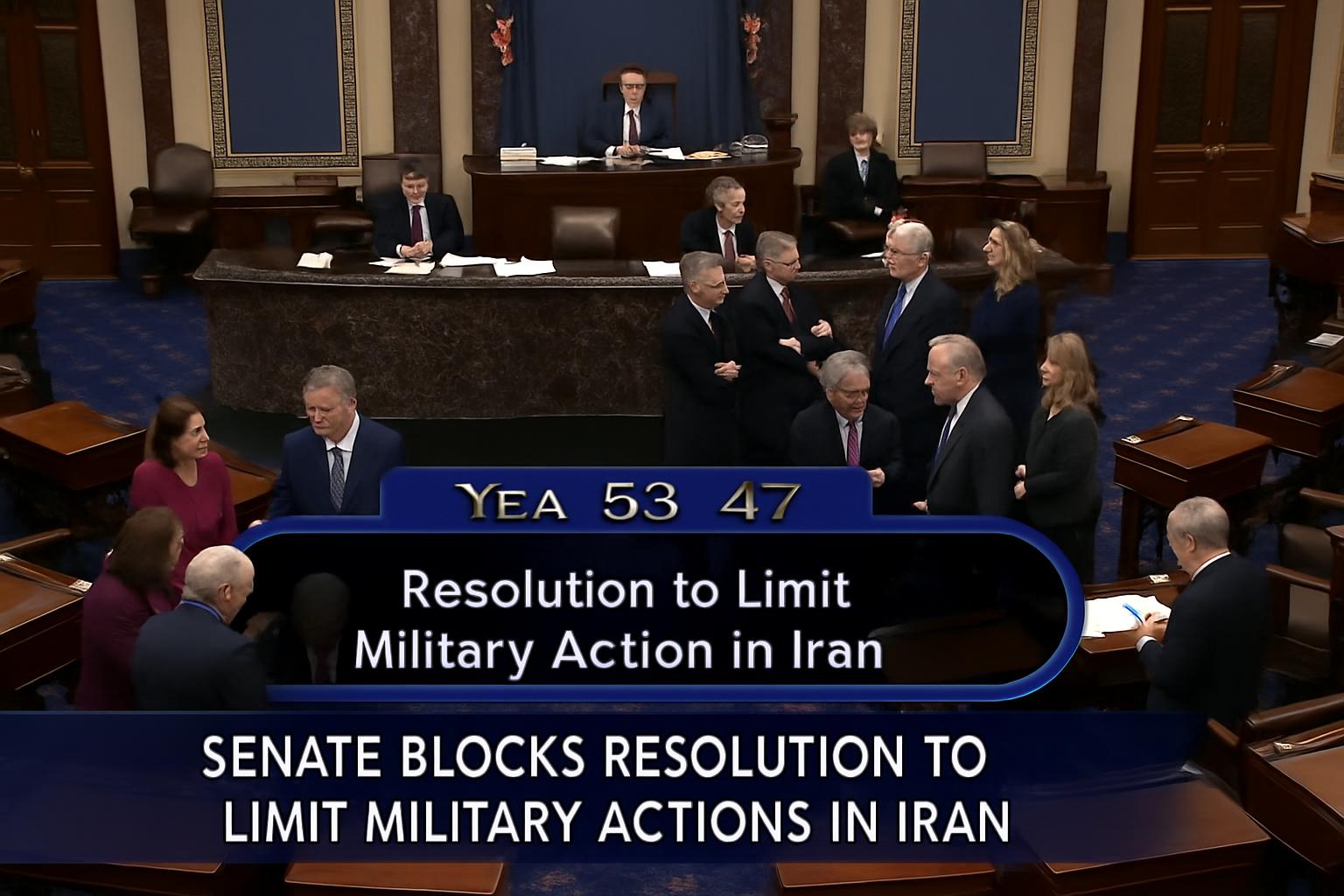
Senate Blocks Resolution to Limit Trump's Military Actions in Iran
Spain's Sánchez Stands Firm Against Trump's Trade Threat Over Iran Stance

Iran Postpones Khamenei Funeral Amid Escalating US-Israeli Strikes

Tech Giants Pledge to Cover AI Data Center Energy Costs Amid Rising Electricity Concerns
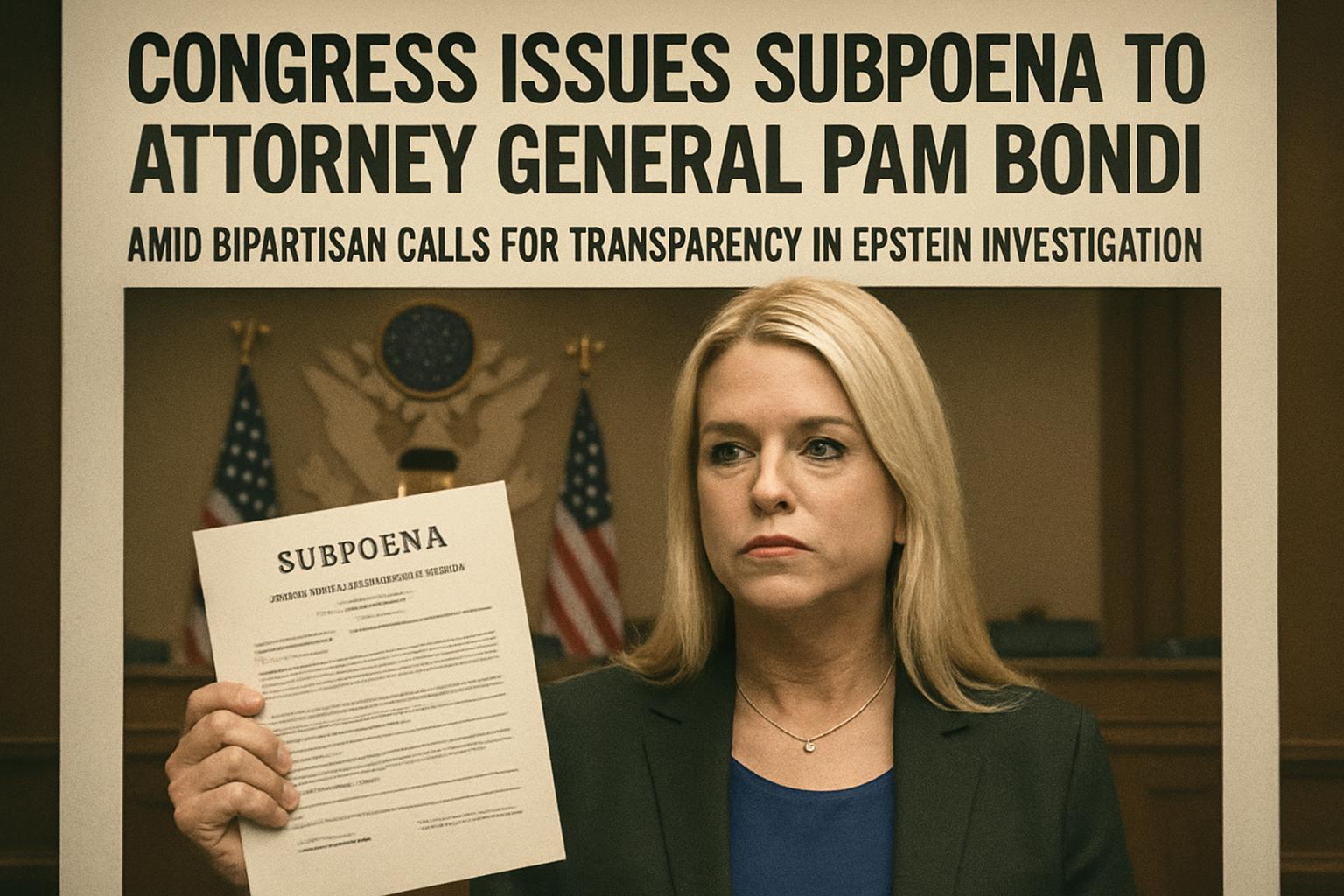
Congress Subpoenas Attorney General Bondi in Epstein Investigation
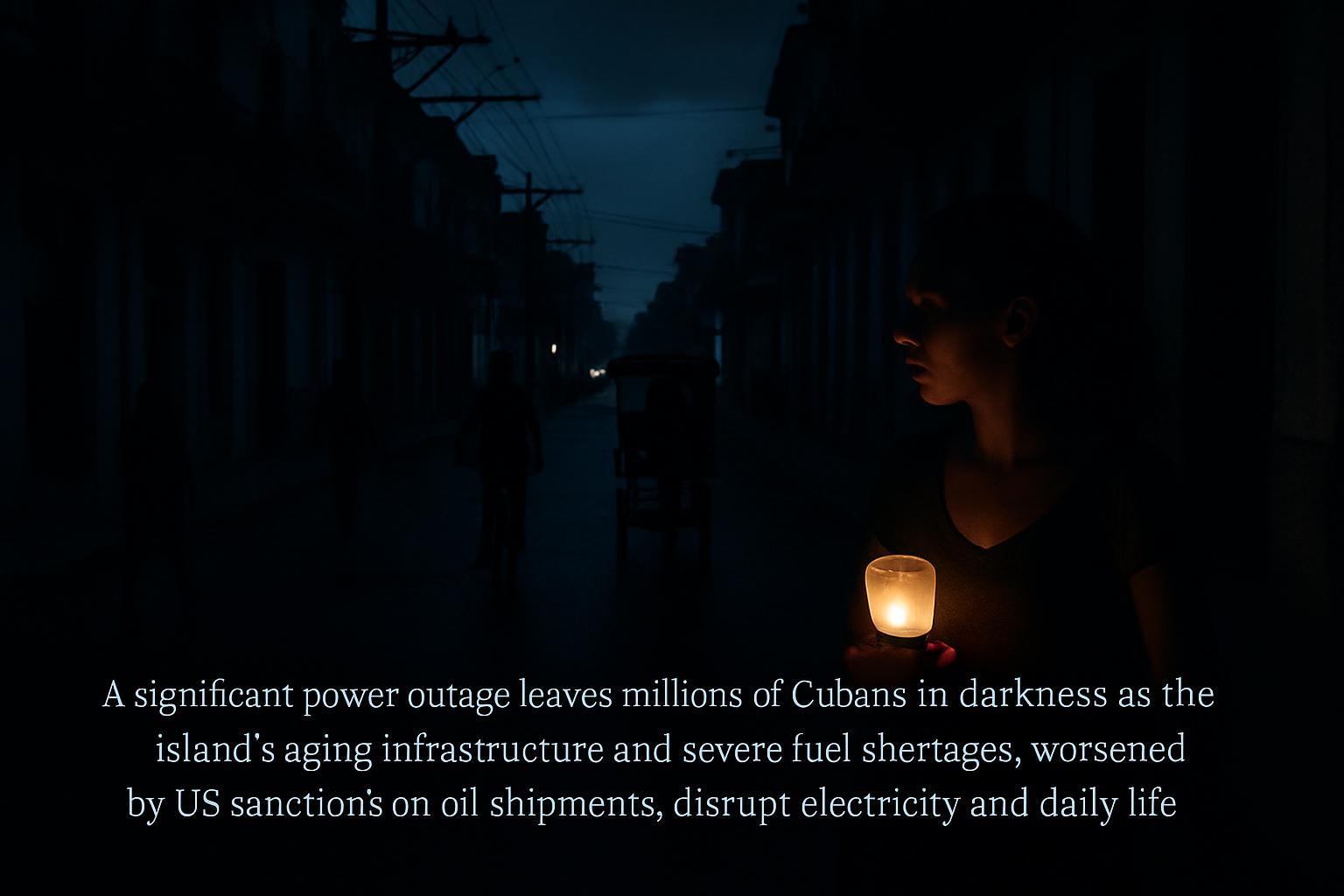
Cuba Faces Widespread Blackout Amid Deepening Fuel Crisis
US Overhauls Childhood Vaccine Recommendations Amidst Controversy
In This Article
 Ethan Brooks| Published
 HIGHLIGHTS
- The Trump administration has reduced the number of recommended childhood vaccines from 17 to 11, effective immediately.
- The CDC now recommends vaccines like polio and measles universally, while others, such as hepatitis and Covid-19, are based on risk and shared decision-making.
- Health experts, including the American Academy of Pediatrics, have criticized the changes, citing potential risks to public health and vaccine trust.
- The new guidelines align more closely with Denmark's vaccine schedule, which some experts argue is unsuitable for the US due to differing public health needs.
- Critics warn that these changes could lead to increased outbreaks of infectious diseases and undermine confidence in vaccines.
In a significant policy shift, the Trump administration has announced a reduction in the number of diseases for which childhood vaccines are recommended, cutting the list from 17 to 11. The Centers for Disease Control and Prevention (CDC) unveiled the new guidelines on Monday, which now prioritize vaccines for diseases like measles and polio, while others, such as hepatitis and Covid-19, are recommended based on individual risk assessments and consultations between doctors and parents.
Policy Changes and Reactions
The overhaul, led by Health Secretary Robert F Kennedy Jr., a known vaccine skeptic, has sparked a heated debate. President Donald Trump lauded the changes as "rooted in the gold standard of science," emphasizing the importance of informed consent and family decision-making. However, the American Academy of Pediatrics has condemned the move as "dangerous and unnecessary," warning that it could erode public trust in vaccines and lead to increased disease outbreaks.
Comparisons and Criticisms
The new US vaccine schedule draws inspiration from Denmark's model, which covers fewer diseases. This comparison has been criticized by experts like Dr. Andrew D. Racine, who argues that the US's unique public health landscape makes such a model inappropriate. "The United States is not Denmark," Racine stated, highlighting the vast differences in population size and disease risk between the two nations.
Expert Concerns
Health professionals express concern that the changes could make vaccines seem optional, potentially reducing vaccination rates and increasing the spread of infectious diseases. Paul Offit, an infectious diseases physician, noted that the policy could lead to a loss of measles elimination status and more cases of diseases like tetanus and pertussis. Virologist James Alwine warned that the decision could have dire consequences, likening it to "asking farmers in North Dakota to grow pineapples."
WHAT THIS MIGHT MEAN
The revised vaccine recommendations could have far-reaching implications for public health in the United States. Experts fear that reduced vaccination rates may lead to a resurgence of diseases previously under control, such as measles and pertussis. The changes may also deepen vaccine skepticism, complicating efforts to maintain herd immunity.
Politically, the decision reflects a broader trend of skepticism towards established public health practices, potentially influencing future health policies. As the debate continues, the US may face increased scrutiny from international health organizations and its own public health community. The long-term impact on vaccine trust and public health infrastructure remains to be seen, but the stakes are undeniably high.
Related Articles
Senate Blocks Resolution to Limit Trump's Military Actions in Iran
Spain's Sánchez Stands Firm Against Trump's Trade Threat Over Iran Stance
Iran Postpones Khamenei Funeral Amid Escalating US-Israeli Strikes
Tech Giants Pledge to Cover AI Data Center Energy Costs Amid Rising Electricity Concerns
Congress Subpoenas Attorney General Bondi in Epstein Investigation
Cuba Faces Widespread Blackout Amid Deepening Fuel Crisis