
Tensions Rise as US Debates Iran's Nuclear Capabilities and Potential Military Action
In This Article
HIGHLIGHTS
- Tulsi Gabbard revised her stance, now claiming Iran could produce a nuclear weapon "within weeks," aligning with President Trump's assertions.
- President Trump dismissed earlier intelligence reports, stating Iran has significant nuclear material and could soon develop a weapon.
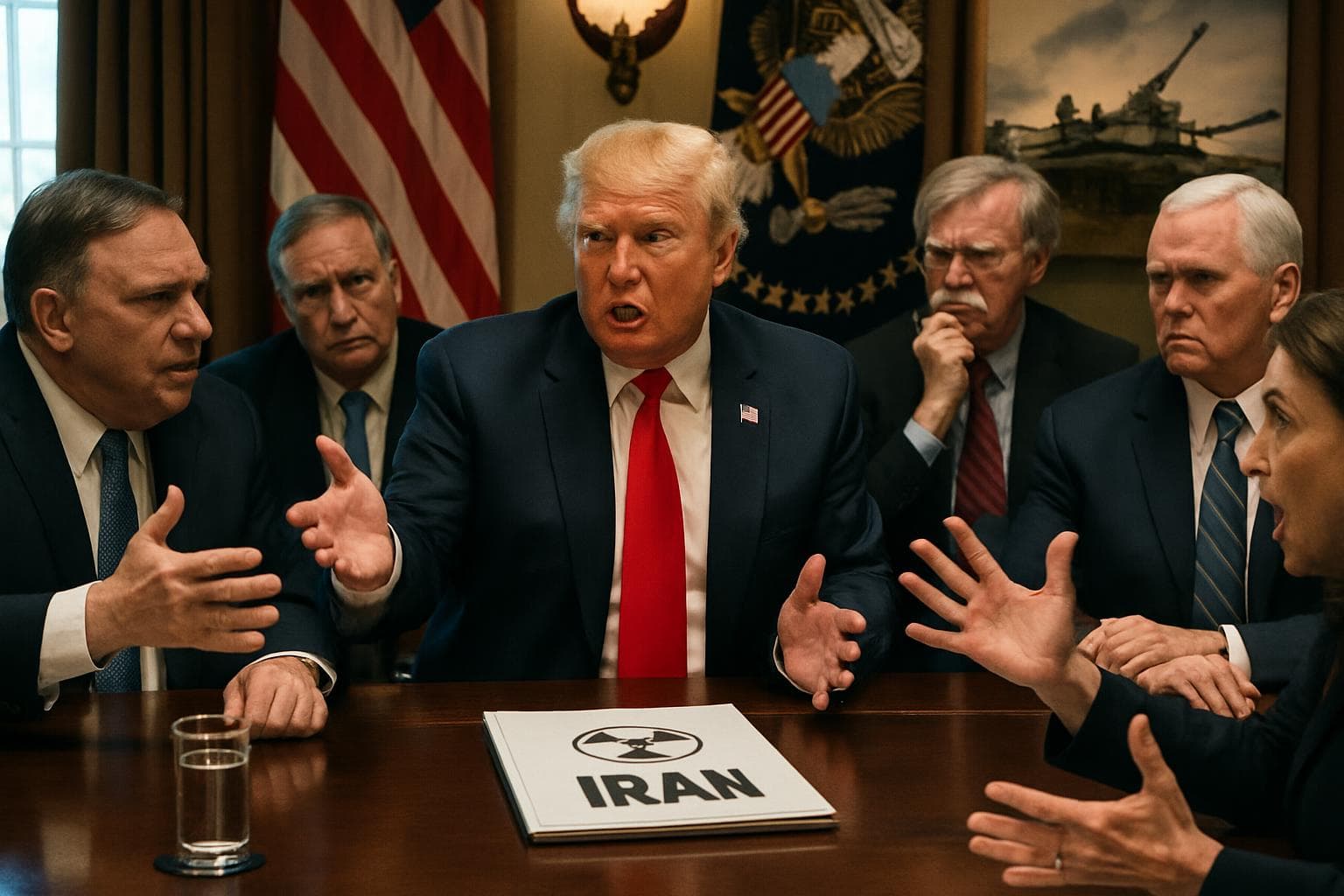
- Internal debates within the Trump administration reveal tensions over potential military action against Iran, with some advisors opposing intervention.
- Iran maintains its nuclear program is peaceful, but recent Israeli strikes have heightened regional tensions.
- The International Atomic Energy Agency expressed concerns over Iran's enriched uranium stockpile, fueling global apprehension.
In a dramatic shift, Tulsi Gabbard, the US Director of National Intelligence, has aligned with President Donald Trump's assertion that Iran could produce a nuclear weapon "within weeks." This comes after Gabbard's March testimony, which stated that Iran was not actively building nuclear weapons, was criticized by Trump and labeled as taken "out of context" by the media.
US Intelligence and Political Dynamics
President Trump has dismissed previous intelligence assessments, claiming Iran possesses a "tremendous amount of material" necessary for nuclear weapon development. This stance has sparked internal debates within the administration, with some advisors, including Steve Bannon, cautioning against military intervention. Bannon, a prominent figure in Trump's "America First" movement, has voiced concerns about the potential consequences of a US strike on Iran.
Iran's Nuclear Program and International Reactions
Iran continues to assert that its nuclear program is peaceful, despite the International Atomic Energy Agency's concerns over its enriched uranium stockpile. Recent Israeli military actions targeting Iran's nuclear facilities have further escalated tensions. Iranian Foreign Minister Abbas Araghchi expressed willingness for negotiations but emphasized the difficulty of talks under current conditions.
The Broader Middle East Context
The Trump administration's deliberations over Iran have highlighted divisions within the US political landscape. While some Republican leaders advocate for a strong stance against Iran, others caution against further Middle East conflicts. The potential for military action remains a contentious issue, with implications for US-Iran relations and regional stability.
WHAT THIS MIGHT MEAN
The evolving situation between the US and Iran could lead to several outcomes. If diplomatic negotiations resume, there may be a chance to de-escalate tensions and reach a new agreement on Iran's nuclear activities. However, if military action is pursued, it could destabilize the region further and strain US relations with allies. Experts suggest that the US administration's internal divisions may influence the final decision, with potential long-term impacts on America's foreign policy in the Middle East.
Related Articles
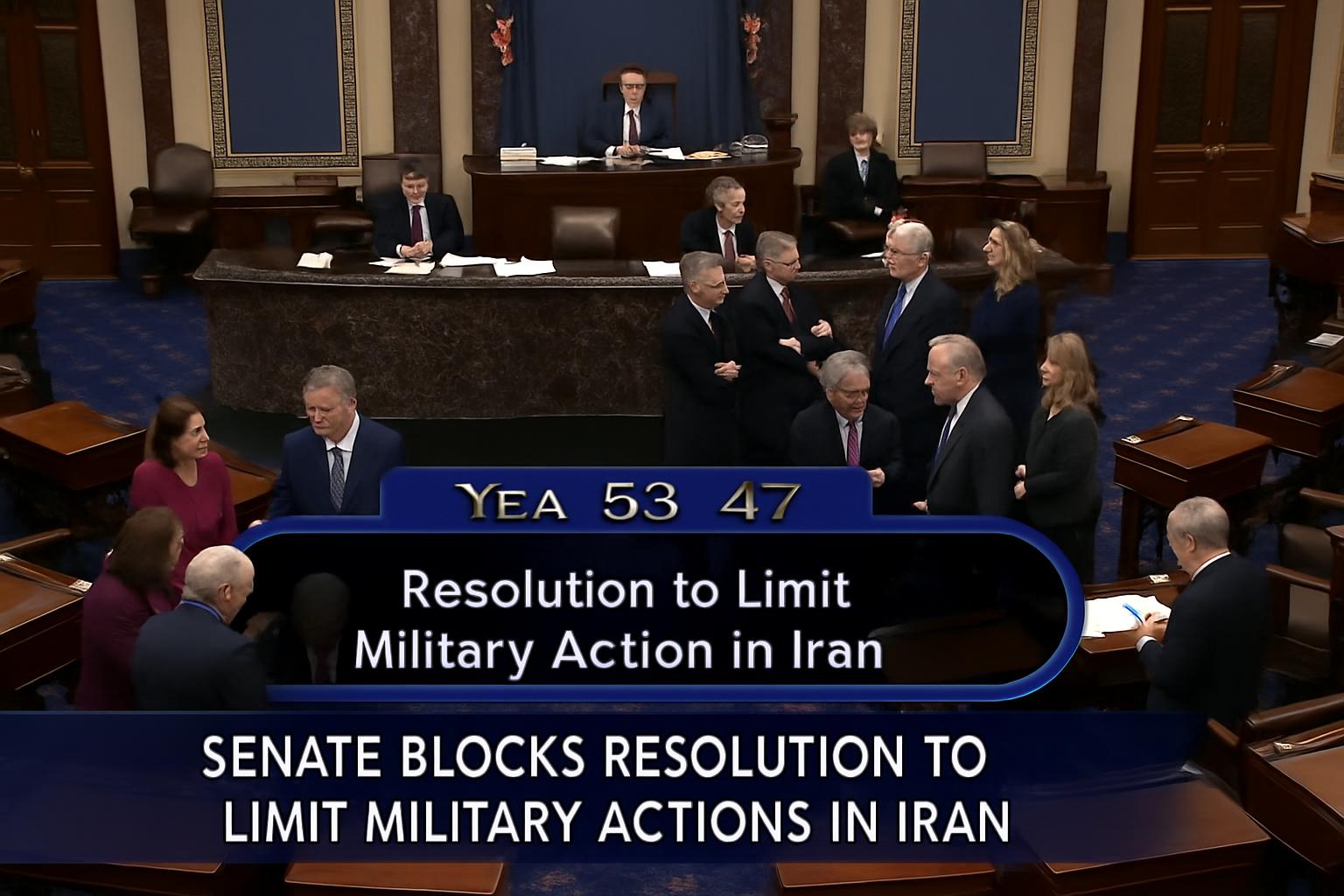
Senate Blocks Resolution to Limit Trump's Military Actions in Iran
US and Israel Intensify Military Campaign as Iran's Capabilities Dwindle
Intensified US-Israel Strikes on Iran Spark Global Outcry
Spain's Sánchez Stands Firm Against Trump's Trade Threat Over Iran Stance
Iran Postpones Khamenei Funeral Amid Escalating US-Israeli Strikes

UK Faces Dilemmas Amid Iran Conflict and China Spying Allegations
Tensions Rise as US Debates Iran's Nuclear Capabilities and Potential Military Action
In This Article
 Ethan Brooks| Published
 HIGHLIGHTS
- Tulsi Gabbard revised her stance, now claiming Iran could produce a nuclear weapon "within weeks," aligning with President Trump's assertions.
- President Trump dismissed earlier intelligence reports, stating Iran has significant nuclear material and could soon develop a weapon.
- Internal debates within the Trump administration reveal tensions over potential military action against Iran, with some advisors opposing intervention.
- Iran maintains its nuclear program is peaceful, but recent Israeli strikes have heightened regional tensions.
- The International Atomic Energy Agency expressed concerns over Iran's enriched uranium stockpile, fueling global apprehension.
In a dramatic shift, Tulsi Gabbard, the US Director of National Intelligence, has aligned with President Donald Trump's assertion that Iran could produce a nuclear weapon "within weeks." This comes after Gabbard's March testimony, which stated that Iran was not actively building nuclear weapons, was criticized by Trump and labeled as taken "out of context" by the media.
US Intelligence and Political Dynamics
President Trump has dismissed previous intelligence assessments, claiming Iran possesses a "tremendous amount of material" necessary for nuclear weapon development. This stance has sparked internal debates within the administration, with some advisors, including Steve Bannon, cautioning against military intervention. Bannon, a prominent figure in Trump's "America First" movement, has voiced concerns about the potential consequences of a US strike on Iran.
Iran's Nuclear Program and International Reactions
Iran continues to assert that its nuclear program is peaceful, despite the International Atomic Energy Agency's concerns over its enriched uranium stockpile. Recent Israeli military actions targeting Iran's nuclear facilities have further escalated tensions. Iranian Foreign Minister Abbas Araghchi expressed willingness for negotiations but emphasized the difficulty of talks under current conditions.
The Broader Middle East Context
The Trump administration's deliberations over Iran have highlighted divisions within the US political landscape. While some Republican leaders advocate for a strong stance against Iran, others caution against further Middle East conflicts. The potential for military action remains a contentious issue, with implications for US-Iran relations and regional stability.
WHAT THIS MIGHT MEAN
The evolving situation between the US and Iran could lead to several outcomes. If diplomatic negotiations resume, there may be a chance to de-escalate tensions and reach a new agreement on Iran's nuclear activities. However, if military action is pursued, it could destabilize the region further and strain US relations with allies. Experts suggest that the US administration's internal divisions may influence the final decision, with potential long-term impacts on America's foreign policy in the Middle East.
Related Articles
Senate Blocks Resolution to Limit Trump's Military Actions in Iran
US and Israel Intensify Military Campaign as Iran's Capabilities Dwindle
Intensified US-Israel Strikes on Iran Spark Global Outcry
Spain's Sánchez Stands Firm Against Trump's Trade Threat Over Iran Stance
Iran Postpones Khamenei Funeral Amid Escalating US-Israeli Strikes
UK Faces Dilemmas Amid Iran Conflict and China Spying Allegations