
US Defense Secretary Denies Seeing Survivors Before Controversial Drug Boat Strike
In This Article
HIGHLIGHTS
- US Defense Secretary Pete Hegseth claimed he did not witness survivors before a second strike on a drug boat in the Caribbean on 2 September.
- The second strike, authorized by US Navy Admiral Frank Bradley, has raised legal concerns under international law.
- President Trump defended the military actions as necessary for reducing drug trafficking but distanced himself from the second strike decision.
- Lawmakers from both parties have expressed unease, with the Senate Armed Services Committee promising thorough oversight.
- Admiral Bradley is expected to testify on Capitol Hill regarding the incident, amid ongoing scrutiny of US military operations in the region.
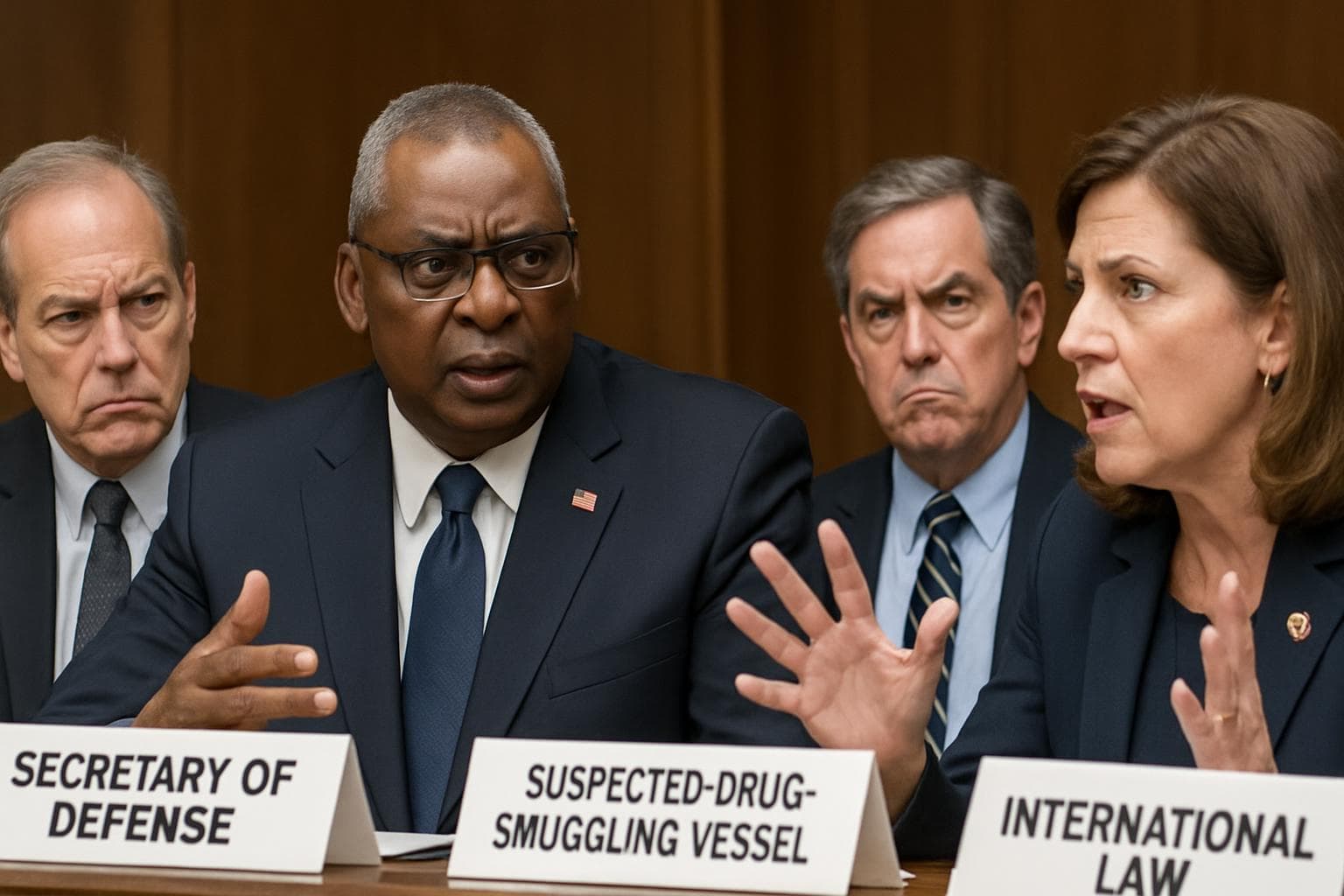
US Defense Secretary Pete Hegseth has stated he did not personally observe survivors before a contentious follow-up strike on a suspected drug-smuggling vessel in the Caribbean on September 2. The incident, which resulted in the deaths of two survivors clinging to the burning boat, has sparked a debate over the legality of US military actions in the region.
During a White House cabinet meeting, Hegseth attributed the decision to the "fog of war," explaining that he watched the initial strike live but left for another meeting before the second strike occurred. "I did not personally see survivors," Hegseth remarked, emphasizing the chaotic nature of the situation. The second strike was authorized by US Navy Admiral Frank Bradley, who was then commander of the Joint Special Operations Command.
Legal and Political Repercussions
The follow-up strike has drawn bipartisan concern, with lawmakers questioning its compliance with international law, particularly the Geneva Convention, which prohibits targeting wounded combatants. The Senate Armed Services Committee has vowed to conduct "vigorous oversight" to uncover the details of the incident.
President Trump defended the military operations as essential for curbing drug trafficking, claiming a significant reduction in maritime drug routes, although he provided no evidence. However, he distanced himself from the decision to conduct the second strike, stating, "we didn't know about" it.
Admiral Bradley's Upcoming Testimony
Admiral Bradley, who has since been promoted to commander of US Special Operations Command, is expected to testify on Capitol Hill. His testimony will be crucial in understanding the decision-making process behind the strike and addressing concerns about US military conduct in the Caribbean.
WHAT THIS MIGHT MEAN
The upcoming testimony of Admiral Bradley on Capitol Hill could provide critical insights into the decision-making process behind the controversial strike. If the investigation reveals violations of international law, it may lead to significant political and legal repercussions for the Trump administration and the US military. Furthermore, the incident has the potential to strain US relations with Caribbean nations and international bodies concerned with adherence to the Geneva Convention. As the Senate Armed Services Committee delves deeper into the matter, the findings could influence future US military operations and policies in the region.
Related Articles
US and Israel Intensify Military Campaign as Iran's Capabilities Dwindle
Intensified US-Israel Strikes on Iran Spark Global Outcry
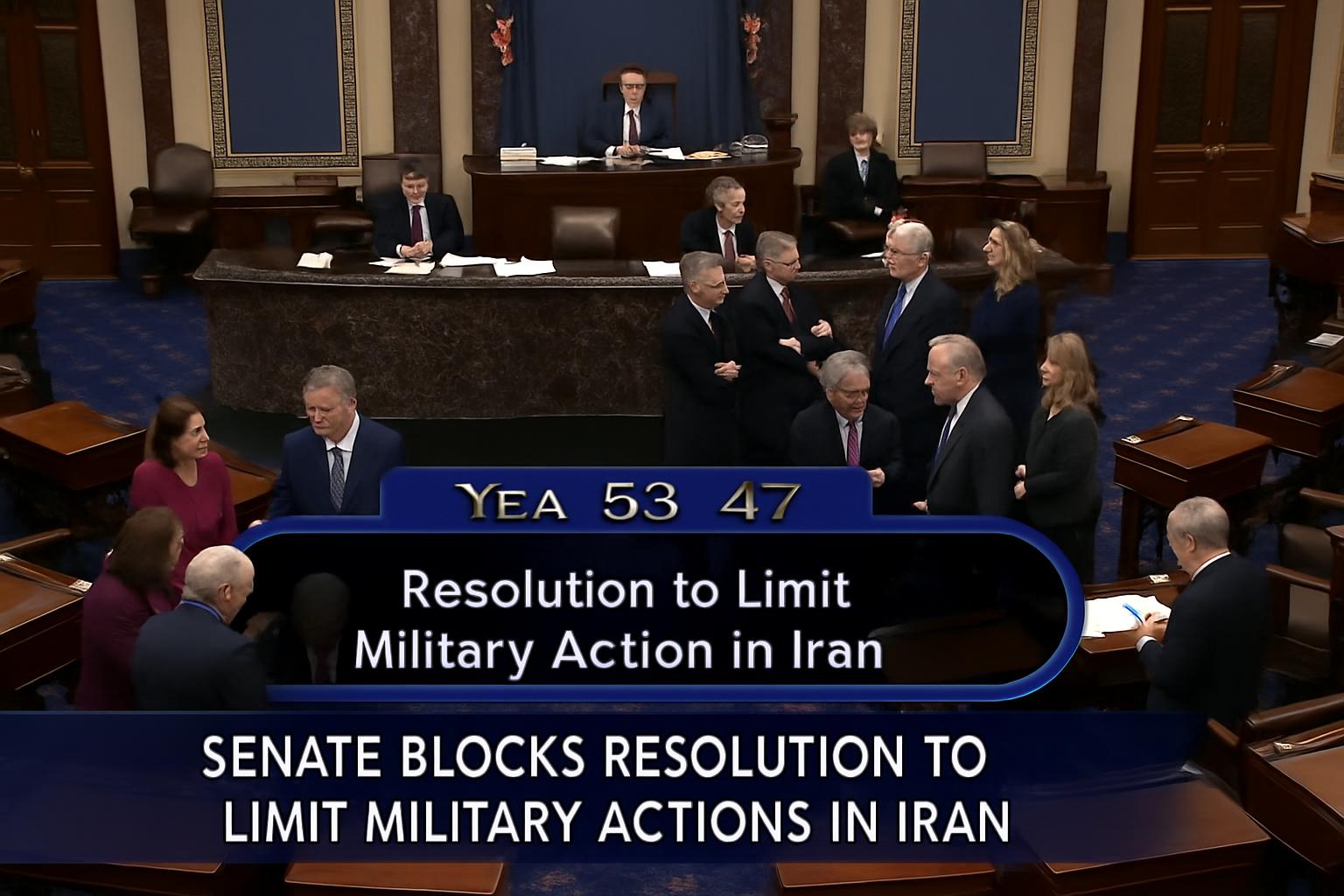
Senate Blocks Resolution to Limit Trump's Military Actions in Iran
Spain's Sánchez Stands Firm Against Trump's Trade Threat Over Iran Stance
Iran Postpones Khamenei Funeral Amid Escalating US-Israeli Strikes
US-Iran Tensions Escalate Amid Renewed Nuclear Talks and Protests
US Defense Secretary Denies Seeing Survivors Before Controversial Drug Boat Strike
In This Article
 Ethan Brooks| Published
 HIGHLIGHTS
- US Defense Secretary Pete Hegseth claimed he did not witness survivors before a second strike on a drug boat in the Caribbean on 2 September.
- The second strike, authorized by US Navy Admiral Frank Bradley, has raised legal concerns under international law.
- President Trump defended the military actions as necessary for reducing drug trafficking but distanced himself from the second strike decision.
- Lawmakers from both parties have expressed unease, with the Senate Armed Services Committee promising thorough oversight.
- Admiral Bradley is expected to testify on Capitol Hill regarding the incident, amid ongoing scrutiny of US military operations in the region.
US Defense Secretary Pete Hegseth has stated he did not personally observe survivors before a contentious follow-up strike on a suspected drug-smuggling vessel in the Caribbean on September 2. The incident, which resulted in the deaths of two survivors clinging to the burning boat, has sparked a debate over the legality of US military actions in the region.
During a White House cabinet meeting, Hegseth attributed the decision to the "fog of war," explaining that he watched the initial strike live but left for another meeting before the second strike occurred. "I did not personally see survivors," Hegseth remarked, emphasizing the chaotic nature of the situation. The second strike was authorized by US Navy Admiral Frank Bradley, who was then commander of the Joint Special Operations Command.
Legal and Political Repercussions
The follow-up strike has drawn bipartisan concern, with lawmakers questioning its compliance with international law, particularly the Geneva Convention, which prohibits targeting wounded combatants. The Senate Armed Services Committee has vowed to conduct "vigorous oversight" to uncover the details of the incident.
President Trump defended the military operations as essential for curbing drug trafficking, claiming a significant reduction in maritime drug routes, although he provided no evidence. However, he distanced himself from the decision to conduct the second strike, stating, "we didn't know about" it.
Admiral Bradley's Upcoming Testimony
Admiral Bradley, who has since been promoted to commander of US Special Operations Command, is expected to testify on Capitol Hill. His testimony will be crucial in understanding the decision-making process behind the strike and addressing concerns about US military conduct in the Caribbean.
WHAT THIS MIGHT MEAN
The upcoming testimony of Admiral Bradley on Capitol Hill could provide critical insights into the decision-making process behind the controversial strike. If the investigation reveals violations of international law, it may lead to significant political and legal repercussions for the Trump administration and the US military. Furthermore, the incident has the potential to strain US relations with Caribbean nations and international bodies concerned with adherence to the Geneva Convention. As the Senate Armed Services Committee delves deeper into the matter, the findings could influence future US military operations and policies in the region.
Related Articles
US and Israel Intensify Military Campaign as Iran's Capabilities Dwindle
Intensified US-Israel Strikes on Iran Spark Global Outcry
Senate Blocks Resolution to Limit Trump's Military Actions in Iran
Spain's Sánchez Stands Firm Against Trump's Trade Threat Over Iran Stance
Iran Postpones Khamenei Funeral Amid Escalating US-Israeli Strikes
US-Iran Tensions Escalate Amid Renewed Nuclear Talks and Protests