
US Deportations to South Sudan Proceed After Supreme Court Ruling
In This Article
HIGHLIGHTS
- Eight men deported from the US to South Sudan after a Supreme Court ruling allowed the removals to proceed.
- The deportees, convicted of various crimes, include nationals from Myanmar, Cuba, Vietnam, Laos, Mexico, and one from South Sudan.
- The deportation was delayed due to legal challenges but was ultimately permitted by the Supreme Court, overturning a previous block by a federal judge.
- The Trump administration is expanding deportations to third countries, with South Sudan being one of the latest destinations.
- The deportees were initially diverted to Djibouti before being sent to South Sudan, where their status remains unclear.
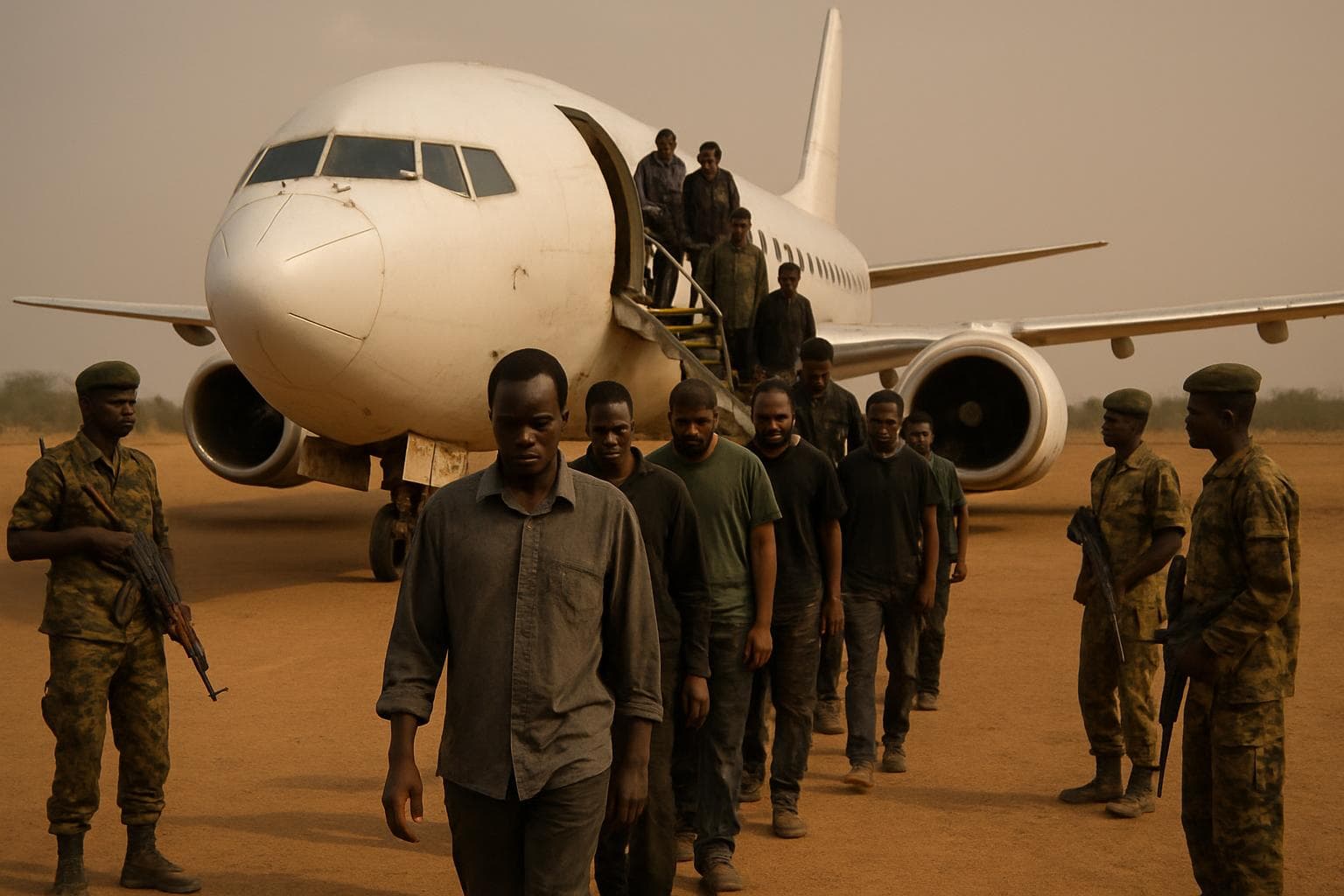
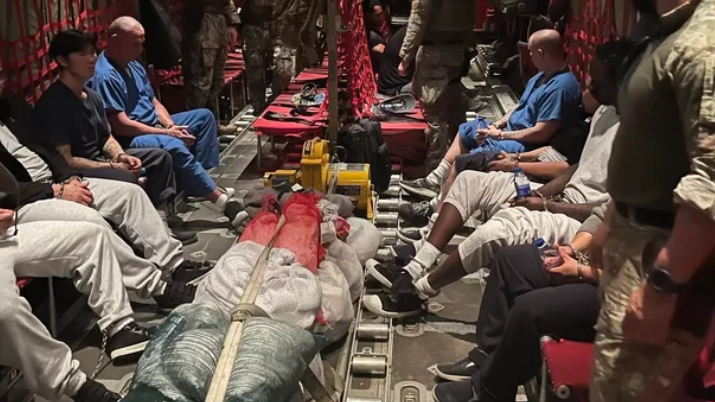
In a significant legal development, the United States has deported eight men to South Sudan following a protracted legal battle that reached the Supreme Court. The deportees, who had been convicted of crimes such as murder and robbery, include nationals from Myanmar, Cuba, Vietnam, Laos, Mexico, and one individual from South Sudan. This move marks a continuation of the Trump administration's policy to expand deportations to third countries.
Legal Battle and Supreme Court Decision
The deportation process was initially halted in May when a US district judge in Massachusetts, Brian Murphy, blocked the removal, citing the need for due process hearings. The men were diverted to Djibouti, where they were held under guard at an American military base. However, the Supreme Court later sided with the Trump administration, allowing the deportations to proceed by overturning Judge Murphy's ruling. Tricia McLaughlin, a spokesperson for the Department of Homeland Security, described the deportation as a victory for the rule of law and public safety.
Deportation to South Sudan Amidst Instability
The deportees arrived in South Sudan, a nation currently advised against travel by the US State Department due to ongoing crime and conflict. Despite the legal clearance, the status of the men in South Sudan remains uncertain. Edmund Yakani, a civil society leader in South Sudan, reported seeing the men in a civilian facility in Juba, where they appeared to be in good condition. However, their future in the war-torn country is unclear, with Yakani expressing hope for governmental clarity.
Broader Implications of Third-Country Deportations
The Trump administration's strategy to deport individuals to third countries has sparked discussions about international relations and immigration policy. Countries like El Salvador, Costa Rica, and potentially Rwanda have been considered for similar agreements. This policy shift raises questions about the legal and humanitarian implications of deporting individuals to countries where they may face instability or danger.
WHAT THIS MIGHT MEAN
The Supreme Court's decision to allow these deportations could set a precedent for future cases involving third-country removals. Legal experts suggest that this ruling may embolden the Trump administration to pursue similar deportations more aggressively. However, the humanitarian concerns associated with sending individuals to unstable regions like South Sudan could lead to increased scrutiny and potential legal challenges. As the situation unfolds, international relations may be tested, particularly with countries reluctant to accept deportees. The outcome of these deportations could influence future US immigration policy and its global diplomatic engagements.
Images from the Web
Related Articles
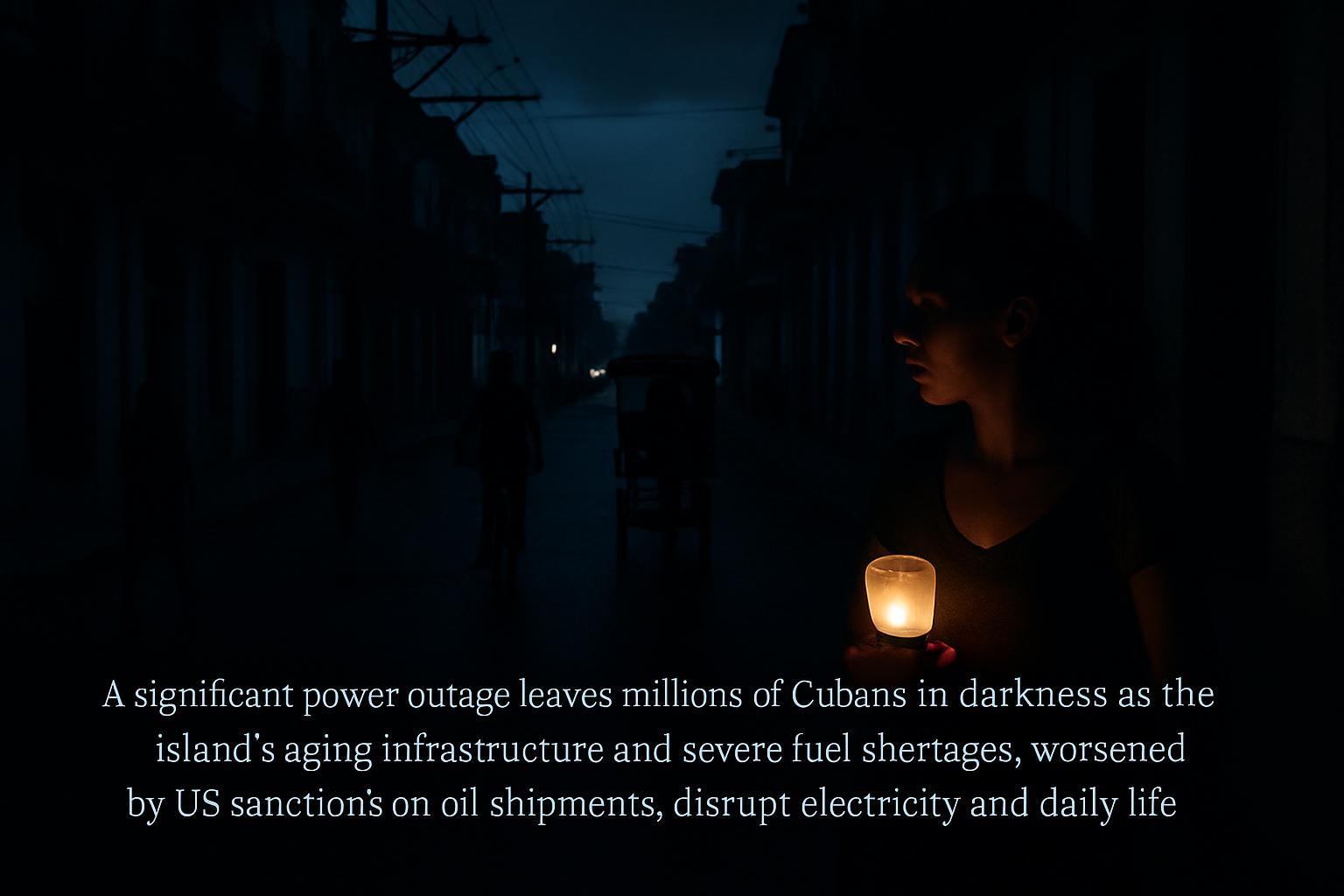
Cuba Faces Widespread Blackout Amid Deepening Fuel Crisis
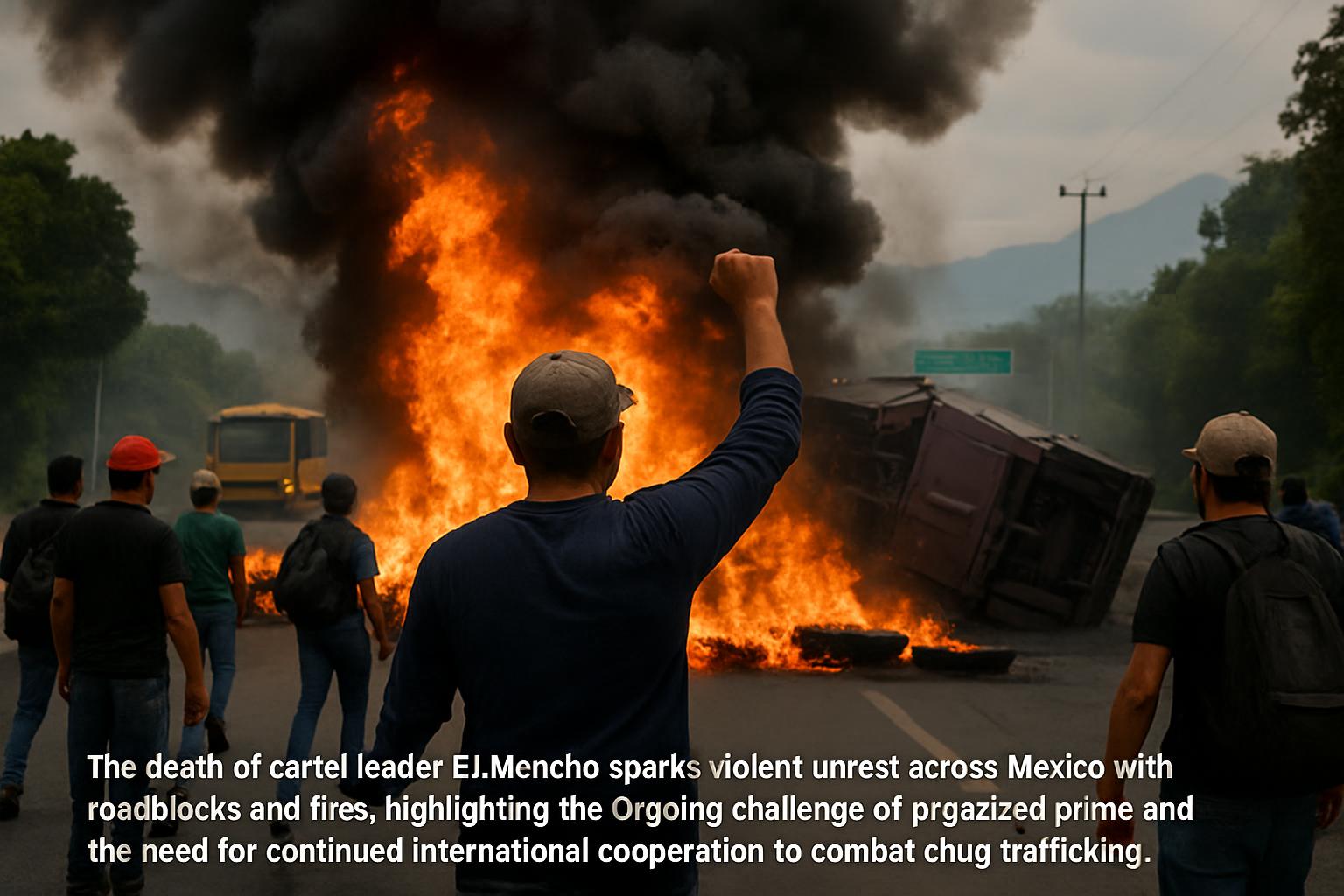
El Mencho's Death Sparks Violent Unrest Across Mexico
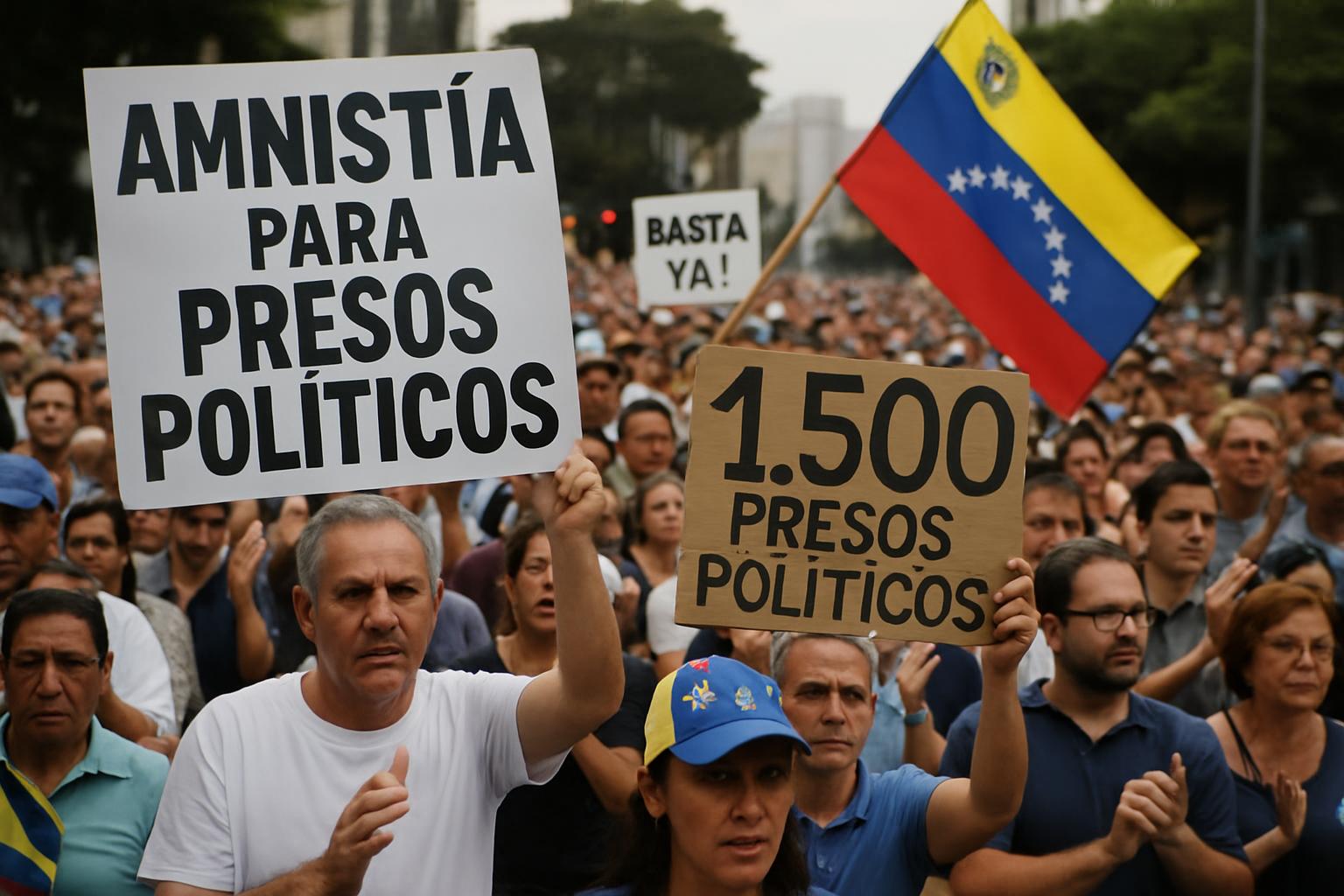
Venezuelan Political Prisoners Seek Amnesty Amidst Hopes for Democratic Transition
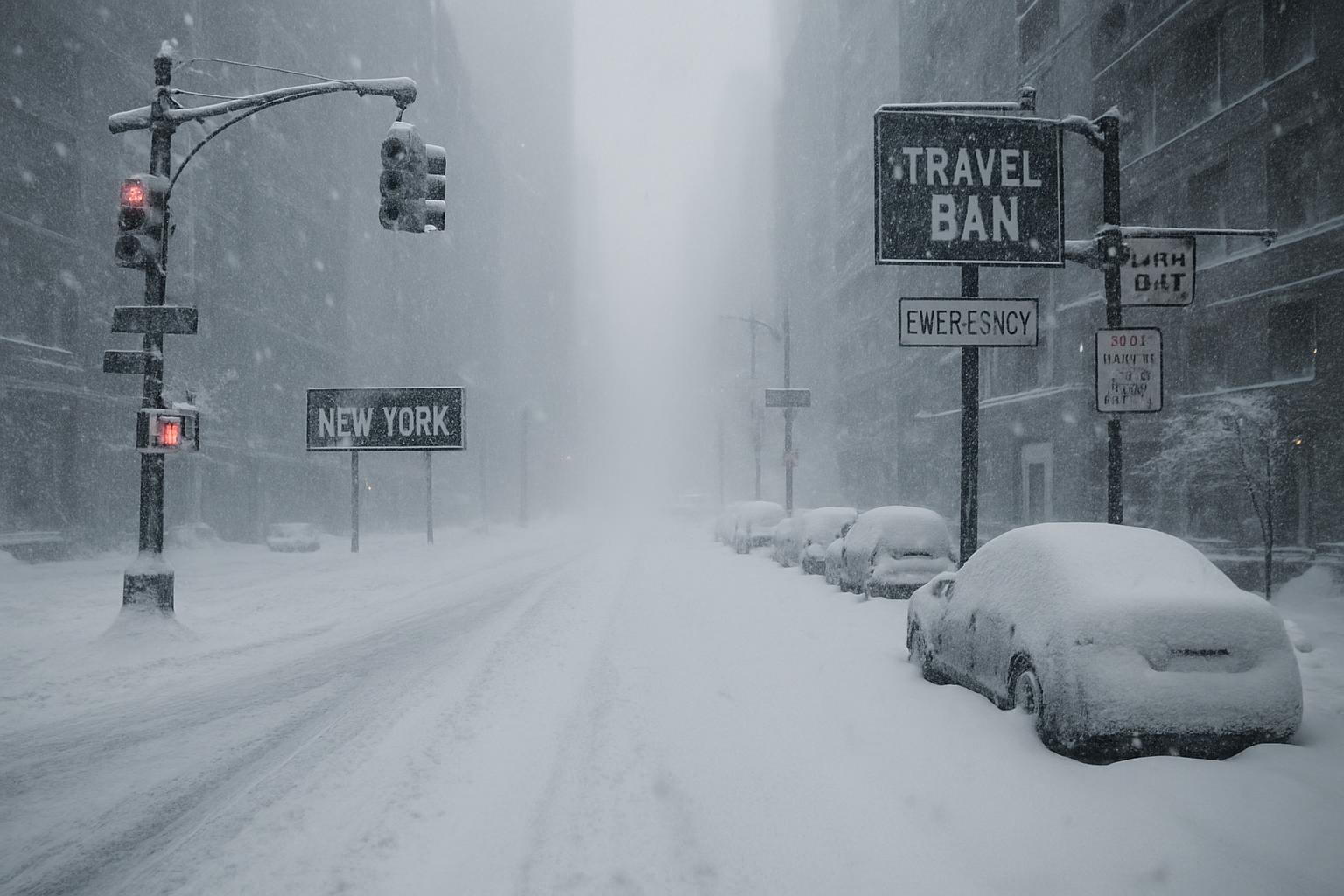
Historic Nor'easter Storm Paralyzes US North-East with Blizzard Warnings and Travel Bans
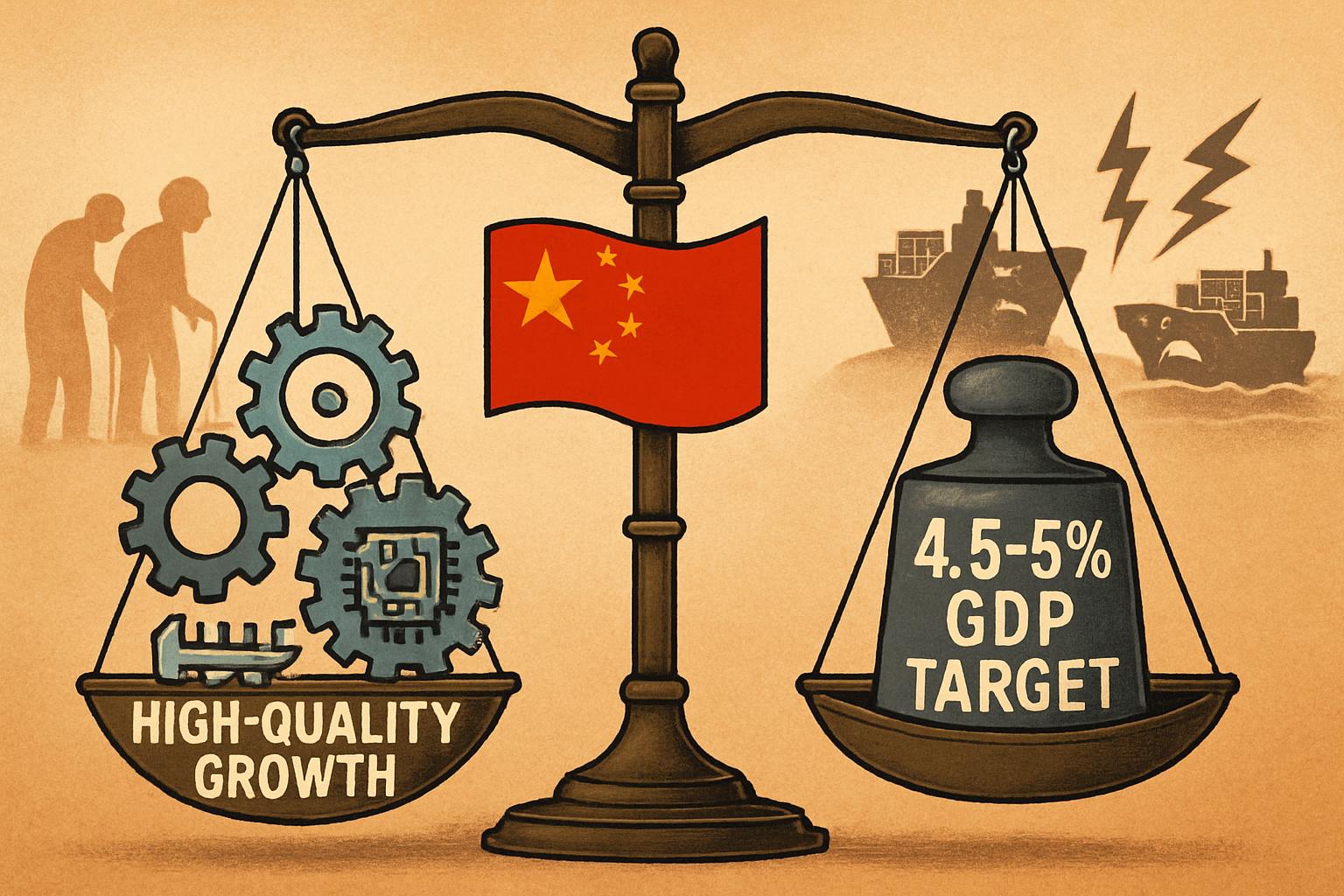
China Sets Lowest GDP Growth Target in Decades Amid Economic Challenges

Tech Giants Pledge to Cover AI Data Center Energy Costs Amid Rising Electricity Concerns
US Deportations to South Sudan Proceed After Supreme Court Ruling
In This Article
 Sofia Romano| Published
 HIGHLIGHTS
- Eight men deported from the US to South Sudan after a Supreme Court ruling allowed the removals to proceed.
- The deportees, convicted of various crimes, include nationals from Myanmar, Cuba, Vietnam, Laos, Mexico, and one from South Sudan.
- The deportation was delayed due to legal challenges but was ultimately permitted by the Supreme Court, overturning a previous block by a federal judge.
- The Trump administration is expanding deportations to third countries, with South Sudan being one of the latest destinations.
- The deportees were initially diverted to Djibouti before being sent to South Sudan, where their status remains unclear.
In a significant legal development, the United States has deported eight men to South Sudan following a protracted legal battle that reached the Supreme Court. The deportees, who had been convicted of crimes such as murder and robbery, include nationals from Myanmar, Cuba, Vietnam, Laos, Mexico, and one individual from South Sudan. This move marks a continuation of the Trump administration's policy to expand deportations to third countries.
Legal Battle and Supreme Court Decision
The deportation process was initially halted in May when a US district judge in Massachusetts, Brian Murphy, blocked the removal, citing the need for due process hearings. The men were diverted to Djibouti, where they were held under guard at an American military base. However, the Supreme Court later sided with the Trump administration, allowing the deportations to proceed by overturning Judge Murphy's ruling. Tricia McLaughlin, a spokesperson for the Department of Homeland Security, described the deportation as a victory for the rule of law and public safety.
Deportation to South Sudan Amidst Instability
The deportees arrived in South Sudan, a nation currently advised against travel by the US State Department due to ongoing crime and conflict. Despite the legal clearance, the status of the men in South Sudan remains uncertain. Edmund Yakani, a civil society leader in South Sudan, reported seeing the men in a civilian facility in Juba, where they appeared to be in good condition. However, their future in the war-torn country is unclear, with Yakani expressing hope for governmental clarity.
Broader Implications of Third-Country Deportations
The Trump administration's strategy to deport individuals to third countries has sparked discussions about international relations and immigration policy. Countries like El Salvador, Costa Rica, and potentially Rwanda have been considered for similar agreements. This policy shift raises questions about the legal and humanitarian implications of deporting individuals to countries where they may face instability or danger.
WHAT THIS MIGHT MEAN
The Supreme Court's decision to allow these deportations could set a precedent for future cases involving third-country removals. Legal experts suggest that this ruling may embolden the Trump administration to pursue similar deportations more aggressively. However, the humanitarian concerns associated with sending individuals to unstable regions like South Sudan could lead to increased scrutiny and potential legal challenges. As the situation unfolds, international relations may be tested, particularly with countries reluctant to accept deportees. The outcome of these deportations could influence future US immigration policy and its global diplomatic engagements.
Images from the Web
Related Articles
Cuba Faces Widespread Blackout Amid Deepening Fuel Crisis
El Mencho's Death Sparks Violent Unrest Across Mexico
Venezuelan Political Prisoners Seek Amnesty Amidst Hopes for Democratic Transition
Historic Nor'easter Storm Paralyzes US North-East with Blizzard Warnings and Travel Bans
China Sets Lowest GDP Growth Target in Decades Amid Economic Challenges
Tech Giants Pledge to Cover AI Data Center Energy Costs Amid Rising Electricity Concerns