
US Military Downs Iranian Drone Amid Rising Tensions and Upcoming Nuclear Talks
In This Article
HIGHLIGHTS
- The US military shot down an Iranian drone approaching the USS Abraham Lincoln in the Arabian Sea, citing self-defense.
- The incident occurred amid heightened US-Iran tensions and ongoing military buildup in the Middle East.
- US and Iranian officials are scheduled to meet for nuclear negotiations, with the venue potentially moving from Turkey to Oman.
- Iran's President Masoud Pezeshkian indicated readiness for talks, supported by Supreme Leader Ayatollah Ali Khamenei.
- The US military reported a separate incident involving Iranian forces harassing a US-flagged vessel in the Strait of Hormuz.
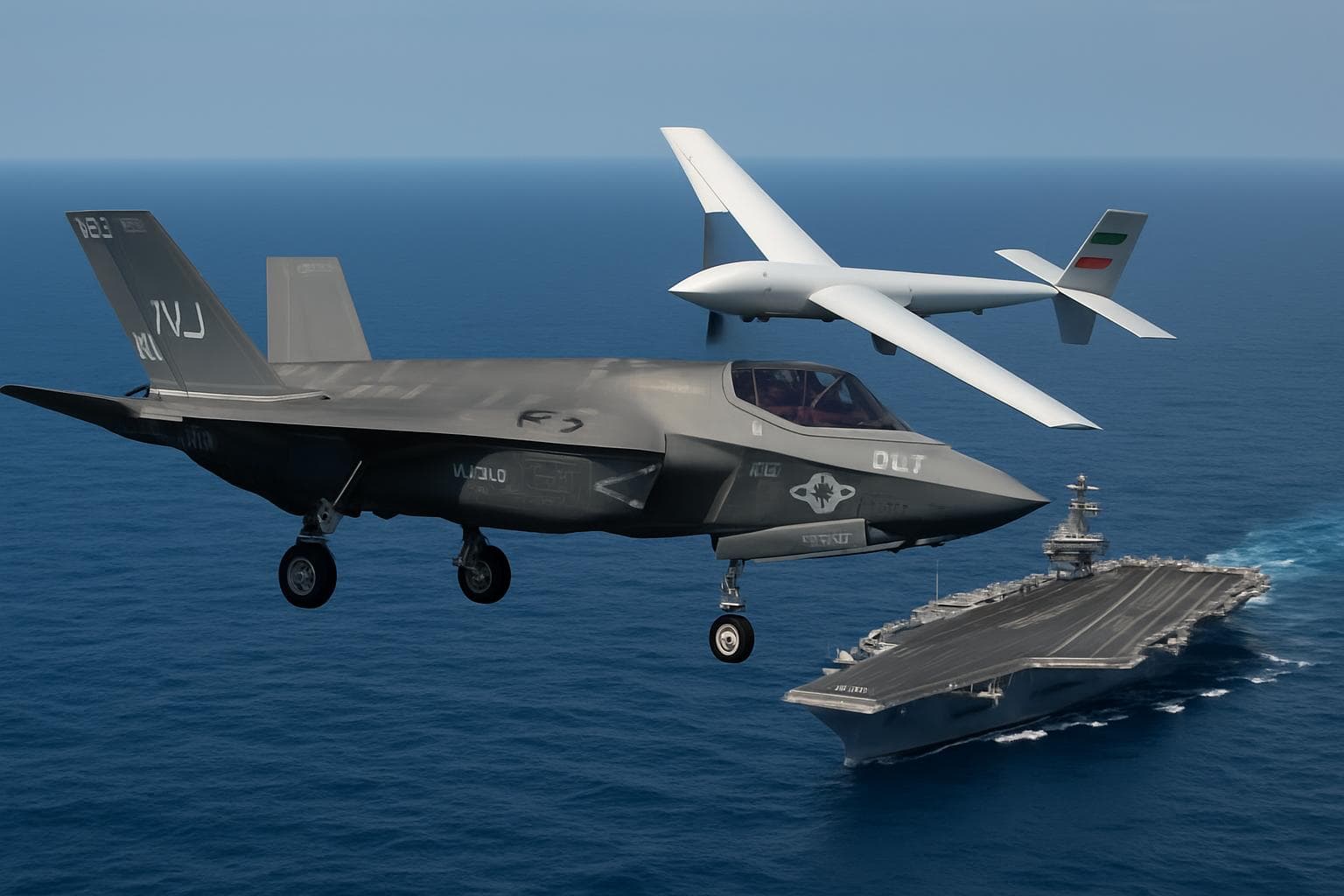
In a significant escalation of US-Iran tensions, the US military announced it had shot down an Iranian drone that was approaching the USS Abraham Lincoln aircraft carrier in the Arabian Sea. The incident, which occurred on Tuesday, involved an F-35C fighter jet taking defensive action to protect the carrier and its personnel, according to US Central Command spokesman Capt Tim Hawkins. The drone's intent was unclear, but no US personnel or equipment were harmed.
The drone incident comes at a time of heightened military presence in the Middle East, as the US seeks to pressure Iran into nuclear negotiations. President Donald Trump has maintained a firm stance, threatening military action if Iran does not agree to restrict its nuclear program. Despite the tensions, White House Press Secretary Karoline Leavitt confirmed that talks between US and Iranian officials are still planned for later this week.
Diplomatic Efforts Amid Military Tensions
The planned negotiations, initially set to take place in Turkey, may be relocated to Oman, following a request from Tehran. Iran's President Masoud Pezeshkian expressed a willingness to engage in "fair and equitable negotiations" with the US, a move reportedly backed by Supreme Leader Ayatollah Ali Khamenei. This marks a notable shift for Pezeshkian, who had previously indicated that internal unrest was beyond his control.
Strait of Hormuz Incident
On the same day as the drone incident, the US military reported that Iran's Islamic Revolutionary Guard Corps (IRGC) harassed a US-flagged merchant vessel in the Strait of Hormuz. Two IRGC boats and an Iranian drone approached the M/V Stena Imperative at high speeds, threatening to board the tanker. The situation was de-escalated with military support, allowing the vessel to continue safely.
Regional Implications
The USS Abraham Lincoln's presence is part of a broader US military buildup in response to Iran's recent crackdown on anti-government protests, the deadliest since the 1979 revolution. President Trump has demanded nuclear concessions from Tehran, deploying a flotilla to the region as a show of force.
WHAT THIS MIGHT MEAN
The downing of the Iranian drone underscores the fragile state of US-Iran relations, with both nations on the brink of potential conflict. The upcoming nuclear talks, if successful, could ease tensions and pave the way for a diplomatic resolution. However, the relocation of the talks to Oman and the focus on nuclear issues alone may limit the scope of discussions.
Should negotiations falter, the risk of military confrontation remains high, particularly given the strategic importance of the Strait of Hormuz for global oil shipments. Experts suggest that continued diplomatic engagement, supported by regional allies, is crucial to preventing further escalation and ensuring stability in the Middle East.
Related Articles

Intensified US-Israel Strikes on Iran Spark Global Outcry
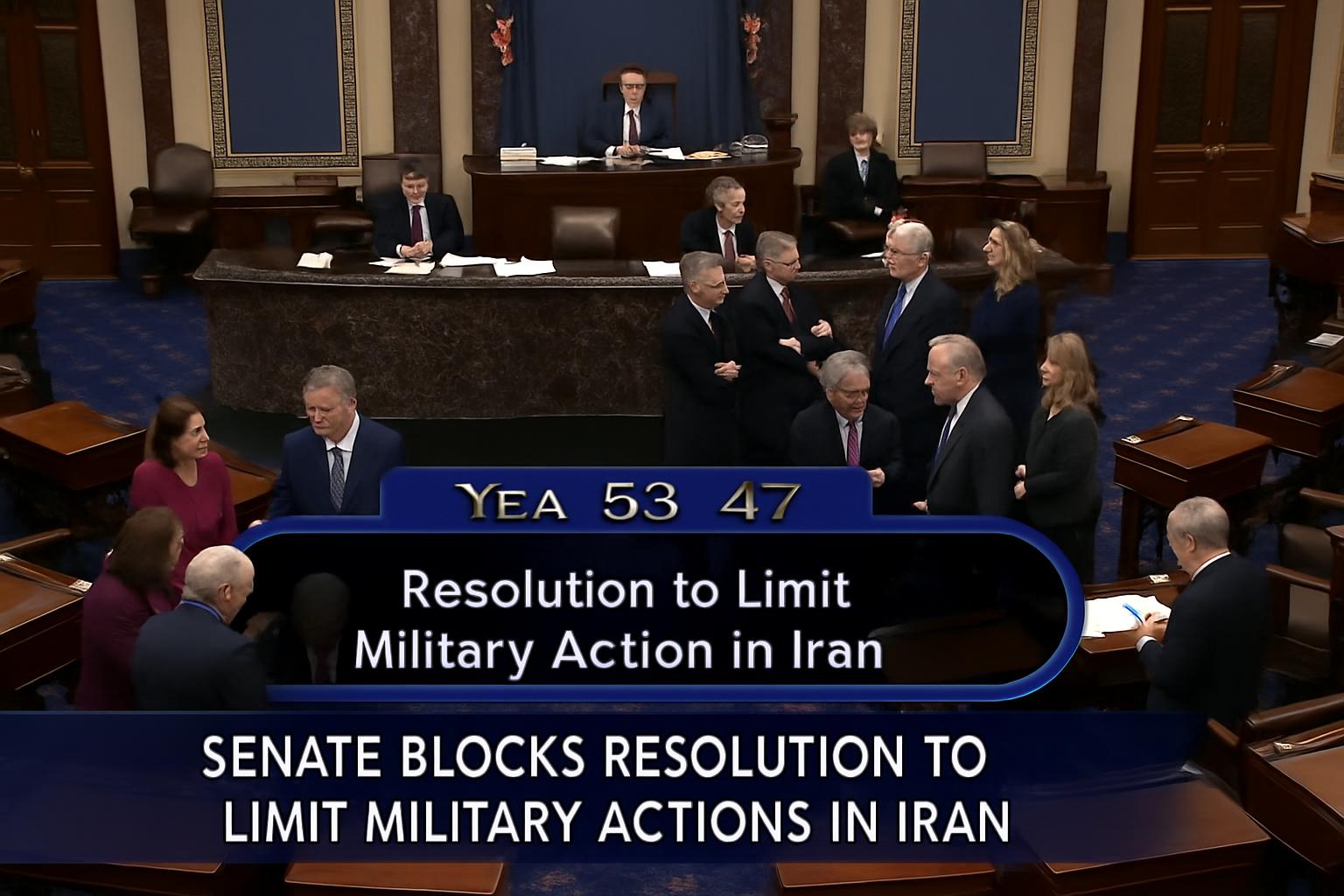
Senate Blocks Resolution to Limit Trump's Military Actions in Iran

Spain's Sánchez Stands Firm Against Trump's Trade Threat Over Iran Stance
Iran Postpones Khamenei Funeral Amid Escalating US-Israeli Strikes
US and Israel Intensify Military Campaign as Iran's Capabilities Dwindle

UK-Iran Tensions: Starmer Defends Cautious Approach Amid Trump Criticism
US Military Downs Iranian Drone Amid Rising Tensions and Upcoming Nuclear Talks
In This Article
 Ethan Brooks| Published
 HIGHLIGHTS
- The US military shot down an Iranian drone approaching the USS Abraham Lincoln in the Arabian Sea, citing self-defense.
- The incident occurred amid heightened US-Iran tensions and ongoing military buildup in the Middle East.
- US and Iranian officials are scheduled to meet for nuclear negotiations, with the venue potentially moving from Turkey to Oman.
- Iran's President Masoud Pezeshkian indicated readiness for talks, supported by Supreme Leader Ayatollah Ali Khamenei.
- The US military reported a separate incident involving Iranian forces harassing a US-flagged vessel in the Strait of Hormuz.
In a significant escalation of US-Iran tensions, the US military announced it had shot down an Iranian drone that was approaching the USS Abraham Lincoln aircraft carrier in the Arabian Sea. The incident, which occurred on Tuesday, involved an F-35C fighter jet taking defensive action to protect the carrier and its personnel, according to US Central Command spokesman Capt Tim Hawkins. The drone's intent was unclear, but no US personnel or equipment were harmed.
The drone incident comes at a time of heightened military presence in the Middle East, as the US seeks to pressure Iran into nuclear negotiations. President Donald Trump has maintained a firm stance, threatening military action if Iran does not agree to restrict its nuclear program. Despite the tensions, White House Press Secretary Karoline Leavitt confirmed that talks between US and Iranian officials are still planned for later this week.
Diplomatic Efforts Amid Military Tensions
The planned negotiations, initially set to take place in Turkey, may be relocated to Oman, following a request from Tehran. Iran's President Masoud Pezeshkian expressed a willingness to engage in "fair and equitable negotiations" with the US, a move reportedly backed by Supreme Leader Ayatollah Ali Khamenei. This marks a notable shift for Pezeshkian, who had previously indicated that internal unrest was beyond his control.
Strait of Hormuz Incident
On the same day as the drone incident, the US military reported that Iran's Islamic Revolutionary Guard Corps (IRGC) harassed a US-flagged merchant vessel in the Strait of Hormuz. Two IRGC boats and an Iranian drone approached the M/V Stena Imperative at high speeds, threatening to board the tanker. The situation was de-escalated with military support, allowing the vessel to continue safely.
Regional Implications
The USS Abraham Lincoln's presence is part of a broader US military buildup in response to Iran's recent crackdown on anti-government protests, the deadliest since the 1979 revolution. President Trump has demanded nuclear concessions from Tehran, deploying a flotilla to the region as a show of force.
WHAT THIS MIGHT MEAN
The downing of the Iranian drone underscores the fragile state of US-Iran relations, with both nations on the brink of potential conflict. The upcoming nuclear talks, if successful, could ease tensions and pave the way for a diplomatic resolution. However, the relocation of the talks to Oman and the focus on nuclear issues alone may limit the scope of discussions.
Should negotiations falter, the risk of military confrontation remains high, particularly given the strategic importance of the Strait of Hormuz for global oil shipments. Experts suggest that continued diplomatic engagement, supported by regional allies, is crucial to preventing further escalation and ensuring stability in the Middle East.
Related Articles
Intensified US-Israel Strikes on Iran Spark Global Outcry
Senate Blocks Resolution to Limit Trump's Military Actions in Iran
Spain's Sánchez Stands Firm Against Trump's Trade Threat Over Iran Stance
Iran Postpones Khamenei Funeral Amid Escalating US-Israeli Strikes
US and Israel Intensify Military Campaign as Iran's Capabilities Dwindle
UK-Iran Tensions: Starmer Defends Cautious Approach Amid Trump Criticism