
Diplomatic Efforts Intensify as US Envoy Heads to Moscow for Ukraine Peace Talks
In This Article
HIGHLIGHTS
- US President Donald Trump announced plans to send envoy Steve Witkoff to Moscow for peace talks, though core issues remain unresolved.
- Ukraine's President Zelensky expressed optimism about a potential deal, but territorial and security disagreements persist.
- A revised US-Ukraine proposal suggests increasing Ukraine's military cap, yet Russia's acceptance remains uncertain.
- European leaders have drafted a counter-proposal to the US plan, emphasizing "sustainable and just peace".
- Russia continues military assaults on Ukraine, complicating diplomatic efforts for a ceasefire.
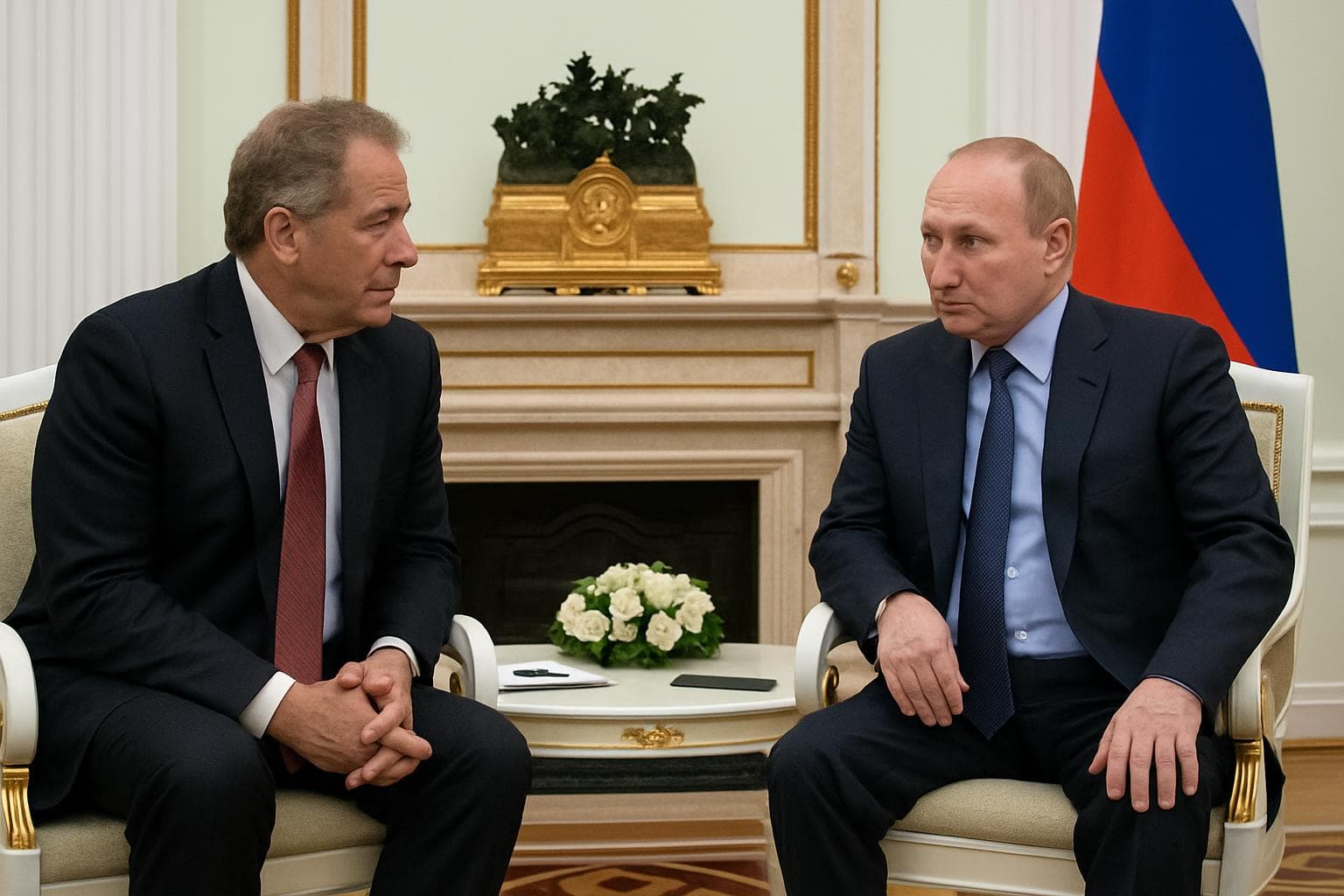
In a renewed push for peace in Ukraine, US President Donald Trump has announced the dispatch of special envoy Steve Witkoff to Moscow to engage in discussions with Russian President Vladimir Putin. This move comes amid ongoing diplomatic efforts to resolve the conflict, although significant hurdles remain, particularly concerning territorial control and security guarantees.
Diplomatic Developments and Challenges
Following a series of negotiations in Geneva, both the US and Ukraine have expressed cautious optimism about reaching a peace agreement. Ukrainian President Volodymyr Zelensky, who has been actively involved in the discussions, noted "many prospects" for peace, though he acknowledged the complexity of the issues at hand. A revised US-Ukraine proposal has emerged, suggesting an increase in Ukraine's military cap from 600,000 to 800,000 personnel, aligning with current active service numbers. However, Russia's acceptance of this proposal remains uncertain, as Moscow insists any peace plan must reflect the discussions held between Trump and Putin in Alaska last August.
European Involvement and Reactions
European leaders have been actively involved in shaping the peace process, drafting a counter-proposal to the initial US plan. This proposal emphasizes the need for a "sustainable and just peace," a sentiment echoed by several European officials, including Sir Keir Starmer. Despite these efforts, the influence of European diplomacy on the ongoing talks remains unclear, with key issues such as territorial concessions and Ukraine's future relations with NATO still unresolved.
Continued Conflict and Humanitarian Impact
Meanwhile, the situation on the ground in Ukraine remains dire. Russian forces have continued their assaults, launching 22 missiles and 464 drones at Ukrainian targets, primarily around Kyiv, resulting in seven fatalities. This ongoing violence underscores the urgency of diplomatic efforts to achieve a ceasefire and address the humanitarian crisis.
WHAT THIS MIGHT MEAN
As diplomatic efforts continue, the potential outcomes remain uncertain. Should the US envoy's discussions in Moscow yield progress, it could pave the way for a high-level summit involving Trump, Zelensky, and Putin. However, the persistent disagreements over territorial concessions and security guarantees pose significant challenges. Experts suggest that any lasting peace agreement will require substantial compromises from all parties involved. Additionally, the ongoing military actions by Russia could further complicate negotiations, potentially delaying a resolution. The international community will be closely watching these developments, hoping for a breakthrough that could bring an end to the conflict.
Related Articles
US-Iran Tensions Escalate Amid Renewed Nuclear Talks and Protests
Russian LNG Tanker Sinks in Mediterranean Amid Accusations of Ukrainian Drone Attack
Spain's Sánchez Stands Firm Against Trump's Trade Threat Over Iran Stance
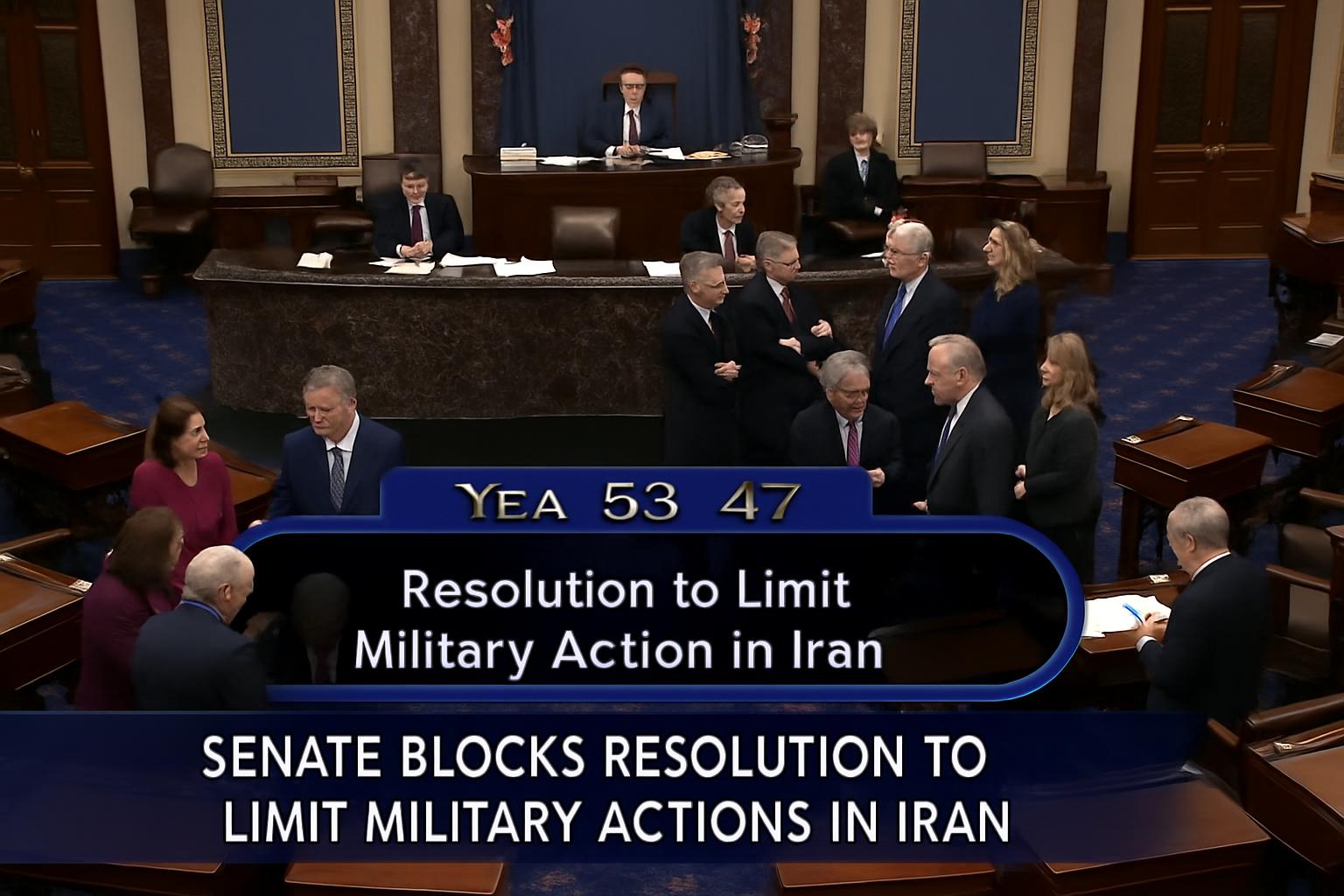
Senate Blocks Resolution to Limit Trump's Military Actions in Iran
UK-Iran Tensions: Starmer Defends Cautious Approach Amid Trump Criticism
Greenland Politely Declines Trump's Hospital Ship Offer Amid Healthcare Debate
Diplomatic Efforts Intensify as US Envoy Heads to Moscow for Ukraine Peace Talks
In This Article
 Ethan Brooks| Published
 HIGHLIGHTS
- US President Donald Trump announced plans to send envoy Steve Witkoff to Moscow for peace talks, though core issues remain unresolved.
- Ukraine's President Zelensky expressed optimism about a potential deal, but territorial and security disagreements persist.
- A revised US-Ukraine proposal suggests increasing Ukraine's military cap, yet Russia's acceptance remains uncertain.
- European leaders have drafted a counter-proposal to the US plan, emphasizing "sustainable and just peace".
- Russia continues military assaults on Ukraine, complicating diplomatic efforts for a ceasefire.
In a renewed push for peace in Ukraine, US President Donald Trump has announced the dispatch of special envoy Steve Witkoff to Moscow to engage in discussions with Russian President Vladimir Putin. This move comes amid ongoing diplomatic efforts to resolve the conflict, although significant hurdles remain, particularly concerning territorial control and security guarantees.
Diplomatic Developments and Challenges
Following a series of negotiations in Geneva, both the US and Ukraine have expressed cautious optimism about reaching a peace agreement. Ukrainian President Volodymyr Zelensky, who has been actively involved in the discussions, noted "many prospects" for peace, though he acknowledged the complexity of the issues at hand. A revised US-Ukraine proposal has emerged, suggesting an increase in Ukraine's military cap from 600,000 to 800,000 personnel, aligning with current active service numbers. However, Russia's acceptance of this proposal remains uncertain, as Moscow insists any peace plan must reflect the discussions held between Trump and Putin in Alaska last August.
European Involvement and Reactions
European leaders have been actively involved in shaping the peace process, drafting a counter-proposal to the initial US plan. This proposal emphasizes the need for a "sustainable and just peace," a sentiment echoed by several European officials, including Sir Keir Starmer. Despite these efforts, the influence of European diplomacy on the ongoing talks remains unclear, with key issues such as territorial concessions and Ukraine's future relations with NATO still unresolved.
Continued Conflict and Humanitarian Impact
Meanwhile, the situation on the ground in Ukraine remains dire. Russian forces have continued their assaults, launching 22 missiles and 464 drones at Ukrainian targets, primarily around Kyiv, resulting in seven fatalities. This ongoing violence underscores the urgency of diplomatic efforts to achieve a ceasefire and address the humanitarian crisis.
WHAT THIS MIGHT MEAN
As diplomatic efforts continue, the potential outcomes remain uncertain. Should the US envoy's discussions in Moscow yield progress, it could pave the way for a high-level summit involving Trump, Zelensky, and Putin. However, the persistent disagreements over territorial concessions and security guarantees pose significant challenges. Experts suggest that any lasting peace agreement will require substantial compromises from all parties involved. Additionally, the ongoing military actions by Russia could further complicate negotiations, potentially delaying a resolution. The international community will be closely watching these developments, hoping for a breakthrough that could bring an end to the conflict.
Related Articles
US-Iran Tensions Escalate Amid Renewed Nuclear Talks and Protests
Russian LNG Tanker Sinks in Mediterranean Amid Accusations of Ukrainian Drone Attack
Spain's Sánchez Stands Firm Against Trump's Trade Threat Over Iran Stance
Senate Blocks Resolution to Limit Trump's Military Actions in Iran
UK-Iran Tensions: Starmer Defends Cautious Approach Amid Trump Criticism
Greenland Politely Declines Trump's Hospital Ship Offer Amid Healthcare Debate