
US-EU Trade Deal: A New Chapter in Transatlantic Relations
In This Article
HIGHLIGHTS
- The US and EU have reached a trade deal imposing a 15% tariff on European exports, averting a potential trade war.
- The agreement follows intense negotiations between President Trump and EU Commission President Ursula von der Leyen in Scotland.
- The EU will invest $750 billion in US energy products over three years, while the US maintains a 50% tariff on steel and aluminum.
- The deal is seen as a win for Trump, though some European sectors face higher tariffs than before.
- The agreement includes zero tariffs on certain sectors like aircraft parts and semiconductors.
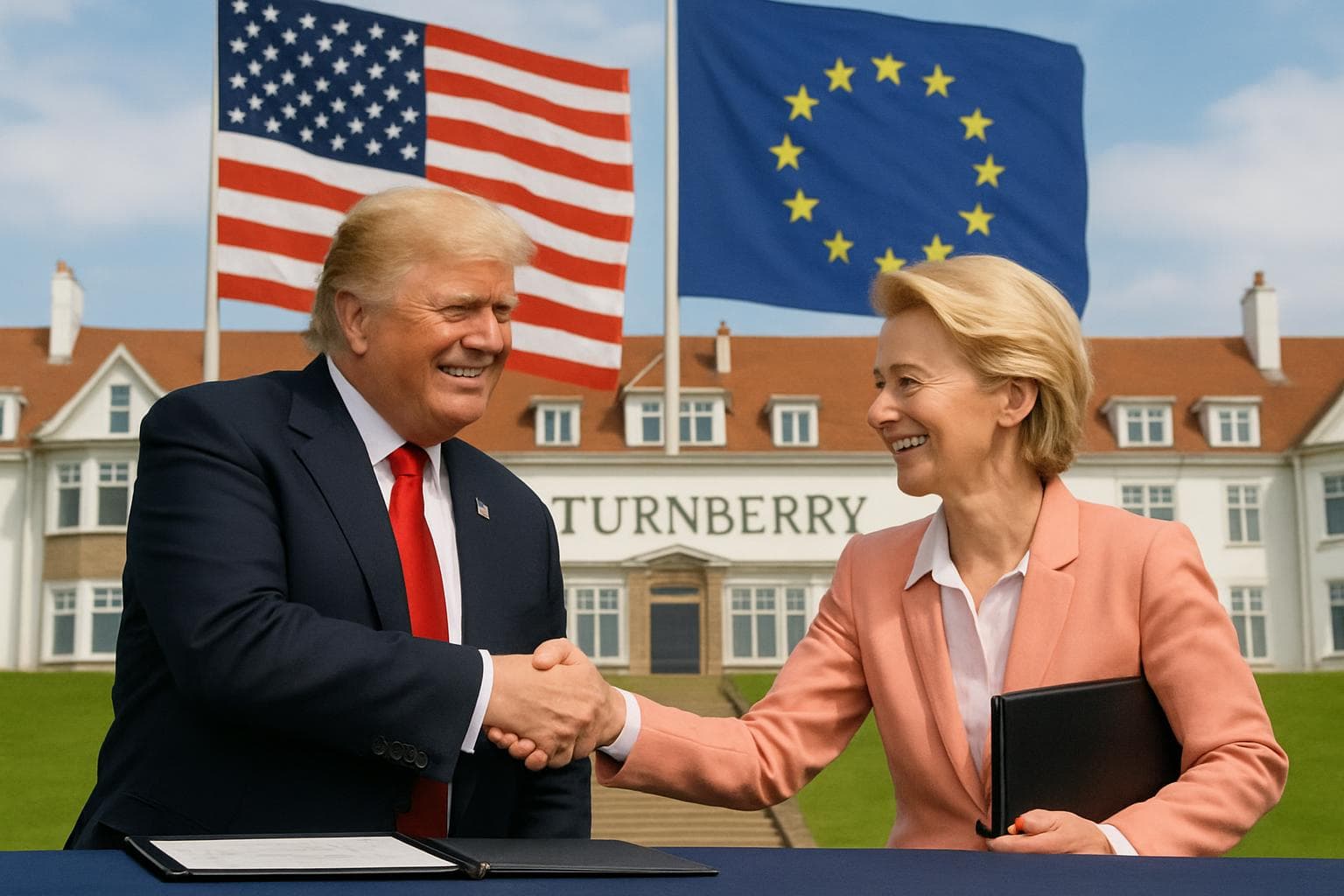
The United States and the European Union have successfully negotiated a trade deal, concluding months of challenging discussions and averting a looming trade war. The agreement, finalized after a pivotal meeting between US President Donald Trump and European Commission President Ursula von der Leyen at Trump's Turnberry golf resort in Scotland, sets a 15% tariff on most European exports to the US. This rate is significantly lower than the 30% initially threatened by Trump.
Negotiation Dynamics and Key Outcomes
The negotiations, described as "tough" by von der Leyen, culminated in a deal that both leaders hailed as a significant achievement. Trump emphasized the partnership's potential to strengthen ties, stating, "It's going to bring us closer together." Von der Leyen echoed this sentiment, highlighting the deal's role in providing stability and predictability for both economies, which together account for nearly a third of global trade.
Under the agreement, the EU commits to purchasing $750 billion in US energy products over the next three years, a move aimed at reducing Europe's reliance on Russian energy sources. Meanwhile, the US will maintain a 50% tariff on steel and aluminum imports, a point of contention for European industries.
Sector-Specific Implications
While the deal imposes a 15% tariff on most goods, certain sectors will benefit from zero tariffs, including aircraft components, semiconductors, and specific agricultural products. However, the pharmaceutical sector will face the 15% tariff, despite initial confusion over its inclusion.
German Chancellor Friedrich Merz welcomed the agreement, noting its importance in avoiding a trade conflict that could have severely impacted Germany's export-driven economy. Italian Prime Minister Giorgia Meloni also praised the deal, describing it as a positive development for Europe.
WHAT THIS MIGHT MEAN
The US-EU trade deal marks a significant step in transatlantic relations, but its long-term impact remains uncertain. The agreement's success hinges on both parties fulfilling their commitments, particularly the EU's substantial investment in US energy. Any deviation could lead to renegotiations or increased tariffs, as Trump retains the authority to adjust terms if necessary.
Politically, the deal strengthens Trump's position as a dealmaker, potentially influencing upcoming trade negotiations with other global partners. For the EU, the agreement underscores the importance of strategic alliances in navigating complex trade landscapes, especially amid ongoing economic uncertainties. As both sides move forward, the focus will likely shift to implementing the deal's provisions and addressing any emerging challenges.
Images from the Web
Related Articles
China Sets Lowest GDP Growth Target in Decades Amid Economic Challenges
Tech Giants Pledge to Cover AI Data Center Energy Costs Amid Rising Electricity Concerns
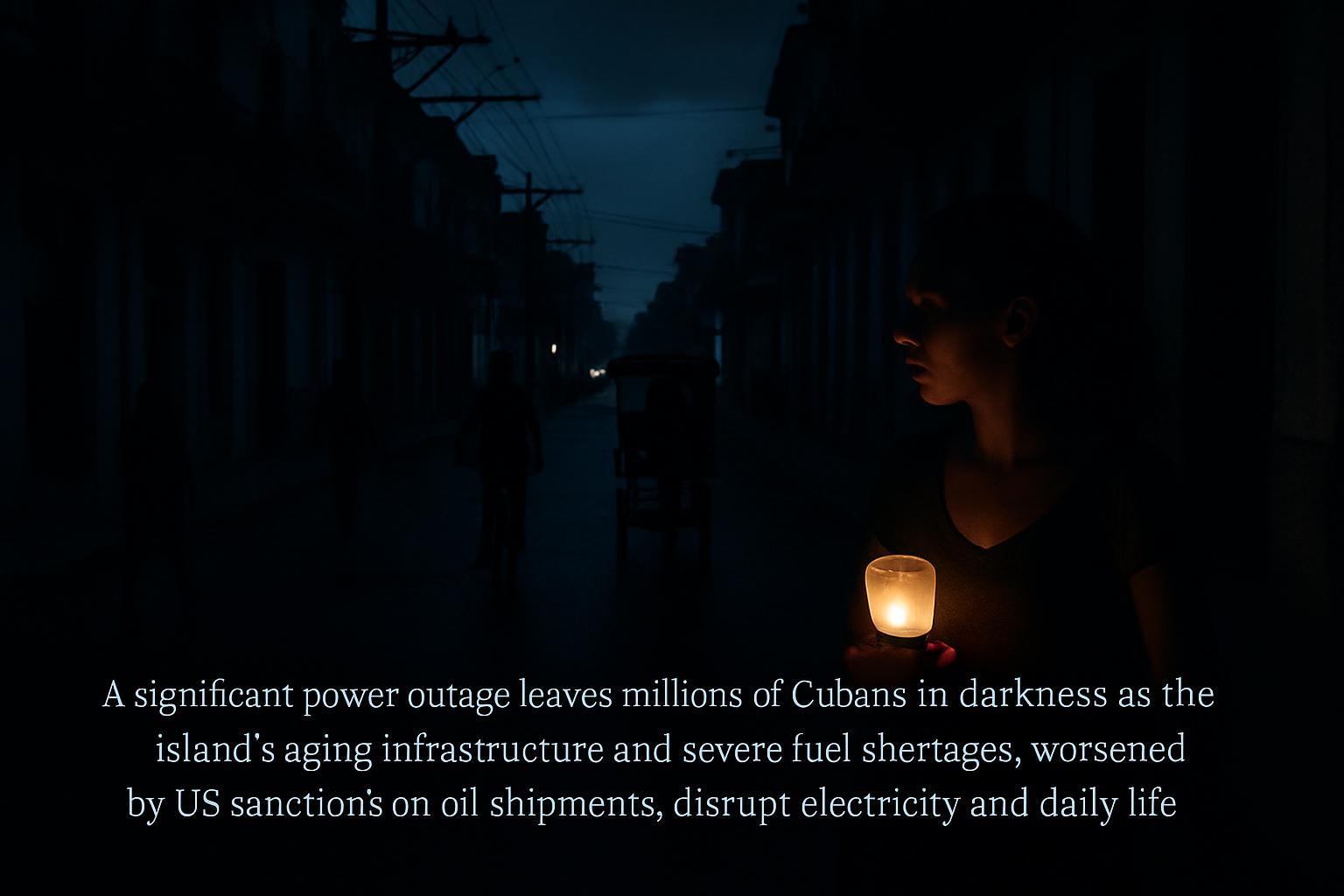
Cuba Faces Widespread Blackout Amid Deepening Fuel Crisis

Russian LNG Tanker Sinks in Mediterranean Amid Accusations of Ukrainian Drone Attack

UK Faces Dilemmas Amid Iran Conflict and China Spying Allegations
Spain's Sánchez Stands Firm Against Trump's Trade Threat Over Iran Stance
US-EU Trade Deal: A New Chapter in Transatlantic Relations
In This Article
 Daniel Rivera| Published
 HIGHLIGHTS
- The US and EU have reached a trade deal imposing a 15% tariff on European exports, averting a potential trade war.
- The agreement follows intense negotiations between President Trump and EU Commission President Ursula von der Leyen in Scotland.
- The EU will invest $750 billion in US energy products over three years, while the US maintains a 50% tariff on steel and aluminum.
- The deal is seen as a win for Trump, though some European sectors face higher tariffs than before.
- The agreement includes zero tariffs on certain sectors like aircraft parts and semiconductors.
The United States and the European Union have successfully negotiated a trade deal, concluding months of challenging discussions and averting a looming trade war. The agreement, finalized after a pivotal meeting between US President Donald Trump and European Commission President Ursula von der Leyen at Trump's Turnberry golf resort in Scotland, sets a 15% tariff on most European exports to the US. This rate is significantly lower than the 30% initially threatened by Trump.
Negotiation Dynamics and Key Outcomes
The negotiations, described as "tough" by von der Leyen, culminated in a deal that both leaders hailed as a significant achievement. Trump emphasized the partnership's potential to strengthen ties, stating, "It's going to bring us closer together." Von der Leyen echoed this sentiment, highlighting the deal's role in providing stability and predictability for both economies, which together account for nearly a third of global trade.
Under the agreement, the EU commits to purchasing $750 billion in US energy products over the next three years, a move aimed at reducing Europe's reliance on Russian energy sources. Meanwhile, the US will maintain a 50% tariff on steel and aluminum imports, a point of contention for European industries.
Sector-Specific Implications
While the deal imposes a 15% tariff on most goods, certain sectors will benefit from zero tariffs, including aircraft components, semiconductors, and specific agricultural products. However, the pharmaceutical sector will face the 15% tariff, despite initial confusion over its inclusion.
German Chancellor Friedrich Merz welcomed the agreement, noting its importance in avoiding a trade conflict that could have severely impacted Germany's export-driven economy. Italian Prime Minister Giorgia Meloni also praised the deal, describing it as a positive development for Europe.
WHAT THIS MIGHT MEAN
The US-EU trade deal marks a significant step in transatlantic relations, but its long-term impact remains uncertain. The agreement's success hinges on both parties fulfilling their commitments, particularly the EU's substantial investment in US energy. Any deviation could lead to renegotiations or increased tariffs, as Trump retains the authority to adjust terms if necessary.
Politically, the deal strengthens Trump's position as a dealmaker, potentially influencing upcoming trade negotiations with other global partners. For the EU, the agreement underscores the importance of strategic alliances in navigating complex trade landscapes, especially amid ongoing economic uncertainties. As both sides move forward, the focus will likely shift to implementing the deal's provisions and addressing any emerging challenges.
Images from the Web
Related Articles
China Sets Lowest GDP Growth Target in Decades Amid Economic Challenges
Tech Giants Pledge to Cover AI Data Center Energy Costs Amid Rising Electricity Concerns
Cuba Faces Widespread Blackout Amid Deepening Fuel Crisis
Russian LNG Tanker Sinks in Mediterranean Amid Accusations of Ukrainian Drone Attack
UK Faces Dilemmas Amid Iran Conflict and China Spying Allegations
Spain's Sánchez Stands Firm Against Trump's Trade Threat Over Iran Stance