
US Homeland Security Secretary Calls for Expanded Travel Ban Amid Security Concerns
In This Article
HIGHLIGHTS
- Homeland Security Secretary Kristi Noem proposes expanding the US travel ban to include more countries, citing security concerns.
- The proposal follows a fatal shooting in Washington DC involving an Afghan national who entered the US under the Operation Allies Welcome program.
- President Trump supports Noem's recommendation, aiming to widen existing travel bans to about 30 countries.
- The Department of Homeland Security plans to announce the list of affected countries soon.
- Immigration policies face legal challenges from advocacy groups, reminiscent of the controversial 2017 travel ban.
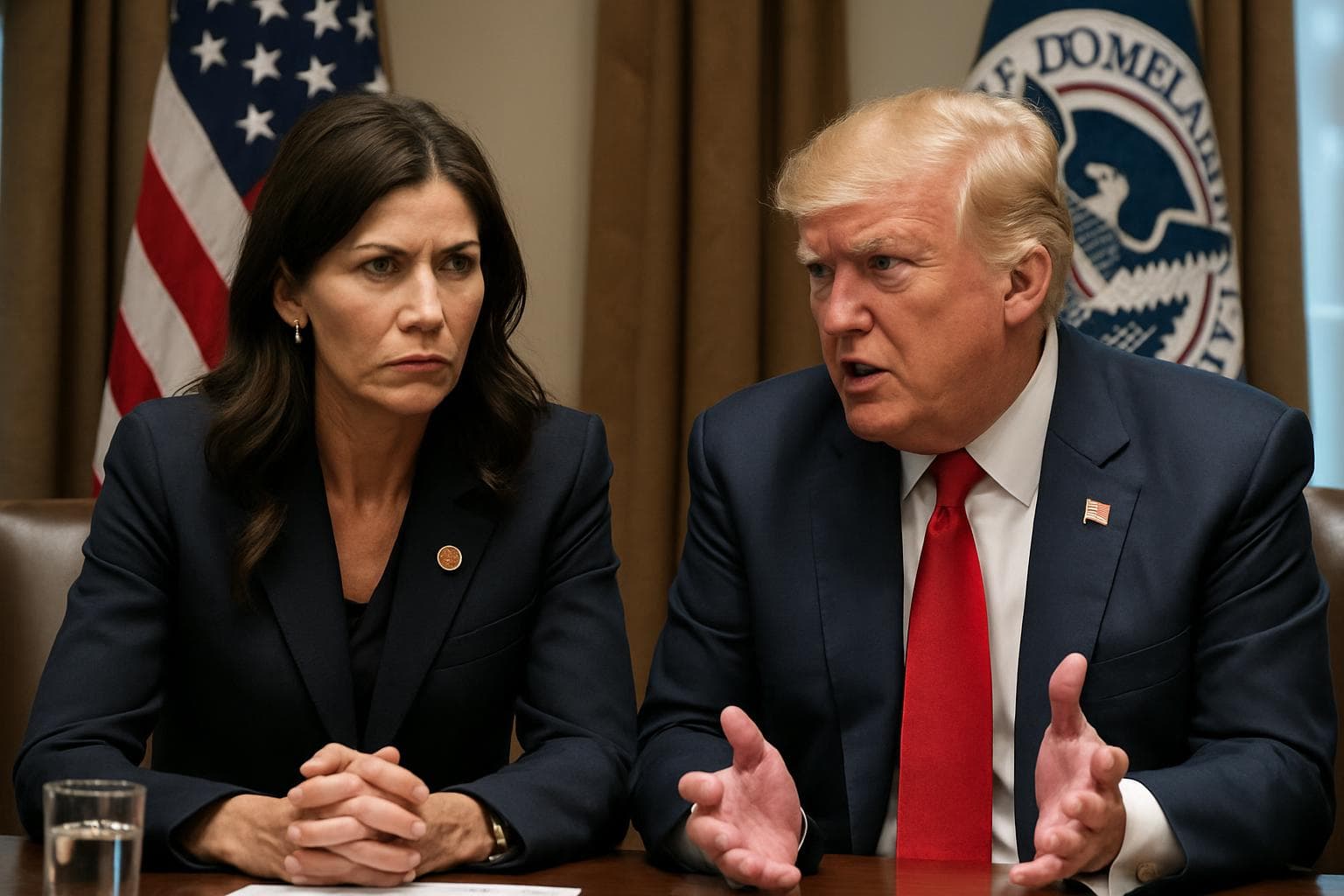
In the wake of a tragic shooting in Washington DC, US Homeland Security Secretary Kristi Noem has called for a sweeping expansion of the country's travel ban. The proposal, which has garnered support from President Donald Trump, aims to include additional nations deemed to pose security risks to the United States.
Proposal for Expanded Travel Restrictions
On Monday, Noem took to social media to announce her recommendation for a "full travel ban on every damn country that's been flooding our nation with killers, leeches, and entitlement junkies." Her comments come after a meeting with President Trump, who had previously announced travel restrictions on 19 countries, primarily in Africa, the Middle East, and the Caribbean. Noem's proposal would expand this list to approximately 30 countries, according to multiple US officials.
Incident Sparks Renewed Immigration Debate
The call for heightened travel restrictions follows a shooting incident last Wednesday in Washington DC, where two National Guard members were attacked. The suspect, identified as Rahmanullah Lakanwal, is an Afghan national who entered the US in 2021 under the Biden-era Operation Allies Welcome program. This initiative was designed to resettle Afghan citizens who had assisted US troops during the military presence in Afghanistan. The attack resulted in the death of Sarah Beckstrom, 20, and left Andrew Wolfe, 24, seriously injured.
Political and Legal Reactions
President Trump has intensified his immigration crackdown, halting all asylum requests and threatening to "permanently pause migration" from what he describes as "third world countries." The Department of Homeland Security has confirmed that a list of affected countries will be announced soon. Meanwhile, the Trump administration's immigration policies continue to face legal challenges from civil rights and immigration advocacy groups, reminiscent of the controversial 2017 travel ban that was eventually upheld by the Supreme Court.
Human Impact and Policy Implications
The shooting has reignited debates over the vetting processes for immigrants and asylum seekers. US Citizenship and Immigration Services director Joseph Edlow stated that all asylum decisions are paused until thorough vetting can be ensured. The administration's stance has drawn criticism from advocacy groups who argue that such measures unfairly target vulnerable populations.
WHAT THIS MIGHT MEAN
The proposed expansion of the US travel ban could lead to significant diplomatic tensions with the affected countries, potentially impacting international relations. Legal challenges are likely to arise, as advocacy groups may contest the broadened restrictions in court, similar to the legal battles over the 2017 travel ban. The situation also raises questions about the balance between national security and humanitarian obligations, particularly concerning refugees and asylum seekers. As the Department of Homeland Security prepares to release the list of countries, the administration's approach will be closely scrutinized both domestically and internationally.
Related Articles
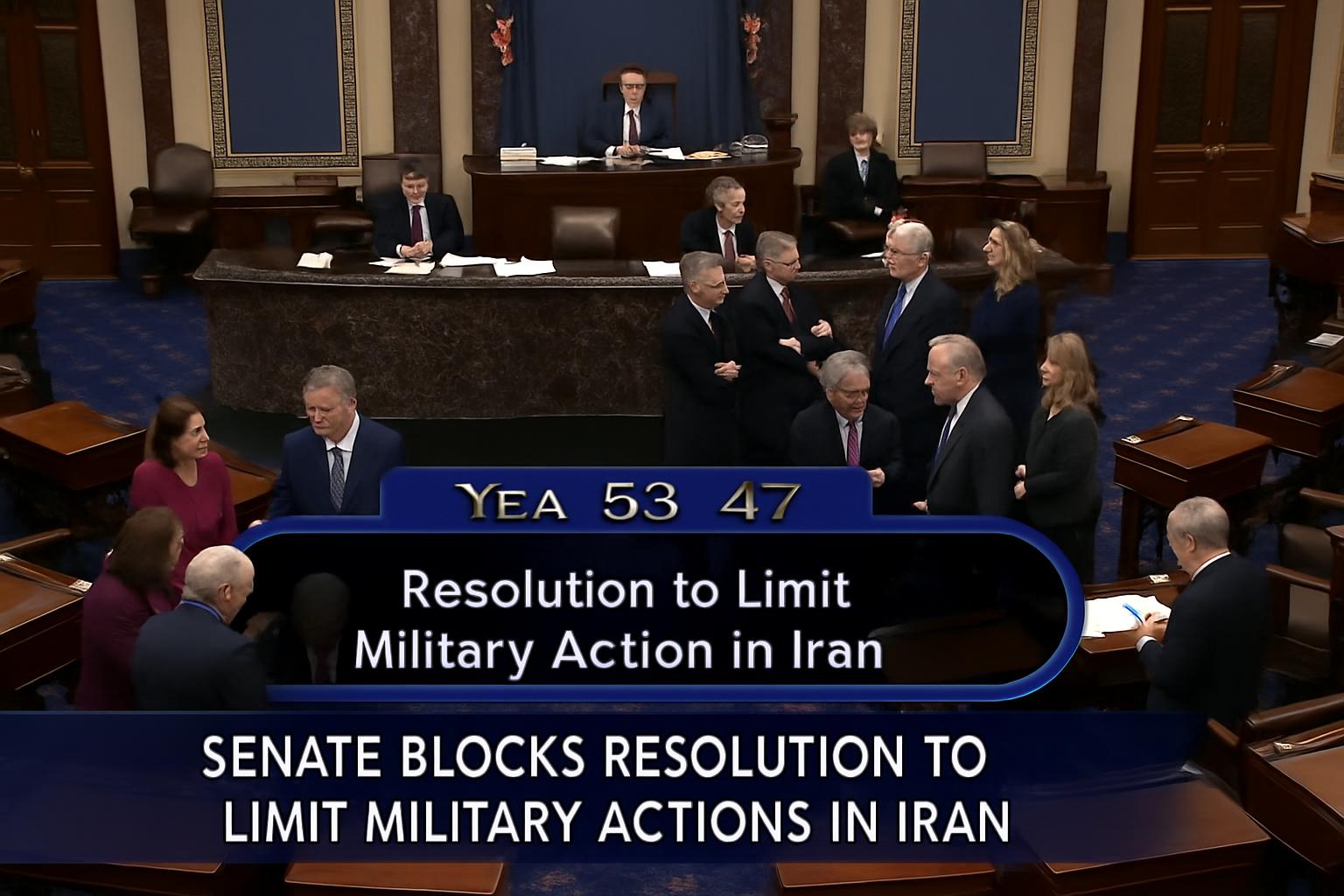
Senate Blocks Resolution to Limit Trump's Military Actions in Iran
Spain's Sánchez Stands Firm Against Trump's Trade Threat Over Iran Stance
Iran Postpones Khamenei Funeral Amid Escalating US-Israeli Strikes
Trump's New Tariff Strategy Sparks Global Trade Uncertainty

Tech Giants Pledge to Cover AI Data Center Energy Costs Amid Rising Electricity Concerns
Congress Subpoenas Attorney General Bondi in Epstein Investigation
US Homeland Security Secretary Calls for Expanded Travel Ban Amid Security Concerns
In This Article
 Ethan Brooks| Published
 HIGHLIGHTS
- Homeland Security Secretary Kristi Noem proposes expanding the US travel ban to include more countries, citing security concerns.
- The proposal follows a fatal shooting in Washington DC involving an Afghan national who entered the US under the Operation Allies Welcome program.
- President Trump supports Noem's recommendation, aiming to widen existing travel bans to about 30 countries.
- The Department of Homeland Security plans to announce the list of affected countries soon.
- Immigration policies face legal challenges from advocacy groups, reminiscent of the controversial 2017 travel ban.
In the wake of a tragic shooting in Washington DC, US Homeland Security Secretary Kristi Noem has called for a sweeping expansion of the country's travel ban. The proposal, which has garnered support from President Donald Trump, aims to include additional nations deemed to pose security risks to the United States.
Proposal for Expanded Travel Restrictions
On Monday, Noem took to social media to announce her recommendation for a "full travel ban on every damn country that's been flooding our nation with killers, leeches, and entitlement junkies." Her comments come after a meeting with President Trump, who had previously announced travel restrictions on 19 countries, primarily in Africa, the Middle East, and the Caribbean. Noem's proposal would expand this list to approximately 30 countries, according to multiple US officials.
Incident Sparks Renewed Immigration Debate
The call for heightened travel restrictions follows a shooting incident last Wednesday in Washington DC, where two National Guard members were attacked. The suspect, identified as Rahmanullah Lakanwal, is an Afghan national who entered the US in 2021 under the Biden-era Operation Allies Welcome program. This initiative was designed to resettle Afghan citizens who had assisted US troops during the military presence in Afghanistan. The attack resulted in the death of Sarah Beckstrom, 20, and left Andrew Wolfe, 24, seriously injured.
Political and Legal Reactions
President Trump has intensified his immigration crackdown, halting all asylum requests and threatening to "permanently pause migration" from what he describes as "third world countries." The Department of Homeland Security has confirmed that a list of affected countries will be announced soon. Meanwhile, the Trump administration's immigration policies continue to face legal challenges from civil rights and immigration advocacy groups, reminiscent of the controversial 2017 travel ban that was eventually upheld by the Supreme Court.
Human Impact and Policy Implications
The shooting has reignited debates over the vetting processes for immigrants and asylum seekers. US Citizenship and Immigration Services director Joseph Edlow stated that all asylum decisions are paused until thorough vetting can be ensured. The administration's stance has drawn criticism from advocacy groups who argue that such measures unfairly target vulnerable populations.
WHAT THIS MIGHT MEAN
The proposed expansion of the US travel ban could lead to significant diplomatic tensions with the affected countries, potentially impacting international relations. Legal challenges are likely to arise, as advocacy groups may contest the broadened restrictions in court, similar to the legal battles over the 2017 travel ban. The situation also raises questions about the balance between national security and humanitarian obligations, particularly concerning refugees and asylum seekers. As the Department of Homeland Security prepares to release the list of countries, the administration's approach will be closely scrutinized both domestically and internationally.
Related Articles
Senate Blocks Resolution to Limit Trump's Military Actions in Iran
Spain's Sánchez Stands Firm Against Trump's Trade Threat Over Iran Stance
Iran Postpones Khamenei Funeral Amid Escalating US-Israeli Strikes
Trump's New Tariff Strategy Sparks Global Trade Uncertainty
Tech Giants Pledge to Cover AI Data Center Energy Costs Amid Rising Electricity Concerns
Congress Subpoenas Attorney General Bondi in Epstein Investigation