
US Government Eyes 10% Stake in Intel to Boost Domestic Chip Manufacturing

In This Article
HIGHLIGHTS
- The US government is considering a 10% stake in Intel, aiming to convert grants from the Chips and Science Act into equity.
- The potential deal is part of efforts to bolster US semiconductor manufacturing and reduce reliance on foreign suppliers.
- SoftBank has invested $2 billion in Intel, signaling confidence in the company's turnaround strategy.
- Intel's shares rose by over 7% following news of the potential US government stake and SoftBank's investment.
- The move is seen as unusual, with experts noting potential challenges in governance and implications for other companies receiving government grants.
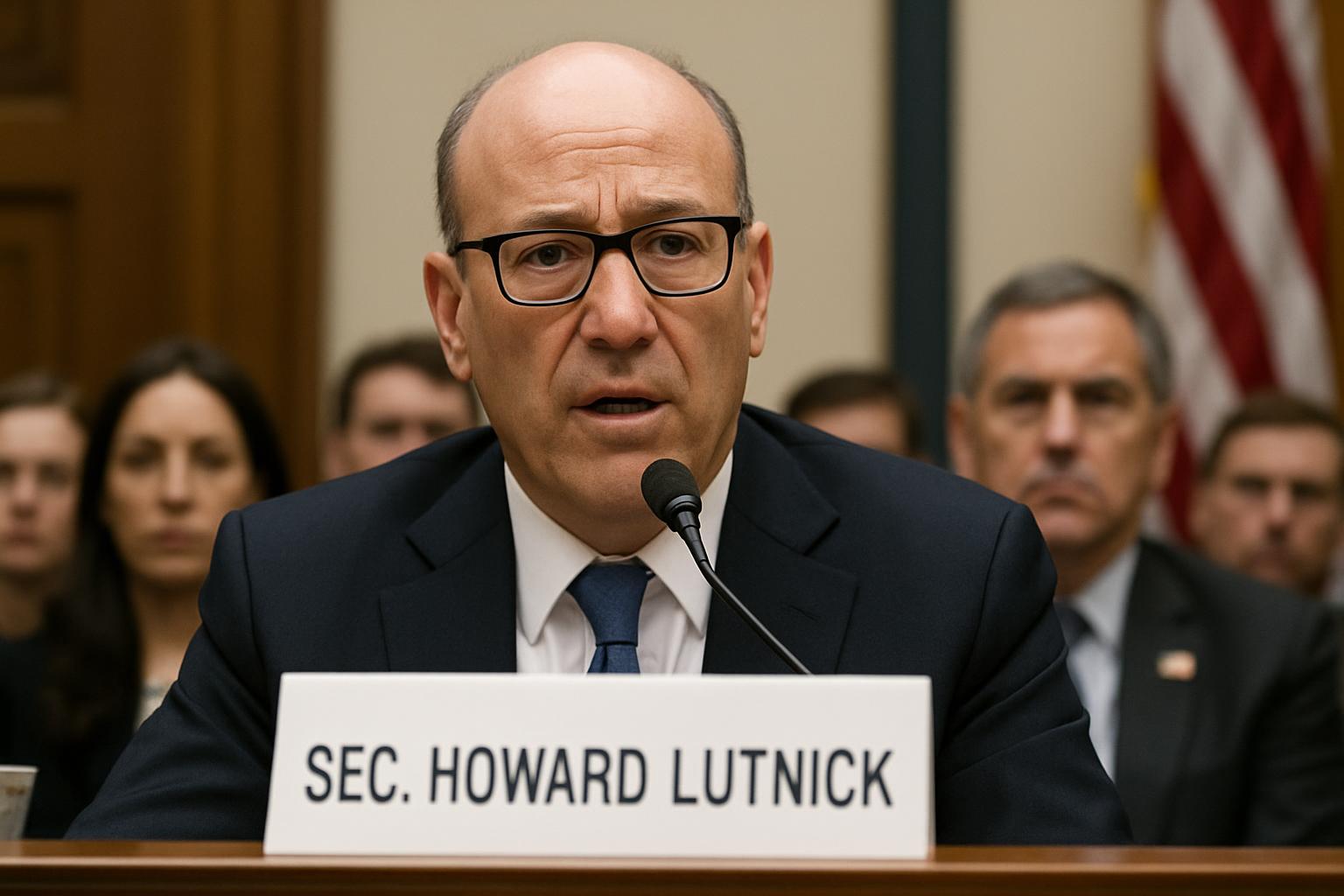
The US government is in discussions to acquire a 10% stake in Intel, a move aimed at strengthening the country's semiconductor industry and reducing dependence on foreign suppliers. This potential investment would involve converting grants from the Chips and Science Act into equity, according to US Commerce Secretary Howard Lutnick. The Act, signed into law in 2022, was designed to support research and manufacturing of semiconductor chips within the United States.
Strategic Investment in National Security
The Trump administration's proposal underscores the strategic importance of the semiconductor industry to national security and economic stability. "The president wants to put America's needs first," said White House press secretary Karoline Leavitt. Lutnick emphasized the necessity of domestic chip production, stating, "We need to make our own chips here. We cannot rely on Taiwan."
SoftBank's Confidence in Intel
In a parallel development, Japanese investment giant SoftBank has announced a $2 billion investment in Intel, acquiring a 2% stake. SoftBank's CEO, Masayoshi Son, expressed confidence in Intel's role in advancing US technology and manufacturing leadership. This investment comes as Intel, once a leader in the semiconductor market, seeks to regain its competitive edge against rivals like Nvidia and TSMC.
Market Reactions and Expert Opinions
Following these announcements, Intel's shares surged by over 7%, reflecting renewed investor interest. However, experts caution that the government's involvement could introduce complexities. Vincent Fernando from Zero One noted that while the move could bolster Intel, it might also deter other companies from accepting government grants. Kevin J. Fox from the University of New South Wales highlighted potential governance challenges, as partial state ownership could complicate business operations.
WHAT THIS MIGHT MEAN
The US government's potential stake in Intel could set a precedent for future public-private partnerships in critical industries. If successful, this strategy might be replicated in other sectors deemed vital for national security. However, the move could also spark debates about the role of government in private enterprise, particularly concerning governance and market competition. As Intel navigates its turnaround, the company's ability to innovate and compete globally will be closely watched by investors and policymakers alike.
Related Articles

Don Lemon Pleads Not Guilty in Minnesota Church Protest Case
US Commerce Secretary Faces Backlash Over Epstein Island Visit

Tech Giants Pledge to Cover AI Data Center Energy Costs Amid Rising Electricity Concerns

Trump to Direct Release of Pentagon UFO Files Amid Renewed Interest

US-Iran Tensions Escalate Amid Military Buildup and Diplomatic Talks

US Military Strikes on Alleged Drug Boats Raise Legal Concerns
US Government Eyes 10% Stake in Intel to Boost Domestic Chip Manufacturing
In This Article
 Daniel Rivera| Published
 HIGHLIGHTS
- The US government is considering a 10% stake in Intel, aiming to convert grants from the Chips and Science Act into equity.
- The potential deal is part of efforts to bolster US semiconductor manufacturing and reduce reliance on foreign suppliers.
- SoftBank has invested $2 billion in Intel, signaling confidence in the company's turnaround strategy.
- Intel's shares rose by over 7% following news of the potential US government stake and SoftBank's investment.
- The move is seen as unusual, with experts noting potential challenges in governance and implications for other companies receiving government grants.
The US government is in discussions to acquire a 10% stake in Intel, a move aimed at strengthening the country's semiconductor industry and reducing dependence on foreign suppliers. This potential investment would involve converting grants from the Chips and Science Act into equity, according to US Commerce Secretary Howard Lutnick. The Act, signed into law in 2022, was designed to support research and manufacturing of semiconductor chips within the United States.
Strategic Investment in National Security
The Trump administration's proposal underscores the strategic importance of the semiconductor industry to national security and economic stability. "The president wants to put America's needs first," said White House press secretary Karoline Leavitt. Lutnick emphasized the necessity of domestic chip production, stating, "We need to make our own chips here. We cannot rely on Taiwan."
SoftBank's Confidence in Intel
In a parallel development, Japanese investment giant SoftBank has announced a $2 billion investment in Intel, acquiring a 2% stake. SoftBank's CEO, Masayoshi Son, expressed confidence in Intel's role in advancing US technology and manufacturing leadership. This investment comes as Intel, once a leader in the semiconductor market, seeks to regain its competitive edge against rivals like Nvidia and TSMC.
Market Reactions and Expert Opinions
Following these announcements, Intel's shares surged by over 7%, reflecting renewed investor interest. However, experts caution that the government's involvement could introduce complexities. Vincent Fernando from Zero One noted that while the move could bolster Intel, it might also deter other companies from accepting government grants. Kevin J. Fox from the University of New South Wales highlighted potential governance challenges, as partial state ownership could complicate business operations.
WHAT THIS MIGHT MEAN
The US government's potential stake in Intel could set a precedent for future public-private partnerships in critical industries. If successful, this strategy might be replicated in other sectors deemed vital for national security. However, the move could also spark debates about the role of government in private enterprise, particularly concerning governance and market competition. As Intel navigates its turnaround, the company's ability to innovate and compete globally will be closely watched by investors and policymakers alike.
Related Articles
Don Lemon Pleads Not Guilty in Minnesota Church Protest Case
US Commerce Secretary Faces Backlash Over Epstein Island Visit
Tech Giants Pledge to Cover AI Data Center Energy Costs Amid Rising Electricity Concerns
Trump to Direct Release of Pentagon UFO Files Amid Renewed Interest
US-Iran Tensions Escalate Amid Military Buildup and Diplomatic Talks
US Military Strikes on Alleged Drug Boats Raise Legal Concerns