
US Government Shutdown Becomes Longest in History Amidst Stalemate
In This Article
HIGHLIGHTS
- The US government shutdown has reached 36 days, surpassing the previous record set during Donald Trump's presidency.
- The shutdown began on October 1 due to a deadlock over funding legislation, with Democrats demanding ACA tax credits be included.
- Approximately 700,000 federal workers are furloughed or working without pay, affecting essential services like air traffic control.
- The Congressional Budget Office estimates the shutdown could cost the economy up to $14 billion in GDP.
- SNAP benefits are partially distributed due to a court order, but the Trump administration has shown resistance to complying fully.
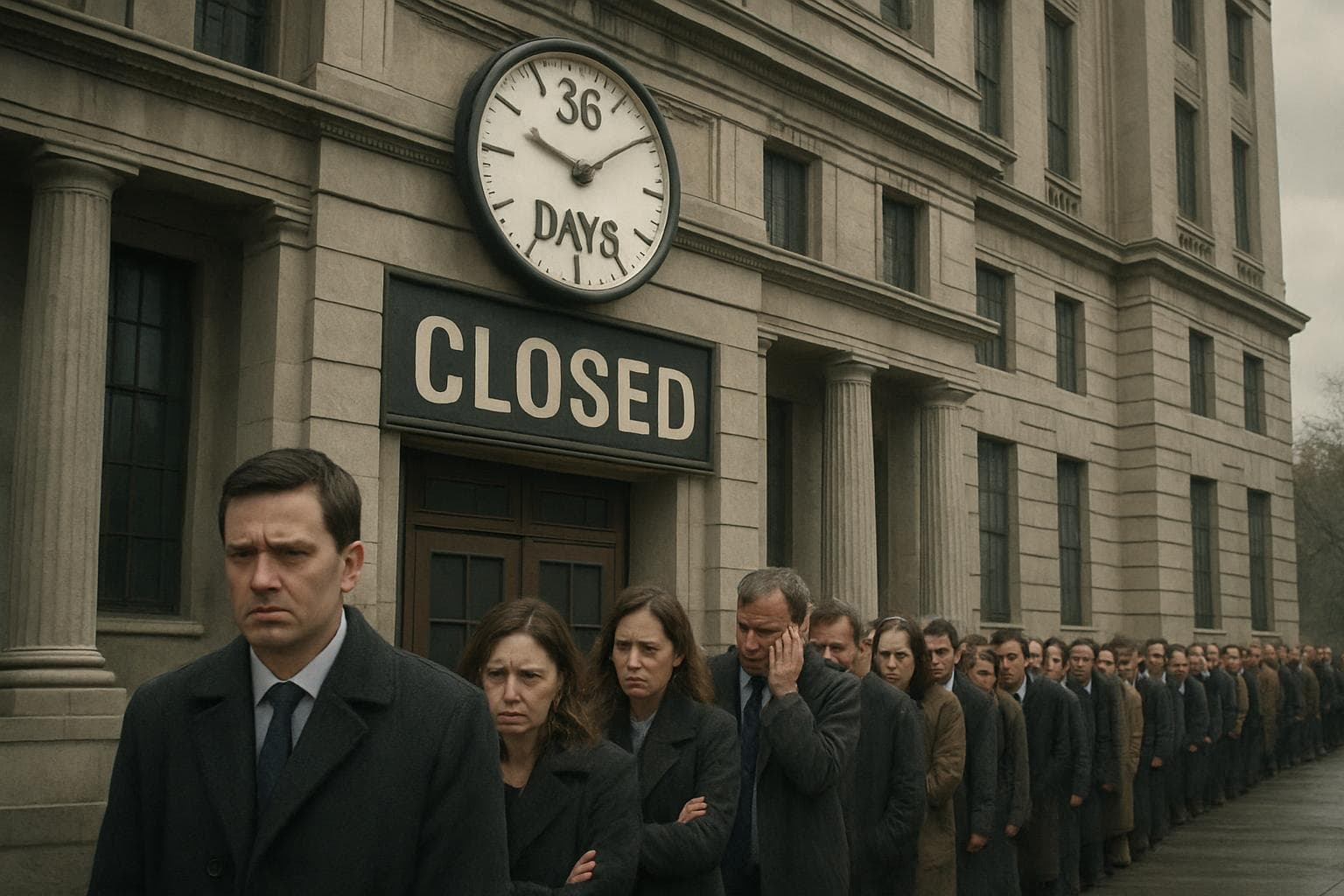
The United States government shutdown has entered its 36th day, marking the longest closure in the nation's history. The impasse, which began on October 1, has left federal departments shuttered and essential services disrupted, as Democrats and Republicans remain at odds over a funding bill.
Origins and Legislative Deadlock
The shutdown was triggered by a standoff in Congress, where Democratic senators have refused to support a government funding bill unless it includes an extension of Affordable Care Act (ACA) tax credits. These credits are crucial for lowering healthcare costs for millions of Americans, and their expiration at the end of 2025 could leave many without affordable insurance. Despite 14 attempts by Senate Majority Leader John Thune to pass the bill, it has repeatedly failed due to insufficient Democratic support.
Impact on Federal Workers and Services
The shutdown has resulted in approximately 700,000 federal workers being furloughed or working without pay. This has significantly affected air travel, with air traffic controllers continuing to work without compensation. Transportation Secretary Sean Duffy warned of potential airspace closures if the shutdown persists, citing the unsustainable strain on the workforce.
Economic and Social Consequences
The Congressional Budget Office has projected that the shutdown could cost the US economy up to $14 billion in GDP. Meanwhile, the Supplemental Nutrition Assistance Program (SNAP) has been partially funded following a court order, but the Trump administration has expressed reluctance to fully comply. Food banks across the country are reporting increased demand from unpaid federal workers, highlighting the broader social impact of the shutdown.
Political Reactions and Future Prospects
Former President Donald Trump has largely remained on the sidelines of negotiations, though he has called for an end to the Senate filibuster to expedite legislative processes. However, Senate Republicans have shown little interest in such a change. As the shutdown drags on, pressure mounts on both parties to find a resolution.
WHAT THIS MIGHT MEAN
The ongoing government shutdown poses significant risks to both the economy and public services. If the deadlock continues, the economic impact could deepen, further straining federal workers and essential services. Politically, the impasse highlights the challenges of bipartisan negotiations in a divided Congress. Experts suggest that a compromise may eventually emerge, but the path to resolution remains uncertain. As public pressure builds, both parties may be forced to reconsider their positions to avoid further economic and social fallout.
Related Articles
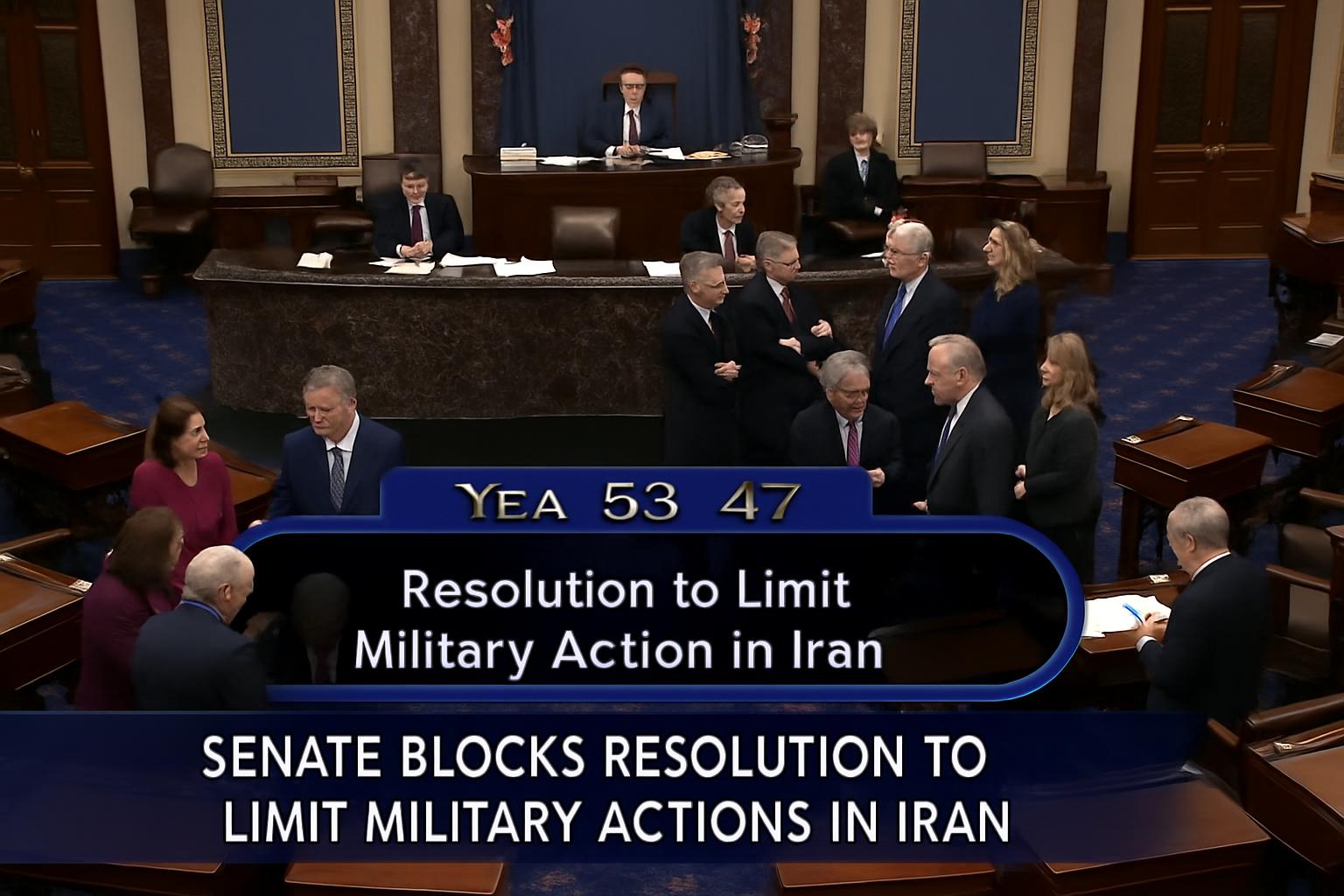
Senate Blocks Resolution to Limit Trump's Military Actions in Iran

Spain's Sánchez Stands Firm Against Trump's Trade Threat Over Iran Stance

Iran Postpones Khamenei Funeral Amid Escalating US-Israeli Strikes

Tech Giants Pledge to Cover AI Data Center Energy Costs Amid Rising Electricity Concerns
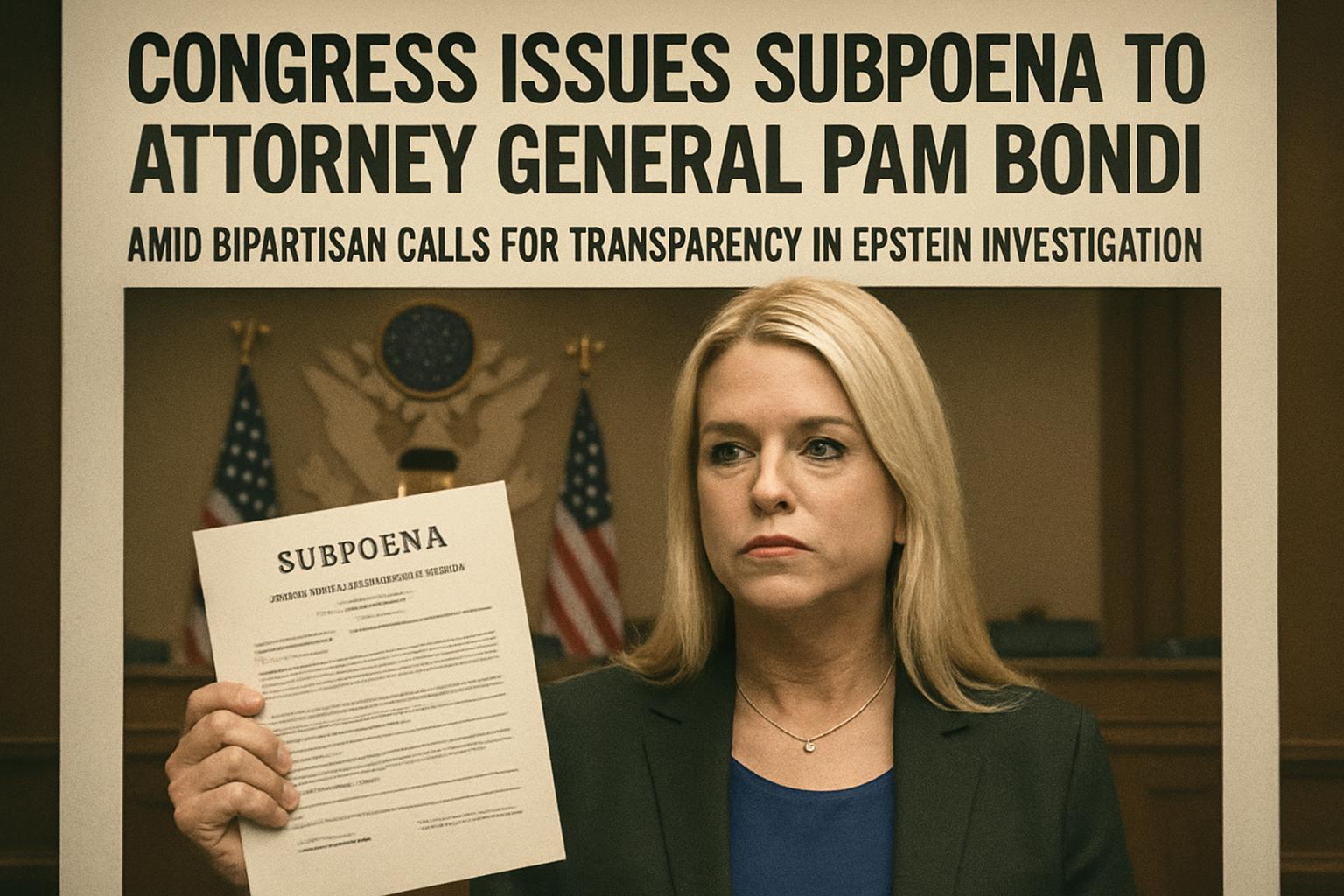
Congress Subpoenas Attorney General Bondi in Epstein Investigation
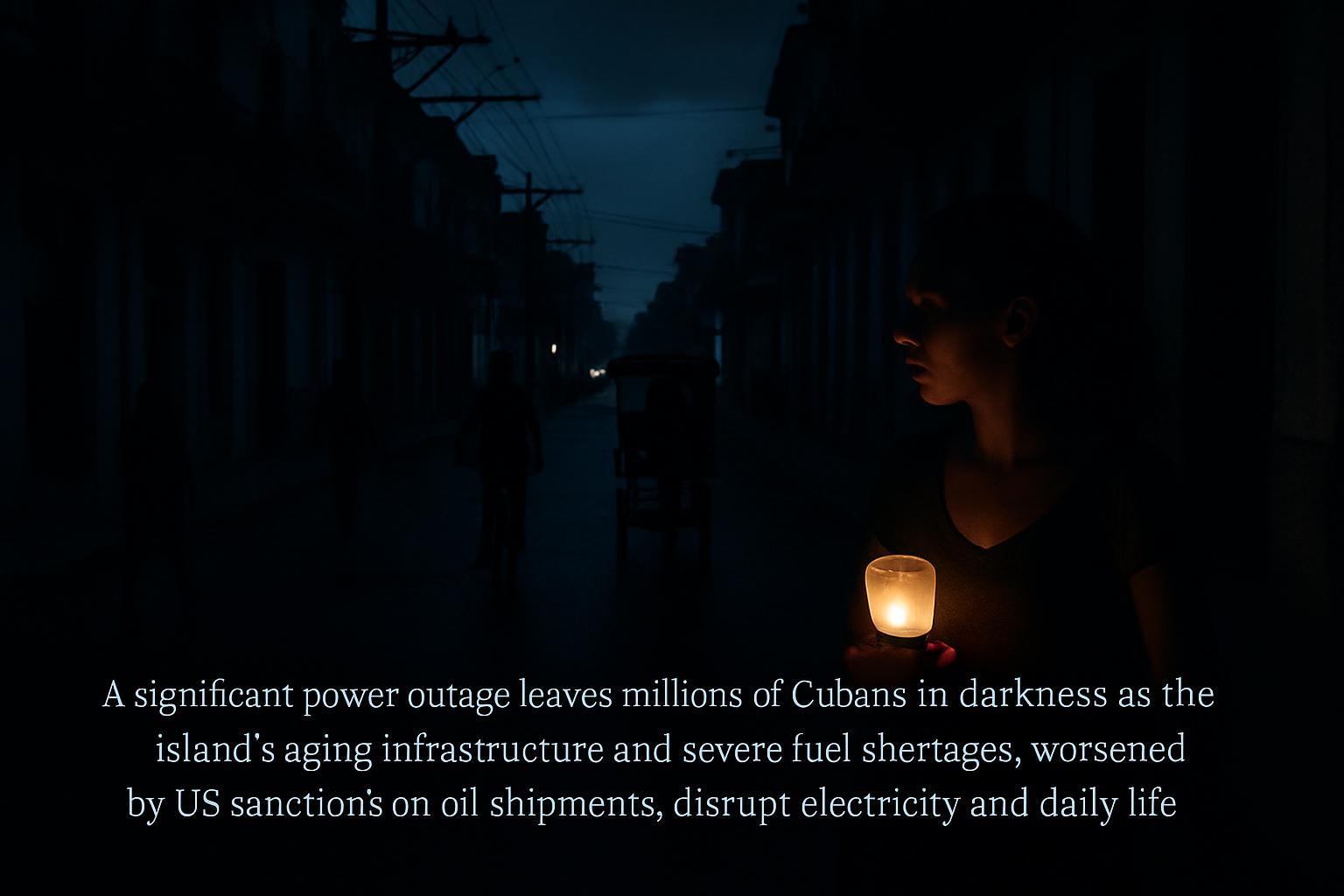
Cuba Faces Widespread Blackout Amid Deepening Fuel Crisis
US Government Shutdown Becomes Longest in History Amidst Stalemate
In This Article
 Ethan Brooks| Published
 HIGHLIGHTS
- The US government shutdown has reached 36 days, surpassing the previous record set during Donald Trump's presidency.
- The shutdown began on October 1 due to a deadlock over funding legislation, with Democrats demanding ACA tax credits be included.
- Approximately 700,000 federal workers are furloughed or working without pay, affecting essential services like air traffic control.
- The Congressional Budget Office estimates the shutdown could cost the economy up to $14 billion in GDP.
- SNAP benefits are partially distributed due to a court order, but the Trump administration has shown resistance to complying fully.
The United States government shutdown has entered its 36th day, marking the longest closure in the nation's history. The impasse, which began on October 1, has left federal departments shuttered and essential services disrupted, as Democrats and Republicans remain at odds over a funding bill.
Origins and Legislative Deadlock
The shutdown was triggered by a standoff in Congress, where Democratic senators have refused to support a government funding bill unless it includes an extension of Affordable Care Act (ACA) tax credits. These credits are crucial for lowering healthcare costs for millions of Americans, and their expiration at the end of 2025 could leave many without affordable insurance. Despite 14 attempts by Senate Majority Leader John Thune to pass the bill, it has repeatedly failed due to insufficient Democratic support.
Impact on Federal Workers and Services
The shutdown has resulted in approximately 700,000 federal workers being furloughed or working without pay. This has significantly affected air travel, with air traffic controllers continuing to work without compensation. Transportation Secretary Sean Duffy warned of potential airspace closures if the shutdown persists, citing the unsustainable strain on the workforce.
Economic and Social Consequences
The Congressional Budget Office has projected that the shutdown could cost the US economy up to $14 billion in GDP. Meanwhile, the Supplemental Nutrition Assistance Program (SNAP) has been partially funded following a court order, but the Trump administration has expressed reluctance to fully comply. Food banks across the country are reporting increased demand from unpaid federal workers, highlighting the broader social impact of the shutdown.
Political Reactions and Future Prospects
Former President Donald Trump has largely remained on the sidelines of negotiations, though he has called for an end to the Senate filibuster to expedite legislative processes. However, Senate Republicans have shown little interest in such a change. As the shutdown drags on, pressure mounts on both parties to find a resolution.
WHAT THIS MIGHT MEAN
The ongoing government shutdown poses significant risks to both the economy and public services. If the deadlock continues, the economic impact could deepen, further straining federal workers and essential services. Politically, the impasse highlights the challenges of bipartisan negotiations in a divided Congress. Experts suggest that a compromise may eventually emerge, but the path to resolution remains uncertain. As public pressure builds, both parties may be forced to reconsider their positions to avoid further economic and social fallout.
Related Articles
Senate Blocks Resolution to Limit Trump's Military Actions in Iran
Spain's Sánchez Stands Firm Against Trump's Trade Threat Over Iran Stance
Iran Postpones Khamenei Funeral Amid Escalating US-Israeli Strikes
Tech Giants Pledge to Cover AI Data Center Energy Costs Amid Rising Electricity Concerns
Congress Subpoenas Attorney General Bondi in Epstein Investigation
Cuba Faces Widespread Blackout Amid Deepening Fuel Crisis