
US Grants Hungary One-Year Sanctions Exemption on Russian Energy Imports
In This Article
HIGHLIGHTS
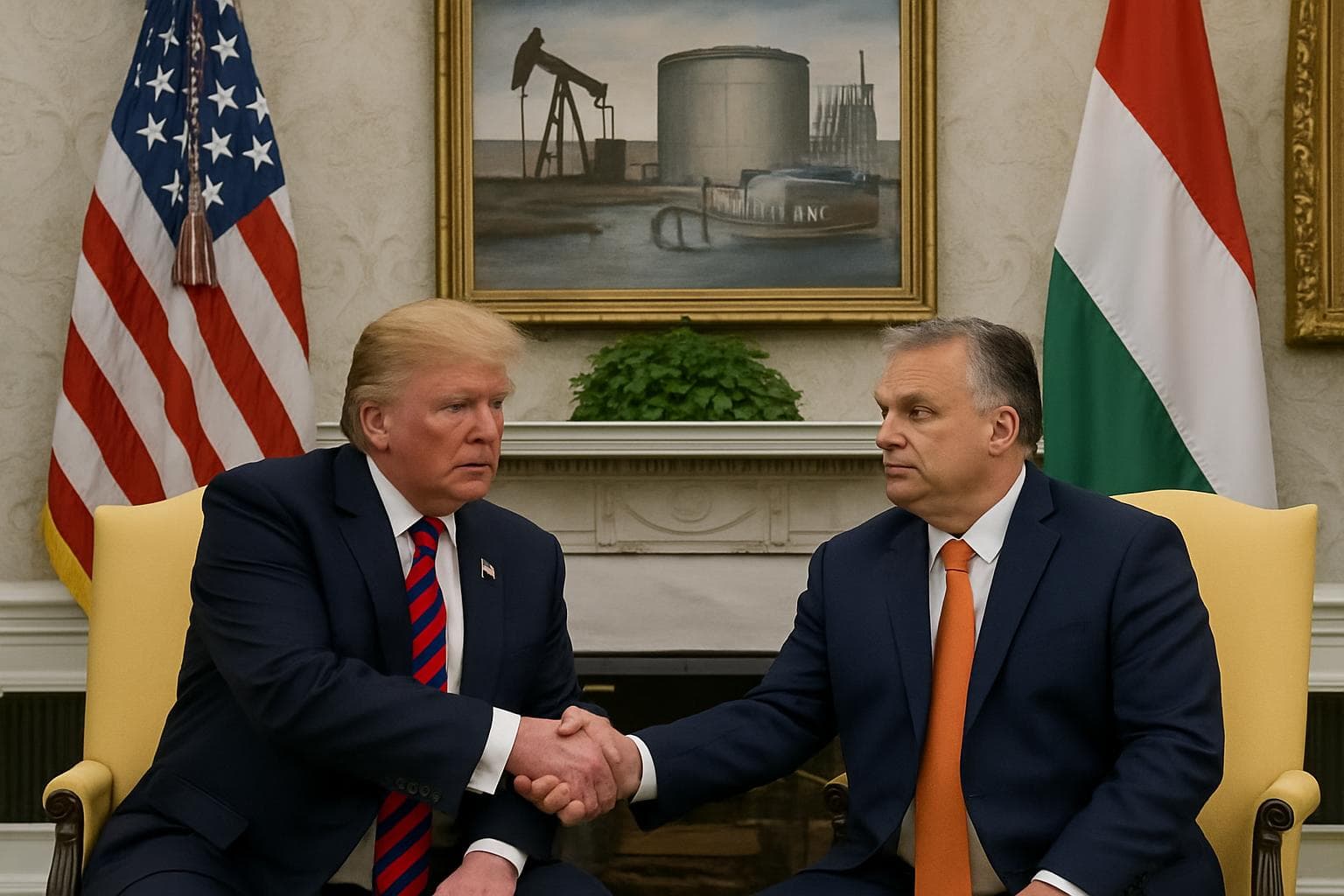
- The US has granted Hungary a one-year exemption from sanctions on Russian oil and gas, following a meeting between Donald Trump and Viktor Orbán.
- Hungary has agreed to purchase $600 million worth of US liquefied natural gas as part of the deal.
- Orbán's visit to the White House aimed to strengthen ties with Trump and secure political support ahead of Hungary's upcoming elections.
- Trump expressed sympathy for Hungary's energy challenges, citing its landlocked status and dependence on Russian resources.
- The exemption decision has sparked criticism from European nations wary of Hungary's close ties with Russia.
In a significant diplomatic move, the United States has granted Hungary a one-year exemption from sanctions on Russian oil and gas imports. This decision follows a meeting between US President Donald Trump and Hungarian Prime Minister Viktor Orbán at the White House. The exemption allows Hungary to continue its energy trade with Russia, despite recent US sanctions aimed at pressuring Moscow over its ongoing conflict with Ukraine.
Hungary's Energy Dependence
Hungary's reliance on Russian energy has been a contentious issue within the European Union. The country sources 74% of its gas and 86% of its oil from Russia, making it heavily dependent on these imports. Orbán, a long-time ally of Trump, argued that cutting off Russian energy would severely impact Hungary's economy. During the meeting, Trump acknowledged Hungary's unique logistical challenges as a landlocked nation, lacking access to alternative energy sources.
Economic and Political Implications
As part of the exemption agreement, Hungary has committed to purchasing $600 million worth of US liquefied natural gas. This move is seen as an effort to balance Hungary's energy portfolio while maintaining its ties with the US. The meeting also served as a platform for Orbán to bolster his political standing ahead of Hungary's elections, with Trump praising Orbán's leadership and hardline stance on immigration.
European Reactions and Criticism
The decision to grant Hungary an exemption has drawn criticism from several European nations, who view Hungary's close relationship with Russia with suspicion. Critics argue that Orbán's policies undermine EU efforts to present a united front against Russian aggression. Despite this, Orbán has defended his country's energy strategy, emphasizing the practical realities of Hungary's geographical and economic situation.
WHAT THIS MIGHT MEAN
The US decision to exempt Hungary from Russian energy sanctions could have broader implications for US-European relations. While it strengthens bilateral ties between the US and Hungary, it may strain relations with other EU countries that oppose Hungary's pro-Russian stance. Moving forward, Orbán's ability to navigate these complex dynamics will be crucial, especially as he faces domestic political challenges. The exemption also raises questions about the consistency of US foreign policy towards Russia, potentially impacting future diplomatic engagements in the region.
Related Articles
Spain's Sánchez Stands Firm Against Trump's Trade Threat Over Iran Stance
Russian LNG Tanker Sinks in Mediterranean Amid Accusations of Ukrainian Drone Attack
Senate Blocks Resolution to Limit Trump's Military Actions in Iran

Iran Postpones Khamenei Funeral Amid Escalating US-Israeli Strikes

Tech Giants Pledge to Cover AI Data Center Energy Costs Amid Rising Electricity Concerns

Congress Subpoenas Attorney General Bondi in Epstein Investigation
US Grants Hungary One-Year Sanctions Exemption on Russian Energy Imports
In This Article
 Ethan Brooks| Published
 HIGHLIGHTS
- The US has granted Hungary a one-year exemption from sanctions on Russian oil and gas, following a meeting between Donald Trump and Viktor Orbán.
- Hungary has agreed to purchase $600 million worth of US liquefied natural gas as part of the deal.
- Orbán's visit to the White House aimed to strengthen ties with Trump and secure political support ahead of Hungary's upcoming elections.
- Trump expressed sympathy for Hungary's energy challenges, citing its landlocked status and dependence on Russian resources.
- The exemption decision has sparked criticism from European nations wary of Hungary's close ties with Russia.
In a significant diplomatic move, the United States has granted Hungary a one-year exemption from sanctions on Russian oil and gas imports. This decision follows a meeting between US President Donald Trump and Hungarian Prime Minister Viktor Orbán at the White House. The exemption allows Hungary to continue its energy trade with Russia, despite recent US sanctions aimed at pressuring Moscow over its ongoing conflict with Ukraine.
Hungary's Energy Dependence
Hungary's reliance on Russian energy has been a contentious issue within the European Union. The country sources 74% of its gas and 86% of its oil from Russia, making it heavily dependent on these imports. Orbán, a long-time ally of Trump, argued that cutting off Russian energy would severely impact Hungary's economy. During the meeting, Trump acknowledged Hungary's unique logistical challenges as a landlocked nation, lacking access to alternative energy sources.
Economic and Political Implications
As part of the exemption agreement, Hungary has committed to purchasing $600 million worth of US liquefied natural gas. This move is seen as an effort to balance Hungary's energy portfolio while maintaining its ties with the US. The meeting also served as a platform for Orbán to bolster his political standing ahead of Hungary's elections, with Trump praising Orbán's leadership and hardline stance on immigration.
European Reactions and Criticism
The decision to grant Hungary an exemption has drawn criticism from several European nations, who view Hungary's close relationship with Russia with suspicion. Critics argue that Orbán's policies undermine EU efforts to present a united front against Russian aggression. Despite this, Orbán has defended his country's energy strategy, emphasizing the practical realities of Hungary's geographical and economic situation.
WHAT THIS MIGHT MEAN
The US decision to exempt Hungary from Russian energy sanctions could have broader implications for US-European relations. While it strengthens bilateral ties between the US and Hungary, it may strain relations with other EU countries that oppose Hungary's pro-Russian stance. Moving forward, Orbán's ability to navigate these complex dynamics will be crucial, especially as he faces domestic political challenges. The exemption also raises questions about the consistency of US foreign policy towards Russia, potentially impacting future diplomatic engagements in the region.
Related Articles
Spain's Sánchez Stands Firm Against Trump's Trade Threat Over Iran Stance
Russian LNG Tanker Sinks in Mediterranean Amid Accusations of Ukrainian Drone Attack
Senate Blocks Resolution to Limit Trump's Military Actions in Iran
Iran Postpones Khamenei Funeral Amid Escalating US-Israeli Strikes
Tech Giants Pledge to Cover AI Data Center Energy Costs Amid Rising Electricity Concerns
Congress Subpoenas Attorney General Bondi in Epstein Investigation