
US Inflation Eases Unexpectedly Amid Economic Uncertainty
In This Article
HIGHLIGHTS
- US inflation eased to 2.7% in November, down from 3% in September, surprising analysts and potentially influencing Federal Reserve interest rate decisions.
- The US government shutdown delayed the release of the consumer price index (CPI) report, complicating the analysis of inflation trends.
- President Trump claimed prices were falling rapidly, despite data showing persistent inflation above the 2% target.
- The unemployment rate rose to 4.6% in November, with job growth exceeding expectations after a significant loss in October.
- Analysts attribute price pressures to Trump's tariffs, despite some exemptions, and ongoing concerns about affordability remain.
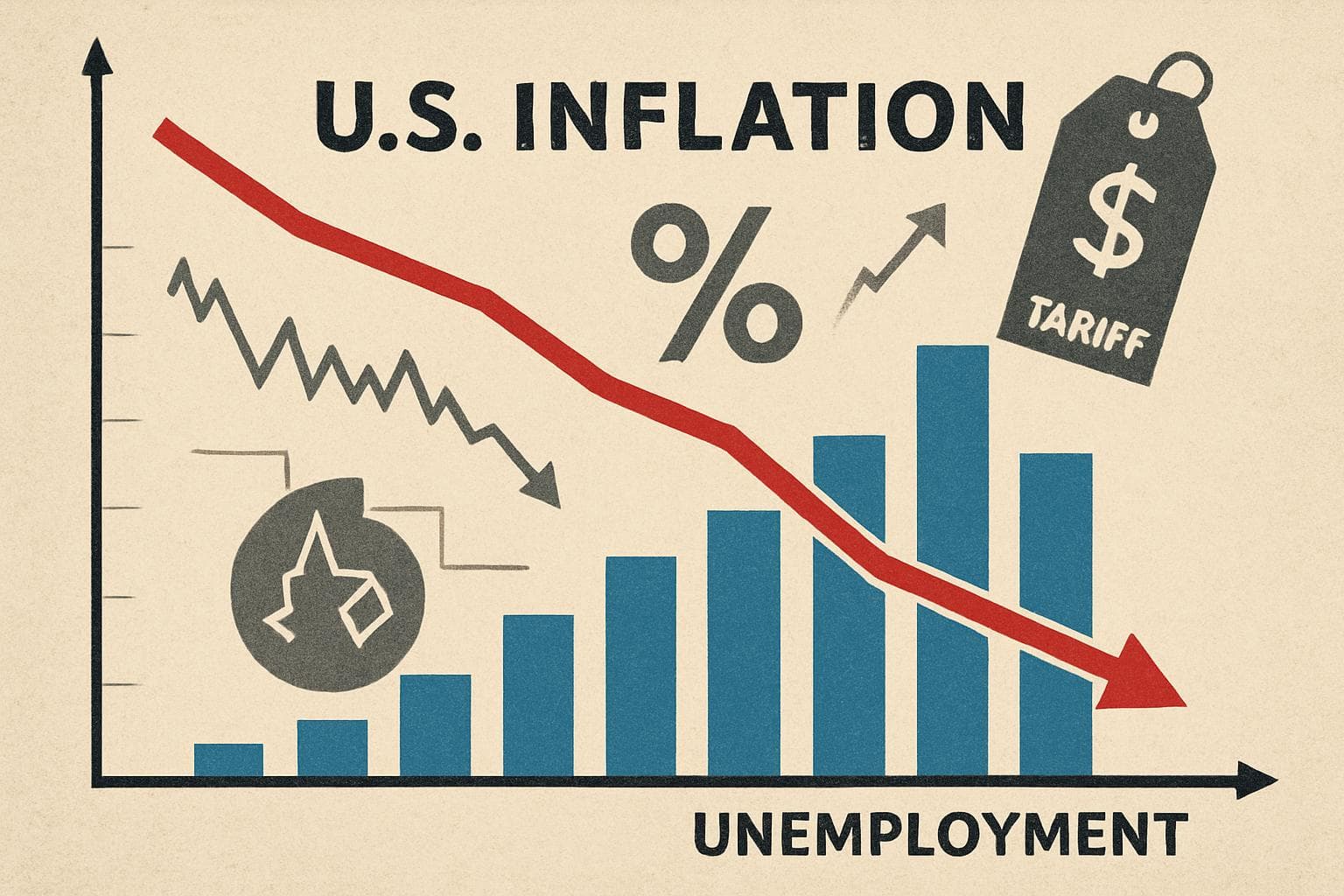
Inflation in the United States showed signs of easing in November, with the consumer price index (CPI) rising by 2.7% over the past year, a decrease from September's 3% rate. This unexpected slowdown, reported by the Labor Department, has sparked discussions about potential Federal Reserve interest rate cuts. Analysts had anticipated a 3.1% rise, making the latest figures a surprise that could influence monetary policy decisions.
Impact of Government Shutdown
The release of the CPI report was delayed due to the longest federal government shutdown in US history, which also hindered data collection. This disruption has made it challenging for economists to draw definitive conclusions about inflation trends. Art Hogan, chief market strategist at B. Riley Wealth, noted that while the report is positive, it comes with uncertainties due to the lack of October data.
Presidential Claims and Economic Realities
In a recent address, President Donald Trump asserted that prices were falling rapidly under his administration, a claim contradicted by the latest data. Despite Trump's assurances, inflation remains above the Federal Reserve's 2% target. The White House has attributed price increases to the previous administration, while economists point to Trump's tariffs as a significant factor in rising costs.
Employment and Economic Concerns
The US unemployment rate climbed to 4.6% in November, the highest in four years, despite the addition of 64,000 jobs. This followed a loss of 105,000 jobs in October, highlighting ongoing economic challenges. The rise in both prices and unemployment presents a complex scenario for the Federal Reserve as it navigates interest rate decisions.
Tariffs and Consumer Impact
Trump's tariffs have been widely criticized for contributing to price increases, despite exemptions for certain imports like coffee and bananas. The Yale Budget Lab estimates that these tariffs could raise costs by $1,700 for the average American household. Public sentiment reflects growing frustration, with polls indicating a decline in Trump's approval ratings on economic issues.
WHAT THIS MIGHT MEAN
Looking ahead, the Federal Reserve faces a delicate balancing act. While the recent easing of inflation might support further interest rate cuts, the persistent rise in unemployment complicates the decision-making process. Economists warn that ongoing tariffs could continue to exert upward pressure on prices, challenging efforts to stabilize the economy.
Politically, President Trump may face increasing scrutiny over his economic policies, particularly as public dissatisfaction with rising costs grows. As the 2024 election approaches, economic performance will likely remain a pivotal issue, influencing both voter sentiment and policy decisions.
Experts suggest that the interplay between inflation, employment, and tariffs will be critical in shaping the US economic landscape in the coming months. The Federal Reserve's actions, coupled with potential policy shifts from the White House, will be closely watched as indicators of the nation's economic trajectory.
Related Articles

Spain's Sánchez Stands Firm Against Trump's Trade Threat Over Iran Stance

Senate Blocks Resolution to Limit Trump's Military Actions in Iran

Iran Postpones Khamenei Funeral Amid Escalating US-Israeli Strikes

Tech Giants Pledge to Cover AI Data Center Energy Costs Amid Rising Electricity Concerns
Congress Subpoenas Attorney General Bondi in Epstein Investigation

Cuba Faces Widespread Blackout Amid Deepening Fuel Crisis
US Inflation Eases Unexpectedly Amid Economic Uncertainty
In This Article
 Ethan Brooks| Published
 HIGHLIGHTS
- US inflation eased to 2.7% in November, down from 3% in September, surprising analysts and potentially influencing Federal Reserve interest rate decisions.
- The US government shutdown delayed the release of the consumer price index (CPI) report, complicating the analysis of inflation trends.
- President Trump claimed prices were falling rapidly, despite data showing persistent inflation above the 2% target.
- The unemployment rate rose to 4.6% in November, with job growth exceeding expectations after a significant loss in October.
- Analysts attribute price pressures to Trump's tariffs, despite some exemptions, and ongoing concerns about affordability remain.
Inflation in the United States showed signs of easing in November, with the consumer price index (CPI) rising by 2.7% over the past year, a decrease from September's 3% rate. This unexpected slowdown, reported by the Labor Department, has sparked discussions about potential Federal Reserve interest rate cuts. Analysts had anticipated a 3.1% rise, making the latest figures a surprise that could influence monetary policy decisions.
Impact of Government Shutdown
The release of the CPI report was delayed due to the longest federal government shutdown in US history, which also hindered data collection. This disruption has made it challenging for economists to draw definitive conclusions about inflation trends. Art Hogan, chief market strategist at B. Riley Wealth, noted that while the report is positive, it comes with uncertainties due to the lack of October data.
Presidential Claims and Economic Realities
In a recent address, President Donald Trump asserted that prices were falling rapidly under his administration, a claim contradicted by the latest data. Despite Trump's assurances, inflation remains above the Federal Reserve's 2% target. The White House has attributed price increases to the previous administration, while economists point to Trump's tariffs as a significant factor in rising costs.
Employment and Economic Concerns
The US unemployment rate climbed to 4.6% in November, the highest in four years, despite the addition of 64,000 jobs. This followed a loss of 105,000 jobs in October, highlighting ongoing economic challenges. The rise in both prices and unemployment presents a complex scenario for the Federal Reserve as it navigates interest rate decisions.
Tariffs and Consumer Impact
Trump's tariffs have been widely criticized for contributing to price increases, despite exemptions for certain imports like coffee and bananas. The Yale Budget Lab estimates that these tariffs could raise costs by $1,700 for the average American household. Public sentiment reflects growing frustration, with polls indicating a decline in Trump's approval ratings on economic issues.
WHAT THIS MIGHT MEAN
Looking ahead, the Federal Reserve faces a delicate balancing act. While the recent easing of inflation might support further interest rate cuts, the persistent rise in unemployment complicates the decision-making process. Economists warn that ongoing tariffs could continue to exert upward pressure on prices, challenging efforts to stabilize the economy.
Politically, President Trump may face increasing scrutiny over his economic policies, particularly as public dissatisfaction with rising costs grows. As the 2024 election approaches, economic performance will likely remain a pivotal issue, influencing both voter sentiment and policy decisions.
Experts suggest that the interplay between inflation, employment, and tariffs will be critical in shaping the US economic landscape in the coming months. The Federal Reserve's actions, coupled with potential policy shifts from the White House, will be closely watched as indicators of the nation's economic trajectory.
Related Articles
Spain's Sánchez Stands Firm Against Trump's Trade Threat Over Iran Stance
Senate Blocks Resolution to Limit Trump's Military Actions in Iran
Iran Postpones Khamenei Funeral Amid Escalating US-Israeli Strikes
Tech Giants Pledge to Cover AI Data Center Energy Costs Amid Rising Electricity Concerns
Congress Subpoenas Attorney General Bondi in Epstein Investigation
Cuba Faces Widespread Blackout Amid Deepening Fuel Crisis