
US Intervention in Venezuela Sparks Mixed Reactions and Political Debate
In This Article
HIGHLIGHTS
- The US has initiated an operation to capture Venezuelan leader Nicolás Maduro, with Trump stating the US will "run" Venezuela.
- Trump supporters in Florida view the operation as a strategic move, contrasting it with past prolonged US military engagements.
- House Speaker Mike Johnson clarified that the US is "not at war" in Venezuela, emphasizing no military occupation is planned.
- Critics, including some Republicans and Democrats, express concerns over the legality and potential consequences of the intervention.
- The Trump administration aims to leverage Venezuela's oil resources and pressure the socialist government to change.
The recent US-led operation to capture Venezuelan leader Nicolás Maduro has ignited a complex political debate, with President Donald Trump asserting that the United States will now "run" the country. This move has drawn both support and criticism, highlighting the intricate dynamics of US foreign policy under the Trump administration.
Support and Skepticism in Florida
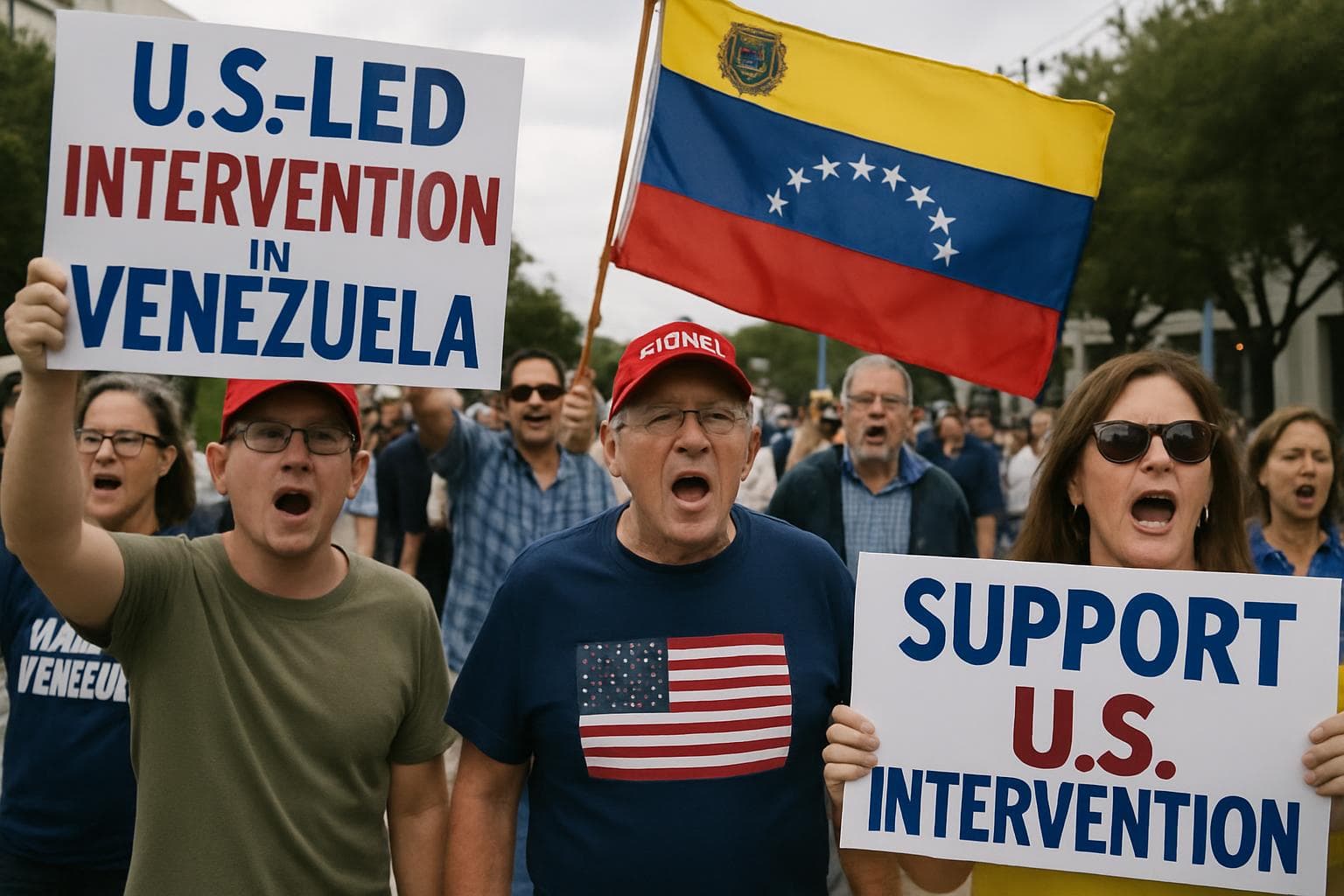
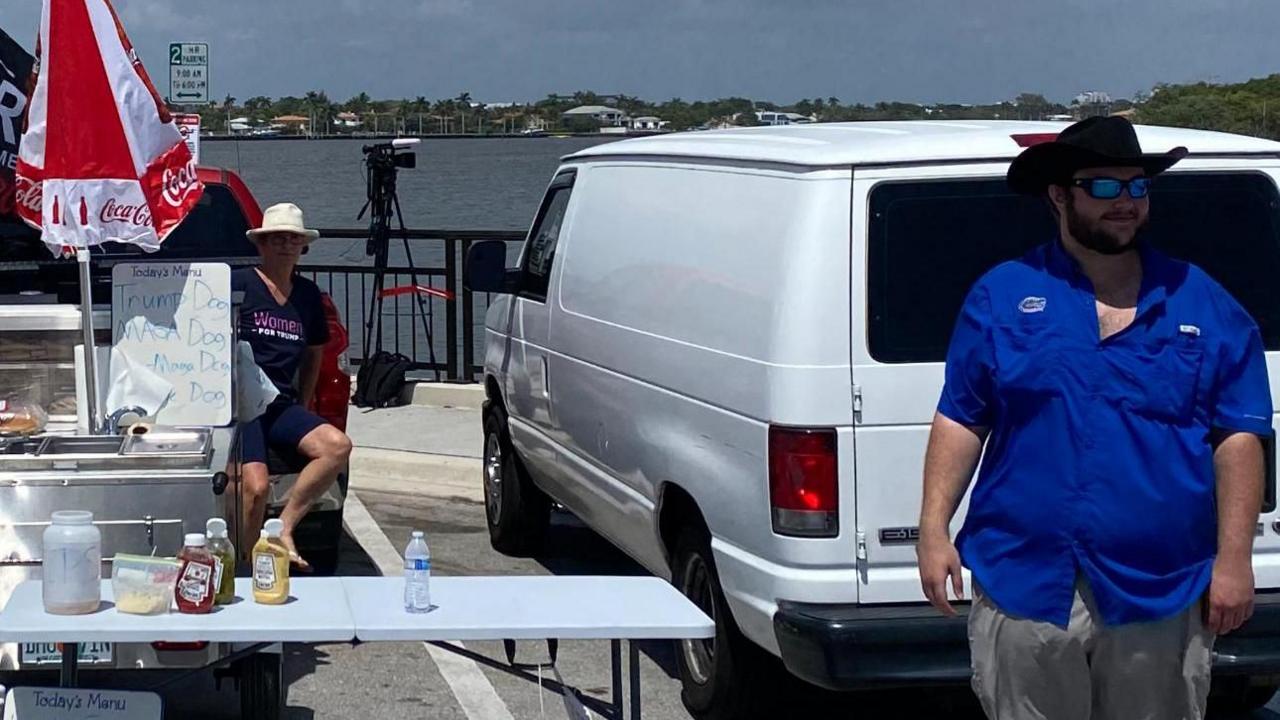
In Florida, a state with a significant Venezuelan community, reactions are mixed. Dirk Frazier, a Trump supporter, sees the operation as a decisive action that contrasts with the prolonged conflicts in Iraq and Afghanistan. "Venezuela is closer to home," he remarked, emphasizing the strategic nature of the intervention. Vianca Rodriguez, another supporter, believes the move could encourage Venezuelan migrants to return home, aligning with Trump's broader agenda to curb illegal immigration.
Official Stance: Not at War
Despite the bold move, House Speaker Mike Johnson assured that the US is "not at war" in Venezuela. Following a briefing with top officials, including Secretary of State Marco Rubio, Johnson emphasized that there are no plans for military occupation. "This is not a regime change," he stated, describing it as a demand for behavioral change by the Venezuelan government.
Criticism and Concerns
The operation has not been without its detractors. Some Republicans, like Marjorie Taylor Greene, have voiced concerns, while Democrats, led by Senate Minority Leader Chuck Schumer, warn of potential entanglement in a new conflict. Schumer criticized the administration's plan as vague and based on wishful thinking, fearing it could lead to further interventions in other countries.
Strategic Interests and Future Implications
The Trump administration's strategy appears to focus on leveraging Venezuela's vast oil reserves. By choking the country's oil production, they aim to pressure the socialist government into holding new elections. However, the legality of the operation, conducted without Congressional approval, remains a contentious issue.
WHAT THIS MIGHT MEAN
The US intervention in Venezuela could have significant geopolitical implications. If successful, it might strengthen US influence in the region and deter other leftist governments. However, the lack of a clear post-intervention plan raises concerns about potential instability and long-term US involvement. Experts warn that without careful management, the situation could escalate, drawing the US into another prolonged foreign entanglement. As the interim government takes shape, the international community will be watching closely to see if Venezuela can transition to a more stable and democratic governance.
Images from the Web
Related Articles
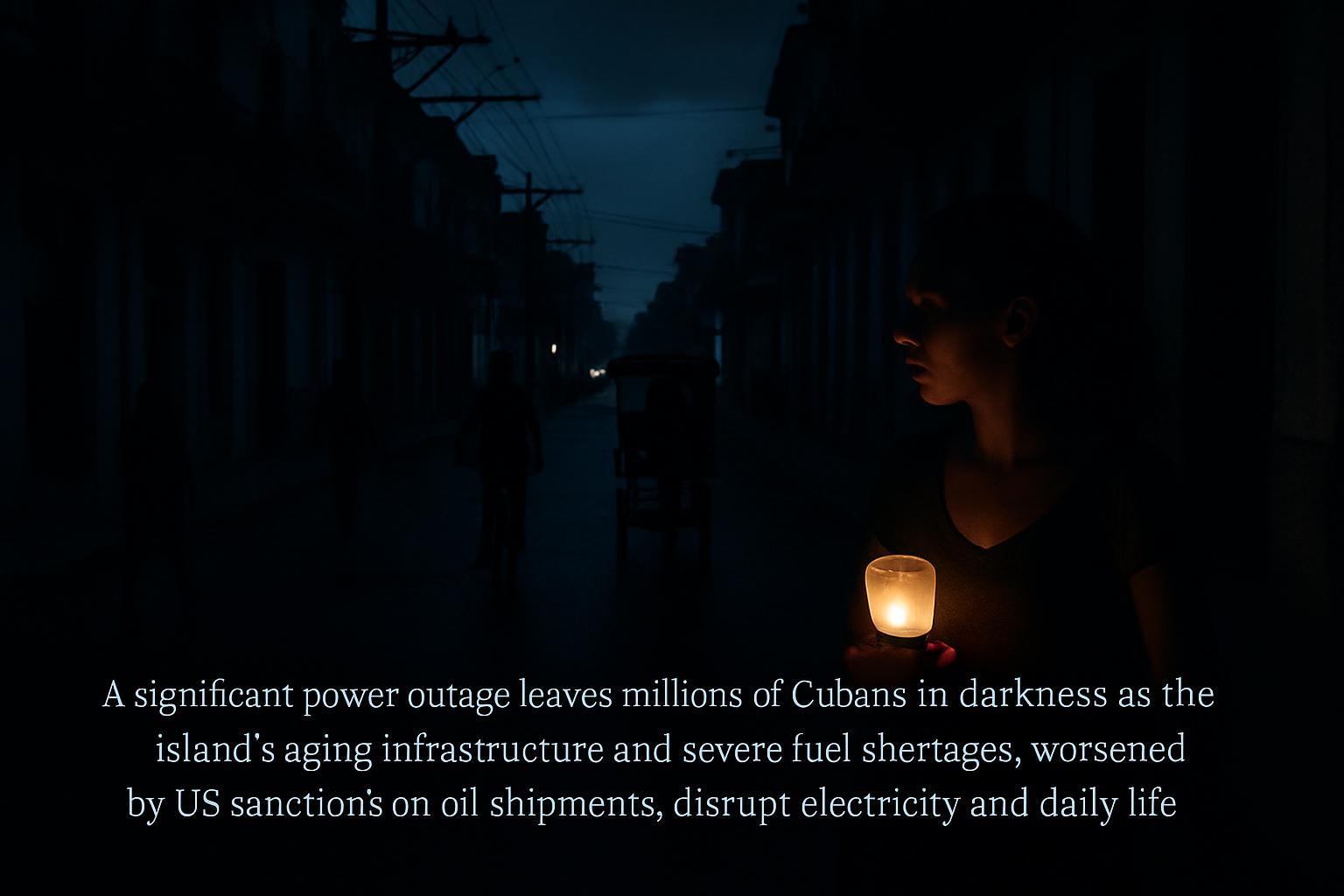
Cuba Faces Widespread Blackout Amid Deepening Fuel Crisis
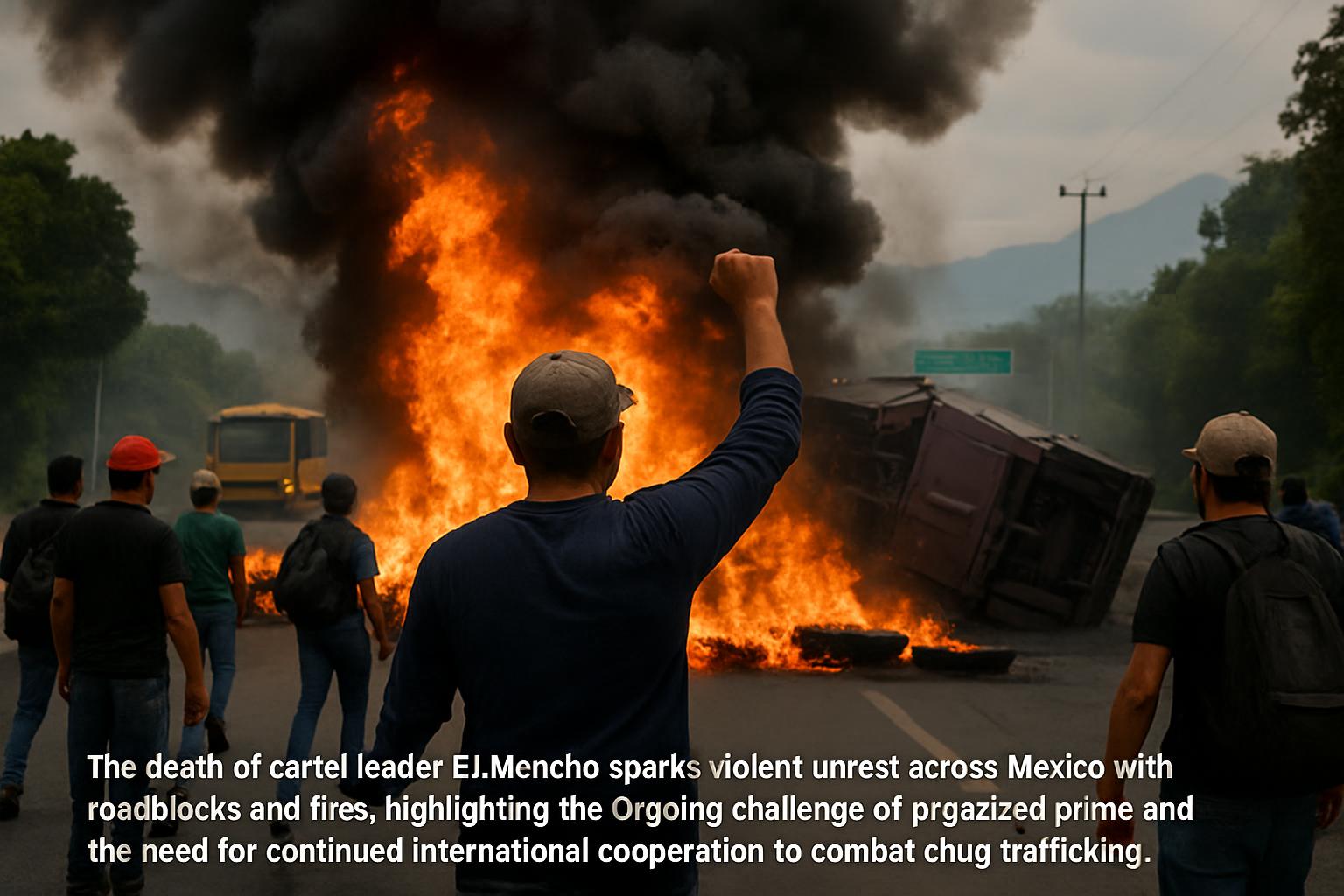
El Mencho's Death Sparks Violent Unrest Across Mexico

UK Faces Dilemmas Amid Iran Conflict and China Spying Allegations

Google Faces Legal Battle Over AI Chatbot's Alleged Role in Tragic Death
Senate Blocks Resolution to Limit Trump's Military Actions in Iran
Spain's Sánchez Stands Firm Against Trump's Trade Threat Over Iran Stance
US Intervention in Venezuela Sparks Mixed Reactions and Political Debate
In This Article
HIGHLIGHTS
- The US has initiated an operation to capture Venezuelan leader Nicolás Maduro, with Trump stating the US will "run" Venezuela.
- Trump supporters in Florida view the operation as a strategic move, contrasting it with past prolonged US military engagements.
- House Speaker Mike Johnson clarified that the US is "not at war" in Venezuela, emphasizing no military occupation is planned.
- Critics, including some Republicans and Democrats, express concerns over the legality and potential consequences of the intervention.
- The Trump administration aims to leverage Venezuela's oil resources and pressure the socialist government to change.
The recent US-led operation to capture Venezuelan leader Nicolás Maduro has ignited a complex political debate, with President Donald Trump asserting that the United States will now "run" the country. This move has drawn both support and criticism, highlighting the intricate dynamics of US foreign policy under the Trump administration.
Support and Skepticism in Florida
In Florida, a state with a significant Venezuelan community, reactions are mixed. Dirk Frazier, a Trump supporter, sees the operation as a decisive action that contrasts with the prolonged conflicts in Iraq and Afghanistan. "Venezuela is closer to home," he remarked, emphasizing the strategic nature of the intervention. Vianca Rodriguez, another supporter, believes the move could encourage Venezuelan migrants to return home, aligning with Trump's broader agenda to curb illegal immigration.
Official Stance: Not at War
Despite the bold move, House Speaker Mike Johnson assured that the US is "not at war" in Venezuela. Following a briefing with top officials, including Secretary of State Marco Rubio, Johnson emphasized that there are no plans for military occupation. "This is not a regime change," he stated, describing it as a demand for behavioral change by the Venezuelan government.
Criticism and Concerns
The operation has not been without its detractors. Some Republicans, like Marjorie Taylor Greene, have voiced concerns, while Democrats, led by Senate Minority Leader Chuck Schumer, warn of potential entanglement in a new conflict. Schumer criticized the administration's plan as vague and based on wishful thinking, fearing it could lead to further interventions in other countries.
Strategic Interests and Future Implications
The Trump administration's strategy appears to focus on leveraging Venezuela's vast oil reserves. By choking the country's oil production, they aim to pressure the socialist government into holding new elections. However, the legality of the operation, conducted without Congressional approval, remains a contentious issue.
WHAT THIS MIGHT MEAN
The US intervention in Venezuela could have significant geopolitical implications. If successful, it might strengthen US influence in the region and deter other leftist governments. However, the lack of a clear post-intervention plan raises concerns about potential instability and long-term US involvement. Experts warn that without careful management, the situation could escalate, drawing the US into another prolonged foreign entanglement. As the interim government takes shape, the international community will be watching closely to see if Venezuela can transition to a more stable and democratic governance.
Images from the Web
Related Articles
Cuba Faces Widespread Blackout Amid Deepening Fuel Crisis
El Mencho's Death Sparks Violent Unrest Across Mexico
UK Faces Dilemmas Amid Iran Conflict and China Spying Allegations
Google Faces Legal Battle Over AI Chatbot's Alleged Role in Tragic Death
Senate Blocks Resolution to Limit Trump's Military Actions in Iran
Spain's Sánchez Stands Firm Against Trump's Trade Threat Over Iran Stance