
US Involvement in Israeli Strikes Could Escalate Middle East Tensions, Warns Iran
In This Article
HIGHLIGHTS
- Iran warns US involvement in Israeli strikes could destabilize the region, calling it "not America's war."
- Israeli military actions have targeted Iranian nuclear sites, escalating tensions and resulting in significant casualties.
- The US has set a two-week deadline to decide on joining the conflict, leaving room for diplomatic solutions.
- Iran insists its nuclear program is peaceful, while Israel accuses it of weaponizing uranium.
- Diplomatic efforts continue, with European foreign ministers meeting Iranian officials to revive nuclear talks.
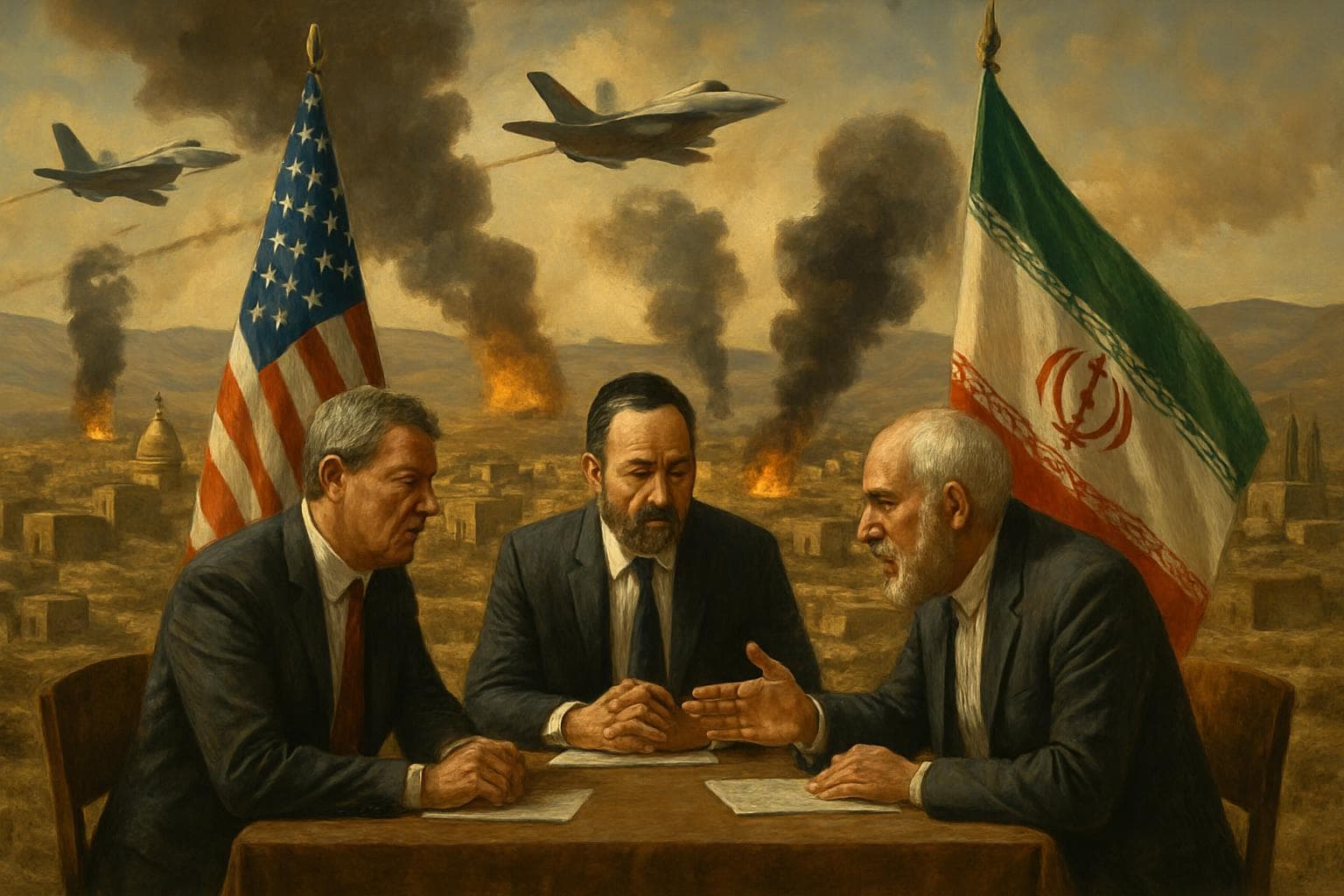
Iran has issued a stark warning against US involvement in the ongoing conflict between Israel and Iran, suggesting that such actions could lead to widespread instability across the Middle East. Saeed Khatibzadeh, Iran's deputy foreign minister, emphasized that this is "not America's war" and cautioned that US President Donald Trump could be remembered for entering an unnecessary conflict.
Rising Tensions and Military Strikes
The conflict has seen significant military actions, with Israel targeting Iranian nuclear sites, including the Arak heavy water reactor and the Natanz facility. These strikes have resulted in numerous casualties, with reports indicating at least 657 deaths and over 2,000 injuries in Iran. Meanwhile, Iranian missile attacks have injured 240 people in Israel, including a strike near Soroka Medical Centre.
Diplomatic Efforts Amidst Conflict
Despite the escalating violence, diplomatic channels remain open. The White House has announced a two-week period to decide on US involvement, allowing time for potential negotiations. European foreign ministers are set to meet with Iranian officials in Geneva, aiming to revive discussions on Iran's nuclear program. Iran's Foreign Minister Abbas Araqchi has indicated that talks will not resume unless Israeli attacks cease.
Accusations and Defense
Israel has accused Iran of advancing its nuclear capabilities for military purposes, a claim Tehran denies, asserting its program is peaceful. The conflict has further strained relations, with Israel's defense minister advocating for regime change in Iran, citing threats from Iran's supreme leader.
WHAT THIS MIGHT MEAN
The next two weeks are critical as the US deliberates its role in the conflict. A decision to join could further escalate tensions, potentially drawing in other regional powers and complicating diplomatic efforts. Conversely, a diplomatic resolution could stabilize the region, though it requires significant concessions from both sides. Experts suggest that continued dialogue, particularly involving European intermediaries, could pave the way for a peaceful resolution, though the path remains fraught with challenges.
Related Articles
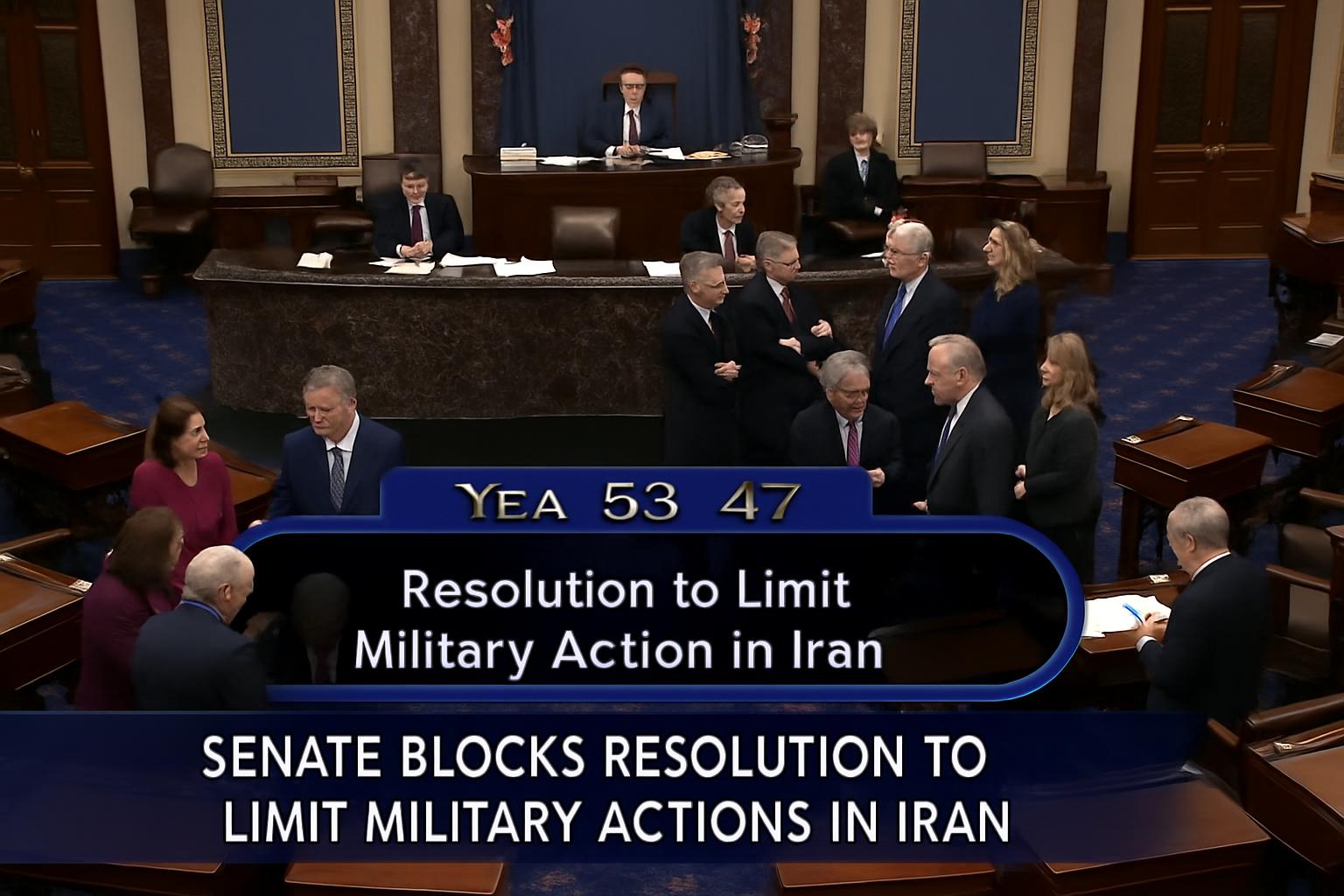
Senate Blocks Resolution to Limit Trump's Military Actions in Iran
Spain's Sánchez Stands Firm Against Trump's Trade Threat Over Iran Stance
Iran Postpones Khamenei Funeral Amid Escalating US-Israeli Strikes

UK Faces Dilemmas Amid Iran Conflict and China Spying Allegations
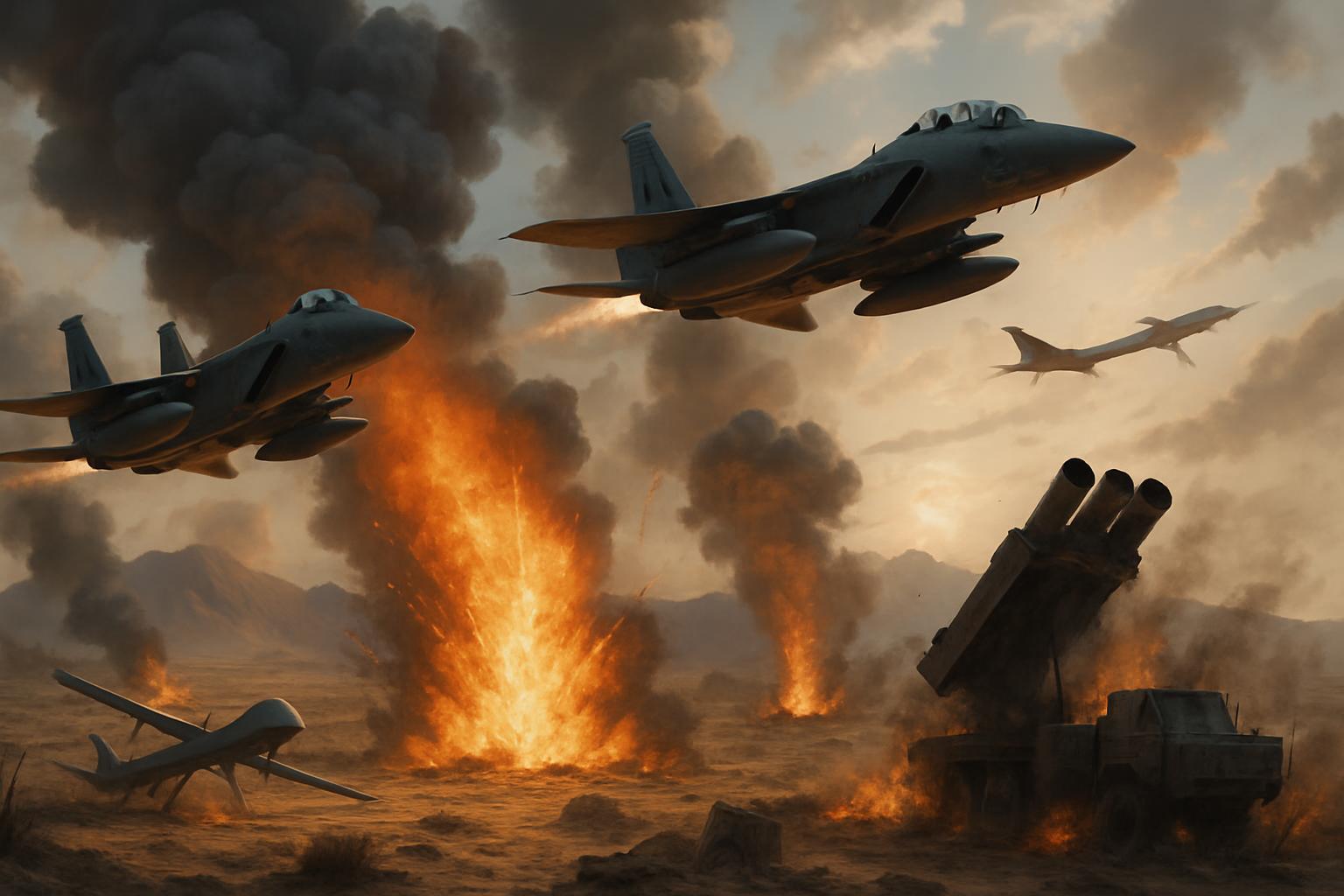
US and Israel Intensify Military Campaign as Iran's Capabilities Dwindle
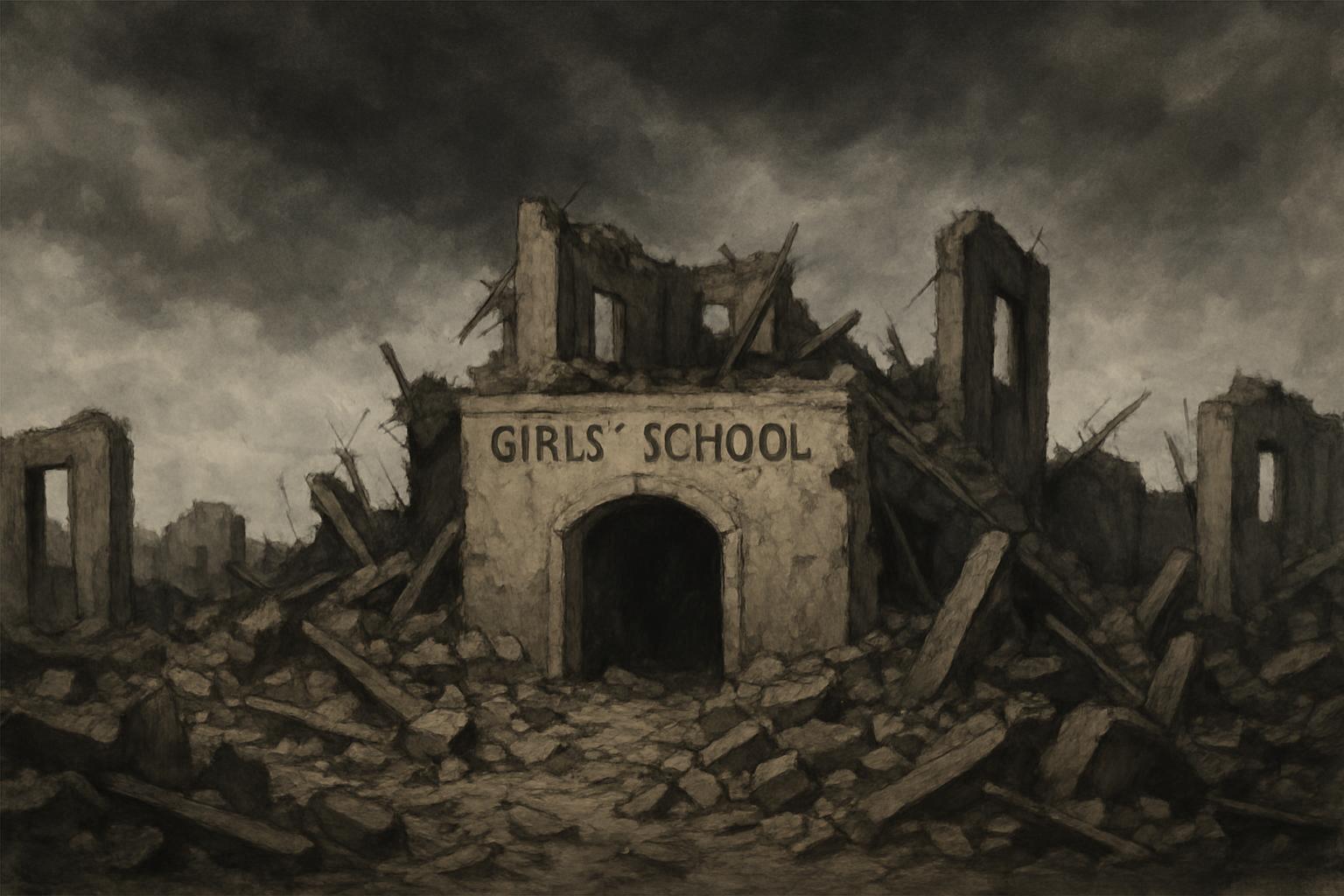
Intensified US-Israel Strikes on Iran Spark Global Outcry
US Involvement in Israeli Strikes Could Escalate Middle East Tensions, Warns Iran
In This Article
 Ethan Brooks| Published
 HIGHLIGHTS
- Iran warns US involvement in Israeli strikes could destabilize the region, calling it "not America's war."
- Israeli military actions have targeted Iranian nuclear sites, escalating tensions and resulting in significant casualties.
- The US has set a two-week deadline to decide on joining the conflict, leaving room for diplomatic solutions.
- Iran insists its nuclear program is peaceful, while Israel accuses it of weaponizing uranium.
- Diplomatic efforts continue, with European foreign ministers meeting Iranian officials to revive nuclear talks.
Iran has issued a stark warning against US involvement in the ongoing conflict between Israel and Iran, suggesting that such actions could lead to widespread instability across the Middle East. Saeed Khatibzadeh, Iran's deputy foreign minister, emphasized that this is "not America's war" and cautioned that US President Donald Trump could be remembered for entering an unnecessary conflict.
Rising Tensions and Military Strikes
The conflict has seen significant military actions, with Israel targeting Iranian nuclear sites, including the Arak heavy water reactor and the Natanz facility. These strikes have resulted in numerous casualties, with reports indicating at least 657 deaths and over 2,000 injuries in Iran. Meanwhile, Iranian missile attacks have injured 240 people in Israel, including a strike near Soroka Medical Centre.
Diplomatic Efforts Amidst Conflict
Despite the escalating violence, diplomatic channels remain open. The White House has announced a two-week period to decide on US involvement, allowing time for potential negotiations. European foreign ministers are set to meet with Iranian officials in Geneva, aiming to revive discussions on Iran's nuclear program. Iran's Foreign Minister Abbas Araqchi has indicated that talks will not resume unless Israeli attacks cease.
Accusations and Defense
Israel has accused Iran of advancing its nuclear capabilities for military purposes, a claim Tehran denies, asserting its program is peaceful. The conflict has further strained relations, with Israel's defense minister advocating for regime change in Iran, citing threats from Iran's supreme leader.
WHAT THIS MIGHT MEAN
The next two weeks are critical as the US deliberates its role in the conflict. A decision to join could further escalate tensions, potentially drawing in other regional powers and complicating diplomatic efforts. Conversely, a diplomatic resolution could stabilize the region, though it requires significant concessions from both sides. Experts suggest that continued dialogue, particularly involving European intermediaries, could pave the way for a peaceful resolution, though the path remains fraught with challenges.
Related Articles
Senate Blocks Resolution to Limit Trump's Military Actions in Iran
Spain's Sánchez Stands Firm Against Trump's Trade Threat Over Iran Stance
Iran Postpones Khamenei Funeral Amid Escalating US-Israeli Strikes
UK Faces Dilemmas Amid Iran Conflict and China Spying Allegations
US and Israel Intensify Military Campaign as Iran's Capabilities Dwindle
Intensified US-Israel Strikes on Iran Spark Global Outcry