
US-Iran Talks: A Diplomatic Path Amid Tariff Threats
In This Article
HIGHLIGHTS
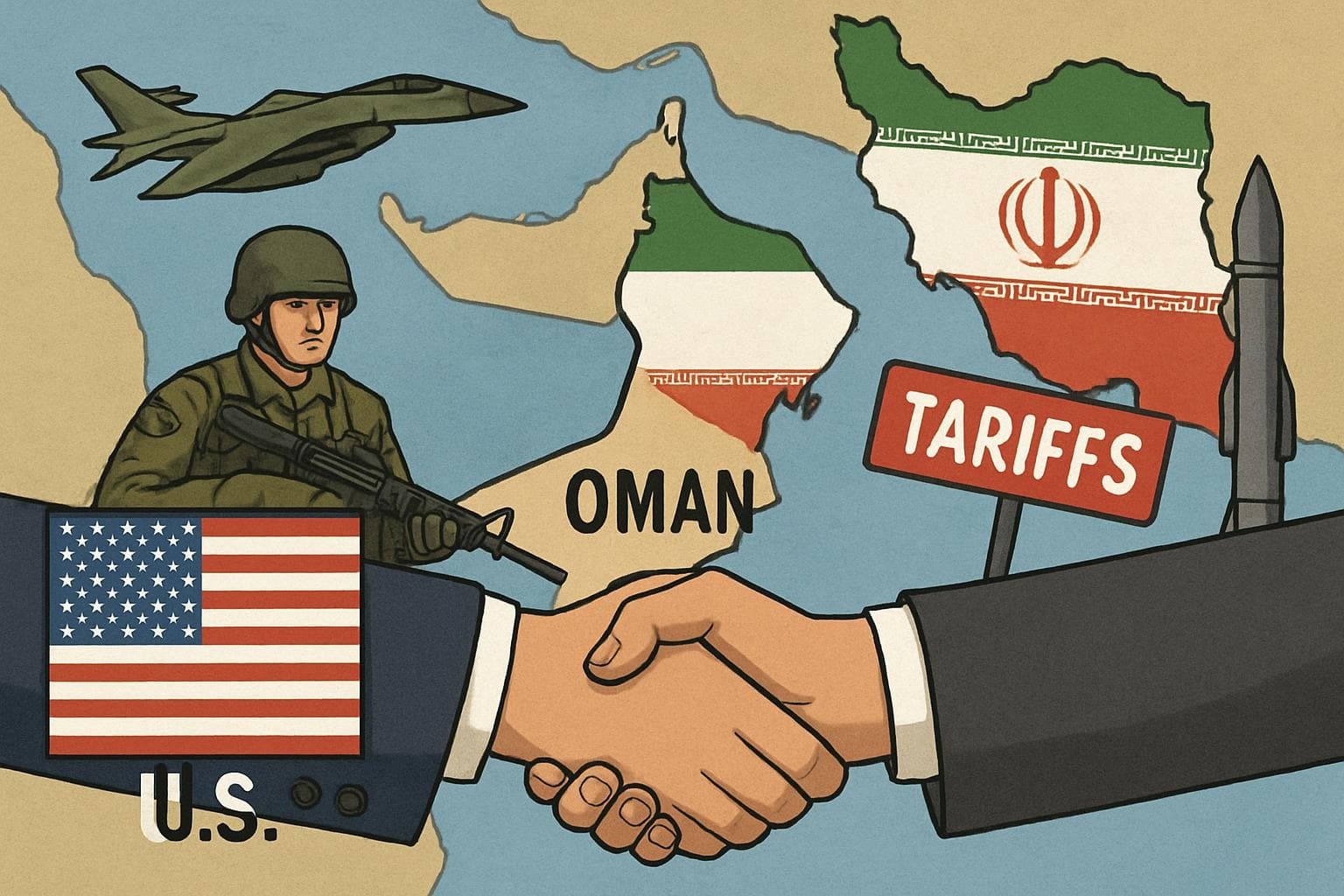
- President Trump signed an executive order threatening tariffs on countries trading with Iran, citing a potential 25% rate.
- US-Iran talks in Oman, mediated by Oman's Foreign Minister, were described as a "good start" by both parties.
- Trump warned of "steep consequences" if Iran fails to make a nuclear deal, amid ongoing regional tensions.
- Iran insists its nuclear program is peaceful and demands talks focus solely on nuclear issues, excluding human rights or missile discussions.
- The US has increased military presence in the region, emphasizing its strategic leverage in negotiations.
In a significant development, US President Donald Trump has signed an executive order threatening tariffs on countries that continue to trade with Iran. The order, announced on Friday, suggests a potential 25% tariff on goods imported into the US from nations engaging in commerce with Iran. This move underscores the ongoing national emergency concerning Iran's nuclear ambitions and regional activities, which the White House claims threaten American security and interests.
The announcement coincides with indirect talks between the US and Iran in Oman, aimed at addressing Iran's nuclear program. These discussions, the first since last June's military strikes on Iran's nuclear sites, were mediated by Oman's Foreign Minister, Badr Albusaidi. Both US and Iranian officials described the talks as a "good start," with further meetings anticipated in the coming days.
Diplomatic Efforts and Military Posturing
The US delegation, led by special envoy Steve Witkoff and Trump's son-in-law Jared Kushner, engaged in eight hours of dialogue with the Iranian team headed by Foreign Minister Abbas Araghchi. Despite the positive tone, President Trump, speaking from Air Force One, reiterated the potential for "steep consequences" should Iran fail to reach a deal. The US has bolstered its military presence in the region, deploying the USS Abraham Lincoln aircraft carrier group, highlighting its strategic leverage.
Iran, facing internal unrest and international scrutiny, maintains that its nuclear program is peaceful. Araghchi emphasized that the talks should remain focused solely on nuclear issues, excluding human rights or missile discussions. The deep-seated mistrust between the two nations remains a significant hurdle, as both sides seek to establish a framework for lasting security and stability.
A Fragile Path Forward
The diplomatic efforts in Oman mark a tentative step towards resolving the longstanding tensions between the US and Iran. Oman's Foreign Minister Albusaidi expressed optimism, noting that the consultations aimed to create conditions conducive to resuming comprehensive negotiations. However, the path forward remains fraught with challenges, as both nations navigate a complex web of geopolitical interests and historical grievances.
WHAT THIS MIGHT MEAN
The outcome of these talks could significantly impact US-Iran relations and broader Middle East stability. Should the negotiations progress positively, there may be an opportunity to de-escalate tensions and potentially lift some economic sanctions on Iran. However, failure to reach an agreement could exacerbate regional instability, with the US potentially resorting to further military or economic measures. Experts suggest that sustained diplomatic engagement, coupled with international support, will be crucial in achieving a peaceful resolution to the nuclear issue.
Related Articles
Spain's Sánchez Stands Firm Against Trump's Trade Threat Over Iran Stance
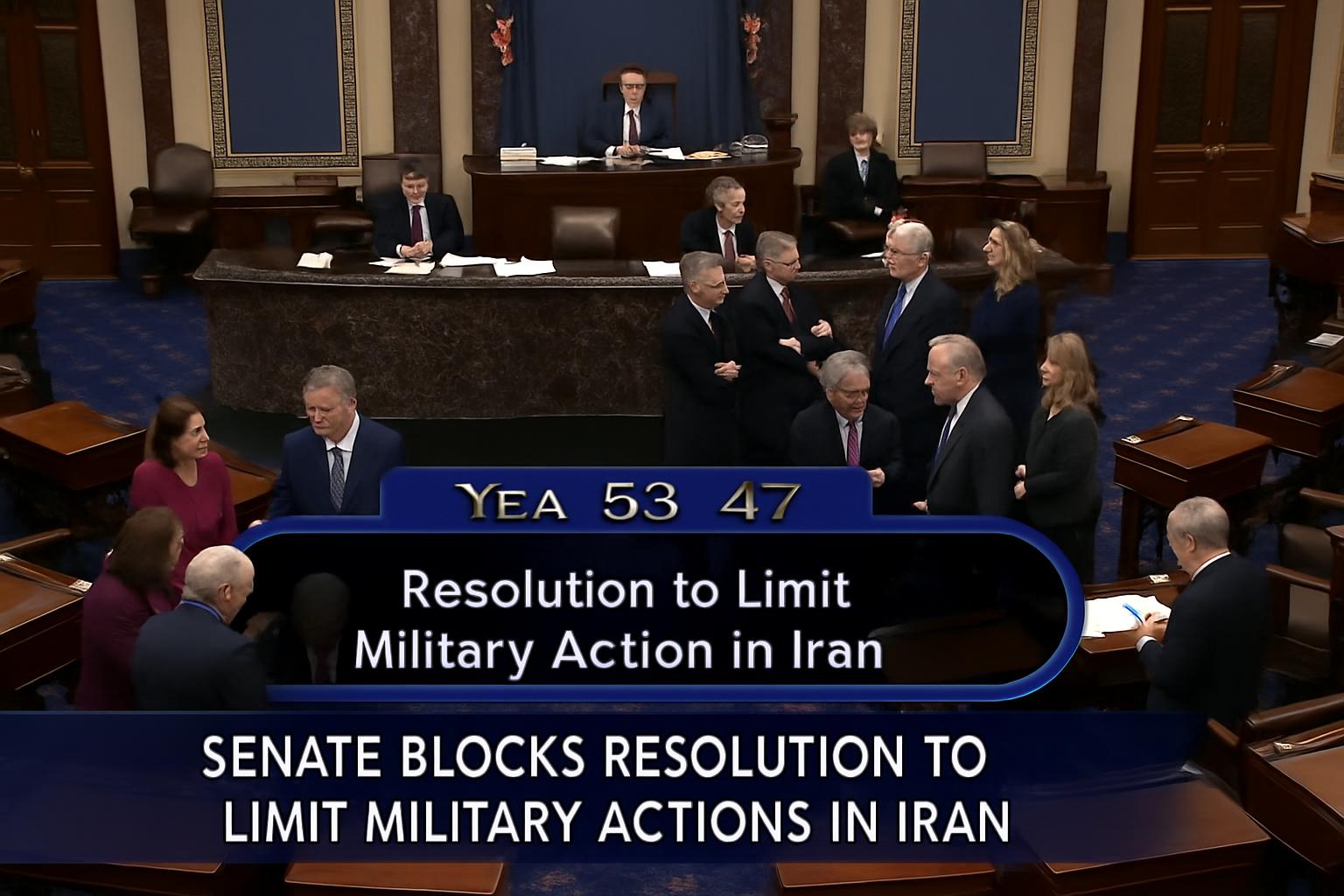
Senate Blocks Resolution to Limit Trump's Military Actions in Iran
US and Israel Intensify Military Campaign as Iran's Capabilities Dwindle

Intensified US-Israel Strikes on Iran Spark Global Outcry

UK-Iran Tensions: Starmer Defends Cautious Approach Amid Trump Criticism
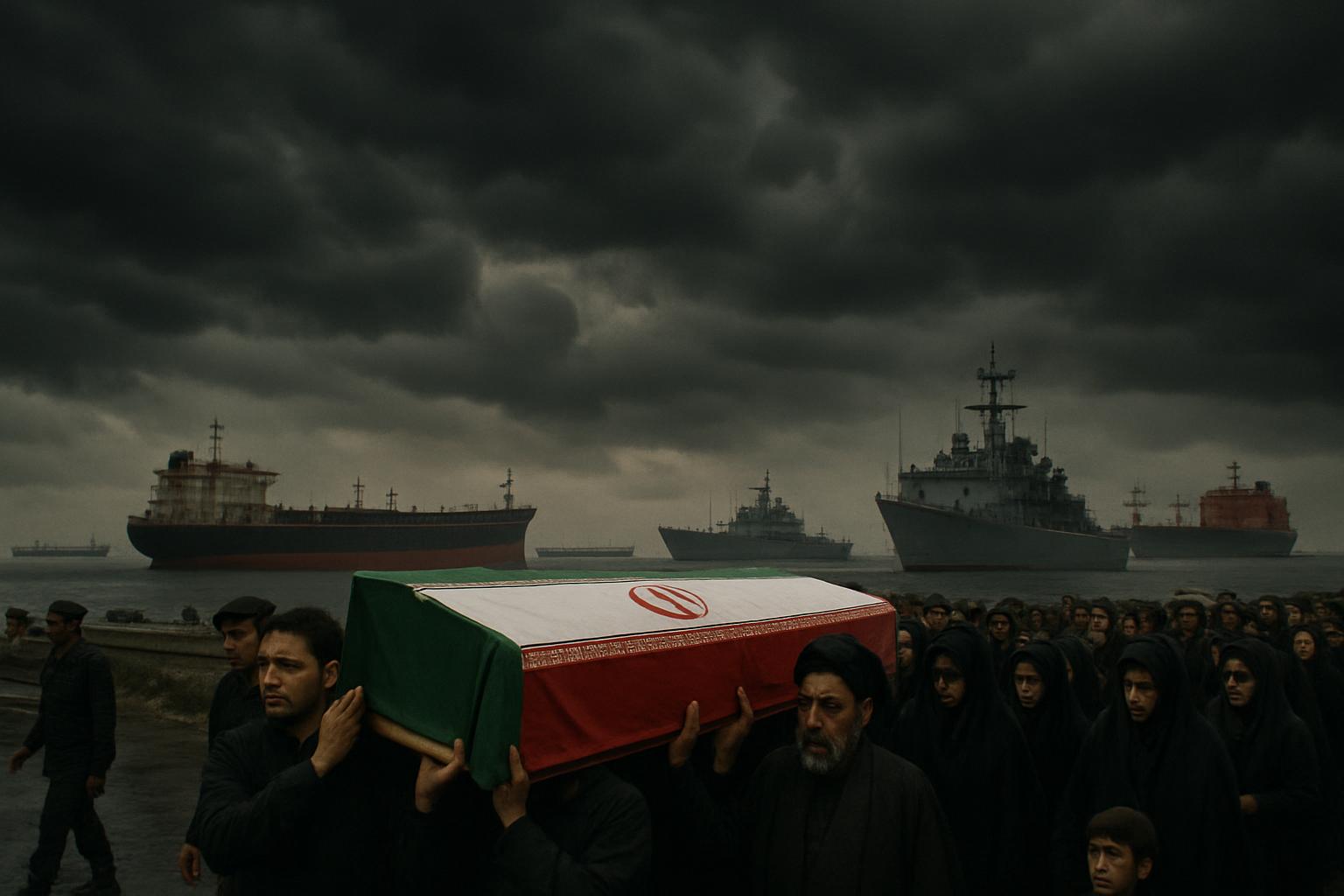
Iran Postpones Khamenei Funeral Amid Escalating US-Israeli Strikes
US-Iran Talks: A Diplomatic Path Amid Tariff Threats
In This Article
 Ethan Brooks| Published
 HIGHLIGHTS
- President Trump signed an executive order threatening tariffs on countries trading with Iran, citing a potential 25% rate.
- US-Iran talks in Oman, mediated by Oman's Foreign Minister, were described as a "good start" by both parties.
- Trump warned of "steep consequences" if Iran fails to make a nuclear deal, amid ongoing regional tensions.
- Iran insists its nuclear program is peaceful and demands talks focus solely on nuclear issues, excluding human rights or missile discussions.
- The US has increased military presence in the region, emphasizing its strategic leverage in negotiations.
In a significant development, US President Donald Trump has signed an executive order threatening tariffs on countries that continue to trade with Iran. The order, announced on Friday, suggests a potential 25% tariff on goods imported into the US from nations engaging in commerce with Iran. This move underscores the ongoing national emergency concerning Iran's nuclear ambitions and regional activities, which the White House claims threaten American security and interests.
The announcement coincides with indirect talks between the US and Iran in Oman, aimed at addressing Iran's nuclear program. These discussions, the first since last June's military strikes on Iran's nuclear sites, were mediated by Oman's Foreign Minister, Badr Albusaidi. Both US and Iranian officials described the talks as a "good start," with further meetings anticipated in the coming days.
Diplomatic Efforts and Military Posturing
The US delegation, led by special envoy Steve Witkoff and Trump's son-in-law Jared Kushner, engaged in eight hours of dialogue with the Iranian team headed by Foreign Minister Abbas Araghchi. Despite the positive tone, President Trump, speaking from Air Force One, reiterated the potential for "steep consequences" should Iran fail to reach a deal. The US has bolstered its military presence in the region, deploying the USS Abraham Lincoln aircraft carrier group, highlighting its strategic leverage.
Iran, facing internal unrest and international scrutiny, maintains that its nuclear program is peaceful. Araghchi emphasized that the talks should remain focused solely on nuclear issues, excluding human rights or missile discussions. The deep-seated mistrust between the two nations remains a significant hurdle, as both sides seek to establish a framework for lasting security and stability.
A Fragile Path Forward
The diplomatic efforts in Oman mark a tentative step towards resolving the longstanding tensions between the US and Iran. Oman's Foreign Minister Albusaidi expressed optimism, noting that the consultations aimed to create conditions conducive to resuming comprehensive negotiations. However, the path forward remains fraught with challenges, as both nations navigate a complex web of geopolitical interests and historical grievances.
WHAT THIS MIGHT MEAN
The outcome of these talks could significantly impact US-Iran relations and broader Middle East stability. Should the negotiations progress positively, there may be an opportunity to de-escalate tensions and potentially lift some economic sanctions on Iran. However, failure to reach an agreement could exacerbate regional instability, with the US potentially resorting to further military or economic measures. Experts suggest that sustained diplomatic engagement, coupled with international support, will be crucial in achieving a peaceful resolution to the nuclear issue.
Related Articles
Spain's Sánchez Stands Firm Against Trump's Trade Threat Over Iran Stance
Senate Blocks Resolution to Limit Trump's Military Actions in Iran
US and Israel Intensify Military Campaign as Iran's Capabilities Dwindle
Intensified US-Israel Strikes on Iran Spark Global Outcry
UK-Iran Tensions: Starmer Defends Cautious Approach Amid Trump Criticism
Iran Postpones Khamenei Funeral Amid Escalating US-Israeli Strikes