
Tensions Rise as US and Iran Navigate Potential Negotiations Amid Military Build-Up
In This Article
HIGHLIGHTS
- President Trump claims Iran is interested in negotiating a deal to avoid US military action, despite Iran's refusal to discuss its missile program.
- Iran's Foreign Minister Abbas Araghchi insists that any talks must be based on mutual respect and exclude missile defense discussions.
- The US has deployed a significant naval presence near Iran, with President Trump emphasizing the size of the "armada."
- Human rights groups report thousands of deaths in Iran following protests, with estimates ranging from over 6,300 to potentially 30,000.
- Turkish Foreign Minister Hakan Fidan stresses the importance of US-Iran negotiations to ease regional tensions.
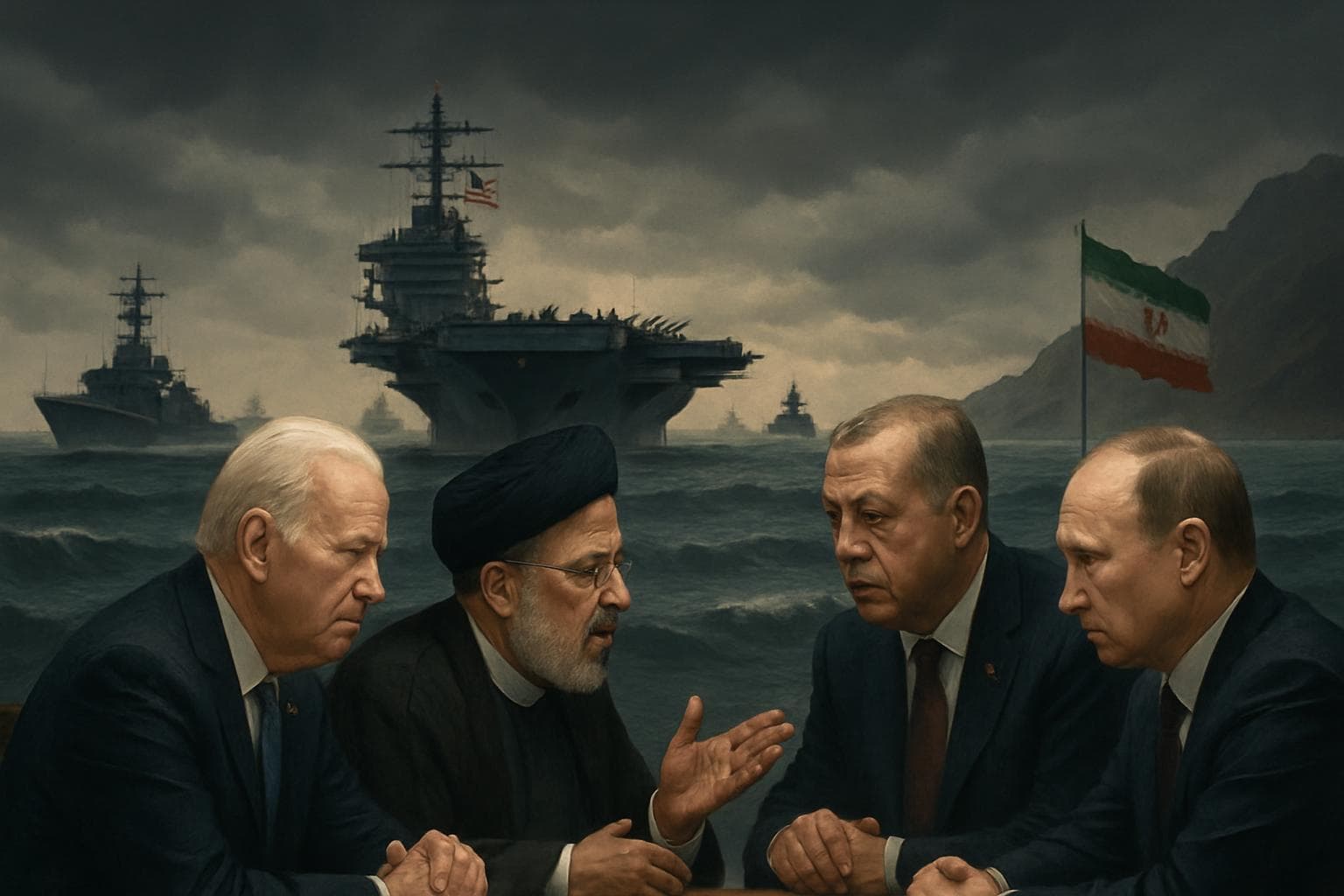
In a climate of escalating tensions, President Donald Trump has asserted that Iran is inclined to negotiate a deal to avoid potential US military action. This comes as the US has amassed a substantial naval presence near Iran, described by Trump as an "armada" larger than previous deployments in the region. Despite these developments, Iran remains firm in its stance that its missile defense systems are non-negotiable.
US-Iran Relations Under Strain
President Trump, speaking to reporters at the White House, expressed optimism about a potential deal with Iran, though he provided no specific details. He emphasized that Iran must cease its nuclear ambitions and halt the killing of protesters to avoid military intervention. The US-based Human Rights Activists News Agency (HRANA) has reported over 6,300 deaths since protests began, with other estimates suggesting the toll could exceed 30,000.
Iran's Position on Negotiations
Iran's Foreign Minister, Abbas Araghchi, reiterated that any discussions with the US must be grounded in mutual respect and exclude Iran's missile program. After talks with Turkish diplomats, Araghchi stated, "The Islamic Republic of Iran, just as it is ready for negotiations, is also ready for war." This sentiment underscores Iran's readiness to defend its interests while remaining open to dialogue.
Regional Dynamics and International Involvement
The situation has drawn international attention, with Turkey's Foreign Minister, Hakan Fidan, highlighting the necessity of US-Iran negotiations to mitigate regional tensions. Fidan also warned against external influences, particularly from Israel, which he claims are pushing for conflict. Meanwhile, Iran's Supreme National Security Council head, Ali Larijani, met with Russian President Vladimir Putin to discuss Middle Eastern issues, signaling Iran's efforts to strengthen alliances.
WHAT THIS MIGHT MEAN
As the US and Iran navigate this precarious situation, the potential for negotiations remains uncertain. Should talks proceed, they could lead to a de-escalation of military tensions and a possible revival of diplomatic relations. However, Iran's firm stance on its missile program and the US's demands for nuclear cessation and human rights improvements present significant hurdles.
The involvement of regional players like Turkey and Russia could influence the direction of these negotiations, potentially serving as mediators or complicating factors. The outcome will likely have profound implications for Middle East stability and US foreign policy, with the potential to reshape alliances and power dynamics in the region.
Related Articles
US and Israel Intensify Military Campaign as Iran's Capabilities Dwindle
Intensified US-Israel Strikes on Iran Spark Global Outcry
Senate Blocks Resolution to Limit Trump's Military Actions in Iran
Spain's Sánchez Stands Firm Against Trump's Trade Threat Over Iran Stance
UK-Iran Tensions: Starmer Defends Cautious Approach Amid Trump Criticism
Iran Postpones Khamenei Funeral Amid Escalating US-Israeli Strikes
Tensions Rise as US and Iran Navigate Potential Negotiations Amid Military Build-Up
In This Article
 Ethan Brooks| Published
 HIGHLIGHTS
- President Trump claims Iran is interested in negotiating a deal to avoid US military action, despite Iran's refusal to discuss its missile program.
- Iran's Foreign Minister Abbas Araghchi insists that any talks must be based on mutual respect and exclude missile defense discussions.
- The US has deployed a significant naval presence near Iran, with President Trump emphasizing the size of the "armada."
- Human rights groups report thousands of deaths in Iran following protests, with estimates ranging from over 6,300 to potentially 30,000.
- Turkish Foreign Minister Hakan Fidan stresses the importance of US-Iran negotiations to ease regional tensions.
In a climate of escalating tensions, President Donald Trump has asserted that Iran is inclined to negotiate a deal to avoid potential US military action. This comes as the US has amassed a substantial naval presence near Iran, described by Trump as an "armada" larger than previous deployments in the region. Despite these developments, Iran remains firm in its stance that its missile defense systems are non-negotiable.
US-Iran Relations Under Strain
President Trump, speaking to reporters at the White House, expressed optimism about a potential deal with Iran, though he provided no specific details. He emphasized that Iran must cease its nuclear ambitions and halt the killing of protesters to avoid military intervention. The US-based Human Rights Activists News Agency (HRANA) has reported over 6,300 deaths since protests began, with other estimates suggesting the toll could exceed 30,000.
Iran's Position on Negotiations
Iran's Foreign Minister, Abbas Araghchi, reiterated that any discussions with the US must be grounded in mutual respect and exclude Iran's missile program. After talks with Turkish diplomats, Araghchi stated, "The Islamic Republic of Iran, just as it is ready for negotiations, is also ready for war." This sentiment underscores Iran's readiness to defend its interests while remaining open to dialogue.
Regional Dynamics and International Involvement
The situation has drawn international attention, with Turkey's Foreign Minister, Hakan Fidan, highlighting the necessity of US-Iran negotiations to mitigate regional tensions. Fidan also warned against external influences, particularly from Israel, which he claims are pushing for conflict. Meanwhile, Iran's Supreme National Security Council head, Ali Larijani, met with Russian President Vladimir Putin to discuss Middle Eastern issues, signaling Iran's efforts to strengthen alliances.
WHAT THIS MIGHT MEAN
As the US and Iran navigate this precarious situation, the potential for negotiations remains uncertain. Should talks proceed, they could lead to a de-escalation of military tensions and a possible revival of diplomatic relations. However, Iran's firm stance on its missile program and the US's demands for nuclear cessation and human rights improvements present significant hurdles.
The involvement of regional players like Turkey and Russia could influence the direction of these negotiations, potentially serving as mediators or complicating factors. The outcome will likely have profound implications for Middle East stability and US foreign policy, with the potential to reshape alliances and power dynamics in the region.
Related Articles
US and Israel Intensify Military Campaign as Iran's Capabilities Dwindle
Intensified US-Israel Strikes on Iran Spark Global Outcry
Senate Blocks Resolution to Limit Trump's Military Actions in Iran
Spain's Sánchez Stands Firm Against Trump's Trade Threat Over Iran Stance
UK-Iran Tensions: Starmer Defends Cautious Approach Amid Trump Criticism
Iran Postpones Khamenei Funeral Amid Escalating US-Israeli Strikes