
US-Iran Tensions Escalate Amid Diplomatic Efforts and Military Threats
In This Article
HIGHLIGHTS
- President Trump has issued a warning to Iran, demanding the cessation of nuclear ambitions and the killing of protesters, amid escalating US-Iran tensions.
- Turkey is stepping in as a mediator, proposing talks between Trump and Iranian officials to prevent military conflict.
- Iran's Foreign Minister Abbas Araghchi is engaging in diplomatic discussions in Ankara, while Iran remains defiant against US threats.
- The US has increased its military presence in the Gulf, with Trump emphasizing readiness for potential military action.
- Iran faces internal unrest, with thousands of protesters reportedly killed, as international pressure mounts for a peaceful resolution.
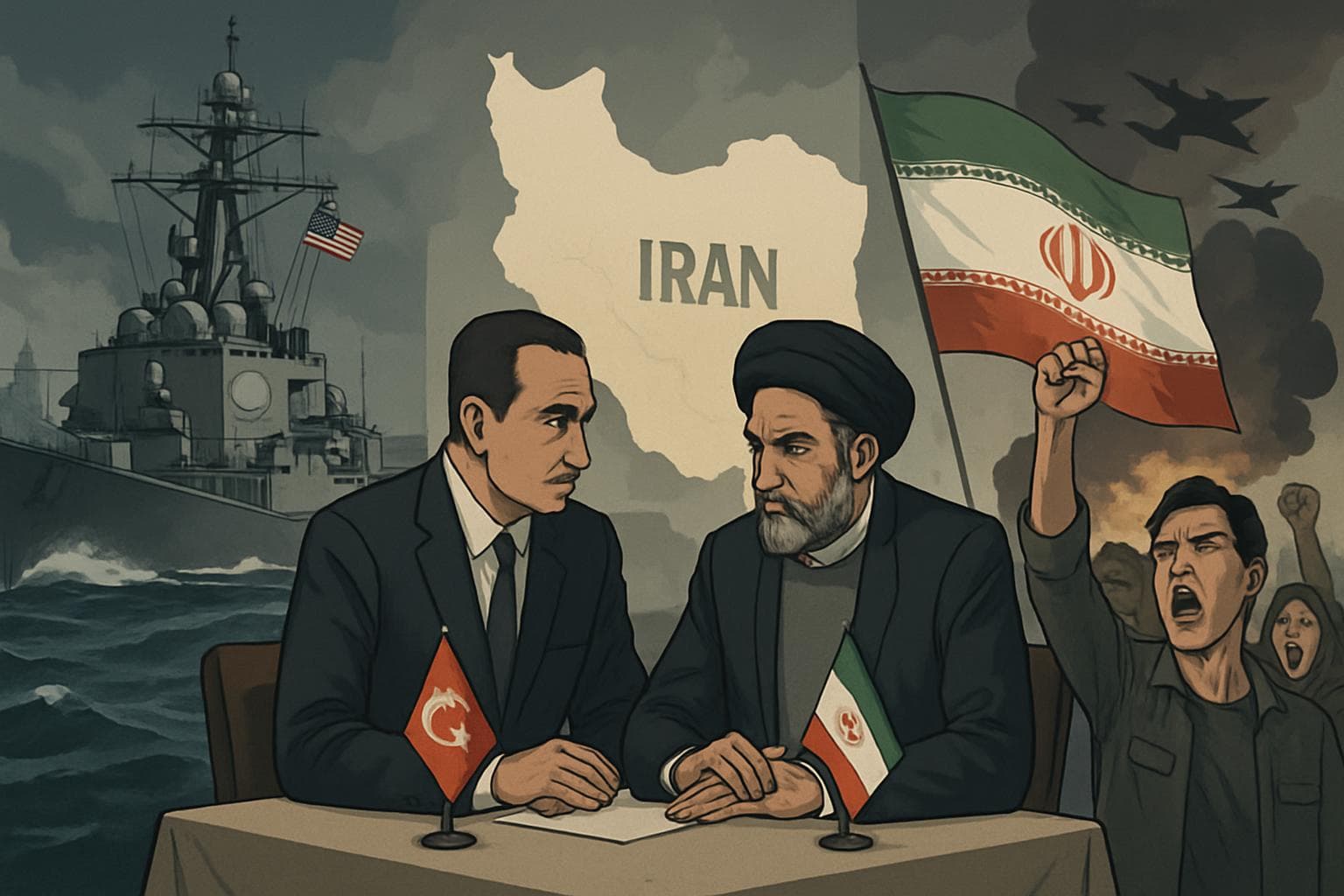
As tensions between the United States and Iran reach a boiling point, President Donald Trump has issued a stark ultimatum to Tehran: abandon nuclear ambitions and halt the killing of protesters or face potential military action. This comes as the US bolsters its military presence in the Gulf, with Trump stating, "We have a lot of very big, very powerful ships sailing to Iran right now, and it would be great if we didn't have to use them."
Diplomatic Mediation Efforts
In a bid to avert a military conflict, Turkey has emerged as a key mediator. Iranian Foreign Minister Abbas Araghchi is currently in Ankara for talks, with Turkish President Recep Tayyip Erdoğan proposing a video conference between Trump and Iranian leaders. Despite the diplomatic overtures, Iran remains steadfast, with Araghchi emphasizing Iran's right to peaceful nuclear technology and rejecting coercion.
Military Posturing and Threats
The US Defense Secretary, Pete Hegseth, has assured that the military is prepared to act on any instructions from Trump, highlighting the readiness of US forces. Meanwhile, Iran has showcased its military capabilities, including drones and ballistic missiles, as a deterrent against potential US aggression. The situation has drawn international attention, with the Kremlin urging both nations to pursue diplomatic solutions.
Internal Unrest in Iran
Inside Iran, the situation is further complicated by widespread protests. The US-based Human Rights Activists News Agency reports over 6,000 protester deaths, a figure contested by Iranian authorities. The unrest, initially sparked by economic grievances, has evolved into a significant challenge to Iran's clerical leadership, with the European Union imposing new sanctions on Iran's Islamic Revolutionary Guard Corps.
WHAT THIS MIGHT MEAN
The unfolding situation between the US and Iran presents several potential outcomes. If diplomatic efforts led by Turkey succeed, a peaceful resolution could be achieved, averting military conflict. However, continued defiance from Iran and aggressive posturing by the US could lead to a military confrontation, with significant regional implications. Experts suggest that sustained international pressure and mediation are crucial to de-escalating tensions and fostering dialogue. The internal unrest in Iran adds another layer of complexity, potentially influencing the regime's willingness to negotiate.
Related Articles
Intensified US-Israel Strikes on Iran Spark Global Outcry
Spain's Sánchez Stands Firm Against Trump's Trade Threat Over Iran Stance
US and Israel Intensify Military Campaign as Iran's Capabilities Dwindle
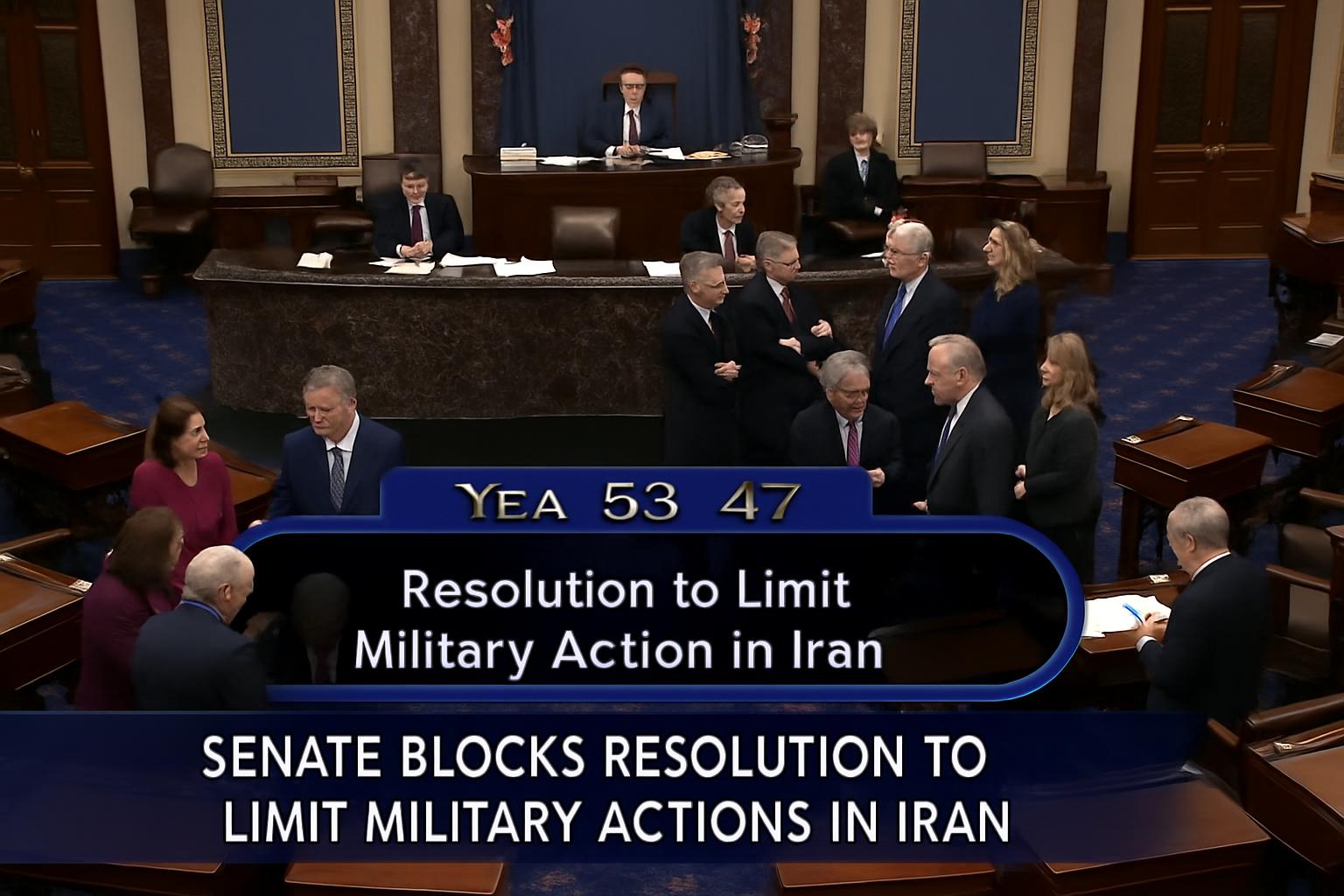
Senate Blocks Resolution to Limit Trump's Military Actions in Iran

UK Faces Dilemmas Amid Iran Conflict and China Spying Allegations
UK-Iran Tensions: Starmer Defends Cautious Approach Amid Trump Criticism
US-Iran Tensions Escalate Amid Diplomatic Efforts and Military Threats
In This Article
 Ethan Brooks| Published
 HIGHLIGHTS
- President Trump has issued a warning to Iran, demanding the cessation of nuclear ambitions and the killing of protesters, amid escalating US-Iran tensions.
- Turkey is stepping in as a mediator, proposing talks between Trump and Iranian officials to prevent military conflict.
- Iran's Foreign Minister Abbas Araghchi is engaging in diplomatic discussions in Ankara, while Iran remains defiant against US threats.
- The US has increased its military presence in the Gulf, with Trump emphasizing readiness for potential military action.
- Iran faces internal unrest, with thousands of protesters reportedly killed, as international pressure mounts for a peaceful resolution.
As tensions between the United States and Iran reach a boiling point, President Donald Trump has issued a stark ultimatum to Tehran: abandon nuclear ambitions and halt the killing of protesters or face potential military action. This comes as the US bolsters its military presence in the Gulf, with Trump stating, "We have a lot of very big, very powerful ships sailing to Iran right now, and it would be great if we didn't have to use them."
Diplomatic Mediation Efforts
In a bid to avert a military conflict, Turkey has emerged as a key mediator. Iranian Foreign Minister Abbas Araghchi is currently in Ankara for talks, with Turkish President Recep Tayyip Erdoğan proposing a video conference between Trump and Iranian leaders. Despite the diplomatic overtures, Iran remains steadfast, with Araghchi emphasizing Iran's right to peaceful nuclear technology and rejecting coercion.
Military Posturing and Threats
The US Defense Secretary, Pete Hegseth, has assured that the military is prepared to act on any instructions from Trump, highlighting the readiness of US forces. Meanwhile, Iran has showcased its military capabilities, including drones and ballistic missiles, as a deterrent against potential US aggression. The situation has drawn international attention, with the Kremlin urging both nations to pursue diplomatic solutions.
Internal Unrest in Iran
Inside Iran, the situation is further complicated by widespread protests. The US-based Human Rights Activists News Agency reports over 6,000 protester deaths, a figure contested by Iranian authorities. The unrest, initially sparked by economic grievances, has evolved into a significant challenge to Iran's clerical leadership, with the European Union imposing new sanctions on Iran's Islamic Revolutionary Guard Corps.
WHAT THIS MIGHT MEAN
The unfolding situation between the US and Iran presents several potential outcomes. If diplomatic efforts led by Turkey succeed, a peaceful resolution could be achieved, averting military conflict. However, continued defiance from Iran and aggressive posturing by the US could lead to a military confrontation, with significant regional implications. Experts suggest that sustained international pressure and mediation are crucial to de-escalating tensions and fostering dialogue. The internal unrest in Iran adds another layer of complexity, potentially influencing the regime's willingness to negotiate.
Related Articles
Intensified US-Israel Strikes on Iran Spark Global Outcry
Spain's Sánchez Stands Firm Against Trump's Trade Threat Over Iran Stance
US and Israel Intensify Military Campaign as Iran's Capabilities Dwindle
Senate Blocks Resolution to Limit Trump's Military Actions in Iran
UK Faces Dilemmas Amid Iran Conflict and China Spying Allegations
UK-Iran Tensions: Starmer Defends Cautious Approach Amid Trump Criticism