
US-Iran Tensions Escalate Amid Disputed Nuclear Strike Claims
In This Article
HIGHLIGHTS
- US Defense Secretary Pete Hegseth defended recent strikes on Iran's nuclear facilities, claiming significant damage despite conflicting intelligence reports.
- Iran's Supreme Leader Ayatollah Ali Khamenei dismissed the US strikes as ineffective, threatening further retaliation if attacked again.
- President Donald Trump and Hegseth faced criticism over exaggerated claims of the strikes' success, with intelligence suggesting only temporary setbacks.
- The International Atomic Energy Agency reported Iran's enriched uranium stockpile remains largely intact, contradicting US claims of obliteration.
- Iran passed legislation to suspend cooperation with the UN nuclear watchdog, escalating tensions and drawing international concern.
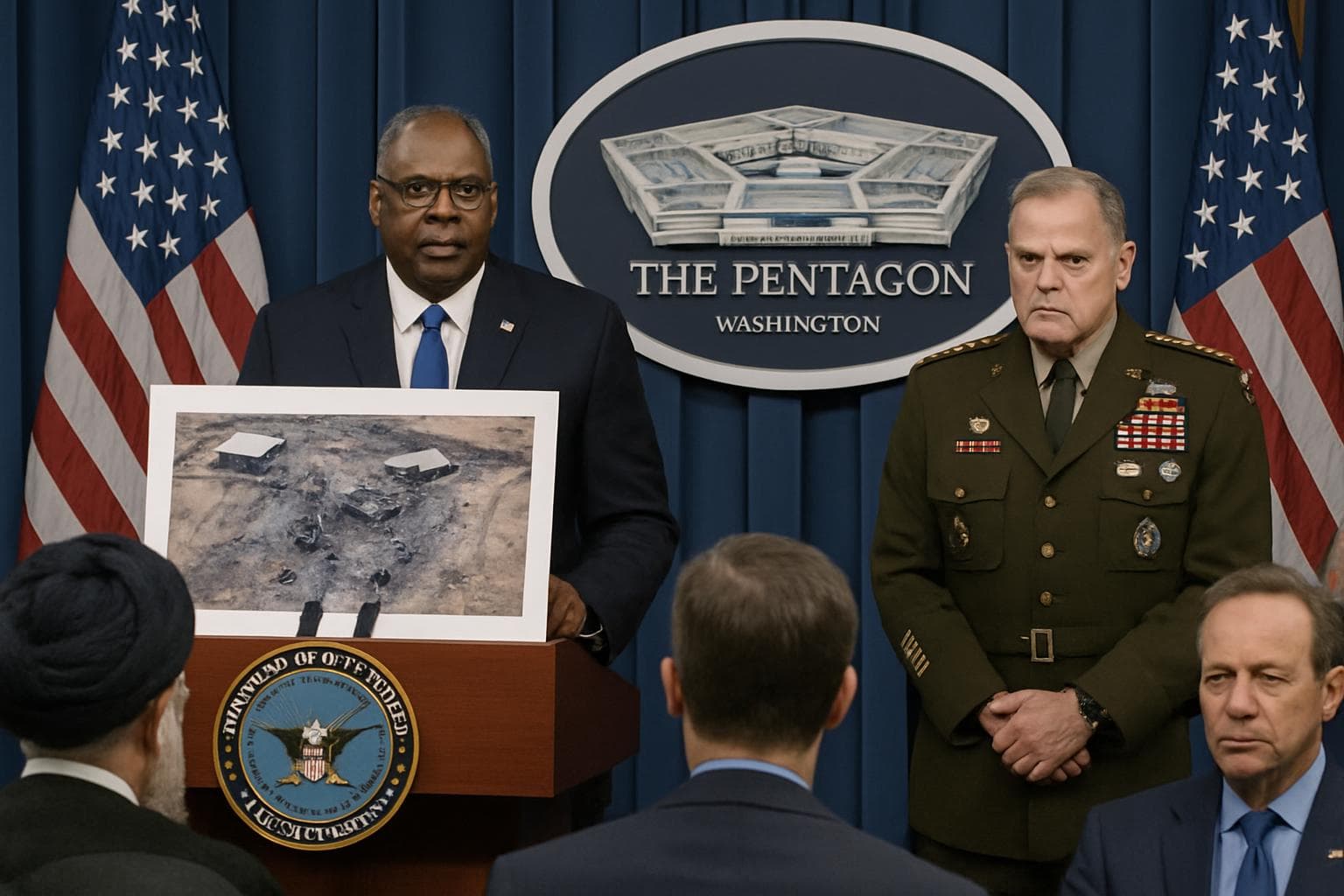
In a contentious Pentagon briefing, US Defense Secretary Pete Hegseth staunchly defended the recent American military strikes on Iranian nuclear facilities, asserting that the operation inflicted significant damage. This comes amid conflicting intelligence reports and criticism from Iran's Supreme Leader Ayatollah Ali Khamenei, who dismissed the strikes as ineffective.
Conflicting Assessments of Strike Impact
Hegseth, alongside General Dan Caine, detailed the use of powerful "bunker buster bombs" targeting Iran's Fordow facility, claiming the strikes rendered key nuclear sites inoperable. However, preliminary intelligence assessments leaked to the media suggest the damage may only set back Iran's nuclear program by a few months. President Donald Trump, initially emphatic about the operation's success, later admitted uncertainty, stating, "The intelligence was very inconclusive."
Iran's Defiant Response
In his first public address since a ceasefire with Israel, Ayatollah Khamenei declared the US gained "no achievements" from the strikes and threatened further retaliation against American bases if provoked. Khamenei's remarks, broadcast from an undisclosed location, emphasized Iran's capability to strike US interests in the region, framing the conflict as a victory for Tehran.
International Concerns and Legislative Moves
The International Atomic Energy Agency (IAEA) reported that Iran's stockpile of enriched uranium remains largely intact, contradicting US claims of obliteration. In response to the strikes, Iran's parliament passed a bill suspending cooperation with the IAEA, a move condemned by international leaders. France and Germany urged Iran to return to dialogue, while the IAEA director general stressed Iran's legal obligations under international agreements.
Media and Political Reactions
Hegseth criticized the American media for what he described as unpatriotic coverage, accusing them of undermining the military's success. The Trump administration faced scrutiny over its handling of intelligence and communication, with some officials suggesting the need for renewed negotiations with Iran.
WHAT THIS MIGHT MEAN
The ongoing US-Iran tensions present a complex geopolitical challenge. If Iran follows through on its threats of retaliation, the region could see an escalation in military confrontations. The suspension of cooperation with the IAEA further complicates diplomatic efforts, potentially isolating Iran from international support. Experts suggest that renewed negotiations could stabilize the situation, but mutual distrust remains a significant barrier. As both nations navigate these tensions, the international community watches closely, hoping for a peaceful resolution to avoid further conflict.
Related Articles
US and Israel Intensify Military Campaign as Iran's Capabilities Dwindle
Intensified US-Israel Strikes on Iran Spark Global Outcry
Iran Postpones Khamenei Funeral Amid Escalating US-Israeli Strikes
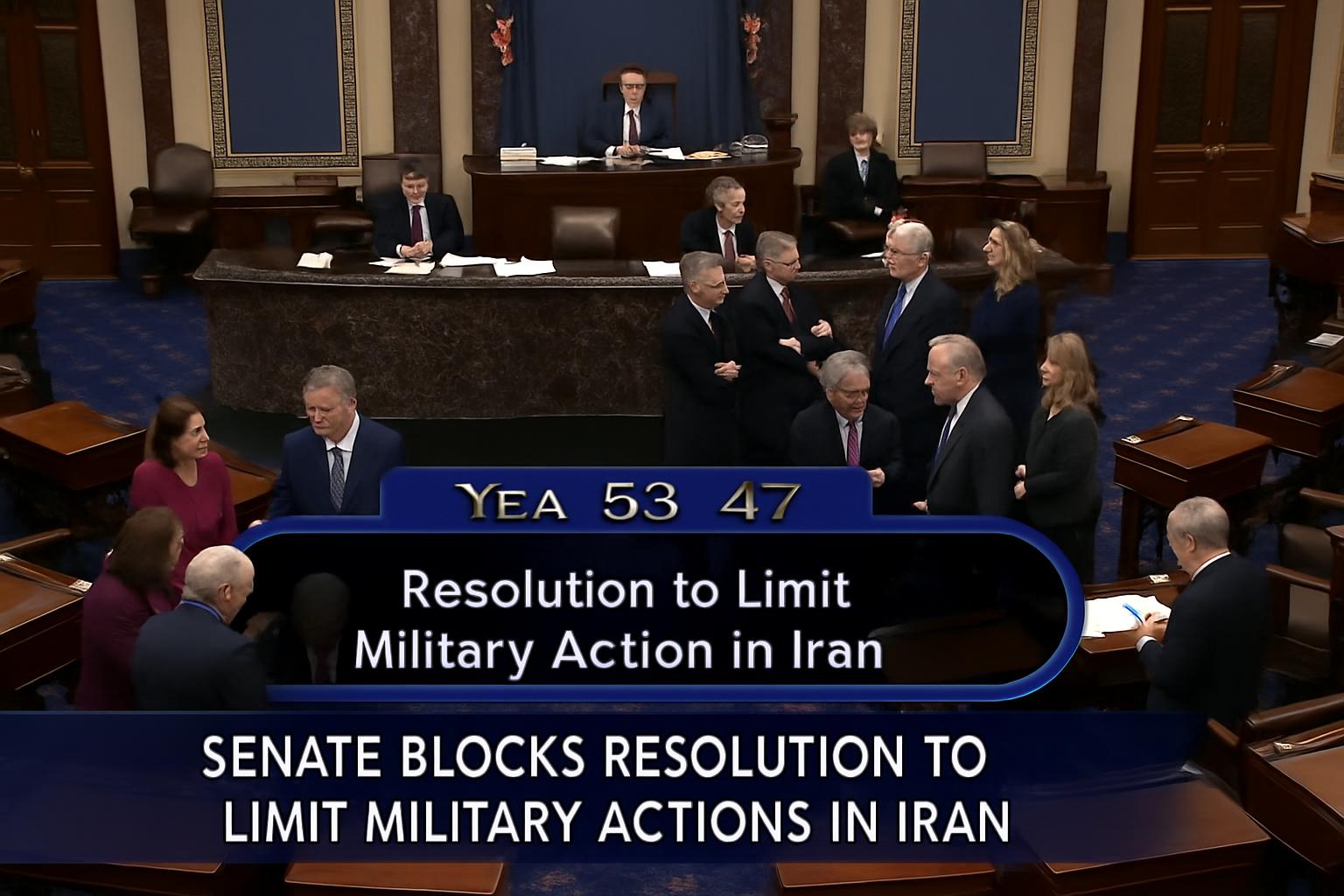
Senate Blocks Resolution to Limit Trump's Military Actions in Iran
Spain's Sánchez Stands Firm Against Trump's Trade Threat Over Iran Stance

UK Faces Dilemmas Amid Iran Conflict and China Spying Allegations
US-Iran Tensions Escalate Amid Disputed Nuclear Strike Claims
In This Article
 Ethan Brooks| Published
 HIGHLIGHTS
- US Defense Secretary Pete Hegseth defended recent strikes on Iran's nuclear facilities, claiming significant damage despite conflicting intelligence reports.
- Iran's Supreme Leader Ayatollah Ali Khamenei dismissed the US strikes as ineffective, threatening further retaliation if attacked again.
- President Donald Trump and Hegseth faced criticism over exaggerated claims of the strikes' success, with intelligence suggesting only temporary setbacks.
- The International Atomic Energy Agency reported Iran's enriched uranium stockpile remains largely intact, contradicting US claims of obliteration.
- Iran passed legislation to suspend cooperation with the UN nuclear watchdog, escalating tensions and drawing international concern.
In a contentious Pentagon briefing, US Defense Secretary Pete Hegseth staunchly defended the recent American military strikes on Iranian nuclear facilities, asserting that the operation inflicted significant damage. This comes amid conflicting intelligence reports and criticism from Iran's Supreme Leader Ayatollah Ali Khamenei, who dismissed the strikes as ineffective.
Conflicting Assessments of Strike Impact
Hegseth, alongside General Dan Caine, detailed the use of powerful "bunker buster bombs" targeting Iran's Fordow facility, claiming the strikes rendered key nuclear sites inoperable. However, preliminary intelligence assessments leaked to the media suggest the damage may only set back Iran's nuclear program by a few months. President Donald Trump, initially emphatic about the operation's success, later admitted uncertainty, stating, "The intelligence was very inconclusive."
Iran's Defiant Response
In his first public address since a ceasefire with Israel, Ayatollah Khamenei declared the US gained "no achievements" from the strikes and threatened further retaliation against American bases if provoked. Khamenei's remarks, broadcast from an undisclosed location, emphasized Iran's capability to strike US interests in the region, framing the conflict as a victory for Tehran.
International Concerns and Legislative Moves
The International Atomic Energy Agency (IAEA) reported that Iran's stockpile of enriched uranium remains largely intact, contradicting US claims of obliteration. In response to the strikes, Iran's parliament passed a bill suspending cooperation with the IAEA, a move condemned by international leaders. France and Germany urged Iran to return to dialogue, while the IAEA director general stressed Iran's legal obligations under international agreements.
Media and Political Reactions
Hegseth criticized the American media for what he described as unpatriotic coverage, accusing them of undermining the military's success. The Trump administration faced scrutiny over its handling of intelligence and communication, with some officials suggesting the need for renewed negotiations with Iran.
WHAT THIS MIGHT MEAN
The ongoing US-Iran tensions present a complex geopolitical challenge. If Iran follows through on its threats of retaliation, the region could see an escalation in military confrontations. The suspension of cooperation with the IAEA further complicates diplomatic efforts, potentially isolating Iran from international support. Experts suggest that renewed negotiations could stabilize the situation, but mutual distrust remains a significant barrier. As both nations navigate these tensions, the international community watches closely, hoping for a peaceful resolution to avoid further conflict.
Related Articles
US and Israel Intensify Military Campaign as Iran's Capabilities Dwindle
Intensified US-Israel Strikes on Iran Spark Global Outcry
Iran Postpones Khamenei Funeral Amid Escalating US-Israeli Strikes
Senate Blocks Resolution to Limit Trump's Military Actions in Iran
Spain's Sánchez Stands Firm Against Trump's Trade Threat Over Iran Stance
UK Faces Dilemmas Amid Iran Conflict and China Spying Allegations