
US-Iraq Relations Strained as Trump Threatens to Withdraw Support Over Maliki's Nomination

In This Article
HIGHLIGHTS
- Former Iraqi Prime Minister Nouri al-Maliki has been nominated by a Shia-led coalition, sparking US concerns over his ties to Iran.
- Donald Trump threatened to withdraw US support if Maliki returns to power, citing his previous term's chaos and sectarian violence.
- Maliki denounced Trump's comments as "blatant American interference" in Iraq's sovereignty.
- Iraq's parliament session to elect a president was delayed, complicating the political landscape.
- US Secretary of State Marco Rubio emphasized that a government influenced by Iran cannot prioritize Iraq's interests.
The nomination of Nouri al-Maliki as Iraq's potential prime minister has reignited tensions between the United States and Iraq, with former President Donald Trump threatening to end US support if Maliki returns to power. Maliki, who served as Iraq's prime minister from 2006 to 2014, was selected by a coalition of Shia-led parties, raising alarms in Washington due to his perceived closeness to Iran.
US Concerns Over Iranian Influence
Trump's intervention came via a post on Truth Social, where he described Maliki as a "very bad choice" for Iraq, citing his previous term's descent into chaos and poverty. The former president warned that Iraq would have "zero" chance of success without US backing. This sentiment was echoed by US Secretary of State Marco Rubio, who expressed concerns over Maliki's ties to Iran during a call with Iraq's current Prime Minister Mohammed Shia al-Sudani. Rubio stressed that a government under Iranian influence could not effectively serve Iraq's interests.
Maliki's Response and Political Dynamics
In response, Maliki condemned Trump's remarks as "blatant American interference" in Iraq's internal affairs, asserting his commitment to the national will and the decision of the Coordination Framework, the largest parliamentary bloc. The political landscape remains uncertain as Iraq's parliament session to elect a president was postponed due to a lack of quorum, delaying the nomination process for the prime minister.
Historical Context and Sectarian Tensions
Maliki's previous tenure was marked by significant sectarian violence and the rise of the Islamic State, which seized large parts of Iraq by 2014. His administration's policies were criticized for exacerbating sectarian divides, particularly between Kurdish and Sunni groups. The US-led invasion of Iraq in 2003, which resulted in the removal of Saddam Hussein, set the stage for these complex dynamics.
WHAT THIS MIGHT MEAN
The nomination of Nouri al-Maliki could further strain US-Iraq relations, particularly if his government is perceived as aligning closely with Iran. This development may lead to a reevaluation of US military and economic support for Iraq, potentially impacting the country's stability and regional influence. Experts suggest that Iraq's political future hinges on balancing relations with both the US and Iran, a challenge that could define its trajectory in the coming years. As the political impasse continues, the international community will be closely watching Iraq's next moves, which could have significant implications for regional security and diplomacy.
Related Articles
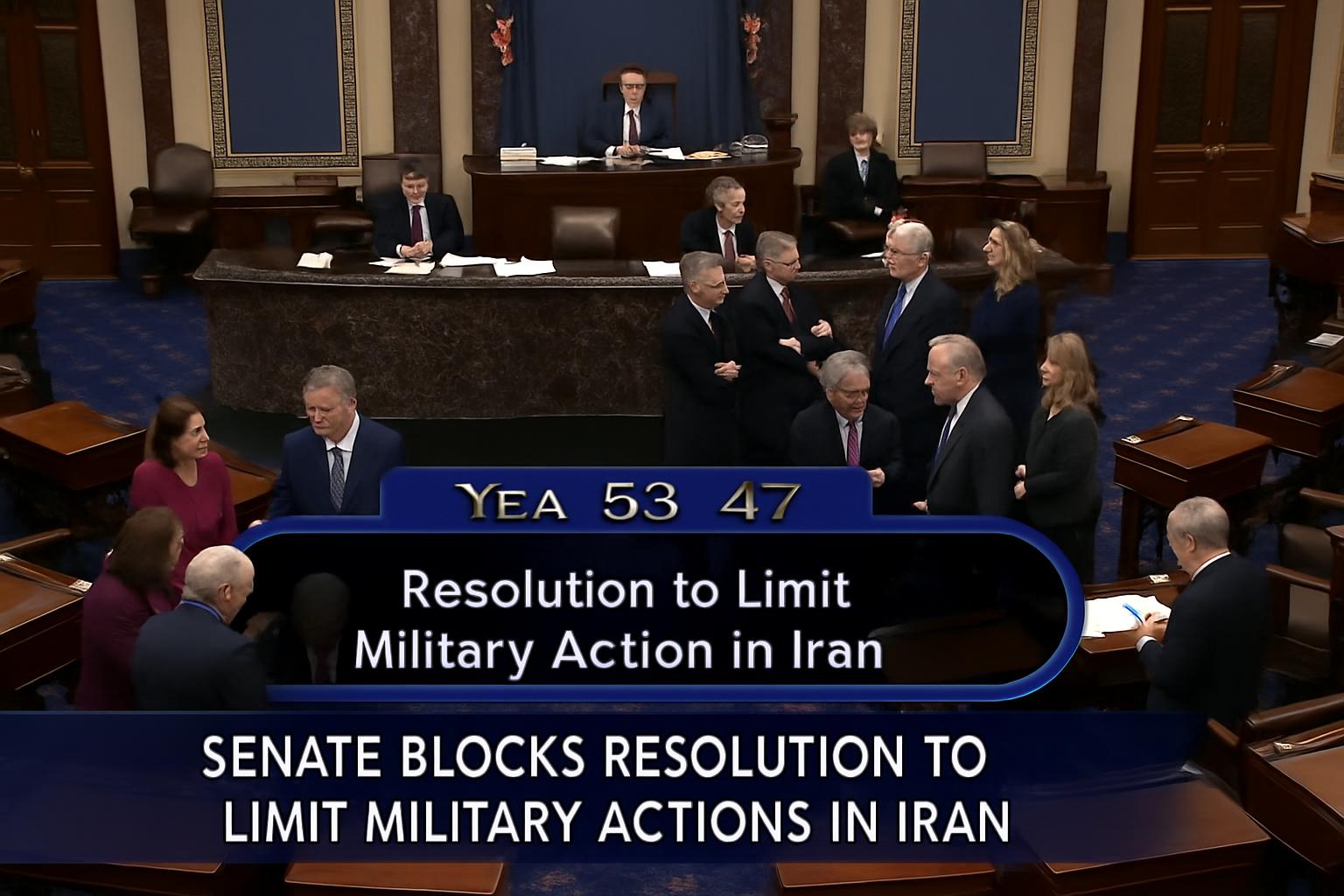
Senate Blocks Resolution to Limit Trump's Military Actions in Iran
Congress Subpoenas Attorney General Bondi in Epstein Investigation

UK Faces Dilemmas Amid Iran Conflict and China Spying Allegations
UK-Iran Tensions: Starmer Defends Cautious Approach Amid Trump Criticism
Cuba Faces Widespread Blackout Amid Deepening Fuel Crisis
Spain's Sánchez Stands Firm Against Trump's Trade Threat Over Iran Stance
US-Iraq Relations Strained as Trump Threatens to Withdraw Support Over Maliki's Nomination
In This Article
 Alex Carter| Published
 HIGHLIGHTS
- Former Iraqi Prime Minister Nouri al-Maliki has been nominated by a Shia-led coalition, sparking US concerns over his ties to Iran.
- Donald Trump threatened to withdraw US support if Maliki returns to power, citing his previous term's chaos and sectarian violence.
- Maliki denounced Trump's comments as "blatant American interference" in Iraq's sovereignty.
- Iraq's parliament session to elect a president was delayed, complicating the political landscape.
- US Secretary of State Marco Rubio emphasized that a government influenced by Iran cannot prioritize Iraq's interests.
The nomination of Nouri al-Maliki as Iraq's potential prime minister has reignited tensions between the United States and Iraq, with former President Donald Trump threatening to end US support if Maliki returns to power. Maliki, who served as Iraq's prime minister from 2006 to 2014, was selected by a coalition of Shia-led parties, raising alarms in Washington due to his perceived closeness to Iran.
US Concerns Over Iranian Influence
Trump's intervention came via a post on Truth Social, where he described Maliki as a "very bad choice" for Iraq, citing his previous term's descent into chaos and poverty. The former president warned that Iraq would have "zero" chance of success without US backing. This sentiment was echoed by US Secretary of State Marco Rubio, who expressed concerns over Maliki's ties to Iran during a call with Iraq's current Prime Minister Mohammed Shia al-Sudani. Rubio stressed that a government under Iranian influence could not effectively serve Iraq's interests.
Maliki's Response and Political Dynamics
In response, Maliki condemned Trump's remarks as "blatant American interference" in Iraq's internal affairs, asserting his commitment to the national will and the decision of the Coordination Framework, the largest parliamentary bloc. The political landscape remains uncertain as Iraq's parliament session to elect a president was postponed due to a lack of quorum, delaying the nomination process for the prime minister.
Historical Context and Sectarian Tensions
Maliki's previous tenure was marked by significant sectarian violence and the rise of the Islamic State, which seized large parts of Iraq by 2014. His administration's policies were criticized for exacerbating sectarian divides, particularly between Kurdish and Sunni groups. The US-led invasion of Iraq in 2003, which resulted in the removal of Saddam Hussein, set the stage for these complex dynamics.
WHAT THIS MIGHT MEAN
The nomination of Nouri al-Maliki could further strain US-Iraq relations, particularly if his government is perceived as aligning closely with Iran. This development may lead to a reevaluation of US military and economic support for Iraq, potentially impacting the country's stability and regional influence. Experts suggest that Iraq's political future hinges on balancing relations with both the US and Iran, a challenge that could define its trajectory in the coming years. As the political impasse continues, the international community will be closely watching Iraq's next moves, which could have significant implications for regional security and diplomacy.
Related Articles
Senate Blocks Resolution to Limit Trump's Military Actions in Iran
Congress Subpoenas Attorney General Bondi in Epstein Investigation
UK Faces Dilemmas Amid Iran Conflict and China Spying Allegations
UK-Iran Tensions: Starmer Defends Cautious Approach Amid Trump Criticism
Cuba Faces Widespread Blackout Amid Deepening Fuel Crisis
Spain's Sánchez Stands Firm Against Trump's Trade Threat Over Iran Stance