
US to Designate Venezuela's Cartel de los Soles as a Terrorist Organization
In This Article
HIGHLIGHTS
- The US plans to designate Venezuela's Cartel de los Soles, allegedly led by President Nicolás Maduro, as a foreign terrorist organization (FTO) from November 24.
- This designation allows the US to intensify actions against the group, which is accused of drug trafficking and illegal mining.
- US Secretary of State Marco Rubio announced the move, emphasizing Maduro's alleged role in corrupting Venezuelan institutions.
- President Trump hinted at potential negotiations with Maduro, despite the aggressive stance, leaving future US actions uncertain.
- The US has increased military presence in the Caribbean, deploying the USS Gerald Ford, amid speculation of possible military intervention.
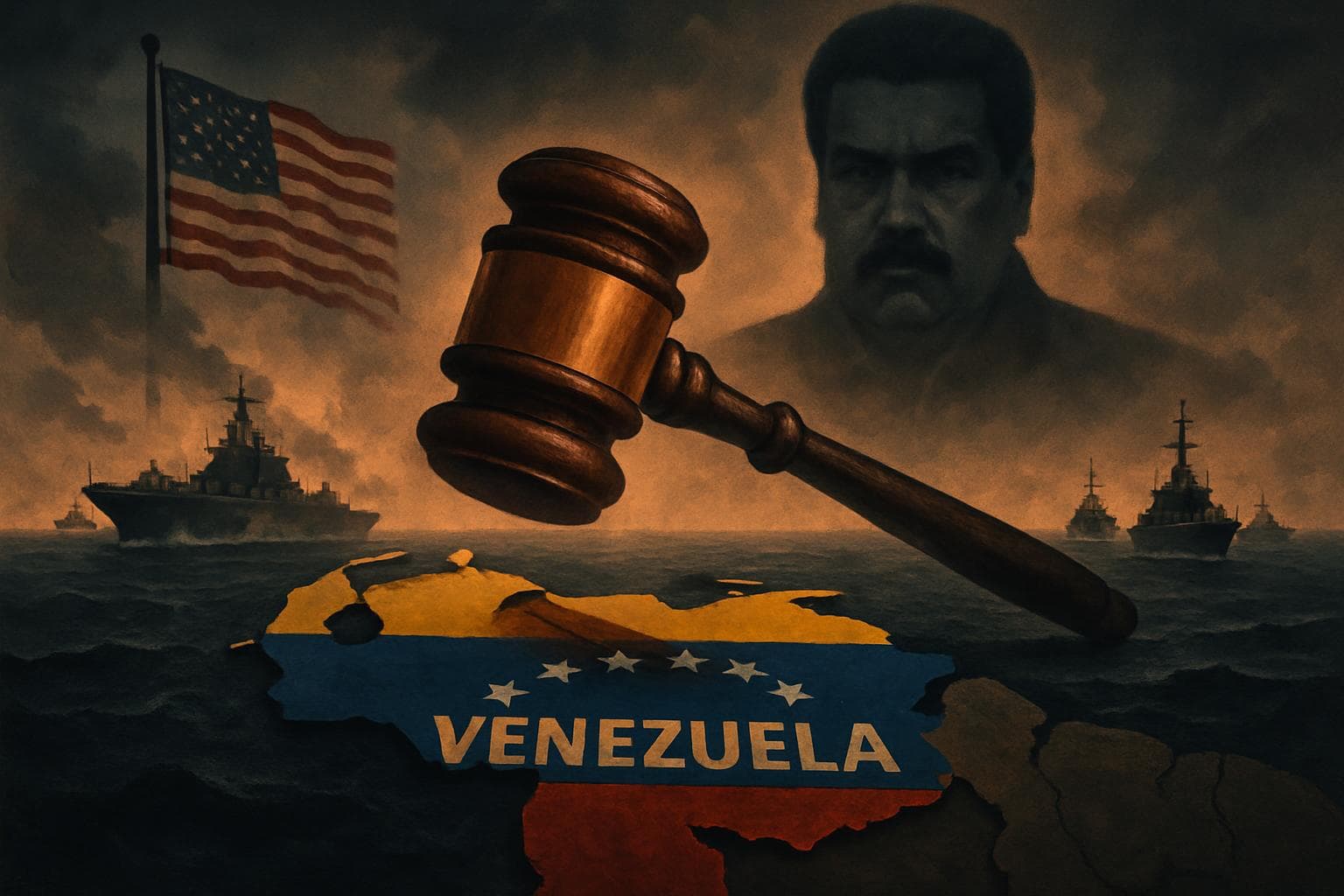
In a significant escalation of its policy towards Venezuela, the United States has announced plans to designate the Cartel de los Soles, a group it alleges is led by Venezuelan President Nicolás Maduro, as a foreign terrorist organization (FTO). This move, set to take effect on November 24, was announced by US Secretary of State Marco Rubio, marking a new chapter in the Trump administration's efforts to pressure Maduro's regime.
Intensified Measures Against Alleged Drug Trafficking
The designation of the Cartel de los Soles as an FTO will enable the US to take more aggressive actions against the group, which Washington accuses of being involved in drug trafficking and illegal mining. The US Treasury Department had previously imposed sanctions on the cartel, but the new designation unlocks stronger legal powers to target its alleged associates. Rubio stated that the group, purportedly headed by the "illegitimate" Maduro, has corrupted Venezuelan institutions and is responsible for terrorist activities.
Mixed Signals from Washington
Despite the hardline stance, President Donald Trump has suggested the possibility of negotiations with Maduro. "We may be having some conversations with Maduro, and we’ll see how that turns out," Trump told reporters, leaving the door open for diplomatic engagement. However, he did not rule out military action, adding to the uncertainty surrounding US-Venezuela relations.
Military Presence in the Caribbean
The US has bolstered its military presence in the Caribbean, deploying the USS Gerald Ford, the world's largest aircraft carrier, as part of its strategy to combat drug trafficking. This deployment, the largest in the region since the 1989 US invasion of Panama, has fueled speculation about potential military intervention in Venezuela. The US has also offered a $50 million reward for information leading to Maduro's arrest, underscoring the administration's determination to oust him.
WHAT THIS MIGHT MEAN
The designation of the Cartel de los Soles as a terrorist organization could further strain US-Venezuela relations, potentially leading to increased tensions in the region. While the Trump administration's aggressive approach suggests a willingness to escalate, the possibility of negotiations indicates a more complex strategy. Experts believe that any military action could have significant geopolitical implications, potentially drawing in other regional powers. As the situation unfolds, the international community will be closely watching how these developments impact the broader dynamics in Latin America.
Related Articles
Cuba Faces Widespread Blackout Amid Deepening Fuel Crisis
El Mencho's Death Sparks Violent Unrest Across Mexico

Tech Giants Pledge to Cover AI Data Center Energy Costs Amid Rising Electricity Concerns

UK Faces Dilemmas Amid Iran Conflict and China Spying Allegations
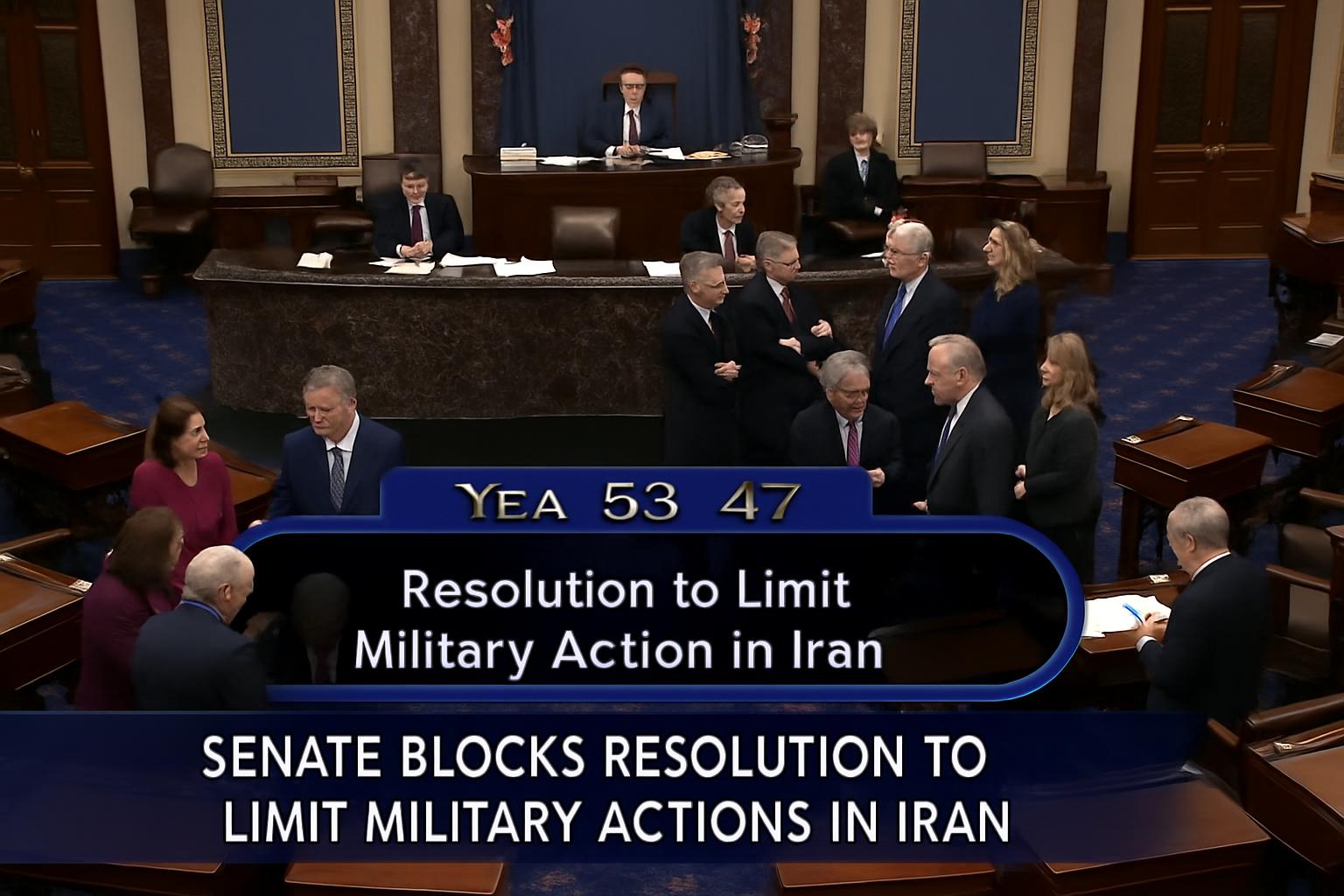
Senate Blocks Resolution to Limit Trump's Military Actions in Iran
Spain's Sánchez Stands Firm Against Trump's Trade Threat Over Iran Stance
US to Designate Venezuela's Cartel de los Soles as a Terrorist Organization
In This Article
HIGHLIGHTS
- The US plans to designate Venezuela's Cartel de los Soles, allegedly led by President Nicolás Maduro, as a foreign terrorist organization (FTO) from November 24.
- This designation allows the US to intensify actions against the group, which is accused of drug trafficking and illegal mining.
- US Secretary of State Marco Rubio announced the move, emphasizing Maduro's alleged role in corrupting Venezuelan institutions.
- President Trump hinted at potential negotiations with Maduro, despite the aggressive stance, leaving future US actions uncertain.
- The US has increased military presence in the Caribbean, deploying the USS Gerald Ford, amid speculation of possible military intervention.
In a significant escalation of its policy towards Venezuela, the United States has announced plans to designate the Cartel de los Soles, a group it alleges is led by Venezuelan President Nicolás Maduro, as a foreign terrorist organization (FTO). This move, set to take effect on November 24, was announced by US Secretary of State Marco Rubio, marking a new chapter in the Trump administration's efforts to pressure Maduro's regime.
Intensified Measures Against Alleged Drug Trafficking
The designation of the Cartel de los Soles as an FTO will enable the US to take more aggressive actions against the group, which Washington accuses of being involved in drug trafficking and illegal mining. The US Treasury Department had previously imposed sanctions on the cartel, but the new designation unlocks stronger legal powers to target its alleged associates. Rubio stated that the group, purportedly headed by the "illegitimate" Maduro, has corrupted Venezuelan institutions and is responsible for terrorist activities.
Mixed Signals from Washington
Despite the hardline stance, President Donald Trump has suggested the possibility of negotiations with Maduro. "We may be having some conversations with Maduro, and we’ll see how that turns out," Trump told reporters, leaving the door open for diplomatic engagement. However, he did not rule out military action, adding to the uncertainty surrounding US-Venezuela relations.
Military Presence in the Caribbean
The US has bolstered its military presence in the Caribbean, deploying the USS Gerald Ford, the world's largest aircraft carrier, as part of its strategy to combat drug trafficking. This deployment, the largest in the region since the 1989 US invasion of Panama, has fueled speculation about potential military intervention in Venezuela. The US has also offered a $50 million reward for information leading to Maduro's arrest, underscoring the administration's determination to oust him.
WHAT THIS MIGHT MEAN
The designation of the Cartel de los Soles as a terrorist organization could further strain US-Venezuela relations, potentially leading to increased tensions in the region. While the Trump administration's aggressive approach suggests a willingness to escalate, the possibility of negotiations indicates a more complex strategy. Experts believe that any military action could have significant geopolitical implications, potentially drawing in other regional powers. As the situation unfolds, the international community will be closely watching how these developments impact the broader dynamics in Latin America.
Related Articles
Cuba Faces Widespread Blackout Amid Deepening Fuel Crisis
El Mencho's Death Sparks Violent Unrest Across Mexico
Tech Giants Pledge to Cover AI Data Center Energy Costs Amid Rising Electricity Concerns
UK Faces Dilemmas Amid Iran Conflict and China Spying Allegations
Senate Blocks Resolution to Limit Trump's Military Actions in Iran
Spain's Sánchez Stands Firm Against Trump's Trade Threat Over Iran Stance