
US Lifts Sanctions on Brazilian Judge Amid Bolsonaro Sentence Reduction Efforts
In This Article
HIGHLIGHTS
- The US has lifted sanctions on Brazilian Supreme Court Judge Alexandre de Moraes, who led the investigation into Jair Bolsonaro's coup plot.
- Bolsonaro, sentenced to 27 years for attempting to overturn the 2022 election, may see his sentence reduced to under three years if a new bill passes.
- The bill, supported by conservative lawmakers, has passed Brazil's lower house and awaits Senate approval and President Lula's signature.
- The lifting of sanctions marks a shift in US-Brazil relations, with recent easing of tensions between Trump and Lula.
- Eduardo Bolsonaro expressed disappointment over the sanctions removal but remains committed to advocating for his father's cause.
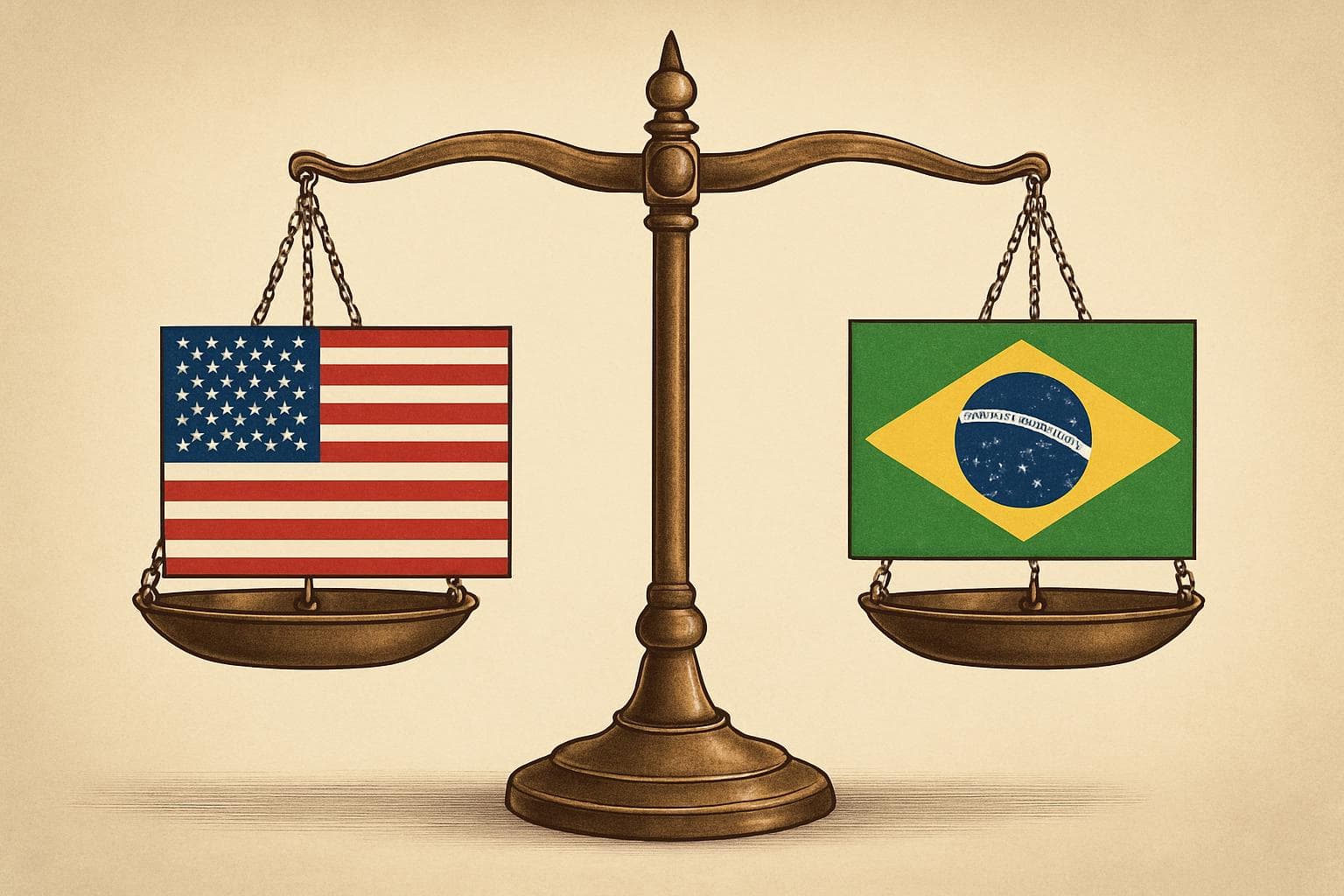
In a significant development in US-Brazil relations, the United States has lifted sanctions on Brazilian Supreme Court Judge Alexandre de Moraes, who presided over the conviction of former President Jair Bolsonaro. This move comes as Brazil's lower house of Congress approved a bill that could significantly reduce Bolsonaro's 27-year prison sentence for plotting a coup following his 2022 election defeat.
Sanctions Lifted Amid Legislative Changes
The US Department of the Treasury removed Judge de Moraes and his wife from the Global Magnitsky sanctions list, which targets individuals accused of human rights abuses. The sanctions, imposed in July, were lifted on Friday, following requests from Brazilian President Luiz Inácio Lula da Silva during negotiations with former US President Donald Trump. The sanctions had been a point of contention, with Trump initially justifying them as a response to what he termed a "witch hunt" against Bolsonaro.
Bolsonaro's Sentence Under Review
Bolsonaro, who is currently serving his sentence in Brasília, could see his term reduced to less than three years if the new bill becomes law. The legislation, backed by conservative lawmakers, has passed the lower house and now awaits Senate approval. If passed, it will require President Lula's signature, potentially setting up a political showdown. The bill falls short of the full amnesty sought by Bolsonaro and his supporters but represents a significant reduction in his sentence.
Evolving US-Brazil Relations
The lifting of sanctions is part of a broader thaw in relations between the US and Brazil. Recent weeks have seen a rapprochement between Trump and Lula, highlighted by positive exchanges during the UN General Assembly and subsequent meetings. US Deputy Secretary of State Christopher Landau noted that the US welcomes the legislative efforts in Brazil as a step towards addressing political weaponization of the legal process.
Reactions and Future Implications
Eduardo Bolsonaro, Jair Bolsonaro's son, expressed disappointment over the removal of sanctions but thanked Trump for his support. He vowed to continue advocating for his father's cause, emphasizing the ongoing "crisis of freedoms" in Brazil. Meanwhile, Brazil's Minister of Institutional Relations, Gleisi Hoffmann, hailed the lifting of sanctions as a victory for Brazil and President Lula.
WHAT THIS MIGHT MEAN
The lifting of sanctions on Judge de Moraes could signal a shift in US foreign policy towards Brazil, potentially leading to improved diplomatic relations. If the bill reducing Bolsonaro's sentence passes the Senate and is signed by President Lula, it could alter the political landscape in Brazil, possibly easing tensions between Bolsonaro's supporters and the current administration. However, any veto by Lula could reignite political strife, as Bolsonaro's allies continue to push for his full amnesty. The evolving dynamics between Trump and Lula may also influence future US-Brazil trade relations, especially if tariffs are further adjusted.
Related Articles
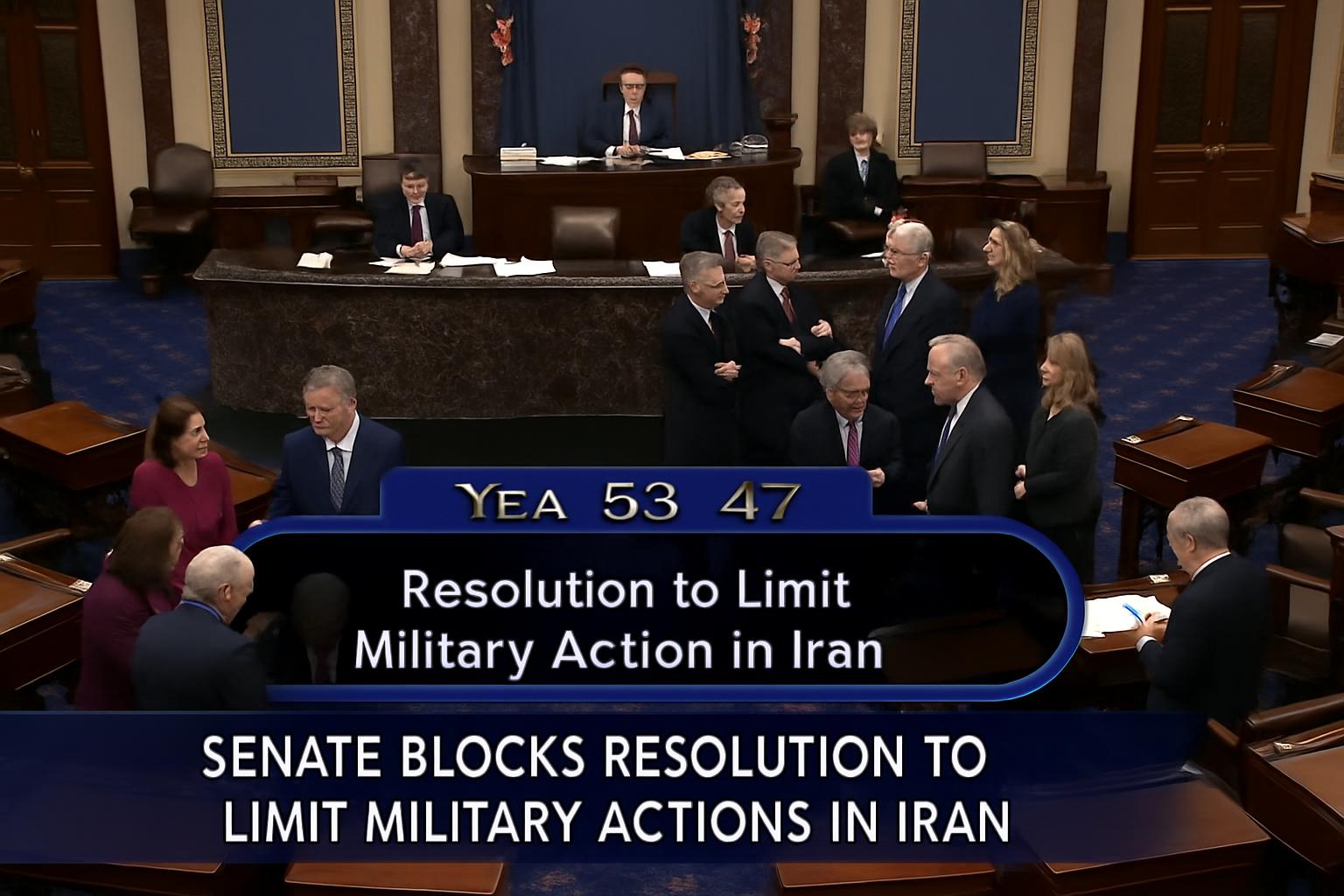
Senate Blocks Resolution to Limit Trump's Military Actions in Iran
Spain's Sánchez Stands Firm Against Trump's Trade Threat Over Iran Stance

Iran Postpones Khamenei Funeral Amid Escalating US-Israeli Strikes
Trump's New Tariff Strategy Sparks Global Trade Uncertainty
Congress Subpoenas Attorney General Bondi in Epstein Investigation

Cuba Faces Widespread Blackout Amid Deepening Fuel Crisis
US Lifts Sanctions on Brazilian Judge Amid Bolsonaro Sentence Reduction Efforts
In This Article
 Ethan Brooks| Published
 HIGHLIGHTS
- The US has lifted sanctions on Brazilian Supreme Court Judge Alexandre de Moraes, who led the investigation into Jair Bolsonaro's coup plot.
- Bolsonaro, sentenced to 27 years for attempting to overturn the 2022 election, may see his sentence reduced to under three years if a new bill passes.
- The bill, supported by conservative lawmakers, has passed Brazil's lower house and awaits Senate approval and President Lula's signature.
- The lifting of sanctions marks a shift in US-Brazil relations, with recent easing of tensions between Trump and Lula.
- Eduardo Bolsonaro expressed disappointment over the sanctions removal but remains committed to advocating for his father's cause.
In a significant development in US-Brazil relations, the United States has lifted sanctions on Brazilian Supreme Court Judge Alexandre de Moraes, who presided over the conviction of former President Jair Bolsonaro. This move comes as Brazil's lower house of Congress approved a bill that could significantly reduce Bolsonaro's 27-year prison sentence for plotting a coup following his 2022 election defeat.
Sanctions Lifted Amid Legislative Changes
The US Department of the Treasury removed Judge de Moraes and his wife from the Global Magnitsky sanctions list, which targets individuals accused of human rights abuses. The sanctions, imposed in July, were lifted on Friday, following requests from Brazilian President Luiz Inácio Lula da Silva during negotiations with former US President Donald Trump. The sanctions had been a point of contention, with Trump initially justifying them as a response to what he termed a "witch hunt" against Bolsonaro.
Bolsonaro's Sentence Under Review
Bolsonaro, who is currently serving his sentence in Brasília, could see his term reduced to less than three years if the new bill becomes law. The legislation, backed by conservative lawmakers, has passed the lower house and now awaits Senate approval. If passed, it will require President Lula's signature, potentially setting up a political showdown. The bill falls short of the full amnesty sought by Bolsonaro and his supporters but represents a significant reduction in his sentence.
Evolving US-Brazil Relations
The lifting of sanctions is part of a broader thaw in relations between the US and Brazil. Recent weeks have seen a rapprochement between Trump and Lula, highlighted by positive exchanges during the UN General Assembly and subsequent meetings. US Deputy Secretary of State Christopher Landau noted that the US welcomes the legislative efforts in Brazil as a step towards addressing political weaponization of the legal process.
Reactions and Future Implications
Eduardo Bolsonaro, Jair Bolsonaro's son, expressed disappointment over the removal of sanctions but thanked Trump for his support. He vowed to continue advocating for his father's cause, emphasizing the ongoing "crisis of freedoms" in Brazil. Meanwhile, Brazil's Minister of Institutional Relations, Gleisi Hoffmann, hailed the lifting of sanctions as a victory for Brazil and President Lula.
WHAT THIS MIGHT MEAN
The lifting of sanctions on Judge de Moraes could signal a shift in US foreign policy towards Brazil, potentially leading to improved diplomatic relations. If the bill reducing Bolsonaro's sentence passes the Senate and is signed by President Lula, it could alter the political landscape in Brazil, possibly easing tensions between Bolsonaro's supporters and the current administration. However, any veto by Lula could reignite political strife, as Bolsonaro's allies continue to push for his full amnesty. The evolving dynamics between Trump and Lula may also influence future US-Brazil trade relations, especially if tariffs are further adjusted.
Related Articles
Senate Blocks Resolution to Limit Trump's Military Actions in Iran
Spain's Sánchez Stands Firm Against Trump's Trade Threat Over Iran Stance
Iran Postpones Khamenei Funeral Amid Escalating US-Israeli Strikes
Trump's New Tariff Strategy Sparks Global Trade Uncertainty
Congress Subpoenas Attorney General Bondi in Epstein Investigation
Cuba Faces Widespread Blackout Amid Deepening Fuel Crisis