
Rising Tensions: US Military Buildup in Gulf as Trump Warns Iran Over Nuclear Deal
In This Article
HIGHLIGHTS
- The US is increasing military presence in the Gulf, with President Trump warning Iran that "time is running out" for a nuclear deal.
- Trump has threatened that any future US attack on Iran would be more severe than past strikes, such as Operation "Midnight Hammer."
- Iran has vowed to retaliate against any US aggression, maintaining its readiness to respond with military force.
- Protests in Iran, driven by economic woes, have led to a significant death toll, with human rights groups reporting thousands killed.
- The situation remains volatile, with potential for escalation into broader conflict if diplomatic solutions are not reached.
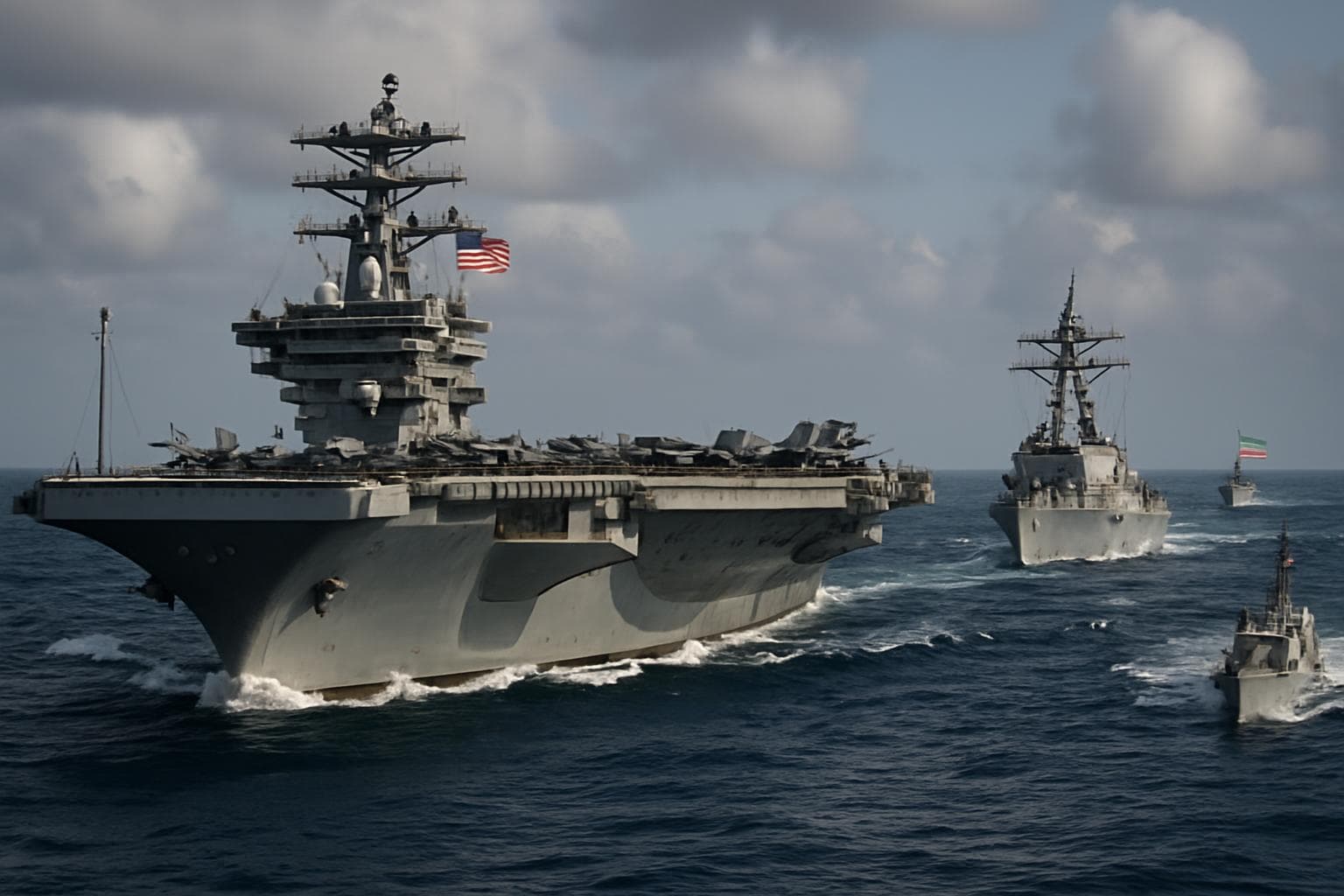
The specter of conflict between the United States and Iran looms large as President Donald Trump intensifies pressure on Tehran to negotiate a new nuclear agreement. With a significant buildup of US military forces in the Gulf region, Trump has issued a stark warning to Iran, stating that "time is running out" for a deal and that any future US military action would be more devastating than previous strikes.
US Military Buildup and Strategic Posturing
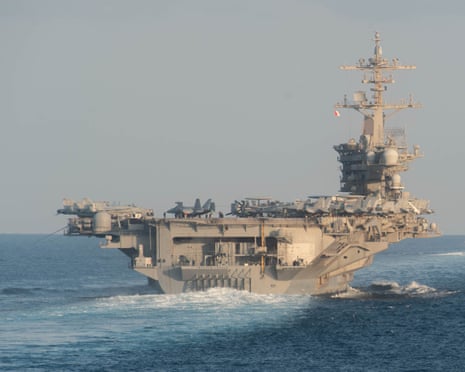
In recent weeks, the US has significantly increased its military presence in the Middle East, deploying additional aircraft and naval assets. The USS Abraham Lincoln, leading a formidable armada, is now positioned in the Gulf, signaling the US's readiness to act if necessary. This move follows last year's Operation "Midnight Hammer," which targeted Iran's nuclear facilities with precision airstrikes.
Iran's Defiant Stance
Iran's leadership remains defiant in the face of US threats. Iranian Foreign Minister Abbas Araghchi has declared that the country's armed forces are "ready to respond" to any US aggression. Despite the US's military superiority, Iran has vowed to retaliate using its arsenal of ballistic missiles and drones, which are strategically concealed across the country.
Domestic Unrest and Human Rights Concerns
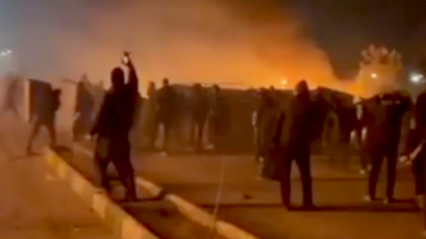
Meanwhile, Iran is grappling with internal unrest as protests, sparked by economic hardships, have resulted in a significant death toll. Human rights organizations report thousands of casualties, with the US-based Human Rights Activists News Agency confirming over 6,000 deaths. The protests have intensified the crisis of legitimacy facing Iran's clerical leadership.
Diplomatic Efforts and International Reactions
President Trump has urged Iran to "come to the table" for negotiations, emphasizing the need for a "fair and equitable" nuclear deal. However, Iranian officials have expressed skepticism about the US's intentions, questioning the sincerity of Trump's calls for dialogue. The international community watches closely, with European diplomats and regional allies concerned about the potential for escalation.
WHAT THIS MIGHT MEAN
The current standoff between the US and Iran presents several potential outcomes. If diplomatic efforts fail, the risk of military confrontation remains high, with significant implications for regional stability. An escalation could lead to broader conflict, drawing in neighboring countries and impacting global oil markets. Conversely, successful negotiations could pave the way for a new nuclear agreement, easing tensions and potentially leading to economic relief for Iran. Experts caution that the situation is fluid, and the actions of both nations in the coming weeks will be crucial in determining the path forward.
Images from the Web
Related Articles
Intensified US-Israel Strikes on Iran Spark Global Outcry
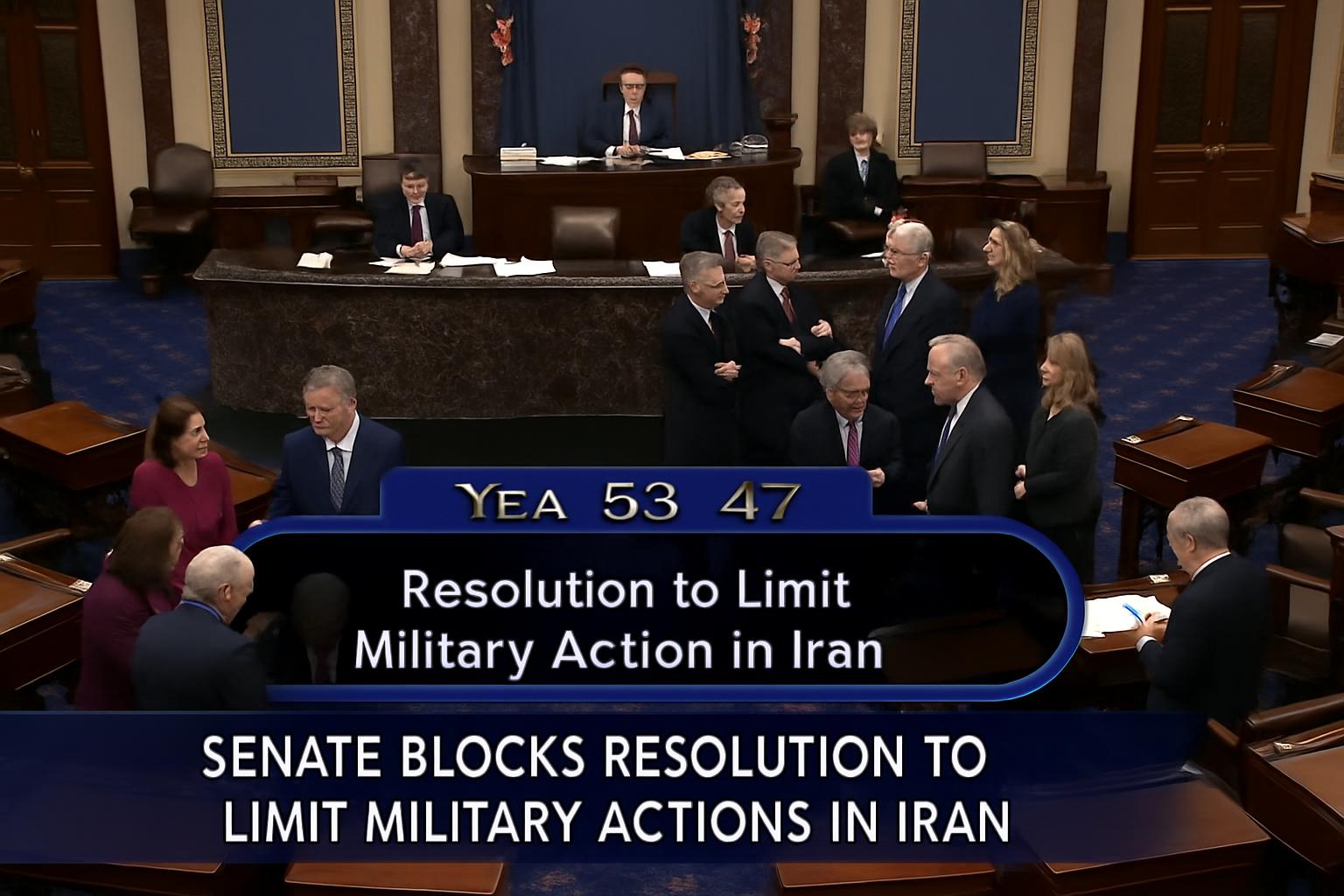
Senate Blocks Resolution to Limit Trump's Military Actions in Iran
Spain's Sánchez Stands Firm Against Trump's Trade Threat Over Iran Stance
Iran Postpones Khamenei Funeral Amid Escalating US-Israeli Strikes

UK Faces Dilemmas Amid Iran Conflict and China Spying Allegations
US and Israel Intensify Military Campaign as Iran's Capabilities Dwindle
Rising Tensions: US Military Buildup in Gulf as Trump Warns Iran Over Nuclear Deal
In This Article
 Ethan Brooks| Published
 HIGHLIGHTS
- The US is increasing military presence in the Gulf, with President Trump warning Iran that "time is running out" for a nuclear deal.
- Trump has threatened that any future US attack on Iran would be more severe than past strikes, such as Operation "Midnight Hammer."
- Iran has vowed to retaliate against any US aggression, maintaining its readiness to respond with military force.
- Protests in Iran, driven by economic woes, have led to a significant death toll, with human rights groups reporting thousands killed.
- The situation remains volatile, with potential for escalation into broader conflict if diplomatic solutions are not reached.
The specter of conflict between the United States and Iran looms large as President Donald Trump intensifies pressure on Tehran to negotiate a new nuclear agreement. With a significant buildup of US military forces in the Gulf region, Trump has issued a stark warning to Iran, stating that "time is running out" for a deal and that any future US military action would be more devastating than previous strikes.
US Military Buildup and Strategic Posturing
In recent weeks, the US has significantly increased its military presence in the Middle East, deploying additional aircraft and naval assets. The USS Abraham Lincoln, leading a formidable armada, is now positioned in the Gulf, signaling the US's readiness to act if necessary. This move follows last year's Operation "Midnight Hammer," which targeted Iran's nuclear facilities with precision airstrikes.
Iran's Defiant Stance
Iran's leadership remains defiant in the face of US threats. Iranian Foreign Minister Abbas Araghchi has declared that the country's armed forces are "ready to respond" to any US aggression. Despite the US's military superiority, Iran has vowed to retaliate using its arsenal of ballistic missiles and drones, which are strategically concealed across the country.
Domestic Unrest and Human Rights Concerns
Meanwhile, Iran is grappling with internal unrest as protests, sparked by economic hardships, have resulted in a significant death toll. Human rights organizations report thousands of casualties, with the US-based Human Rights Activists News Agency confirming over 6,000 deaths. The protests have intensified the crisis of legitimacy facing Iran's clerical leadership.
Diplomatic Efforts and International Reactions
President Trump has urged Iran to "come to the table" for negotiations, emphasizing the need for a "fair and equitable" nuclear deal. However, Iranian officials have expressed skepticism about the US's intentions, questioning the sincerity of Trump's calls for dialogue. The international community watches closely, with European diplomats and regional allies concerned about the potential for escalation.
WHAT THIS MIGHT MEAN
The current standoff between the US and Iran presents several potential outcomes. If diplomatic efforts fail, the risk of military confrontation remains high, with significant implications for regional stability. An escalation could lead to broader conflict, drawing in neighboring countries and impacting global oil markets. Conversely, successful negotiations could pave the way for a new nuclear agreement, easing tensions and potentially leading to economic relief for Iran. Experts caution that the situation is fluid, and the actions of both nations in the coming weeks will be crucial in determining the path forward.
Images from the Web
Related Articles
Intensified US-Israel Strikes on Iran Spark Global Outcry
Senate Blocks Resolution to Limit Trump's Military Actions in Iran
Spain's Sánchez Stands Firm Against Trump's Trade Threat Over Iran Stance
Iran Postpones Khamenei Funeral Amid Escalating US-Israeli Strikes
UK Faces Dilemmas Amid Iran Conflict and China Spying Allegations
US and Israel Intensify Military Campaign as Iran's Capabilities Dwindle