
US Military Intervention in Venezuela Sparks Global Debate

In This Article
HIGHLIGHTS
- The US military captured Venezuelan President Nicolás Maduro, leading to Delcy Rodríguez being named interim president.
- President Trump announced the US would oversee Venezuela until a stable transition is possible, sparking international debate.
- The US operation has been criticized as a breach of international law, with concerns about potential instability in Venezuela.
- Trump warned Rodríguez of severe consequences if she does not comply with US demands, hinting at further military action.
- The situation has strained US relations with allies like Cuba and Colombia, raising regional security concerns.
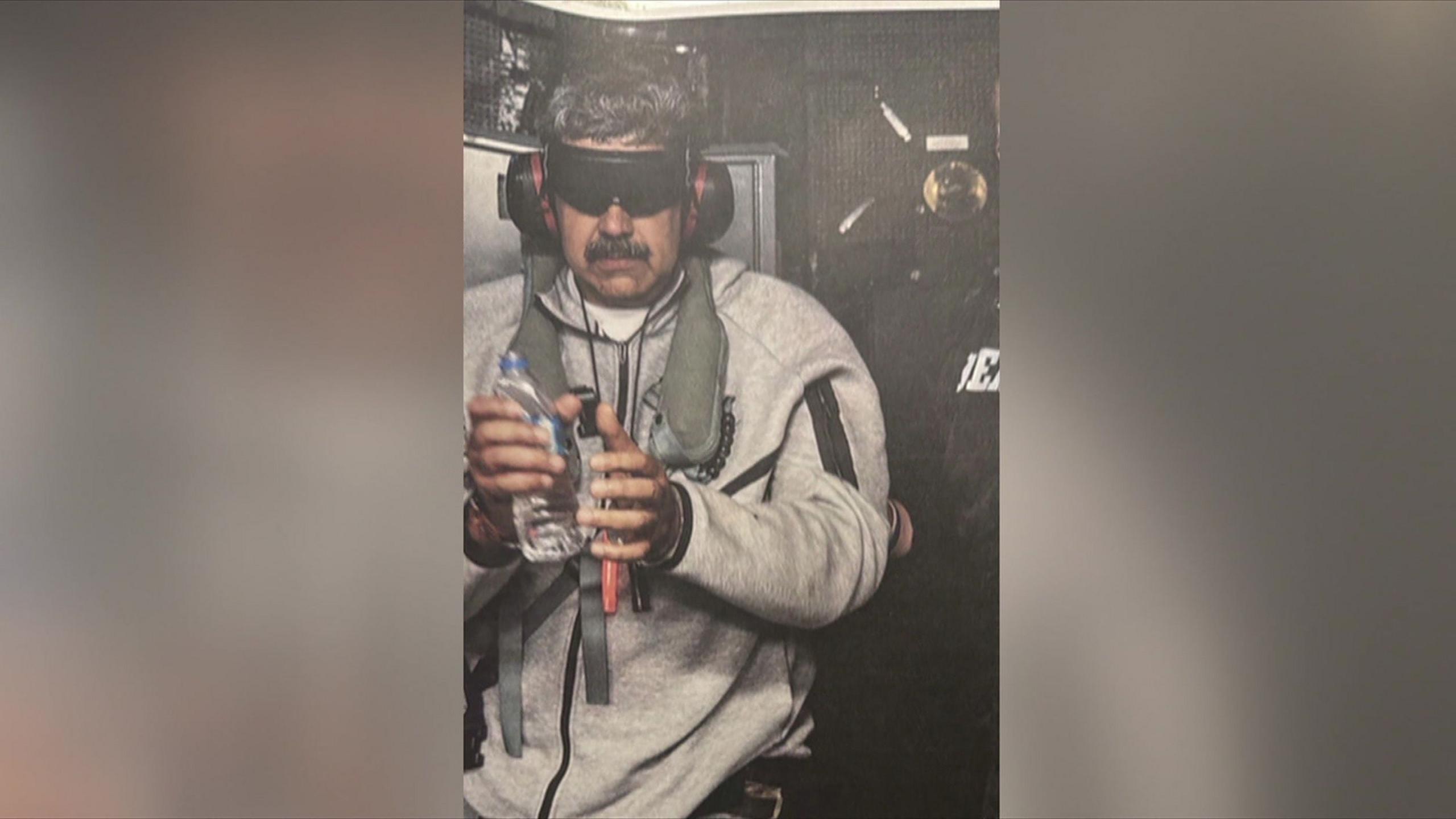
In a dramatic turn of events, the United States has captured Venezuelan President Nicolás Maduro, with interim leadership now in the hands of Delcy Rodríguez. The operation, ordered by President Donald Trump, has drawn significant international attention and criticism, raising questions about the future of US-Venezuela relations and the implications for regional stability.
US Takes Control Amidst Controversy
Announced at a press conference in Florida, President Trump declared that the US would "run" Venezuela until a safe and proper transition could be ensured. This bold move has been met with both support and condemnation. Trump emphasized that Rodríguez, who previously served as Maduro's vice president, must align with US interests or face severe repercussions. "If she doesn't do what's right, she is going to pay a very big price," Trump warned, underscoring the US's firm stance.
International Reactions and Legal Concerns
The military intervention has sparked a wave of international criticism, with many viewing it as a violation of international law. European leaders have expressed unease, balancing the desire for democratic transition with the need to uphold legal principles. Yale professor Oona Hathaway noted, "The US action was a breach of international law unlike any before." Meanwhile, Cuba and Colombia have voiced strong opposition, with Colombian President Gustavo Petro labeling the move an "assault on sovereignty."
Regional Implications and Future Prospects
The capture of Maduro has heightened tensions in Latin America, with potential repercussions for regional security. The US maintains a significant military presence in the Caribbean, prepared for further action if necessary. Marco Rubio, US Secretary of State, emphasized that the US is not at war with Venezuela but is targeting drug trafficking organizations. However, the situation remains volatile, with Maduro's supporters and regional allies like Cuba expressing defiance.
WHAT THIS MIGHT MEAN
The US intervention in Venezuela could lead to a prolonged period of instability, with potential for further military actions if Rodríguez does not comply with US demands. The situation may strain US relations with Latin American countries, particularly if regional allies perceive the intervention as a threat to sovereignty. Experts warn that the operation could set a precedent for future US foreign policy, impacting global perceptions of American military interventions. As the situation unfolds, the international community will closely watch how the US navigates the complex political landscape in Venezuela.
Images from the Web
Related Articles
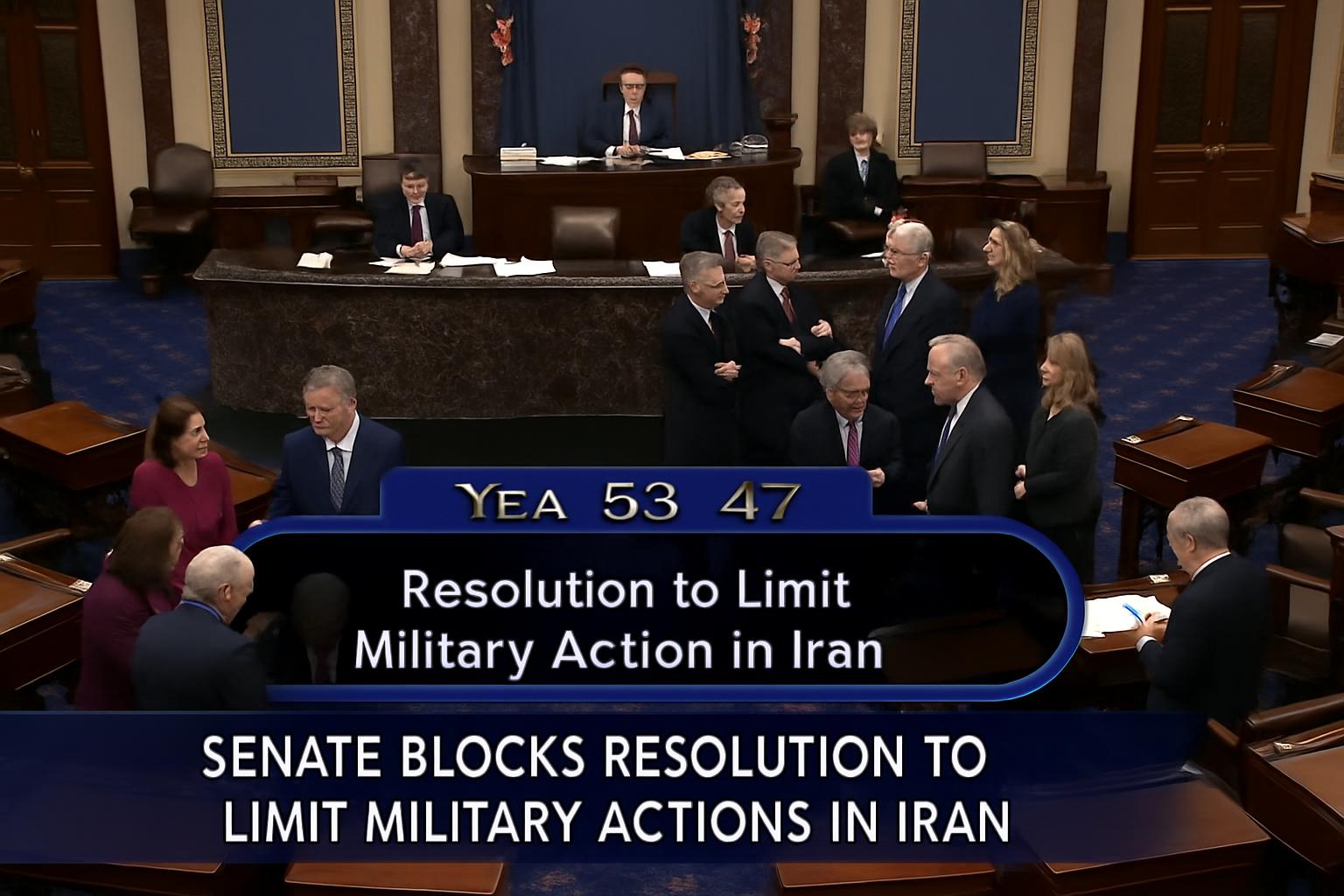
Senate Blocks Resolution to Limit Trump's Military Actions in Iran
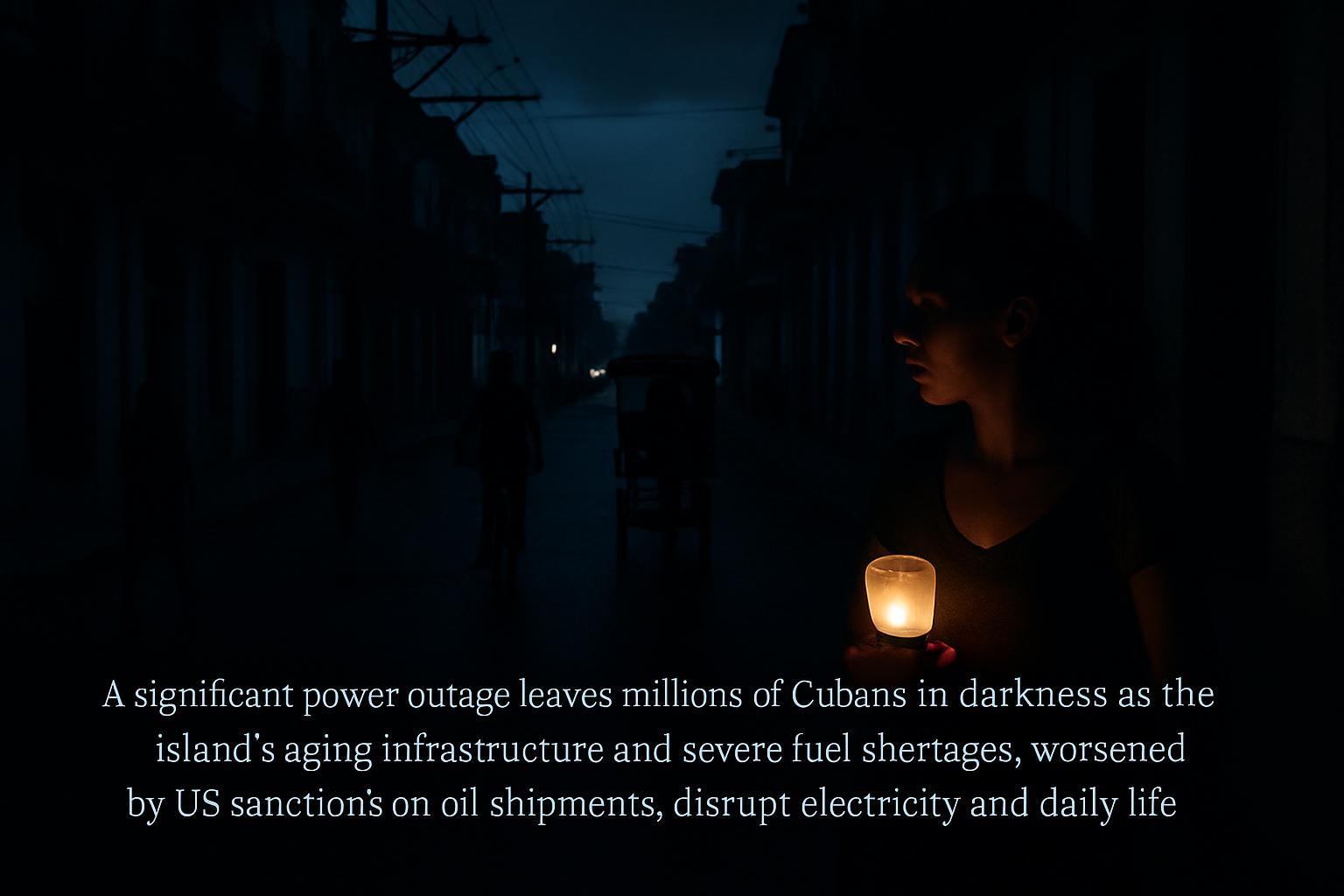
Cuba Faces Widespread Blackout Amid Deepening Fuel Crisis
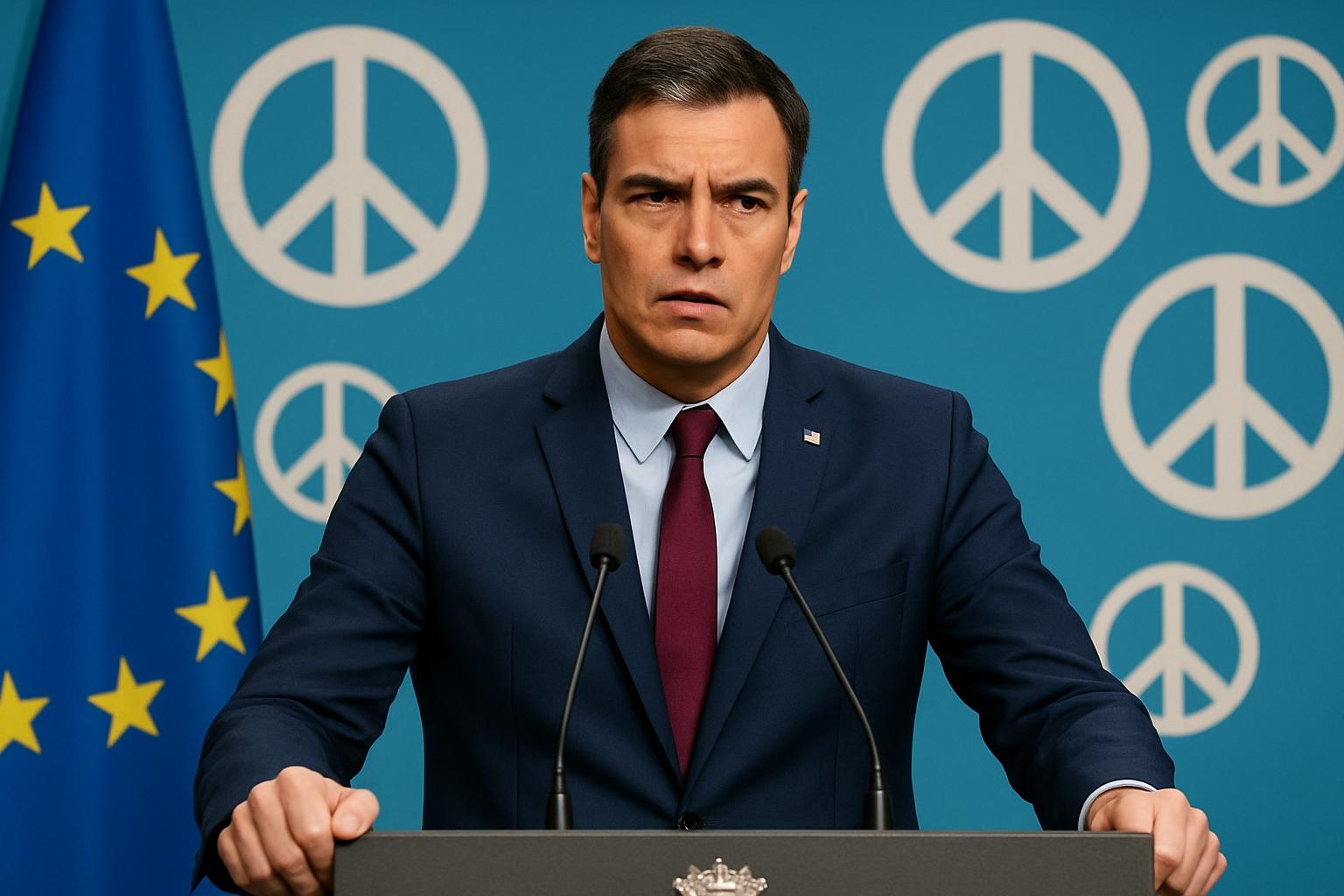
Spain's Sánchez Stands Firm Against Trump's Trade Threat Over Iran Stance
Iran Postpones Khamenei Funeral Amid Escalating US-Israeli Strikes
Congress Subpoenas Attorney General Bondi in Epstein Investigation

UK Faces Dilemmas Amid Iran Conflict and China Spying Allegations
US Military Intervention in Venezuela Sparks Global Debate
In This Article
 Ethan Brooks| Published
 HIGHLIGHTS
- The US military captured Venezuelan President Nicolás Maduro, leading to Delcy Rodríguez being named interim president.
- President Trump announced the US would oversee Venezuela until a stable transition is possible, sparking international debate.
- The US operation has been criticized as a breach of international law, with concerns about potential instability in Venezuela.
- Trump warned Rodríguez of severe consequences if she does not comply with US demands, hinting at further military action.
- The situation has strained US relations with allies like Cuba and Colombia, raising regional security concerns.
In a dramatic turn of events, the United States has captured Venezuelan President Nicolás Maduro, with interim leadership now in the hands of Delcy Rodríguez. The operation, ordered by President Donald Trump, has drawn significant international attention and criticism, raising questions about the future of US-Venezuela relations and the implications for regional stability.
US Takes Control Amidst Controversy
Announced at a press conference in Florida, President Trump declared that the US would "run" Venezuela until a safe and proper transition could be ensured. This bold move has been met with both support and condemnation. Trump emphasized that Rodríguez, who previously served as Maduro's vice president, must align with US interests or face severe repercussions. "If she doesn't do what's right, she is going to pay a very big price," Trump warned, underscoring the US's firm stance.
International Reactions and Legal Concerns
The military intervention has sparked a wave of international criticism, with many viewing it as a violation of international law. European leaders have expressed unease, balancing the desire for democratic transition with the need to uphold legal principles. Yale professor Oona Hathaway noted, "The US action was a breach of international law unlike any before." Meanwhile, Cuba and Colombia have voiced strong opposition, with Colombian President Gustavo Petro labeling the move an "assault on sovereignty."
Regional Implications and Future Prospects
The capture of Maduro has heightened tensions in Latin America, with potential repercussions for regional security. The US maintains a significant military presence in the Caribbean, prepared for further action if necessary. Marco Rubio, US Secretary of State, emphasized that the US is not at war with Venezuela but is targeting drug trafficking organizations. However, the situation remains volatile, with Maduro's supporters and regional allies like Cuba expressing defiance.
WHAT THIS MIGHT MEAN
The US intervention in Venezuela could lead to a prolonged period of instability, with potential for further military actions if Rodríguez does not comply with US demands. The situation may strain US relations with Latin American countries, particularly if regional allies perceive the intervention as a threat to sovereignty. Experts warn that the operation could set a precedent for future US foreign policy, impacting global perceptions of American military interventions. As the situation unfolds, the international community will closely watch how the US navigates the complex political landscape in Venezuela.
Images from the Web
Related Articles
Senate Blocks Resolution to Limit Trump's Military Actions in Iran
Cuba Faces Widespread Blackout Amid Deepening Fuel Crisis
Spain's Sánchez Stands Firm Against Trump's Trade Threat Over Iran Stance
Iran Postpones Khamenei Funeral Amid Escalating US-Israeli Strikes
Congress Subpoenas Attorney General Bondi in Epstein Investigation
UK Faces Dilemmas Amid Iran Conflict and China Spying Allegations