
Controversy Surrounds US Military Strike on Suspected Drug Boat
In This Article
HIGHLIGHTS
- A US military strike on a suspected drug boat on 2 September led to controversy over its legality and execution.
- Initial reports indicated two survivors were killed in a second strike, raising questions about compliance with international law.
- The Trump administration defended the operation, citing internal legal approval and the need to eliminate threats.
- Lawmakers from both parties have called for a thorough investigation into the incident.
- The operation is part of a broader campaign against drug trafficking in the Caribbean and Eastern Pacific.
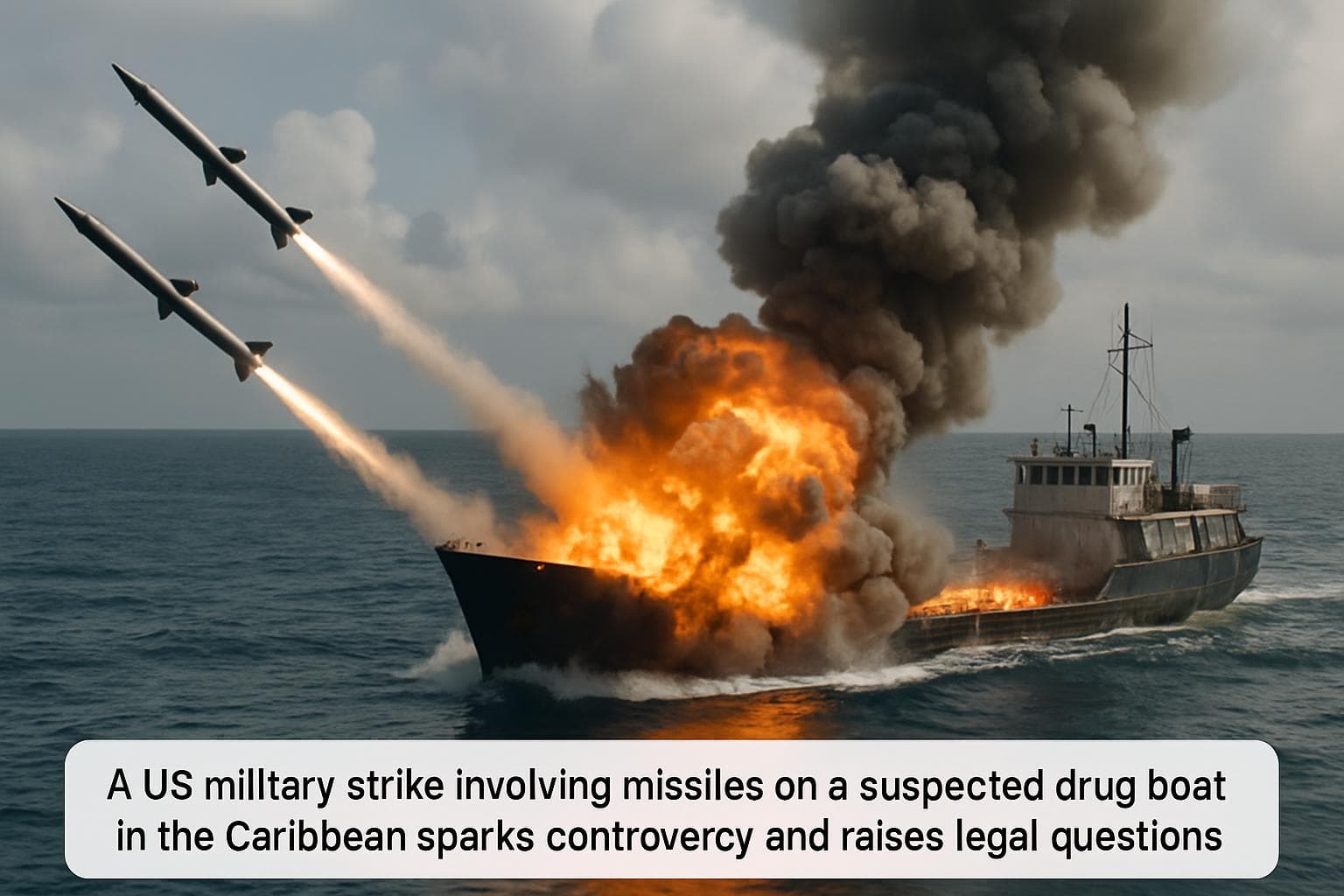
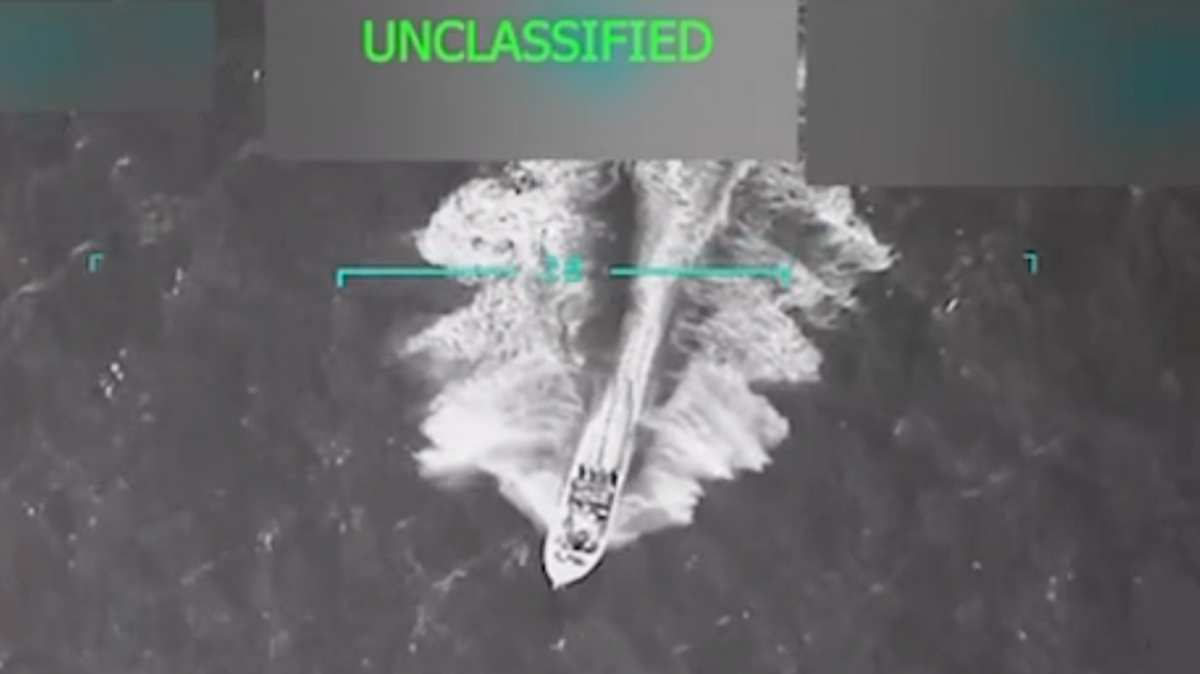
A US military strike on a suspected drug boat in the Caribbean has sparked significant controversy, with evolving narratives and legal scrutiny. The incident, which occurred on 2 September, initially came to light when former President Donald Trump announced the strike, claiming it targeted a Venezuelan gang's vessel carrying drugs. The operation, which reportedly involved four missiles, has since raised questions about its legality and execution.
Evolving Narratives and Legal Justifications
The strike, which allegedly left two survivors before a second attack killed them, has been defended by Trump administration officials. They argue that the follow-up strike aimed to ensure the complete destruction of the boat, a move they claim was legally sanctioned. Karoline Leavitt, the White House press secretary, stated that Adm Frank Bradley, who oversaw the operation, acted within legal bounds to eliminate the threat. The Pentagon's internal legal approval, based on a secret Office of Legal Counsel memo, supports the use of lethal force against unflagged vessels carrying cocaine, citing the cartels' involvement in armed conflict.
Political and Legal Repercussions
The incident has drawn bipartisan concern, with lawmakers demanding a full investigation into the operation. Both Democratic and Republican members of the Senate Armed Services Committee have expressed the need for transparency, questioning whether the strike adhered to international law. Virginia Senator Tim Kaine highlighted the potential legal violations, describing the "double-tap" strike as troubling.
Broader Campaign Against Drug Trafficking
This controversial strike is part of a larger US military campaign targeting drug trafficking routes in the Caribbean and Eastern Pacific. The operation aims to disrupt the financial networks of drug cartels, which allegedly use proceeds to fund violence. Despite the administration's defense, the incident has underscored the complexities of military operations against non-state actors and the legal frameworks governing such actions.
WHAT THIS MIGHT MEAN
The ongoing scrutiny of the 2 September strike could lead to significant political and legal ramifications for the Trump administration. If investigations reveal violations of international law, it may prompt calls for policy changes in how the US conducts military operations against drug trafficking. Additionally, the incident could influence future military engagements, emphasizing the need for clear legal guidelines and transparency. As lawmakers continue to probe the operation, the administration may face increased pressure to justify its actions and ensure compliance with international standards.
Images from the Web
Related Articles

Senate Blocks Resolution to Limit Trump's Military Actions in Iran

Cuba Faces Widespread Blackout Amid Deepening Fuel Crisis

US and Israel Intensify Military Campaign as Iran's Capabilities Dwindle
Spain's Sánchez Stands Firm Against Trump's Trade Threat Over Iran Stance
Iran Postpones Khamenei Funeral Amid Escalating US-Israeli Strikes

Tech Giants Pledge to Cover AI Data Center Energy Costs Amid Rising Electricity Concerns
Controversy Surrounds US Military Strike on Suspected Drug Boat
In This Article
 Ethan Brooks| Published
 HIGHLIGHTS
- A US military strike on a suspected drug boat on 2 September led to controversy over its legality and execution.
- Initial reports indicated two survivors were killed in a second strike, raising questions about compliance with international law.
- The Trump administration defended the operation, citing internal legal approval and the need to eliminate threats.
- Lawmakers from both parties have called for a thorough investigation into the incident.
- The operation is part of a broader campaign against drug trafficking in the Caribbean and Eastern Pacific.
A US military strike on a suspected drug boat in the Caribbean has sparked significant controversy, with evolving narratives and legal scrutiny. The incident, which occurred on 2 September, initially came to light when former President Donald Trump announced the strike, claiming it targeted a Venezuelan gang's vessel carrying drugs. The operation, which reportedly involved four missiles, has since raised questions about its legality and execution.
Evolving Narratives and Legal Justifications
The strike, which allegedly left two survivors before a second attack killed them, has been defended by Trump administration officials. They argue that the follow-up strike aimed to ensure the complete destruction of the boat, a move they claim was legally sanctioned. Karoline Leavitt, the White House press secretary, stated that Adm Frank Bradley, who oversaw the operation, acted within legal bounds to eliminate the threat. The Pentagon's internal legal approval, based on a secret Office of Legal Counsel memo, supports the use of lethal force against unflagged vessels carrying cocaine, citing the cartels' involvement in armed conflict.
Political and Legal Repercussions
The incident has drawn bipartisan concern, with lawmakers demanding a full investigation into the operation. Both Democratic and Republican members of the Senate Armed Services Committee have expressed the need for transparency, questioning whether the strike adhered to international law. Virginia Senator Tim Kaine highlighted the potential legal violations, describing the "double-tap" strike as troubling.
Broader Campaign Against Drug Trafficking
This controversial strike is part of a larger US military campaign targeting drug trafficking routes in the Caribbean and Eastern Pacific. The operation aims to disrupt the financial networks of drug cartels, which allegedly use proceeds to fund violence. Despite the administration's defense, the incident has underscored the complexities of military operations against non-state actors and the legal frameworks governing such actions.
WHAT THIS MIGHT MEAN
The ongoing scrutiny of the 2 September strike could lead to significant political and legal ramifications for the Trump administration. If investigations reveal violations of international law, it may prompt calls for policy changes in how the US conducts military operations against drug trafficking. Additionally, the incident could influence future military engagements, emphasizing the need for clear legal guidelines and transparency. As lawmakers continue to probe the operation, the administration may face increased pressure to justify its actions and ensure compliance with international standards.
Images from the Web
Related Articles
Senate Blocks Resolution to Limit Trump's Military Actions in Iran
Cuba Faces Widespread Blackout Amid Deepening Fuel Crisis
US and Israel Intensify Military Campaign as Iran's Capabilities Dwindle
Spain's Sánchez Stands Firm Against Trump's Trade Threat Over Iran Stance
Iran Postpones Khamenei Funeral Amid Escalating US-Israeli Strikes
Tech Giants Pledge to Cover AI Data Center Energy Costs Amid Rising Electricity Concerns