
US Proposes Special Economic Zone in Ukraine Amid Ongoing Peace Talks

In This Article
HIGHLIGHTS
- The US has proposed a "special economic zone" in Ukraine's Donbas region, requiring Ukrainian troop withdrawal without Russian advancement.
- Ukrainian President Zelensky expressed skepticism, citing concerns over Russian compliance and the fairness of the proposal.
- The Zaporizhzhia nuclear plant remains a contentious issue, with potential shared control between Kyiv and the US.
- President Trump is frustrated with the ongoing negotiations, pressuring Ukraine to accept the US peace plan.
- Zelensky insists any territorial concessions must be decided by the Ukrainian people through elections or a referendum.
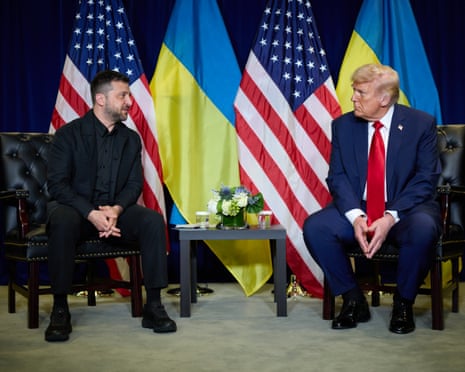
The United States has put forward a proposal for the creation of a "special economic zone" in Ukraine's Donbas region, a move that would require Ukrainian forces to withdraw from the area while preventing Russian troops from advancing. Ukrainian President Volodymyr Zelensky revealed this development during a press briefing, highlighting the complexities and challenges of the ongoing peace negotiations.
Proposal Details and Concerns
The US proposal aims to establish a demilitarized zone in the Donbas region, which has been a focal point of the conflict between Ukraine and Russia. However, Zelensky has voiced significant concerns regarding the feasibility and fairness of the plan. "What will restrain [Russia] from advancing? Or from infiltrating disguised as civilians?" Zelensky questioned, emphasizing the need for guarantees that Russian forces would not exploit the situation.
Nuclear Plant Dispute
Another critical issue in the negotiations is the control of the Zaporizhzhia nuclear power plant, Europe's largest, which has been under Russian control since March 2022. Zelensky suggested a potential solution involving shared control with the US, although he acknowledged the uncertainty surrounding such an arrangement and Russia's willingness to agree.
US Frustration and Pressure
President Donald Trump has expressed frustration with the protracted nature of the peace talks, as noted by White House press secretary Karoline Leavitt. Trump has been pressuring Zelensky to accept the US peace plan, criticizing the Ukrainian leader for allegedly not engaging with the draft proposal. Despite this pressure, Zelensky remains firm that any territorial concessions must be approved by the Ukrainian populace through democratic means.
Ongoing Negotiations
The Ukrainian negotiating team has sent an updated peace plan to Washington, addressing unresolved issues such as territorial control and the nuclear plant. Zelensky emphasized that the plan is still under revision and that the outcome of the negotiations will significantly depend on the military situation on the ground.
WHAT THIS MIGHT MEAN
The proposal for a special economic zone in Donbas could potentially pave the way for a de-escalation of hostilities if both parties agree to the terms. However, the lack of trust between Ukraine and Russia poses a significant hurdle. Should the US and Ukraine reach an agreement, the next challenge will be securing Russian President Vladimir Putin's cooperation, which remains uncertain given Russia's strategic interests in the region.
The ongoing negotiations also have broader geopolitical implications, as the US seeks to balance its support for Ukraine with the desire for a swift resolution to the conflict. The outcome of these talks could influence future US foreign policy and its relations with European allies, who are closely monitoring the situation.
Images from the Web
Related Articles
Russian LNG Tanker Sinks in Mediterranean Amid Accusations of Ukrainian Drone Attack
Cuba Faces Widespread Blackout Amid Deepening Fuel Crisis

UK Faces Dilemmas Amid Iran Conflict and China Spying Allegations
China Sets Lowest GDP Growth Target in Decades Amid Economic Challenges

Tech Giants Pledge to Cover AI Data Center Energy Costs Amid Rising Electricity Concerns

Congress Subpoenas Attorney General Bondi in Epstein Investigation
US Proposes Special Economic Zone in Ukraine Amid Ongoing Peace Talks
In This Article
 Alex Carter| Published
 HIGHLIGHTS
- The US has proposed a "special economic zone" in Ukraine's Donbas region, requiring Ukrainian troop withdrawal without Russian advancement.
- Ukrainian President Zelensky expressed skepticism, citing concerns over Russian compliance and the fairness of the proposal.
- The Zaporizhzhia nuclear plant remains a contentious issue, with potential shared control between Kyiv and the US.
- President Trump is frustrated with the ongoing negotiations, pressuring Ukraine to accept the US peace plan.
- Zelensky insists any territorial concessions must be decided by the Ukrainian people through elections or a referendum.
The United States has put forward a proposal for the creation of a "special economic zone" in Ukraine's Donbas region, a move that would require Ukrainian forces to withdraw from the area while preventing Russian troops from advancing. Ukrainian President Volodymyr Zelensky revealed this development during a press briefing, highlighting the complexities and challenges of the ongoing peace negotiations.
Proposal Details and Concerns
The US proposal aims to establish a demilitarized zone in the Donbas region, which has been a focal point of the conflict between Ukraine and Russia. However, Zelensky has voiced significant concerns regarding the feasibility and fairness of the plan. "What will restrain [Russia] from advancing? Or from infiltrating disguised as civilians?" Zelensky questioned, emphasizing the need for guarantees that Russian forces would not exploit the situation.
Nuclear Plant Dispute
Another critical issue in the negotiations is the control of the Zaporizhzhia nuclear power plant, Europe's largest, which has been under Russian control since March 2022. Zelensky suggested a potential solution involving shared control with the US, although he acknowledged the uncertainty surrounding such an arrangement and Russia's willingness to agree.
US Frustration and Pressure
President Donald Trump has expressed frustration with the protracted nature of the peace talks, as noted by White House press secretary Karoline Leavitt. Trump has been pressuring Zelensky to accept the US peace plan, criticizing the Ukrainian leader for allegedly not engaging with the draft proposal. Despite this pressure, Zelensky remains firm that any territorial concessions must be approved by the Ukrainian populace through democratic means.
Ongoing Negotiations
The Ukrainian negotiating team has sent an updated peace plan to Washington, addressing unresolved issues such as territorial control and the nuclear plant. Zelensky emphasized that the plan is still under revision and that the outcome of the negotiations will significantly depend on the military situation on the ground.
WHAT THIS MIGHT MEAN
The proposal for a special economic zone in Donbas could potentially pave the way for a de-escalation of hostilities if both parties agree to the terms. However, the lack of trust between Ukraine and Russia poses a significant hurdle. Should the US and Ukraine reach an agreement, the next challenge will be securing Russian President Vladimir Putin's cooperation, which remains uncertain given Russia's strategic interests in the region.
The ongoing negotiations also have broader geopolitical implications, as the US seeks to balance its support for Ukraine with the desire for a swift resolution to the conflict. The outcome of these talks could influence future US foreign policy and its relations with European allies, who are closely monitoring the situation.
Images from the Web
Related Articles
Russian LNG Tanker Sinks in Mediterranean Amid Accusations of Ukrainian Drone Attack
Cuba Faces Widespread Blackout Amid Deepening Fuel Crisis
UK Faces Dilemmas Amid Iran Conflict and China Spying Allegations
China Sets Lowest GDP Growth Target in Decades Amid Economic Challenges
Tech Giants Pledge to Cover AI Data Center Energy Costs Amid Rising Electricity Concerns
Congress Subpoenas Attorney General Bondi in Epstein Investigation