
US Pushes for Ukraine-Russia Peace Deal by June Amid Energy Crisis

In This Article
HIGHLIGHTS
- Ukrainian President Zelenskyy stated the US aims to conclude the Ukraine-Russia conflict by June, potentially linked to US midterm elections.
- The US has invited both nations for peace talks in Miami next week, with Ukraine confirming participation.
- Russia continues to target Ukraine's energy infrastructure, causing widespread power outages amid freezing conditions.
- The Trump administration is reportedly exerting pressure on both sides to reach a peace agreement by summer.
- Economic challenges in Russia, including falling oil prices and rising corporate bankruptcies, may impact the conflict's trajectory.
Ukrainian President Volodymyr Zelenskyy has revealed that the United States is pushing for a resolution to the ongoing conflict between Ukraine and Russia by June, a timeline that coincides with the US midterm elections. This development comes as both nations have been invited to participate in peace talks in Miami next week, with Ukraine confirming its attendance.
US Deadline and Political Context
The Trump administration has reportedly set a June deadline for peace, a move that Zelenskyy suggests may be influenced by the upcoming US midterm elections. "The elections are definitely more important for them," Zelenskyy remarked, highlighting the potential political motivations behind the timeline. The US has previously set deadlines for peace, with past attempts failing to yield a conclusive agreement.
Continued Russian Attacks on Energy Infrastructure
As diplomatic efforts continue, Russia has intensified its attacks on Ukraine's energy infrastructure, leading to significant power outages across the country. Ukrainian Energy Minister Denys Shmyhal reported that recent strikes targeted substations and power plants, exacerbating the power deficit. In the western region of Lviv, the Dobrotvir power plant was hit, leaving thousands without electricity.
Economic Strains in Russia
Meanwhile, Russia faces mounting economic challenges, with falling oil prices and increased corporate bankruptcies. These economic pressures could influence the Kremlin's approach to the conflict. Experts suggest that Russia's economic woes may affect its ability to sustain prolonged military engagements.
Upcoming Peace Negotiations
The upcoming Miami talks represent a critical opportunity for progress, with the US reportedly keen on securing a peace deal. Zelenskyy emphasized the importance of setting a deadline if Russia is genuinely ready to end the war. The outcome of these negotiations could significantly impact the future of the Ukraine-Russia conflict.
WHAT THIS MIGHT MEAN
The proposed June deadline for peace between Ukraine and Russia could lead to intensified diplomatic efforts in the coming months. If successful, the Miami talks may pave the way for a resolution, potentially easing tensions and stabilizing the region. However, the ongoing Russian attacks on Ukraine's energy infrastructure and the economic challenges facing Russia could complicate negotiations. The US midterm elections add another layer of complexity, as political considerations may influence the urgency and approach of the Trump administration. Ultimately, the success of these peace efforts will depend on the willingness of both parties to compromise and the ability of international mediators to facilitate a viable agreement.
Images from the Web
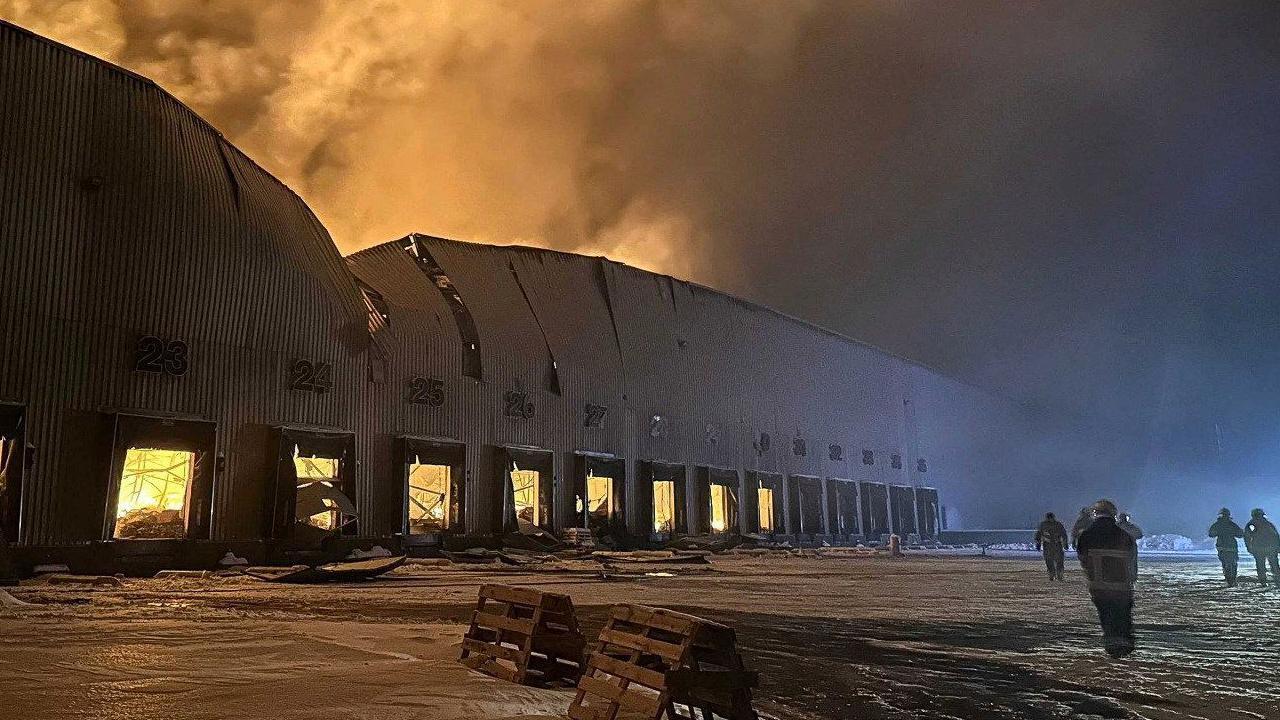
Related Articles

Russia-Ukraine Conflict: Four Years of Unyielding Struggle and Human Resilience
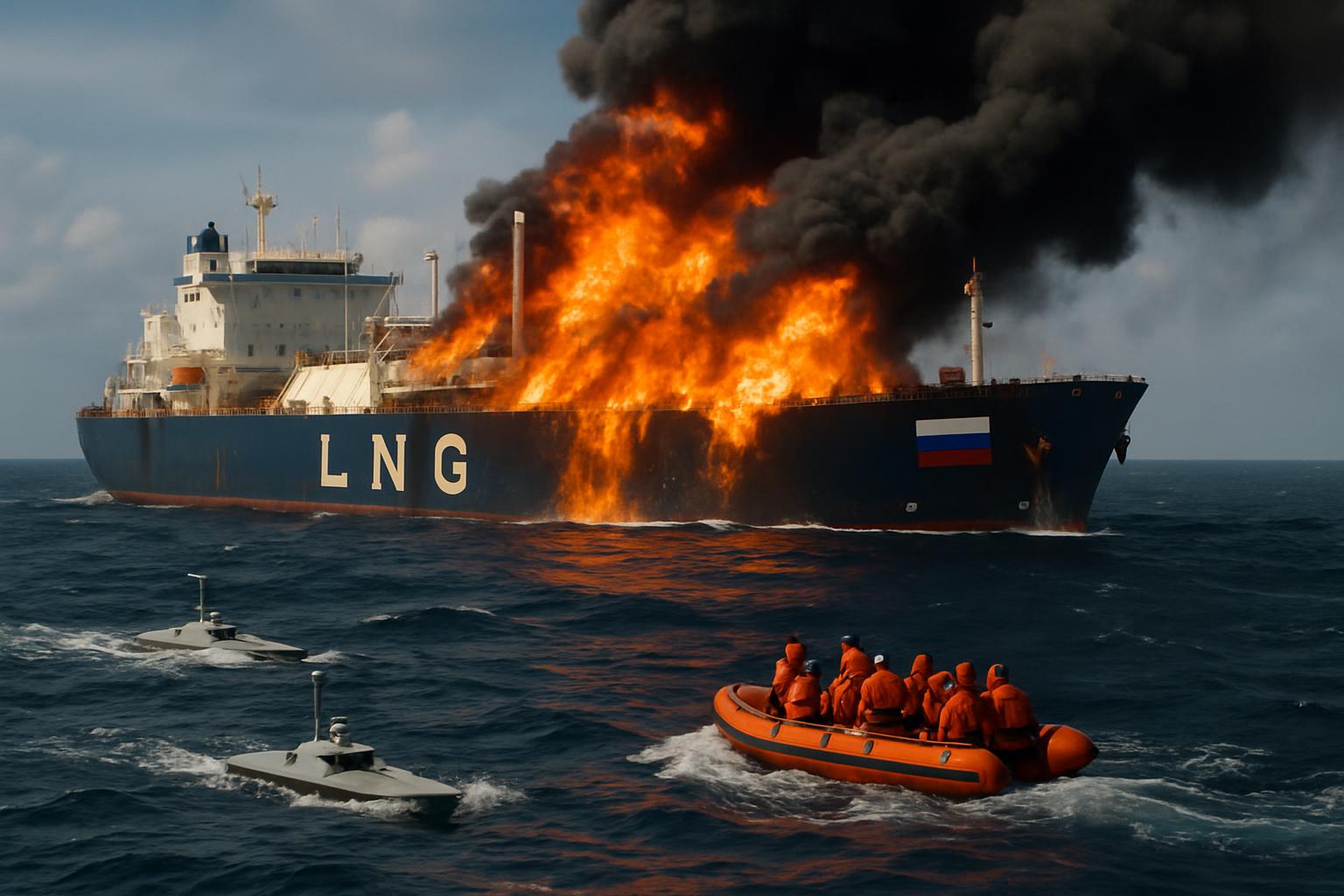
Russian LNG Tanker Sinks in Mediterranean Amid Accusations of Ukrainian Drone Attack

Iran Postpones Khamenei Funeral Amid Escalating US-Israeli Strikes

US-Iran Tensions Escalate Amid Renewed Nuclear Talks and Protests
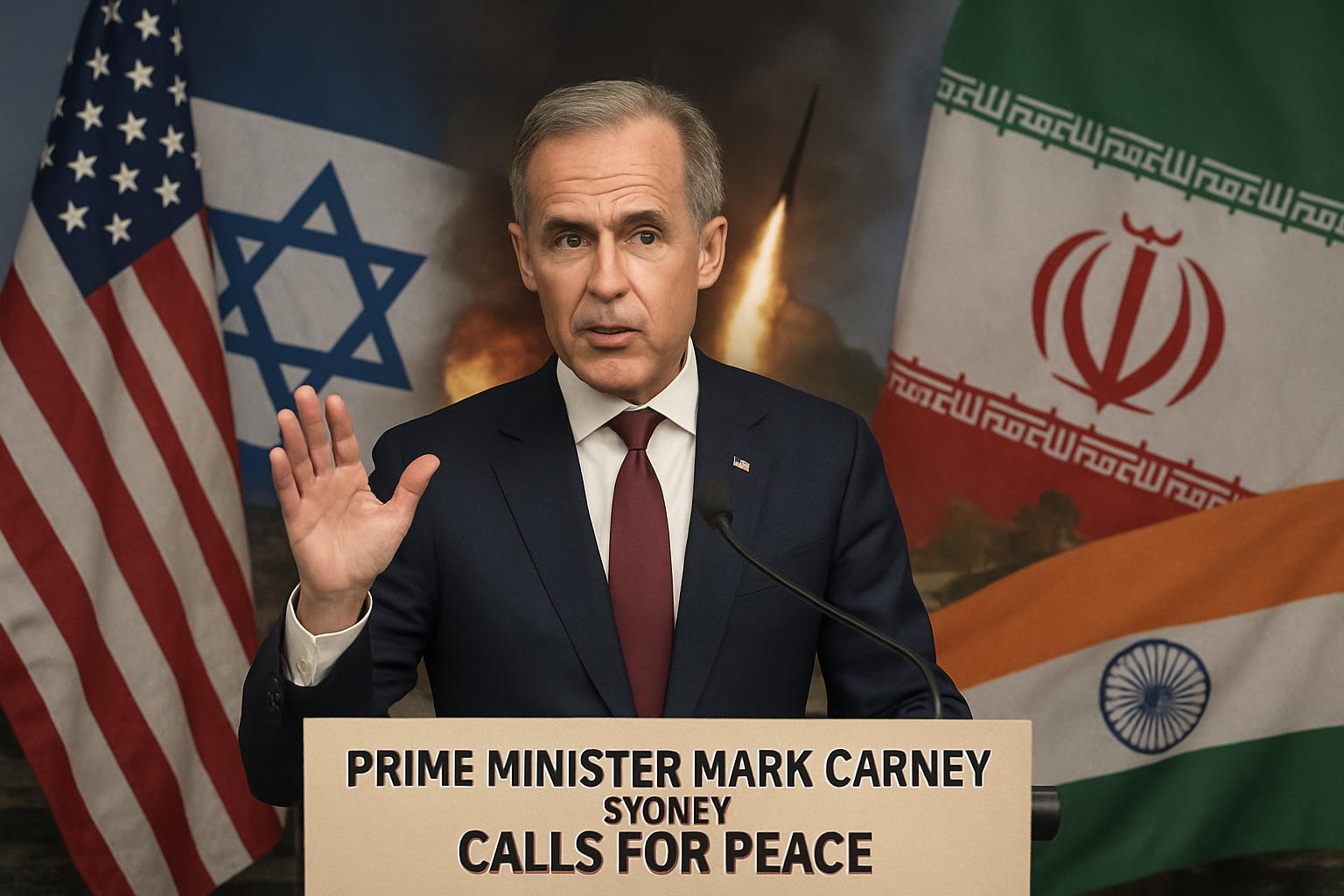
Canada Calls for De-escalation Amid US-Israel Strikes on Iran
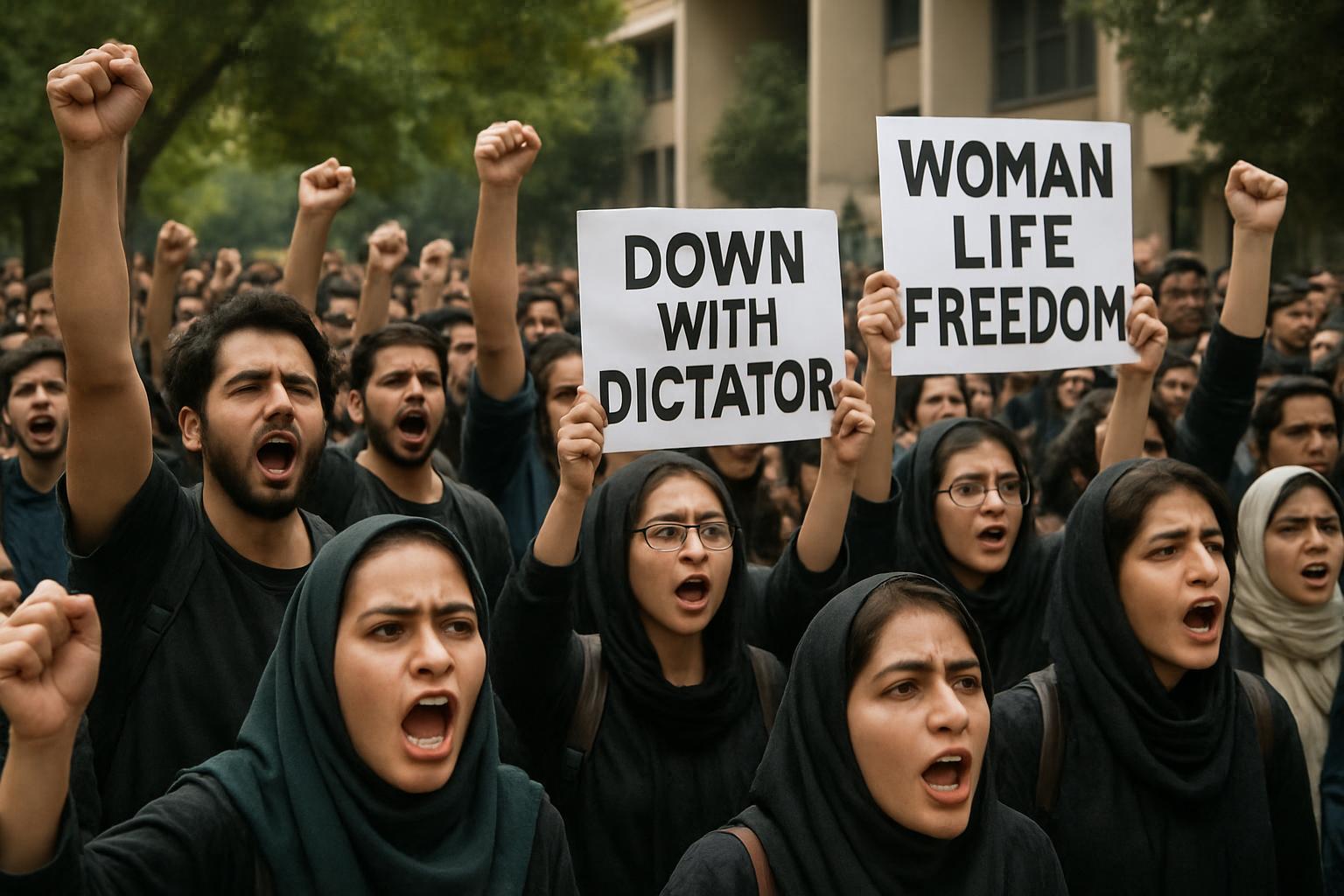
Iranian Students Lead Major Protests Amid Rising US-Iran Tensions
US Pushes for Ukraine-Russia Peace Deal by June Amid Energy Crisis
In This Article
 Ethan Brooks| Published
 HIGHLIGHTS
- Ukrainian President Zelenskyy stated the US aims to conclude the Ukraine-Russia conflict by June, potentially linked to US midterm elections.
- The US has invited both nations for peace talks in Miami next week, with Ukraine confirming participation.
- Russia continues to target Ukraine's energy infrastructure, causing widespread power outages amid freezing conditions.
- The Trump administration is reportedly exerting pressure on both sides to reach a peace agreement by summer.
- Economic challenges in Russia, including falling oil prices and rising corporate bankruptcies, may impact the conflict's trajectory.
Ukrainian President Volodymyr Zelenskyy has revealed that the United States is pushing for a resolution to the ongoing conflict between Ukraine and Russia by June, a timeline that coincides with the US midterm elections. This development comes as both nations have been invited to participate in peace talks in Miami next week, with Ukraine confirming its attendance.
US Deadline and Political Context
The Trump administration has reportedly set a June deadline for peace, a move that Zelenskyy suggests may be influenced by the upcoming US midterm elections. "The elections are definitely more important for them," Zelenskyy remarked, highlighting the potential political motivations behind the timeline. The US has previously set deadlines for peace, with past attempts failing to yield a conclusive agreement.
Continued Russian Attacks on Energy Infrastructure
As diplomatic efforts continue, Russia has intensified its attacks on Ukraine's energy infrastructure, leading to significant power outages across the country. Ukrainian Energy Minister Denys Shmyhal reported that recent strikes targeted substations and power plants, exacerbating the power deficit. In the western region of Lviv, the Dobrotvir power plant was hit, leaving thousands without electricity.
Economic Strains in Russia
Meanwhile, Russia faces mounting economic challenges, with falling oil prices and increased corporate bankruptcies. These economic pressures could influence the Kremlin's approach to the conflict. Experts suggest that Russia's economic woes may affect its ability to sustain prolonged military engagements.
Upcoming Peace Negotiations
The upcoming Miami talks represent a critical opportunity for progress, with the US reportedly keen on securing a peace deal. Zelenskyy emphasized the importance of setting a deadline if Russia is genuinely ready to end the war. The outcome of these negotiations could significantly impact the future of the Ukraine-Russia conflict.
WHAT THIS MIGHT MEAN
The proposed June deadline for peace between Ukraine and Russia could lead to intensified diplomatic efforts in the coming months. If successful, the Miami talks may pave the way for a resolution, potentially easing tensions and stabilizing the region. However, the ongoing Russian attacks on Ukraine's energy infrastructure and the economic challenges facing Russia could complicate negotiations. The US midterm elections add another layer of complexity, as political considerations may influence the urgency and approach of the Trump administration. Ultimately, the success of these peace efforts will depend on the willingness of both parties to compromise and the ability of international mediators to facilitate a viable agreement.
Images from the Web
Related Articles
Russia-Ukraine Conflict: Four Years of Unyielding Struggle and Human Resilience
Russian LNG Tanker Sinks in Mediterranean Amid Accusations of Ukrainian Drone Attack
Iran Postpones Khamenei Funeral Amid Escalating US-Israeli Strikes
US-Iran Tensions Escalate Amid Renewed Nuclear Talks and Protests
Canada Calls for De-escalation Amid US-Israel Strikes on Iran
Iranian Students Lead Major Protests Amid Rising US-Iran Tensions