
US Unveils Ambitious Gaza Reconstruction Plan at Davos
In This Article
HIGHLIGHTS
- The US unveiled an ambitious plan for Gaza's reconstruction at the World Economic Forum in Davos, featuring skyscrapers and new infrastructure.
- The plan aims to create a unified, Palestinian-run Gaza, challenging Israeli extremists' goals of deportation and settlement expansion.
- Jared Kushner outlined a 100-day plan to improve Gaza's infrastructure and increase aid, with the Rafah crossing set to reopen next week.
- The plan's success hinges on overcoming Israeli objections and establishing a mechanism to disarm Hamas.
- Ali Shaath, head of the interim Palestinian administration, emphasized rebuilding Gaza into a center for freedom and opportunity.
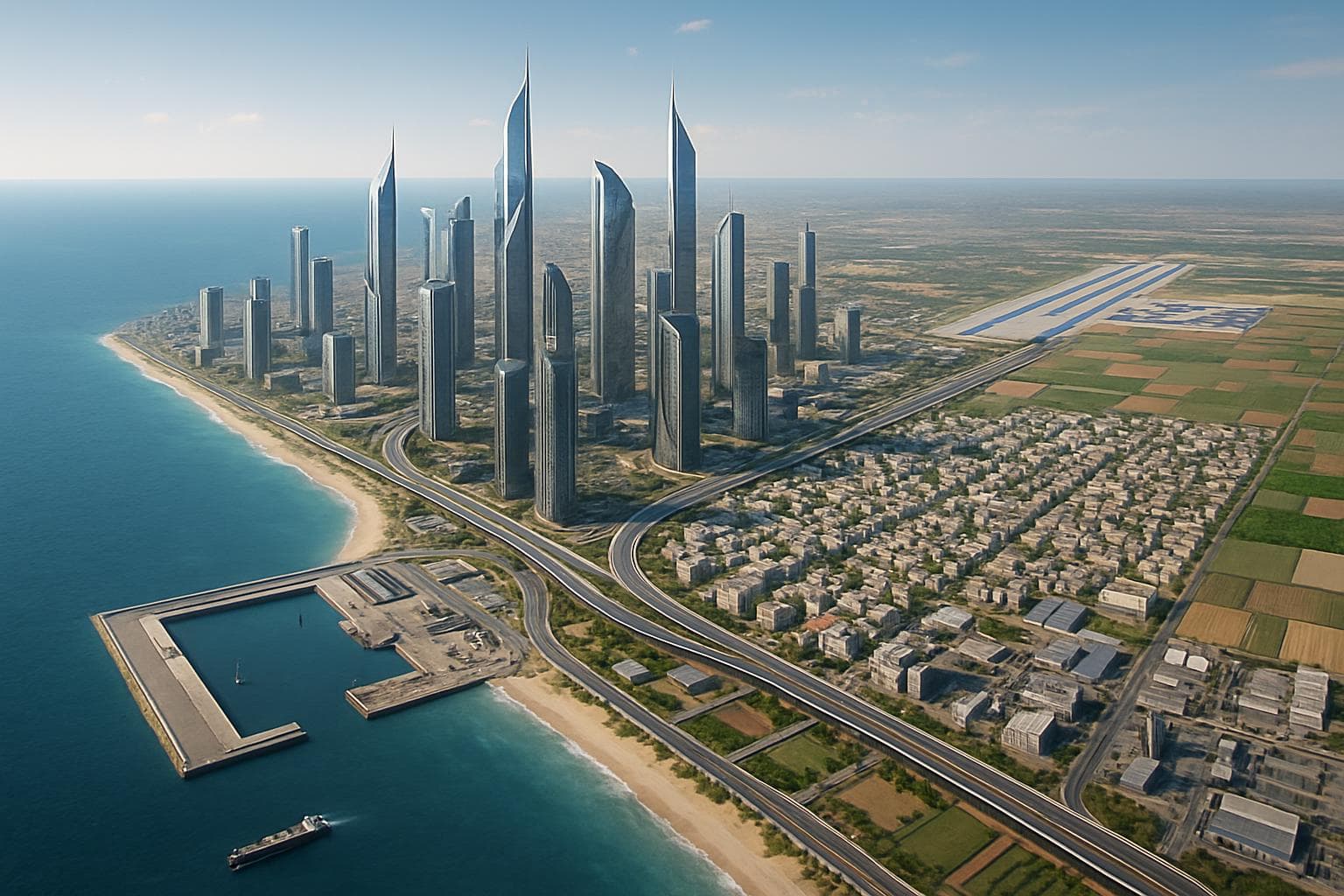
At the World Economic Forum in Davos, the United States unveiled a comprehensive plan to reconstruct Gaza, envisioning a transformed landscape with skyscrapers and modern infrastructure. This initiative, part of President Donald Trump's "Board of Peace," aims to rebuild the war-torn territory into a unified, Palestinian-run region, countering the objectives of Israeli extremists who favor deportation and settlement expansion.
A Vision for a New Gaza
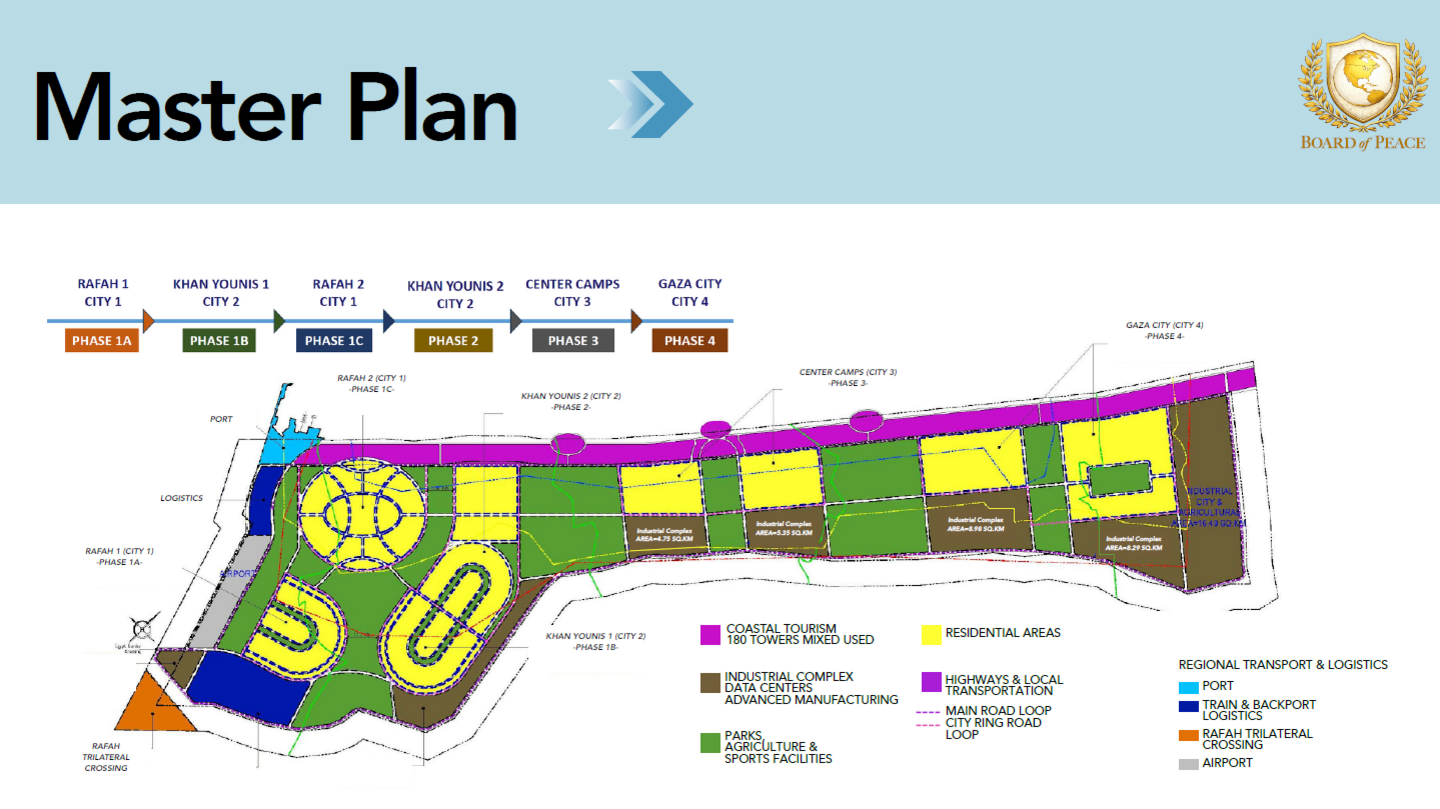
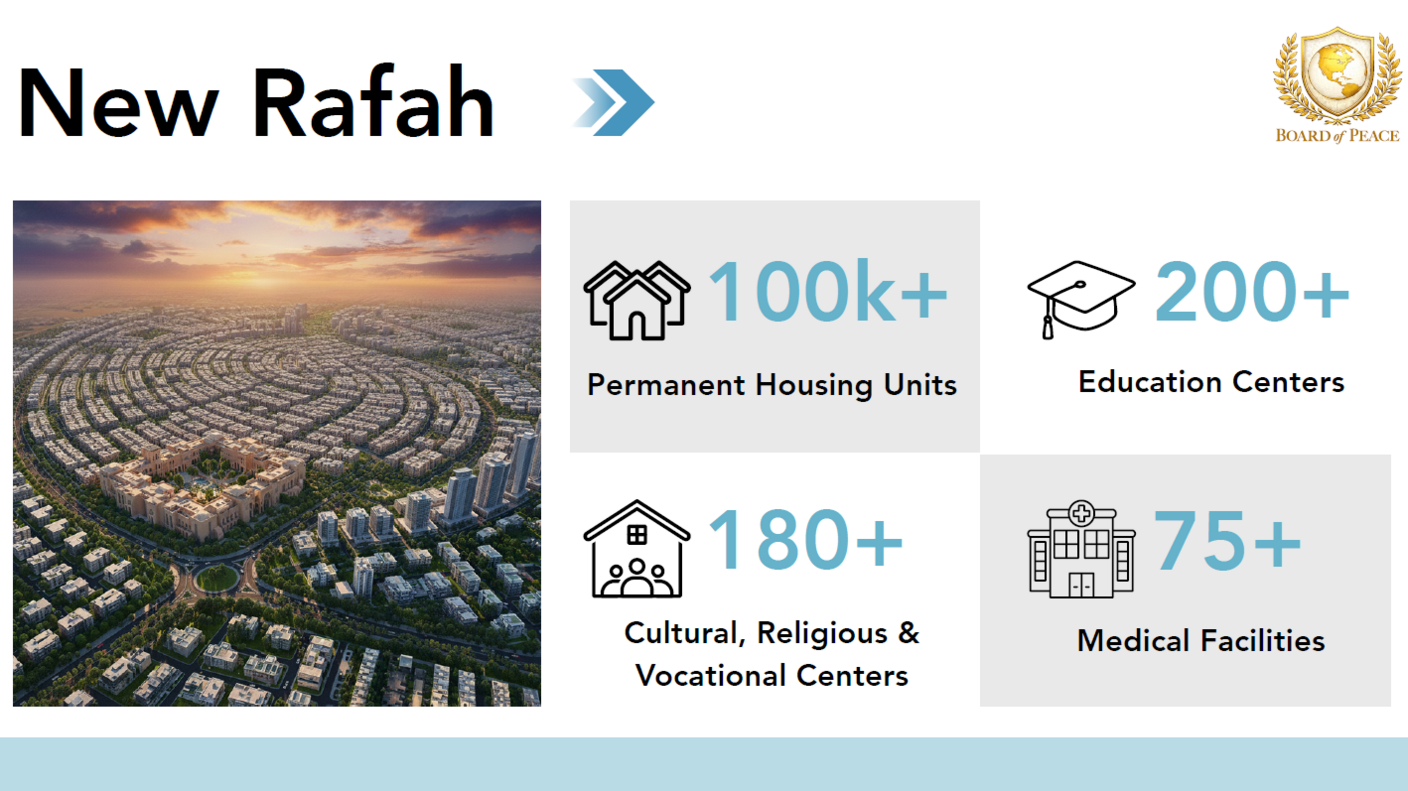
The plan, presented by Trump's son-in-law Jared Kushner, includes the development of residential, agricultural, and industrial areas along the Mediterranean coast. It proposes a phased reconstruction, starting in Rafah and moving northwards, with a focus on creating a "New Rafah" featuring over 100,000 housing units, educational centers, and medical facilities. The blueprint also outlines a new seaport and airport near the Egyptian border, alongside zones for tourism, industry, and sports.
Immediate Steps and Challenges
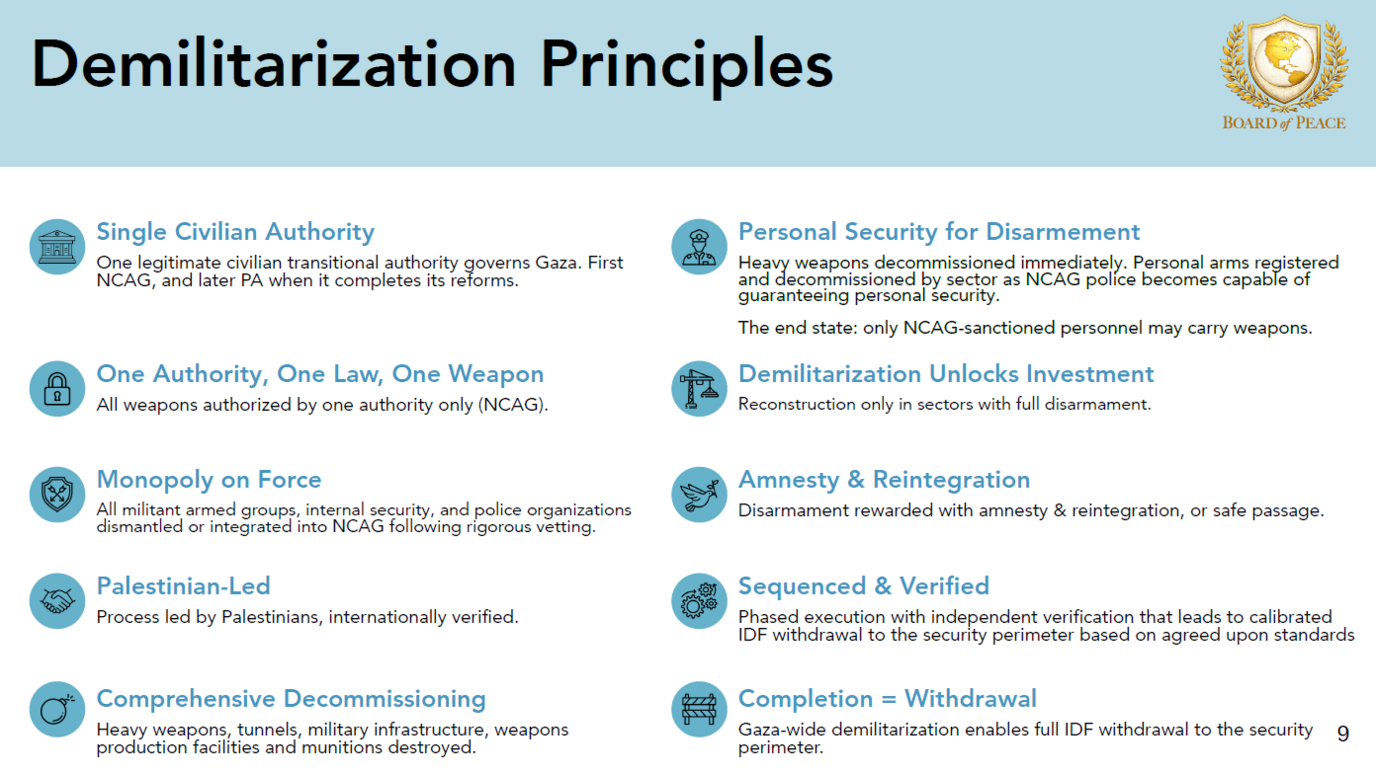
Kushner detailed a 100-day plan to restore essential infrastructure, including water, sewage, and electricity systems, while significantly increasing aid deliveries. The reopening of the Rafah crossing next week marks a critical step in reconnecting Gaza with the world. However, the plan faces significant hurdles, notably the need to overcome Israeli objections and establish a mechanism for disarming Hamas.
Leadership and Implementation
The newly formed National Committee for the Administration of Gaza (NCAG), led by Ali Shaath, is tasked with overseeing the transition. Addressing the forum via video link, Shaath emphasized the goal of rebuilding Gaza into a self-reliant center for freedom and opportunity. The plan's success will depend on the determination of the US administration and the cooperation of international partners.
WHAT THIS MIGHT MEAN
The ambitious Gaza reconstruction plan could significantly alter the dynamics of the Israeli-Palestinian conflict. If successful, it may pave the way for lasting peace and stability in the region. However, the plan's implementation faces numerous challenges, including Israeli resistance and the complex task of disarming Hamas. Experts suggest that the international community's support and pressure on both Israeli and Palestinian leaders will be crucial in overcoming these obstacles. The reopening of the Rafah crossing could serve as a litmus test for the plan's viability, potentially easing Gaza's isolation and fostering economic growth.
Images from the Web
Related Articles

Cuba Faces Widespread Blackout Amid Deepening Fuel Crisis

UK Faces Dilemmas Amid Iran Conflict and China Spying Allegations

China Sets Lowest GDP Growth Target in Decades Amid Economic Challenges

Tech Giants Pledge to Cover AI Data Center Energy Costs Amid Rising Electricity Concerns

Congress Subpoenas Attorney General Bondi in Epstein Investigation

Google Faces Legal Battle Over AI Chatbot's Alleged Role in Tragic Death
US Unveils Ambitious Gaza Reconstruction Plan at Davos
In This Article
 James Okoro| Published
 HIGHLIGHTS
- The US unveiled an ambitious plan for Gaza's reconstruction at the World Economic Forum in Davos, featuring skyscrapers and new infrastructure.
- The plan aims to create a unified, Palestinian-run Gaza, challenging Israeli extremists' goals of deportation and settlement expansion.
- Jared Kushner outlined a 100-day plan to improve Gaza's infrastructure and increase aid, with the Rafah crossing set to reopen next week.
- The plan's success hinges on overcoming Israeli objections and establishing a mechanism to disarm Hamas.
- Ali Shaath, head of the interim Palestinian administration, emphasized rebuilding Gaza into a center for freedom and opportunity.
At the World Economic Forum in Davos, the United States unveiled a comprehensive plan to reconstruct Gaza, envisioning a transformed landscape with skyscrapers and modern infrastructure. This initiative, part of President Donald Trump's "Board of Peace," aims to rebuild the war-torn territory into a unified, Palestinian-run region, countering the objectives of Israeli extremists who favor deportation and settlement expansion.
A Vision for a New Gaza
The plan, presented by Trump's son-in-law Jared Kushner, includes the development of residential, agricultural, and industrial areas along the Mediterranean coast. It proposes a phased reconstruction, starting in Rafah and moving northwards, with a focus on creating a "New Rafah" featuring over 100,000 housing units, educational centers, and medical facilities. The blueprint also outlines a new seaport and airport near the Egyptian border, alongside zones for tourism, industry, and sports.
Immediate Steps and Challenges
Kushner detailed a 100-day plan to restore essential infrastructure, including water, sewage, and electricity systems, while significantly increasing aid deliveries. The reopening of the Rafah crossing next week marks a critical step in reconnecting Gaza with the world. However, the plan faces significant hurdles, notably the need to overcome Israeli objections and establish a mechanism for disarming Hamas.
Leadership and Implementation
The newly formed National Committee for the Administration of Gaza (NCAG), led by Ali Shaath, is tasked with overseeing the transition. Addressing the forum via video link, Shaath emphasized the goal of rebuilding Gaza into a self-reliant center for freedom and opportunity. The plan's success will depend on the determination of the US administration and the cooperation of international partners.
WHAT THIS MIGHT MEAN
The ambitious Gaza reconstruction plan could significantly alter the dynamics of the Israeli-Palestinian conflict. If successful, it may pave the way for lasting peace and stability in the region. However, the plan's implementation faces numerous challenges, including Israeli resistance and the complex task of disarming Hamas. Experts suggest that the international community's support and pressure on both Israeli and Palestinian leaders will be crucial in overcoming these obstacles. The reopening of the Rafah crossing could serve as a litmus test for the plan's viability, potentially easing Gaza's isolation and fostering economic growth.
Images from the Web
Related Articles
Cuba Faces Widespread Blackout Amid Deepening Fuel Crisis
UK Faces Dilemmas Amid Iran Conflict and China Spying Allegations
China Sets Lowest GDP Growth Target in Decades Amid Economic Challenges
Tech Giants Pledge to Cover AI Data Center Energy Costs Amid Rising Electricity Concerns
Congress Subpoenas Attorney General Bondi in Epstein Investigation
Google Faces Legal Battle Over AI Chatbot's Alleged Role in Tragic Death