
US-Russia Talks Fail to Yield Breakthrough in Ukraine Peace Efforts
In This Article
HIGHLIGHTS
- Talks between the US and Russia in Moscow ended without progress on a Ukraine peace deal, with key disagreements persisting.
- Russian President Vladimir Putin expressed readiness for war with Europe if provoked, highlighting tensions with European allies.
- The US peace proposal, seen as favorable to Russia, has been revised but remains contentious, with Ukraine seeking security guarantees.
- European leaders fear the US-Russia talks may pressure Ukraine into making concessions, especially regarding territorial control.
- Ukrainian President Volodymyr Zelensky emphasized the need for Ukraine's involvement in peace discussions and clear security assurances.
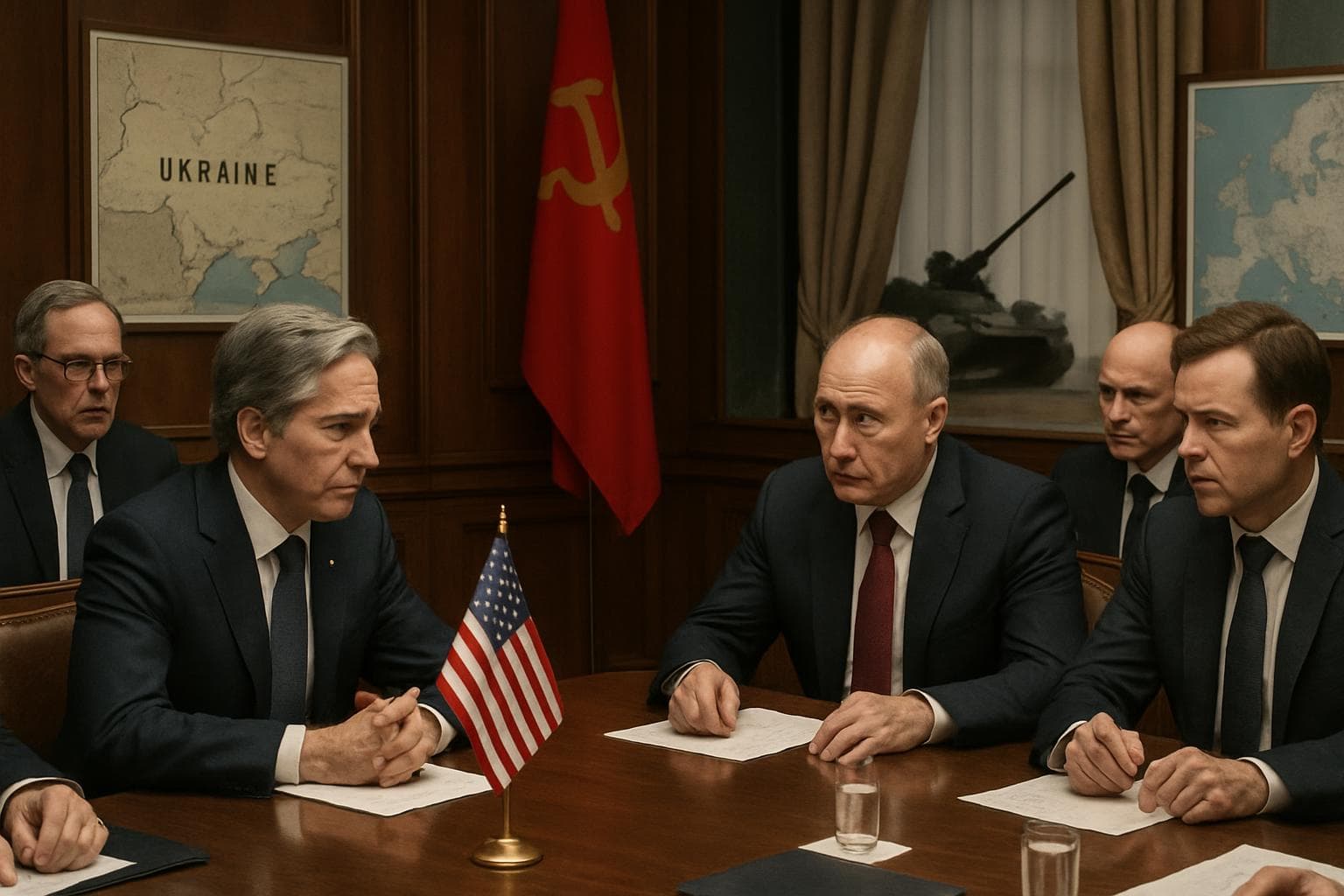
Recent high-level talks between the United States and Russia have concluded without significant progress towards a peace agreement in the ongoing Ukraine conflict. The discussions, held in Moscow and involving Russian President Vladimir Putin and US special envoy Steve Witkoff, were described as "constructive" but ultimately fell short of resolving key issues.
Stalemate in Moscow
The five-hour meeting, which also included Jared Kushner, senior advisor to former President Donald Trump, aimed to address the protracted war in Ukraine. Despite intensive diplomatic efforts, Kremlin aide Yuri Ushakov stated that the talks did not bring the parties closer to a resolution. "We have not come up with a compromise version yet," Ushakov remarked, indicating that significant work remains.
Putin's Stance and European Concerns
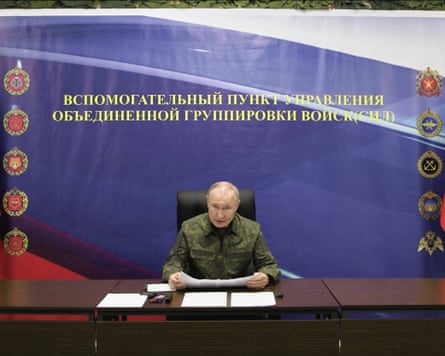
In a stark warning, President Putin declared Russia's readiness for war with Europe if necessary, accusing European powers of obstructing peace efforts. "Russia does not intend to fight Europe, but if Europe starts, we are ready right now," Putin asserted. This rhetoric underscores the heightened tensions between Russia and its European neighbors, who have supported Ukraine's defense since the conflict's escalation.
US Peace Proposal Under Scrutiny
The US peace plan, initially perceived as favorable to Moscow, has undergone revisions to address concerns from Kyiv and European allies. However, the proposal remains contentious, particularly regarding territorial concessions and Ukraine's potential NATO membership—a move strongly opposed by Russia. US Secretary of State Marco Rubio noted some progress on security guarantees, yet significant hurdles persist.
Ukraine's Position and Future Prospects
Ukrainian President Volodymyr Zelensky has called for Ukraine's active participation in peace negotiations and emphasized the necessity of clear security guarantees. "We have to stop the war in such a manner that in one year, Russia would not come back," Zelensky stated, highlighting the importance of a sustainable resolution.
WHAT THIS MIGHT MEAN
The failure to achieve a breakthrough in the recent US-Russia talks leaves the Ukraine conflict at a critical juncture. With key disagreements unresolved, the potential for further escalation remains. European leaders are particularly concerned about the possibility of Ukraine being pressured into unfavorable concessions, which could alter the region's geopolitical landscape.
Moving forward, diplomatic efforts are likely to intensify, with Ukraine seeking to bolster support from its European allies. The involvement of NATO and the broader international community could play a pivotal role in shaping the outcome of future negotiations. As the situation evolves, the focus will remain on achieving a durable peace that addresses the security concerns of all parties involved.
Images from the Web

Related Articles
Russian LNG Tanker Sinks in Mediterranean Amid Accusations of Ukrainian Drone Attack

Senate Blocks Resolution to Limit Trump's Military Actions in Iran
Spain's Sánchez Stands Firm Against Trump's Trade Threat Over Iran Stance
UK-Iran Tensions: Starmer Defends Cautious Approach Amid Trump Criticism
Iran Postpones Khamenei Funeral Amid Escalating US-Israeli Strikes
Congress Subpoenas Attorney General Bondi in Epstein Investigation
US-Russia Talks Fail to Yield Breakthrough in Ukraine Peace Efforts
In This Article
 Ethan Brooks| Published
 HIGHLIGHTS
- Talks between the US and Russia in Moscow ended without progress on a Ukraine peace deal, with key disagreements persisting.
- Russian President Vladimir Putin expressed readiness for war with Europe if provoked, highlighting tensions with European allies.
- The US peace proposal, seen as favorable to Russia, has been revised but remains contentious, with Ukraine seeking security guarantees.
- European leaders fear the US-Russia talks may pressure Ukraine into making concessions, especially regarding territorial control.
- Ukrainian President Volodymyr Zelensky emphasized the need for Ukraine's involvement in peace discussions and clear security assurances.
Recent high-level talks between the United States and Russia have concluded without significant progress towards a peace agreement in the ongoing Ukraine conflict. The discussions, held in Moscow and involving Russian President Vladimir Putin and US special envoy Steve Witkoff, were described as "constructive" but ultimately fell short of resolving key issues.
Stalemate in Moscow
The five-hour meeting, which also included Jared Kushner, senior advisor to former President Donald Trump, aimed to address the protracted war in Ukraine. Despite intensive diplomatic efforts, Kremlin aide Yuri Ushakov stated that the talks did not bring the parties closer to a resolution. "We have not come up with a compromise version yet," Ushakov remarked, indicating that significant work remains.
Putin's Stance and European Concerns
In a stark warning, President Putin declared Russia's readiness for war with Europe if necessary, accusing European powers of obstructing peace efforts. "Russia does not intend to fight Europe, but if Europe starts, we are ready right now," Putin asserted. This rhetoric underscores the heightened tensions between Russia and its European neighbors, who have supported Ukraine's defense since the conflict's escalation.
US Peace Proposal Under Scrutiny
The US peace plan, initially perceived as favorable to Moscow, has undergone revisions to address concerns from Kyiv and European allies. However, the proposal remains contentious, particularly regarding territorial concessions and Ukraine's potential NATO membership—a move strongly opposed by Russia. US Secretary of State Marco Rubio noted some progress on security guarantees, yet significant hurdles persist.
Ukraine's Position and Future Prospects
Ukrainian President Volodymyr Zelensky has called for Ukraine's active participation in peace negotiations and emphasized the necessity of clear security guarantees. "We have to stop the war in such a manner that in one year, Russia would not come back," Zelensky stated, highlighting the importance of a sustainable resolution.
WHAT THIS MIGHT MEAN
The failure to achieve a breakthrough in the recent US-Russia talks leaves the Ukraine conflict at a critical juncture. With key disagreements unresolved, the potential for further escalation remains. European leaders are particularly concerned about the possibility of Ukraine being pressured into unfavorable concessions, which could alter the region's geopolitical landscape.
Moving forward, diplomatic efforts are likely to intensify, with Ukraine seeking to bolster support from its European allies. The involvement of NATO and the broader international community could play a pivotal role in shaping the outcome of future negotiations. As the situation evolves, the focus will remain on achieving a durable peace that addresses the security concerns of all parties involved.
Images from the Web
Related Articles
Russian LNG Tanker Sinks in Mediterranean Amid Accusations of Ukrainian Drone Attack
Senate Blocks Resolution to Limit Trump's Military Actions in Iran
Spain's Sánchez Stands Firm Against Trump's Trade Threat Over Iran Stance
UK-Iran Tensions: Starmer Defends Cautious Approach Amid Trump Criticism
Iran Postpones Khamenei Funeral Amid Escalating US-Israeli Strikes
Congress Subpoenas Attorney General Bondi in Epstein Investigation