
Tensions Rise as US-Russia Peace Plan for Ukraine Faces Scrutiny
In This Article
HIGHLIGHTS
- A US-drafted peace plan for Ukraine, discussed by President Putin and President Trump, proposes significant territorial concessions by Ukraine.
- President Putin has expressed openness to the plan, while Ukrainian President Zelenskyy and European leaders have voiced concerns over its implications.
- Kirill Dmitriev, a key figure in the negotiations, has been instrumental in drafting the plan, which critics say favors Russian interests.
- Economic pressures on Russia, including a growing budget deficit and declining oil revenues, may influence Putin's stance on the conflict.
- European leaders reaffirmed their support for Ukraine, emphasizing that any peace agreement must respect Ukraine's sovereignty and red lines.
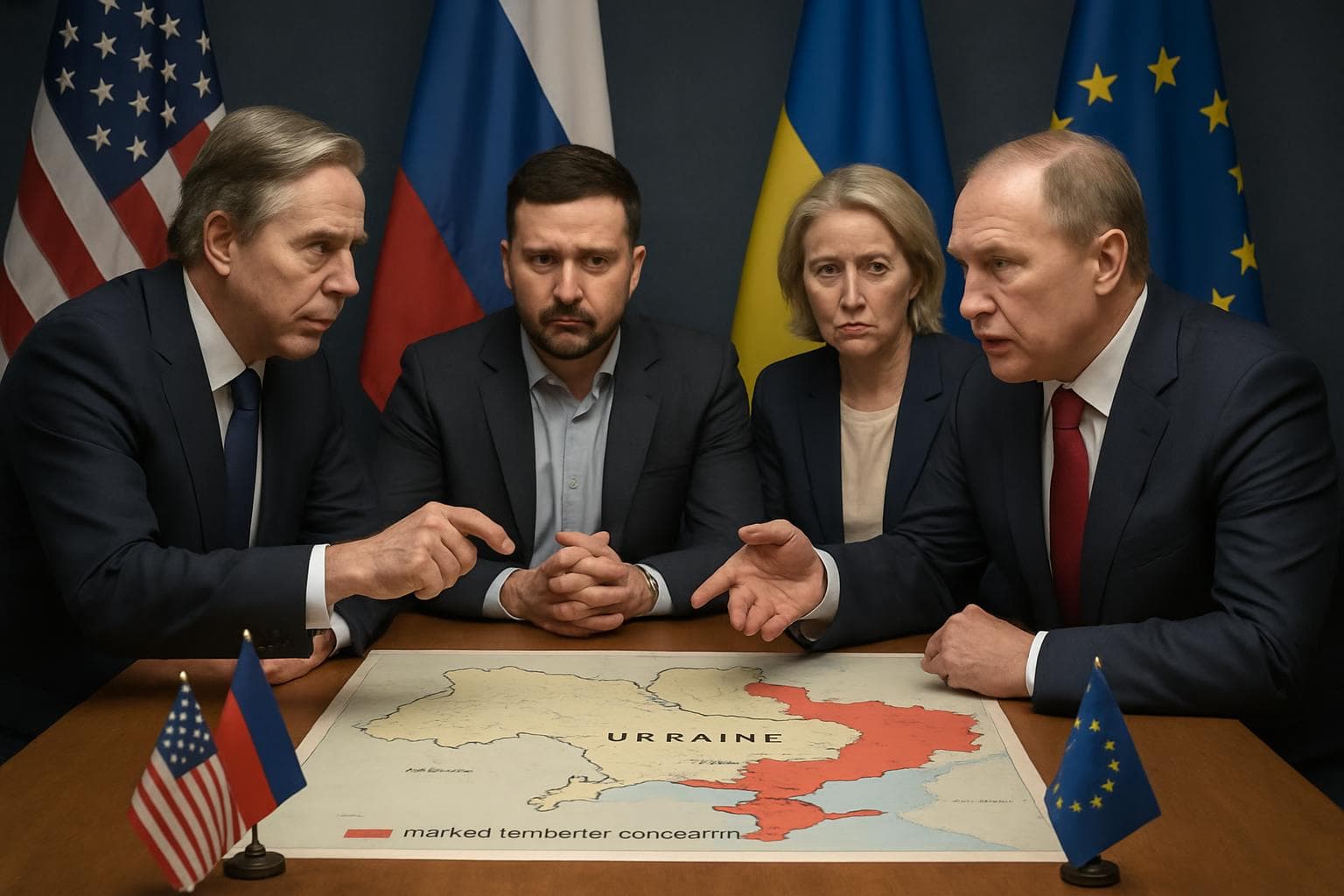
In a significant development in the ongoing Ukraine conflict, a US-drafted peace proposal has emerged, suggesting substantial territorial concessions by Ukraine to Russia. The plan, which has been met with mixed reactions, was discussed during a recent visit by a US Pentagon delegation to Kyiv and has been acknowledged by Russian President Vladimir Putin as a potential basis for a final settlement.
Putin's Stance and the Peace Proposal
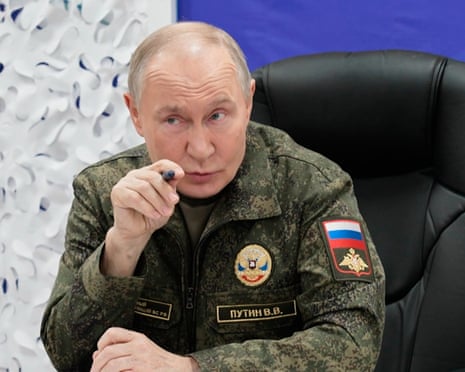
During a meeting with Russia's national security council, President Putin described the 28-point plan as a "modernised" version of discussions held with former US President Donald Trump at the Alaska summit. The proposal, which has been widely leaked, suggests that Ukraine cede parts of the Donbass region still under Kyiv's control, reduce its armed forces, and vow not to join NATO. Putin's spokesman, Dmitry Peskov, emphasized that the Russian military's effectiveness should encourage Ukraine to negotiate.
Ukraine's Response and European Concerns
Ukrainian President Volodymyr Zelenskyy has expressed grave concerns over the plan, warning that it could strip Ukraine of its freedom and dignity. In a poignant speech, Zelenskyy highlighted the difficult position Ukraine faces, particularly with the looming threat of losing US support. European leaders, including Germany's Chancellor Friedrich Merz, France's President Emmanuel Macron, and the UK's Prime Minister Keir Starmer, have reiterated their unwavering support for Ukraine, insisting that any agreement must be fair and respect Ukraine's sovereignty.
The Role of Kirill Dmitriev
Kirill Dmitriev, a prominent Kremlin figure and head of Russia's sovereign wealth fund, has played a pivotal role in the negotiations. Known for his ambition and strategic acumen, Dmitriev has been instrumental in shaping the plan, which critics argue heavily favors Russian interests. His involvement underscores the complex geopolitical dynamics at play.
Economic Pressures on Russia
Amidst these diplomatic maneuvers, Russia faces mounting economic challenges. The country's budget deficit is widening, and revenues from oil and gas are declining, leading to speculation about whether these pressures might influence Putin's approach to the conflict. Despite these challenges, pro-Kremlin commentators remain confident in Russia's position.
WHAT THIS MIGHT MEAN
The unfolding situation presents several potential outcomes. Should Ukraine reject the US-Russia peace plan, it risks further straining its relationship with the US, potentially losing crucial support. Conversely, accepting the plan could lead to significant internal and external backlash, given the territorial concessions involved.
For Russia, the economic pressures could either push Putin towards a more conciliatory stance or reinforce his resolve to achieve a favorable outcome. The involvement of Kirill Dmitriev highlights the strategic maneuvering behind the scenes, suggesting that Russia is keen to secure a deal that solidifies its influence over Ukraine.
Ultimately, the response from European leaders will be critical. Their continued support for Ukraine underscores the broader geopolitical stakes, with the outcome of this conflict having far-reaching implications for European security and the balance of power in the region.
Images from the Web
Related Articles
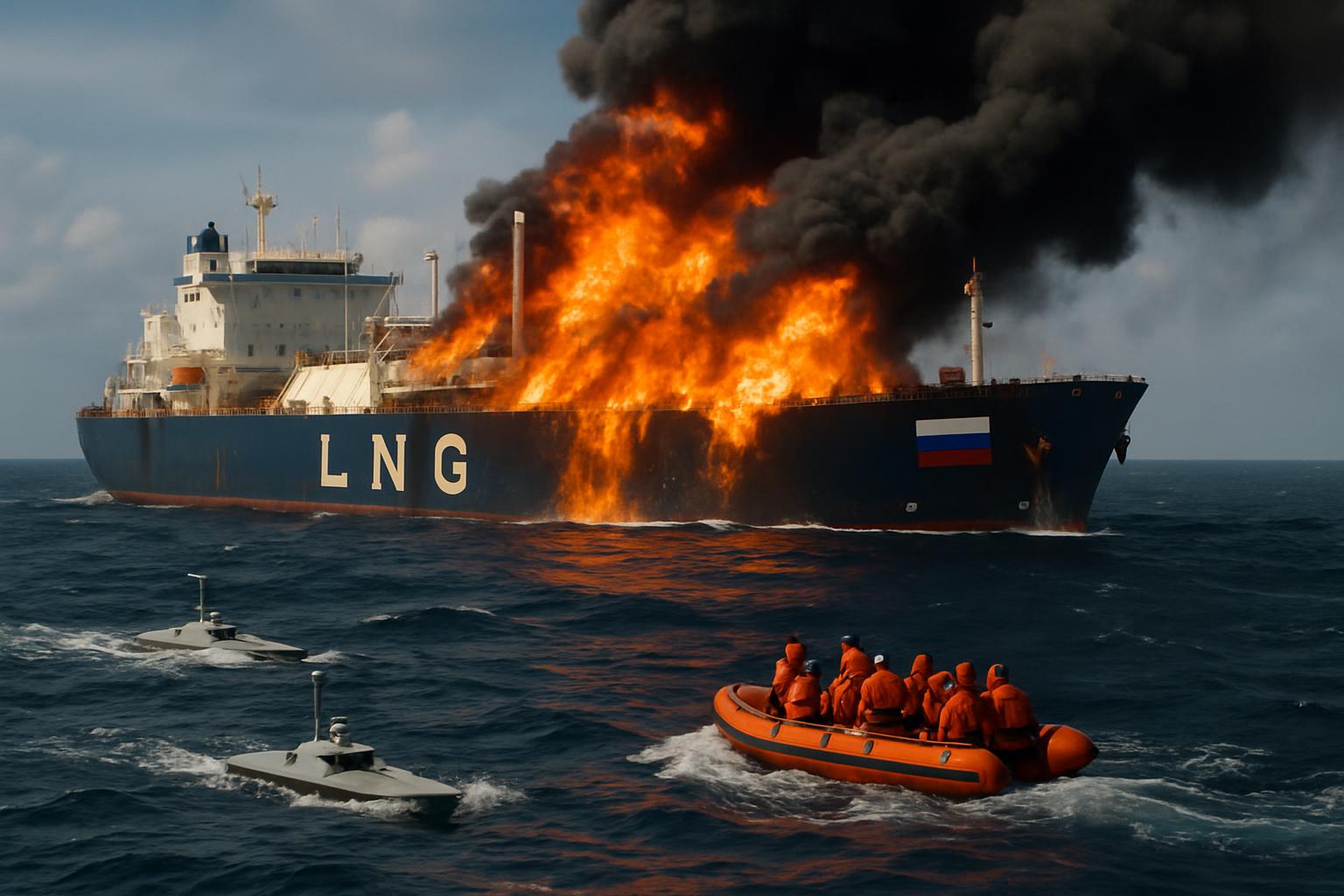
Russian LNG Tanker Sinks in Mediterranean Amid Accusations of Ukrainian Drone Attack
UK-Iran Tensions: Starmer Defends Cautious Approach Amid Trump Criticism
Spain's Sánchez Stands Firm Against Trump's Trade Threat Over Iran Stance

UK Faces Dilemmas Amid Iran Conflict and China Spying Allegations
US and Israel Intensify Military Campaign as Iran's Capabilities Dwindle
Senate Blocks Resolution to Limit Trump's Military Actions in Iran
Tensions Rise as US-Russia Peace Plan for Ukraine Faces Scrutiny
In This Article
 Ethan Brooks| Published
 HIGHLIGHTS
- A US-drafted peace plan for Ukraine, discussed by President Putin and President Trump, proposes significant territorial concessions by Ukraine.
- President Putin has expressed openness to the plan, while Ukrainian President Zelenskyy and European leaders have voiced concerns over its implications.
- Kirill Dmitriev, a key figure in the negotiations, has been instrumental in drafting the plan, which critics say favors Russian interests.
- Economic pressures on Russia, including a growing budget deficit and declining oil revenues, may influence Putin's stance on the conflict.
- European leaders reaffirmed their support for Ukraine, emphasizing that any peace agreement must respect Ukraine's sovereignty and red lines.
In a significant development in the ongoing Ukraine conflict, a US-drafted peace proposal has emerged, suggesting substantial territorial concessions by Ukraine to Russia. The plan, which has been met with mixed reactions, was discussed during a recent visit by a US Pentagon delegation to Kyiv and has been acknowledged by Russian President Vladimir Putin as a potential basis for a final settlement.
Putin's Stance and the Peace Proposal
During a meeting with Russia's national security council, President Putin described the 28-point plan as a "modernised" version of discussions held with former US President Donald Trump at the Alaska summit. The proposal, which has been widely leaked, suggests that Ukraine cede parts of the Donbass region still under Kyiv's control, reduce its armed forces, and vow not to join NATO. Putin's spokesman, Dmitry Peskov, emphasized that the Russian military's effectiveness should encourage Ukraine to negotiate.
Ukraine's Response and European Concerns
Ukrainian President Volodymyr Zelenskyy has expressed grave concerns over the plan, warning that it could strip Ukraine of its freedom and dignity. In a poignant speech, Zelenskyy highlighted the difficult position Ukraine faces, particularly with the looming threat of losing US support. European leaders, including Germany's Chancellor Friedrich Merz, France's President Emmanuel Macron, and the UK's Prime Minister Keir Starmer, have reiterated their unwavering support for Ukraine, insisting that any agreement must be fair and respect Ukraine's sovereignty.
The Role of Kirill Dmitriev
Kirill Dmitriev, a prominent Kremlin figure and head of Russia's sovereign wealth fund, has played a pivotal role in the negotiations. Known for his ambition and strategic acumen, Dmitriev has been instrumental in shaping the plan, which critics argue heavily favors Russian interests. His involvement underscores the complex geopolitical dynamics at play.
Economic Pressures on Russia
Amidst these diplomatic maneuvers, Russia faces mounting economic challenges. The country's budget deficit is widening, and revenues from oil and gas are declining, leading to speculation about whether these pressures might influence Putin's approach to the conflict. Despite these challenges, pro-Kremlin commentators remain confident in Russia's position.
WHAT THIS MIGHT MEAN
The unfolding situation presents several potential outcomes. Should Ukraine reject the US-Russia peace plan, it risks further straining its relationship with the US, potentially losing crucial support. Conversely, accepting the plan could lead to significant internal and external backlash, given the territorial concessions involved.
For Russia, the economic pressures could either push Putin towards a more conciliatory stance or reinforce his resolve to achieve a favorable outcome. The involvement of Kirill Dmitriev highlights the strategic maneuvering behind the scenes, suggesting that Russia is keen to secure a deal that solidifies its influence over Ukraine.
Ultimately, the response from European leaders will be critical. Their continued support for Ukraine underscores the broader geopolitical stakes, with the outcome of this conflict having far-reaching implications for European security and the balance of power in the region.
Images from the Web
Related Articles
Russian LNG Tanker Sinks in Mediterranean Amid Accusations of Ukrainian Drone Attack
UK-Iran Tensions: Starmer Defends Cautious Approach Amid Trump Criticism
Spain's Sánchez Stands Firm Against Trump's Trade Threat Over Iran Stance
UK Faces Dilemmas Amid Iran Conflict and China Spying Allegations
US and Israel Intensify Military Campaign as Iran's Capabilities Dwindle
Senate Blocks Resolution to Limit Trump's Military Actions in Iran