
US-Saudi Dual Citizen Returns Home After Saudi Detention Over Critical Tweets
In This Article
HIGHLIGHTS
- Saad Ibrahim Almadi, a US-Saudi dual citizen, was released from Saudi Arabia after being jailed for tweets critical of the Saudi government.
- Almadi was sentenced to 19 years in prison in 2021, but was released early in 2023 and initially faced a travel ban.
- His release coincided with a meeting between Donald Trump and Saudi Crown Prince Mohammed bin Salman in Washington, DC.
- The Almadi family credited Trump and his administration for their efforts in securing his return to the US.
- Almadi's case highlights ongoing tensions around free speech and the treatment of dissent in Saudi Arabia.
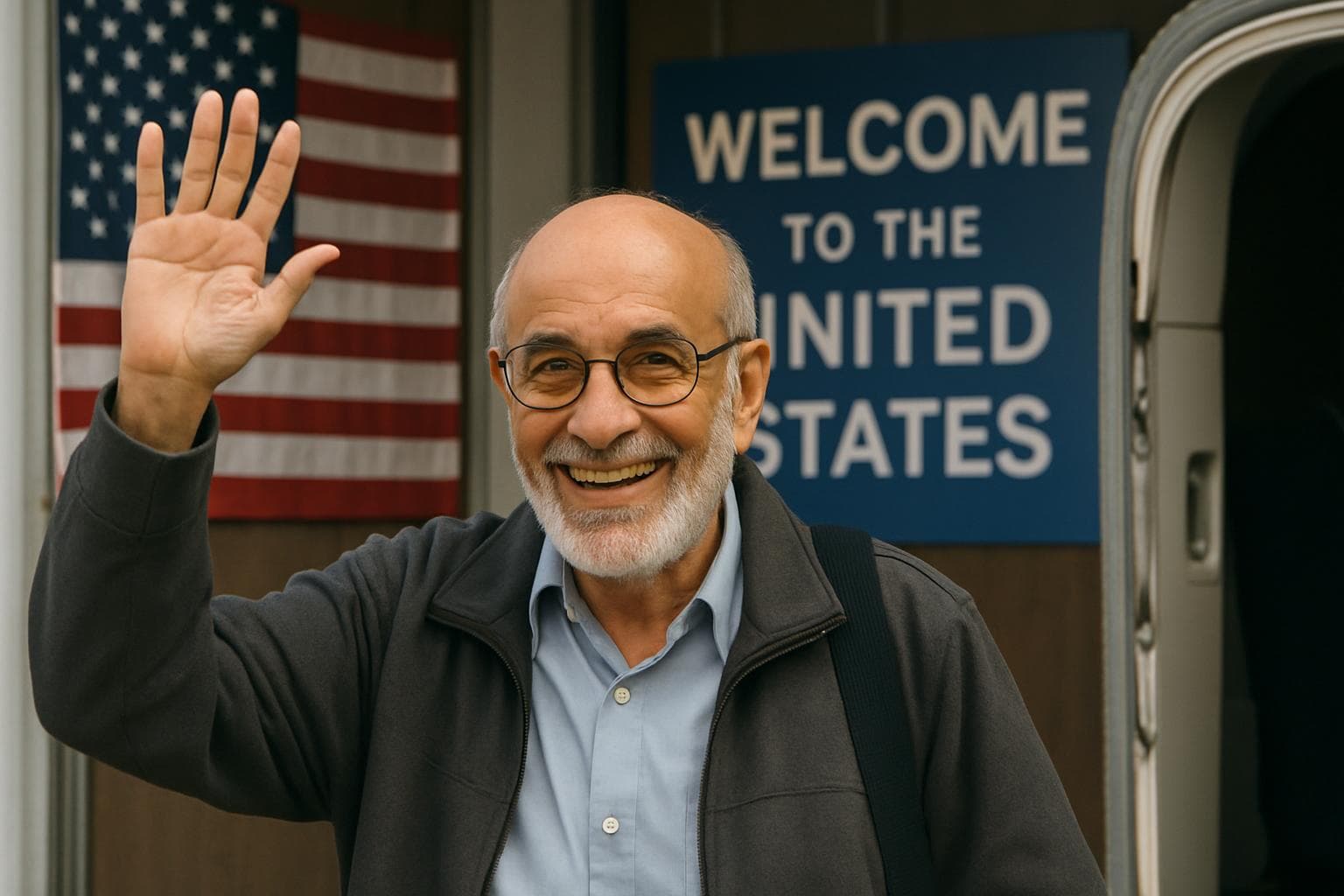
Saad Ibrahim Almadi, a 75-year-old US-Saudi dual citizen, has returned to the United States after being detained in Saudi Arabia for tweets critical of the kingdom's government. Almadi, a retired engineer, was initially sentenced to 19 years in prison in 2021, but was released early in 2023. However, he faced a travel ban that prevented him from leaving Saudi Arabia until now.
Arrest and Sentencing
Almadi was arrested in November 2021 upon his arrival in Riyadh to visit family. The charges against him stemmed from 14 tweets that criticized various aspects of Saudi governance, including the demolition of historic areas in Mecca and Jeddah, and the kingdom's handling of poverty. The tweets also referenced the murder of journalist Jamal Khashoggi, a topic that has strained US-Saudi relations.
Initially sentenced to 16 years, Almadi's prison term was later increased to 19 years. In 2023, he was released from prison but remained under a travel ban, which has now been lifted.
Diplomatic Efforts and Release
The announcement of Almadi's return came shortly after a meeting between former US President Donald Trump and Saudi Crown Prince Mohammed bin Salman in Washington, DC. Almadi's family expressed their gratitude to Trump and his administration for their role in securing his release. "This day would not have been possible without President Donald Trump and the tireless efforts of his administration," the family stated.
The family also acknowledged the support of various organizations and individuals, including the National Security Council, the US State Department, and journalists who highlighted Almadi's case. Almadi's son, Ibrahim, noted that his father's release was contingent upon diplomatic negotiations involving the US and Saudi Arabia.
Broader Implications
Almadi's case underscores the ongoing challenges surrounding free speech in Saudi Arabia, where dissent is often met with severe penalties. His detention and subsequent release highlight the delicate balance of US-Saudi relations, particularly in the context of human rights and freedom of expression.
WHAT THIS MIGHT MEAN
The release of Saad Ibrahim Almadi may signal a potential thaw in US-Saudi relations, particularly in light of recent diplomatic engagements. However, the case also raises questions about the kingdom's approach to dissent and the broader implications for free speech in the region. As Saudi Arabia continues to navigate its international image, the treatment of critics and dissidents will likely remain a contentious issue. Experts suggest that while Almadi's release is a positive development, it may not necessarily indicate a broader shift in Saudi policy regarding freedom of expression.
Images from the Web

Related Articles

Cuba Faces Widespread Blackout Amid Deepening Fuel Crisis

UK Faces Dilemmas Amid Iran Conflict and China Spying Allegations

China Sets Lowest GDP Growth Target in Decades Amid Economic Challenges

Tech Giants Pledge to Cover AI Data Center Energy Costs Amid Rising Electricity Concerns
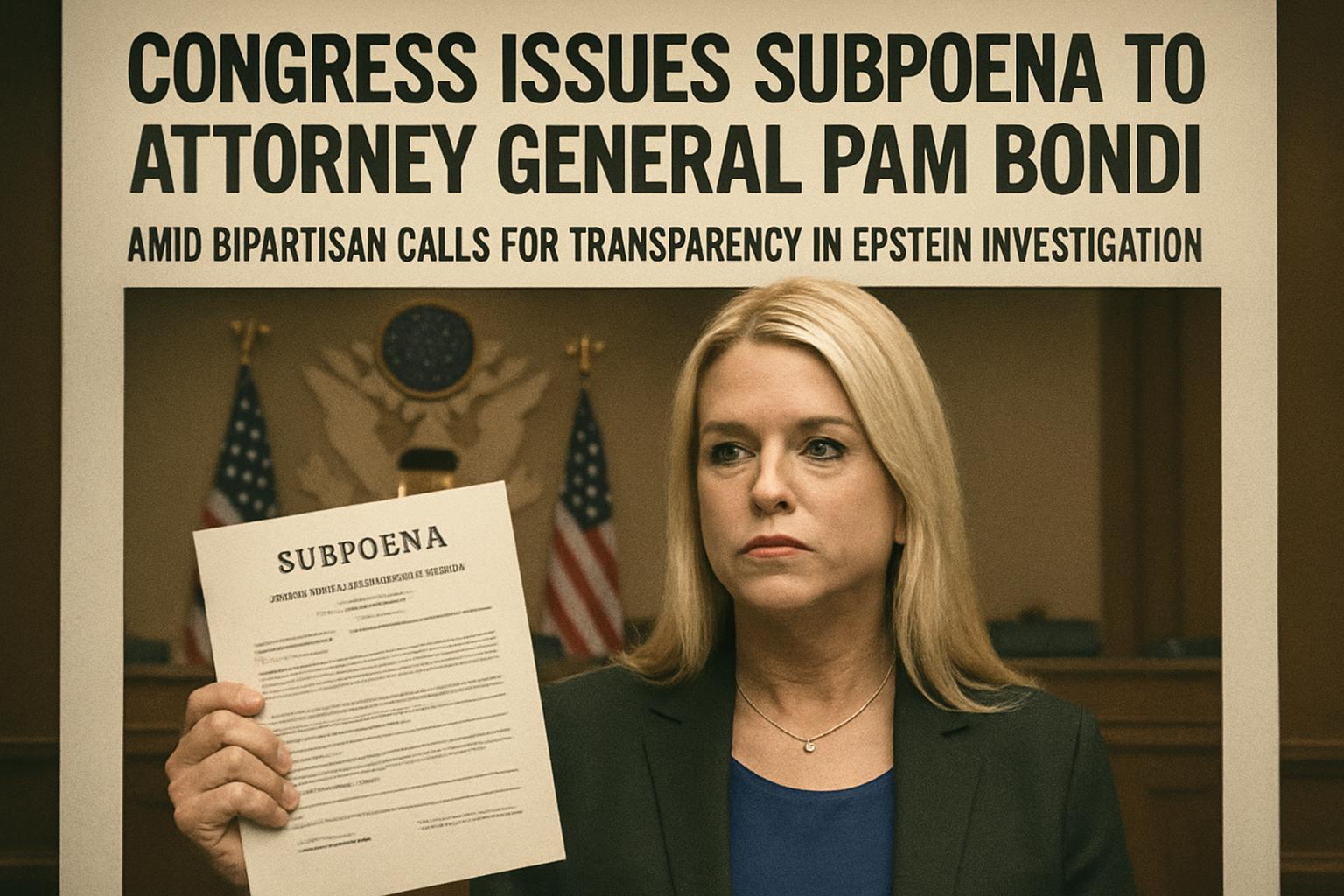
Congress Subpoenas Attorney General Bondi in Epstein Investigation

Google Faces Legal Battle Over AI Chatbot's Alleged Role in Tragic Death
US-Saudi Dual Citizen Returns Home After Saudi Detention Over Critical Tweets
In This Article
 James Okoro| Published
 HIGHLIGHTS
- Saad Ibrahim Almadi, a US-Saudi dual citizen, was released from Saudi Arabia after being jailed for tweets critical of the Saudi government.
- Almadi was sentenced to 19 years in prison in 2021, but was released early in 2023 and initially faced a travel ban.
- His release coincided with a meeting between Donald Trump and Saudi Crown Prince Mohammed bin Salman in Washington, DC.
- The Almadi family credited Trump and his administration for their efforts in securing his return to the US.
- Almadi's case highlights ongoing tensions around free speech and the treatment of dissent in Saudi Arabia.
Saad Ibrahim Almadi, a 75-year-old US-Saudi dual citizen, has returned to the United States after being detained in Saudi Arabia for tweets critical of the kingdom's government. Almadi, a retired engineer, was initially sentenced to 19 years in prison in 2021, but was released early in 2023. However, he faced a travel ban that prevented him from leaving Saudi Arabia until now.
Arrest and Sentencing
Almadi was arrested in November 2021 upon his arrival in Riyadh to visit family. The charges against him stemmed from 14 tweets that criticized various aspects of Saudi governance, including the demolition of historic areas in Mecca and Jeddah, and the kingdom's handling of poverty. The tweets also referenced the murder of journalist Jamal Khashoggi, a topic that has strained US-Saudi relations.
Initially sentenced to 16 years, Almadi's prison term was later increased to 19 years. In 2023, he was released from prison but remained under a travel ban, which has now been lifted.
Diplomatic Efforts and Release
The announcement of Almadi's return came shortly after a meeting between former US President Donald Trump and Saudi Crown Prince Mohammed bin Salman in Washington, DC. Almadi's family expressed their gratitude to Trump and his administration for their role in securing his release. "This day would not have been possible without President Donald Trump and the tireless efforts of his administration," the family stated.
The family also acknowledged the support of various organizations and individuals, including the National Security Council, the US State Department, and journalists who highlighted Almadi's case. Almadi's son, Ibrahim, noted that his father's release was contingent upon diplomatic negotiations involving the US and Saudi Arabia.
Broader Implications
Almadi's case underscores the ongoing challenges surrounding free speech in Saudi Arabia, where dissent is often met with severe penalties. His detention and subsequent release highlight the delicate balance of US-Saudi relations, particularly in the context of human rights and freedom of expression.
WHAT THIS MIGHT MEAN
The release of Saad Ibrahim Almadi may signal a potential thaw in US-Saudi relations, particularly in light of recent diplomatic engagements. However, the case also raises questions about the kingdom's approach to dissent and the broader implications for free speech in the region. As Saudi Arabia continues to navigate its international image, the treatment of critics and dissidents will likely remain a contentious issue. Experts suggest that while Almadi's release is a positive development, it may not necessarily indicate a broader shift in Saudi policy regarding freedom of expression.
Images from the Web
Related Articles
Cuba Faces Widespread Blackout Amid Deepening Fuel Crisis
UK Faces Dilemmas Amid Iran Conflict and China Spying Allegations
China Sets Lowest GDP Growth Target in Decades Amid Economic Challenges
Tech Giants Pledge to Cover AI Data Center Energy Costs Amid Rising Electricity Concerns
Congress Subpoenas Attorney General Bondi in Epstein Investigation
Google Faces Legal Battle Over AI Chatbot's Alleged Role in Tragic Death