
US Seizes Sanctioned Oil Tanker Off Venezuela Amid Rising Tensions
In This Article
HIGHLIGHTS
- The US seized the oil tanker Skipper off Venezuela's coast, previously sanctioned in 2022 for smuggling oil from Iran and Venezuela.
- The Skipper, falsely flying Guyana's flag, is part of a "shadow fleet" evading international sanctions by obscuring its identity and movements.
- The US military's presence in the region has increased, with operations targeting drug smuggling and enforcing sanctions against Venezuela.
- The tanker, carrying approximately 1.1 million barrels of oil, is undergoing a legal forfeiture process in the US.
- The Skipper's movements were masked by falsifying its location data, a tactic known as spoofing, to evade detection.
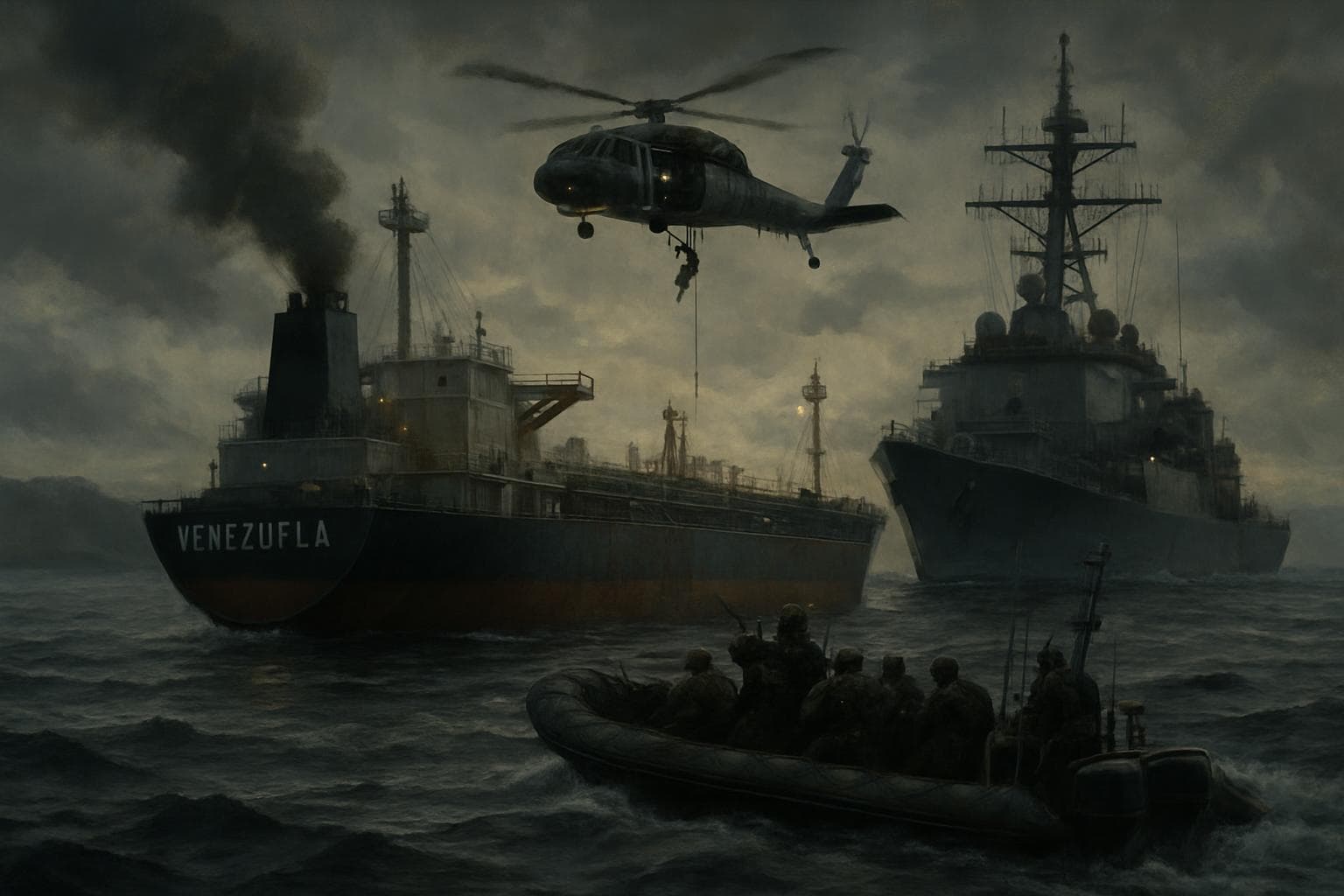
In a bold move that underscores escalating tensions between the United States and Venezuela, US forces seized the oil tanker Skipper off the Venezuelan coast. The vessel, previously sanctioned in 2022, is accused of transporting illicit oil from Iran and Venezuela, according to US Attorney General Pam Bondi. The operation, part of a broader US strategy to enforce sanctions and curb illegal activities in the region, highlights the ongoing geopolitical friction.
The Skipper's Shadowy Operations
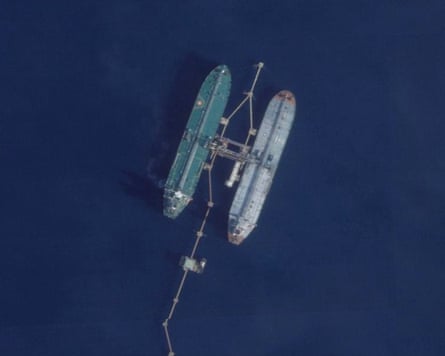
The Skipper, a very large crude carrier (VLCC), has a history of concealing its true location and activities. Maritime analytics firm Kpler and tracking site MarineTraffic reveal that the tanker engaged in deceptive practices, such as spoofing its Automatic Identification System (AIS) to mask its movements. The vessel's last known legitimate port call was in Iran, but it reportedly conducted ship-to-ship transfers and unloaded cargo in China under false declarations.
The tanker, falsely flying the flag of Guyana, is part of a "shadow fleet" that evades international sanctions by obscuring ownership and travel histories. This network of vessels plays a crucial role in smuggling oil for sanctioned nations like Iran and Venezuela.
US Military Presence and Legal Proceedings
The seizure of the Skipper comes amid a significant US military buildup in the Caribbean, including the deployment of the USS Gerald R Ford, the world's largest aircraft carrier. This military presence aims to enforce sanctions and combat illegal drug trafficking, as stated by White House press secretary Karoline Leavitt.
The Skipper is currently undergoing a legal forfeiture process in the US, where authorities intend to seize its cargo of approximately 1.1 million barrels of oil. The vessel's crew is being interviewed as part of the investigation.
Implications for US-Venezuela Relations
The seizure of the Skipper is a critical component of the US's broader strategy to pressure Venezuela's government, led by President Nicolás Maduro. The Trump administration's ultimate goal appears to be the overthrow of Maduro's regime, which has been accused of election rigging and human rights abuses.
WHAT THIS MIGHT MEAN
The seizure of the Skipper could further strain US-Venezuela relations, potentially leading to retaliatory measures from the Maduro government. The operation also highlights the challenges of enforcing international sanctions, as shadow fleets continue to exploit loopholes in maritime law. Experts suggest that increased international cooperation and advanced tracking technologies may be necessary to effectively combat these illicit networks. As the legal process unfolds, the outcome could set a precedent for future enforcement actions against sanctioned vessels.
Images from the Web
Related Articles

UK Faces Dilemmas Amid Iran Conflict and China Spying Allegations
US and Israel Intensify Military Campaign as Iran's Capabilities Dwindle

Intensified US-Israel Strikes on Iran Spark Global Outcry
Senate Blocks Resolution to Limit Trump's Military Actions in Iran

Spain's Sánchez Stands Firm Against Trump's Trade Threat Over Iran Stance
China Sets Lowest GDP Growth Target in Decades Amid Economic Challenges
US Seizes Sanctioned Oil Tanker Off Venezuela Amid Rising Tensions
In This Article
 Ethan Brooks| Published
 HIGHLIGHTS
- The US seized the oil tanker Skipper off Venezuela's coast, previously sanctioned in 2022 for smuggling oil from Iran and Venezuela.
- The Skipper, falsely flying Guyana's flag, is part of a "shadow fleet" evading international sanctions by obscuring its identity and movements.
- The US military's presence in the region has increased, with operations targeting drug smuggling and enforcing sanctions against Venezuela.
- The tanker, carrying approximately 1.1 million barrels of oil, is undergoing a legal forfeiture process in the US.
- The Skipper's movements were masked by falsifying its location data, a tactic known as spoofing, to evade detection.
In a bold move that underscores escalating tensions between the United States and Venezuela, US forces seized the oil tanker Skipper off the Venezuelan coast. The vessel, previously sanctioned in 2022, is accused of transporting illicit oil from Iran and Venezuela, according to US Attorney General Pam Bondi. The operation, part of a broader US strategy to enforce sanctions and curb illegal activities in the region, highlights the ongoing geopolitical friction.
The Skipper's Shadowy Operations
The Skipper, a very large crude carrier (VLCC), has a history of concealing its true location and activities. Maritime analytics firm Kpler and tracking site MarineTraffic reveal that the tanker engaged in deceptive practices, such as spoofing its Automatic Identification System (AIS) to mask its movements. The vessel's last known legitimate port call was in Iran, but it reportedly conducted ship-to-ship transfers and unloaded cargo in China under false declarations.
The tanker, falsely flying the flag of Guyana, is part of a "shadow fleet" that evades international sanctions by obscuring ownership and travel histories. This network of vessels plays a crucial role in smuggling oil for sanctioned nations like Iran and Venezuela.
US Military Presence and Legal Proceedings
The seizure of the Skipper comes amid a significant US military buildup in the Caribbean, including the deployment of the USS Gerald R Ford, the world's largest aircraft carrier. This military presence aims to enforce sanctions and combat illegal drug trafficking, as stated by White House press secretary Karoline Leavitt.
The Skipper is currently undergoing a legal forfeiture process in the US, where authorities intend to seize its cargo of approximately 1.1 million barrels of oil. The vessel's crew is being interviewed as part of the investigation.
Implications for US-Venezuela Relations
The seizure of the Skipper is a critical component of the US's broader strategy to pressure Venezuela's government, led by President Nicolás Maduro. The Trump administration's ultimate goal appears to be the overthrow of Maduro's regime, which has been accused of election rigging and human rights abuses.
WHAT THIS MIGHT MEAN
The seizure of the Skipper could further strain US-Venezuela relations, potentially leading to retaliatory measures from the Maduro government. The operation also highlights the challenges of enforcing international sanctions, as shadow fleets continue to exploit loopholes in maritime law. Experts suggest that increased international cooperation and advanced tracking technologies may be necessary to effectively combat these illicit networks. As the legal process unfolds, the outcome could set a precedent for future enforcement actions against sanctioned vessels.
Images from the Web
Related Articles
UK Faces Dilemmas Amid Iran Conflict and China Spying Allegations
US and Israel Intensify Military Campaign as Iran's Capabilities Dwindle
Intensified US-Israel Strikes on Iran Spark Global Outcry
Senate Blocks Resolution to Limit Trump's Military Actions in Iran
Spain's Sánchez Stands Firm Against Trump's Trade Threat Over Iran Stance
China Sets Lowest GDP Growth Target in Decades Amid Economic Challenges