
US Seizes Venezuelan Oil Amid Rising Tensions with China and Russia

In This Article
HIGHLIGHTS
- The US has seized Venezuelan oil tankers, with President Trump suggesting the oil may be kept or sold.
- China and Russia have criticized US actions, pledging support for Venezuela amid escalating tensions.
- The US military has increased its presence in the Caribbean, targeting alleged drug-smuggling operations.
- Venezuela's oil exports face significant disruption due to US sanctions, affecting global oil markets.
- The UN Security Council is set to discuss the situation at Venezuela's request.
The United States has intensified its pressure on Venezuela by seizing oil tankers off its coast, a move that has drawn sharp criticism from China and Russia. President Donald Trump announced that the US might retain or sell the confiscated oil, as part of a broader strategy to undermine Venezuelan President Nicolás Maduro's regime.
US Actions and International Response
Speaking in Florida, Trump stated, "We're going to keep it," referring to the seized oil, and suggested it might be used for the Strategic Reserves. The US has accused Venezuela of using oil revenues to fund illicit activities, while Caracas has condemned these actions as "piracy." The US military has already seized two tankers this month and is pursuing a third, believed to be part of a Venezuelan "dark fleet" evading sanctions.
In response, China and Russia have voiced their support for Venezuela. China's foreign ministry condemned the US's seizure of a China-bound tanker, labeling it a violation of international law. Russia's foreign ministry expressed "deep concern" over the escalation, warning of potential regional consequences.
Impact on Venezuelan Oil Exports
The US blockade has significantly slowed operations at Venezuelan ports, with many tankers unable to depart, leaving millions of barrels of oil stranded. This disruption has forced Venezuela's oil customers to seek deeper discounts and contract changes to navigate the risky waters.
Military Escalation and Legal Context
The US has ramped up its military presence in the Caribbean, conducting strikes on vessels suspected of drug trafficking. These actions have faced scrutiny from Congress, as evidence of drug smuggling remains undisclosed. Trump has also hinted at potential land-based operations, stating, "If they want to come by land, they're going to end up having a big problem."
Diplomatic and Legal Developments
The UN Security Council is scheduled to hold an emergency session to address the situation, following a request from Venezuela. Meanwhile, Maduro has criticized Trump's focus on Venezuela, suggesting he should prioritize domestic issues.
WHAT THIS MIGHT MEAN
The ongoing US-Venezuela tensions could lead to further geopolitical complications, especially with China and Russia's involvement. If the US continues its aggressive stance, it may provoke a broader international response, potentially affecting global oil markets and diplomatic relations. Legal experts suggest that the UN Security Council's upcoming session could either escalate or de-escalate the situation, depending on the international community's stance on US actions. As the situation unfolds, the potential for increased sanctions or military interventions remains a critical concern for all parties involved.
Related Articles
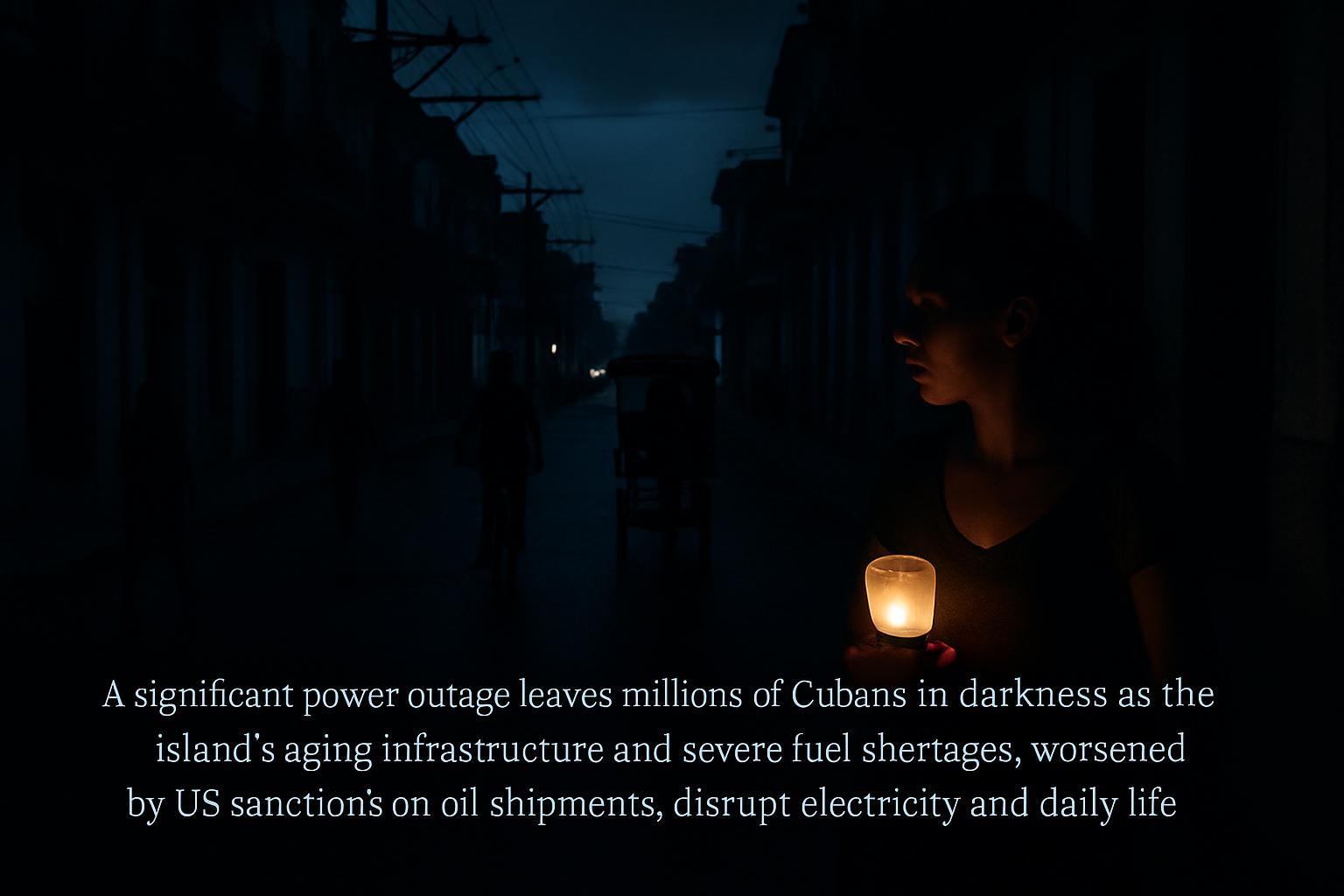
Cuba Faces Widespread Blackout Amid Deepening Fuel Crisis

UK Faces Dilemmas Amid Iran Conflict and China Spying Allegations
Intensified US-Israel Strikes on Iran Spark Global Outcry
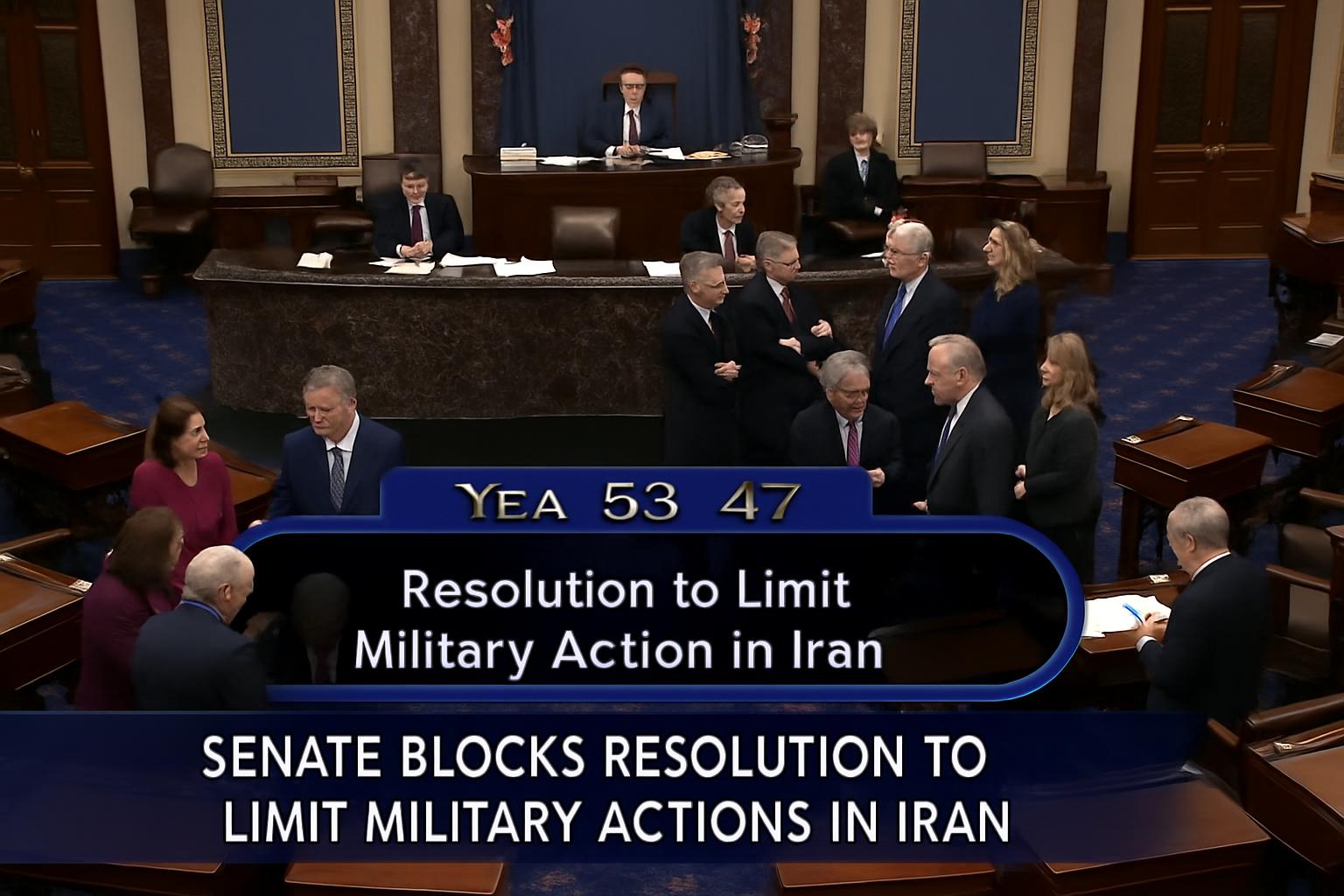
Senate Blocks Resolution to Limit Trump's Military Actions in Iran
Spain's Sánchez Stands Firm Against Trump's Trade Threat Over Iran Stance
Iran Postpones Khamenei Funeral Amid Escalating US-Israeli Strikes
US Seizes Venezuelan Oil Amid Rising Tensions with China and Russia
In This Article
 Ethan Brooks| Published
 HIGHLIGHTS
- The US has seized Venezuelan oil tankers, with President Trump suggesting the oil may be kept or sold.
- China and Russia have criticized US actions, pledging support for Venezuela amid escalating tensions.
- The US military has increased its presence in the Caribbean, targeting alleged drug-smuggling operations.
- Venezuela's oil exports face significant disruption due to US sanctions, affecting global oil markets.
- The UN Security Council is set to discuss the situation at Venezuela's request.
The United States has intensified its pressure on Venezuela by seizing oil tankers off its coast, a move that has drawn sharp criticism from China and Russia. President Donald Trump announced that the US might retain or sell the confiscated oil, as part of a broader strategy to undermine Venezuelan President Nicolás Maduro's regime.
US Actions and International Response
Speaking in Florida, Trump stated, "We're going to keep it," referring to the seized oil, and suggested it might be used for the Strategic Reserves. The US has accused Venezuela of using oil revenues to fund illicit activities, while Caracas has condemned these actions as "piracy." The US military has already seized two tankers this month and is pursuing a third, believed to be part of a Venezuelan "dark fleet" evading sanctions.
In response, China and Russia have voiced their support for Venezuela. China's foreign ministry condemned the US's seizure of a China-bound tanker, labeling it a violation of international law. Russia's foreign ministry expressed "deep concern" over the escalation, warning of potential regional consequences.
Impact on Venezuelan Oil Exports
The US blockade has significantly slowed operations at Venezuelan ports, with many tankers unable to depart, leaving millions of barrels of oil stranded. This disruption has forced Venezuela's oil customers to seek deeper discounts and contract changes to navigate the risky waters.
Military Escalation and Legal Context
The US has ramped up its military presence in the Caribbean, conducting strikes on vessels suspected of drug trafficking. These actions have faced scrutiny from Congress, as evidence of drug smuggling remains undisclosed. Trump has also hinted at potential land-based operations, stating, "If they want to come by land, they're going to end up having a big problem."
Diplomatic and Legal Developments
The UN Security Council is scheduled to hold an emergency session to address the situation, following a request from Venezuela. Meanwhile, Maduro has criticized Trump's focus on Venezuela, suggesting he should prioritize domestic issues.
WHAT THIS MIGHT MEAN
The ongoing US-Venezuela tensions could lead to further geopolitical complications, especially with China and Russia's involvement. If the US continues its aggressive stance, it may provoke a broader international response, potentially affecting global oil markets and diplomatic relations. Legal experts suggest that the UN Security Council's upcoming session could either escalate or de-escalate the situation, depending on the international community's stance on US actions. As the situation unfolds, the potential for increased sanctions or military interventions remains a critical concern for all parties involved.
Related Articles
Cuba Faces Widespread Blackout Amid Deepening Fuel Crisis
UK Faces Dilemmas Amid Iran Conflict and China Spying Allegations
Intensified US-Israel Strikes on Iran Spark Global Outcry
Senate Blocks Resolution to Limit Trump's Military Actions in Iran
Spain's Sánchez Stands Firm Against Trump's Trade Threat Over Iran Stance
Iran Postpones Khamenei Funeral Amid Escalating US-Israeli Strikes