
US to Sell F-35 Fighter Jets to Saudi Arabia Amid Renewed Diplomatic Engagement
In This Article
HIGHLIGHTS
- The US plans to sell F-35 fighter jets to Saudi Arabia, marking a significant arms deal under President Donald Trump.
- Saudi Crown Prince Mohammed bin Salman visits the White House for the first time since journalist Jamal Khashoggi's murder in 2018.
- Concerns arise over the potential sharing of sensitive stealth technology with China and the impact on Israel's military advantage.
- The sale is part of broader discussions on defense and civilian nuclear power between the US and Saudi Arabia.
- Trump aims to encourage Saudi Arabia to join the Abraham Accords, normalizing relations with Israel.
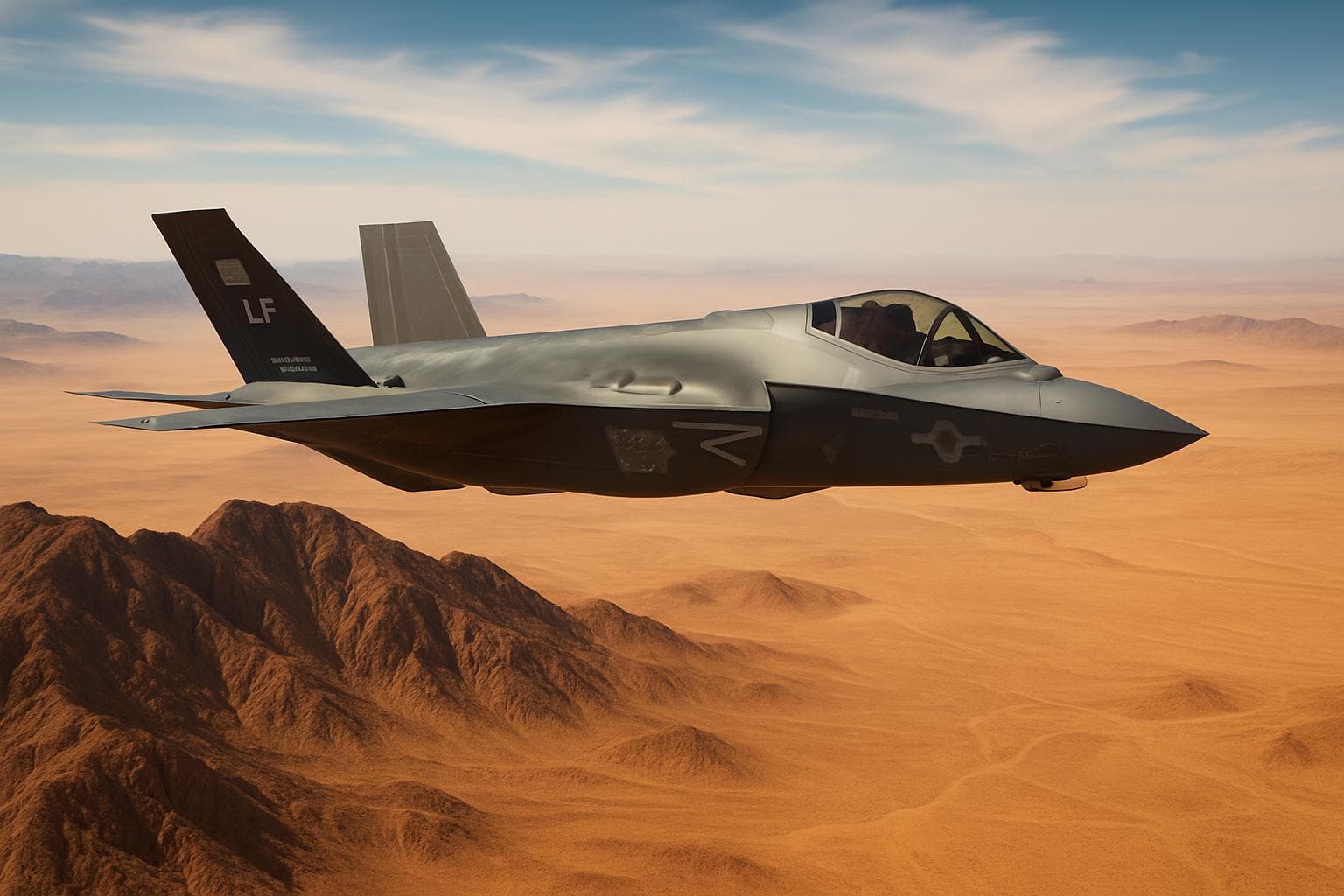
In a significant development in US-Saudi relations, President Donald Trump announced plans to sell F-35 fighter jets to Saudi Arabia. The announcement came ahead of a White House meeting with Saudi Crown Prince Mohammed bin Salman, marking the crown prince's first visit since the 2018 murder of journalist Jamal Khashoggi. The visit underscores the complex interplay of diplomacy, defense, and human rights in the Middle East.
Diplomatic and Defense Discussions
The meeting between Trump and Prince Mohammed is expected to cover a range of topics, including defense agreements and civilian nuclear power. The sale of F-35 jets, considered the most advanced fighter jets in the world, highlights the strengthening of military ties between the two nations. "They've been a great ally," Trump remarked, emphasizing the strategic partnership.
Concerns Over Technology and Regional Balance
The proposed sale has sparked concerns among American defense officials and Israeli authorities. There is apprehension that Saudi Arabia might share sensitive stealth technology with China, given their security partnership. Additionally, Israel, the only Middle Eastern country currently equipped with F-35s, fears the deal could undermine its military superiority in the region.
Human Rights and the Khashoggi Case
The visit also revives discussions around the murder of Jamal Khashoggi, a critic of the Saudi regime. A US intelligence assessment implicated Prince Mohammed in the killing, though he denies involvement. Khashoggi's widow, Hanan Elatr Khashoggi, expressed her distress over the visit, urging the US to prioritize human rights alongside economic interests.
The Abraham Accords and Regional Diplomacy
Trump is expected to advocate for Saudi Arabia's participation in the Abraham Accords, which aim to normalize relations between Israel and several Arab states. However, Saudi Arabia has conditioned its involvement on progress towards a Palestinian state, a stance currently at odds with the Israeli government.
WHAT THIS MIGHT MEAN
The sale of F-35 jets to Saudi Arabia could significantly alter the geopolitical landscape of the Middle East. If the deal proceeds, it may prompt Israel to seek further assurances from the US to maintain its qualitative military edge. Additionally, the potential sharing of technology with China could strain US-Saudi relations if not carefully managed.
Politically, the move may face scrutiny from human rights advocates and lawmakers concerned about Saudi Arabia's record. The Khashoggi murder remains a contentious issue, and any perceived leniency towards the crown prince could provoke domestic and international criticism.
Looking ahead, the success of the Abraham Accords could hinge on Saudi Arabia's involvement. Should the kingdom join, it could pave the way for broader regional cooperation, though significant diplomatic hurdles remain.
Related Articles

UK Faces Dilemmas Amid Iran Conflict and China Spying Allegations

Middle East Conflict Drives UK Energy Prices to New Highs

Senate Blocks Resolution to Limit Trump's Military Actions in Iran
Spain's Sánchez Stands Firm Against Trump's Trade Threat Over Iran Stance
China Sets Lowest GDP Growth Target in Decades Amid Economic Challenges

Tech Giants Pledge to Cover AI Data Center Energy Costs Amid Rising Electricity Concerns
US to Sell F-35 Fighter Jets to Saudi Arabia Amid Renewed Diplomatic Engagement
In This Article
 James Okoro| Published
 HIGHLIGHTS
- The US plans to sell F-35 fighter jets to Saudi Arabia, marking a significant arms deal under President Donald Trump.
- Saudi Crown Prince Mohammed bin Salman visits the White House for the first time since journalist Jamal Khashoggi's murder in 2018.
- Concerns arise over the potential sharing of sensitive stealth technology with China and the impact on Israel's military advantage.
- The sale is part of broader discussions on defense and civilian nuclear power between the US and Saudi Arabia.
- Trump aims to encourage Saudi Arabia to join the Abraham Accords, normalizing relations with Israel.
In a significant development in US-Saudi relations, President Donald Trump announced plans to sell F-35 fighter jets to Saudi Arabia. The announcement came ahead of a White House meeting with Saudi Crown Prince Mohammed bin Salman, marking the crown prince's first visit since the 2018 murder of journalist Jamal Khashoggi. The visit underscores the complex interplay of diplomacy, defense, and human rights in the Middle East.
Diplomatic and Defense Discussions
The meeting between Trump and Prince Mohammed is expected to cover a range of topics, including defense agreements and civilian nuclear power. The sale of F-35 jets, considered the most advanced fighter jets in the world, highlights the strengthening of military ties between the two nations. "They've been a great ally," Trump remarked, emphasizing the strategic partnership.
Concerns Over Technology and Regional Balance
The proposed sale has sparked concerns among American defense officials and Israeli authorities. There is apprehension that Saudi Arabia might share sensitive stealth technology with China, given their security partnership. Additionally, Israel, the only Middle Eastern country currently equipped with F-35s, fears the deal could undermine its military superiority in the region.
Human Rights and the Khashoggi Case
The visit also revives discussions around the murder of Jamal Khashoggi, a critic of the Saudi regime. A US intelligence assessment implicated Prince Mohammed in the killing, though he denies involvement. Khashoggi's widow, Hanan Elatr Khashoggi, expressed her distress over the visit, urging the US to prioritize human rights alongside economic interests.
The Abraham Accords and Regional Diplomacy
Trump is expected to advocate for Saudi Arabia's participation in the Abraham Accords, which aim to normalize relations between Israel and several Arab states. However, Saudi Arabia has conditioned its involvement on progress towards a Palestinian state, a stance currently at odds with the Israeli government.
WHAT THIS MIGHT MEAN
The sale of F-35 jets to Saudi Arabia could significantly alter the geopolitical landscape of the Middle East. If the deal proceeds, it may prompt Israel to seek further assurances from the US to maintain its qualitative military edge. Additionally, the potential sharing of technology with China could strain US-Saudi relations if not carefully managed.
Politically, the move may face scrutiny from human rights advocates and lawmakers concerned about Saudi Arabia's record. The Khashoggi murder remains a contentious issue, and any perceived leniency towards the crown prince could provoke domestic and international criticism.
Looking ahead, the success of the Abraham Accords could hinge on Saudi Arabia's involvement. Should the kingdom join, it could pave the way for broader regional cooperation, though significant diplomatic hurdles remain.
Related Articles
UK Faces Dilemmas Amid Iran Conflict and China Spying Allegations
Middle East Conflict Drives UK Energy Prices to New Highs
Senate Blocks Resolution to Limit Trump's Military Actions in Iran
Spain's Sánchez Stands Firm Against Trump's Trade Threat Over Iran Stance
China Sets Lowest GDP Growth Target in Decades Amid Economic Challenges
Tech Giants Pledge to Cover AI Data Center Energy Costs Amid Rising Electricity Concerns