
US Strikes on Iranian Nuclear Sites Escalate Middle East Tensions
In This Article
HIGHLIGHTS
- President Trump announced US strikes on three Iranian nuclear sites, claiming a "spectacular military success" aimed at halting Iran's nuclear program.
- The strikes targeted Fordow, Natanz, and Isfahan, with Trump warning of further attacks if Iran does not engage in peace talks.
- Iran condemned the strikes as a violation of international law, with its foreign minister stating that diplomacy is no longer an option.
- The US action has sparked mixed reactions domestically, with some lawmakers supporting the strikes and others calling for congressional oversight.
- UN Secretary-General António Guterres warned that the escalation could lead to a "spiral of chaos" in the already volatile Middle East.
In a dramatic escalation of Middle East tensions, President Donald Trump announced that the United States has conducted military strikes on three Iranian nuclear sites. The operation, which Trump described as a "spectacular military success," targeted the Fordow, Natanz, and Isfahan facilities. The strikes are part of a broader strategy to dismantle Iran's nuclear capabilities and pressure Tehran into peace negotiations.
US Military Strategy and Objectives
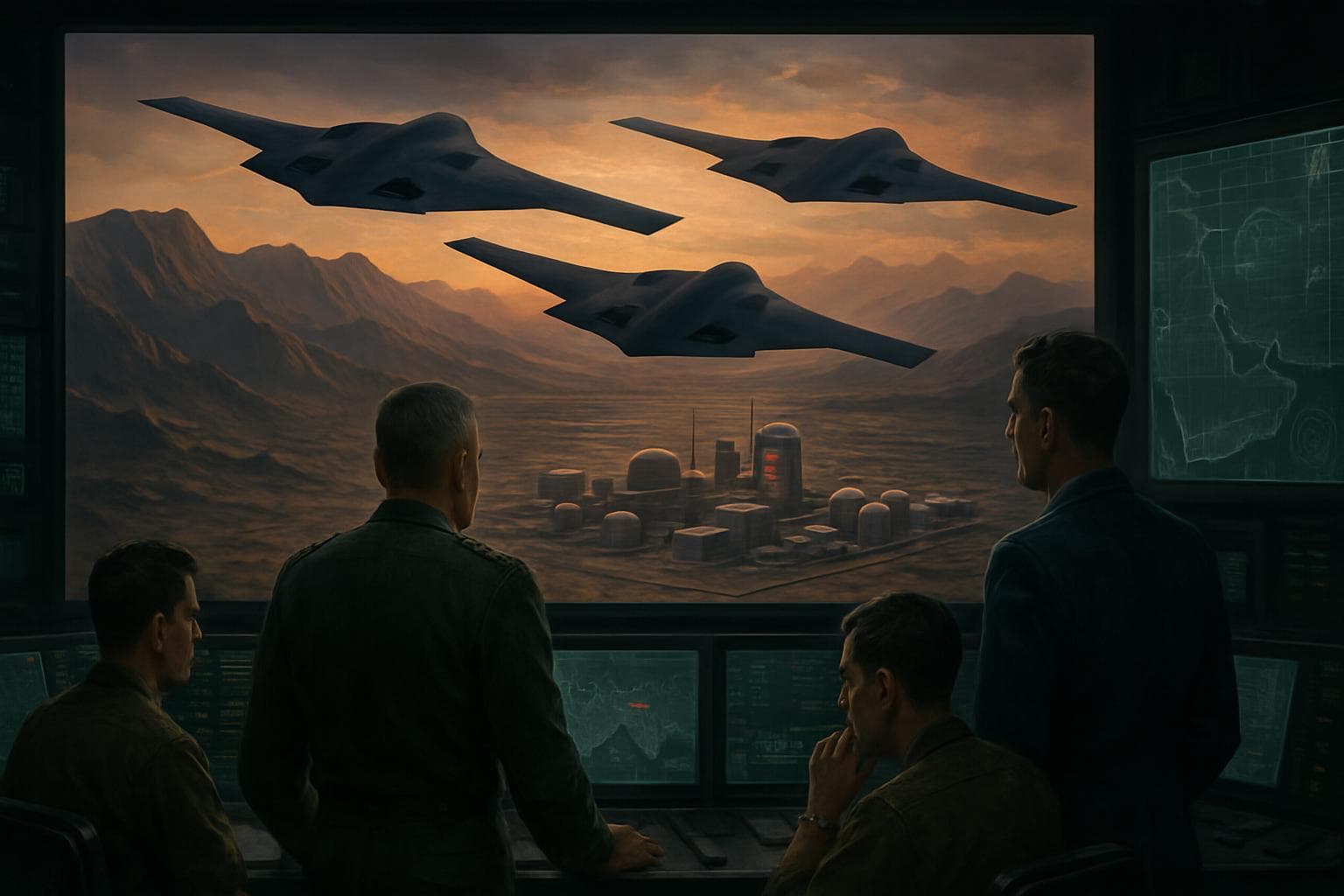
The strikes, carried out using B-2 bombers and Tomahawk missiles, represent the first US military action inside Iran since the 1979 Iranian Revolution. President Trump, flanked by Vice-President JD Vance and other senior officials, stated that the operation aimed to "obliterate" Iran's nuclear enrichment facilities, which he described as a threat to global security. "Iran, the bully of the Middle East, must now make peace," Trump declared, warning that further attacks would be "far greater and a lot easier" if Iran retaliates.
International and Domestic Reactions
The international community has reacted with concern, with UN Secretary-General António Guterres cautioning that the strikes could lead to a "spiral of chaos" in the region. Iran's foreign minister, Abbas Araghchi, condemned the US action as a breach of international law and vowed to defend Iran's sovereignty. Domestically, the strikes have polarized American lawmakers, with Republicans largely supporting the action and Democrats calling for congressional oversight under the War Powers Act.
Implications for US-Israel Relations
The strikes have also highlighted the close coordination between the US and Israel, with Israeli Prime Minister Benjamin Netanyahu praising the operation. "President Trump and I often say: 'Peace through strength.' First comes strength, then comes peace," Netanyahu remarked. The US intervention follows a series of Israeli attacks on Iranian targets, further complicating the geopolitical landscape in the Middle East.
WHAT THIS MIGHT MEAN
The US strikes on Iranian nuclear sites mark a significant escalation in the ongoing conflict between Iran and the West. If Iran retaliates, as it has vowed to do, the region could face a broader military confrontation. Experts warn that such an escalation could destabilize the Middle East, impacting global oil markets and international security. The situation also raises questions about the future of US foreign policy, particularly regarding its commitments to international law and multilateral diplomacy. As the world watches, the potential for a diplomatic resolution remains uncertain, with the risk of further military engagements looming large.
Images from the Web
Related Articles
Intensified US-Israel Strikes on Iran Spark Global Outcry
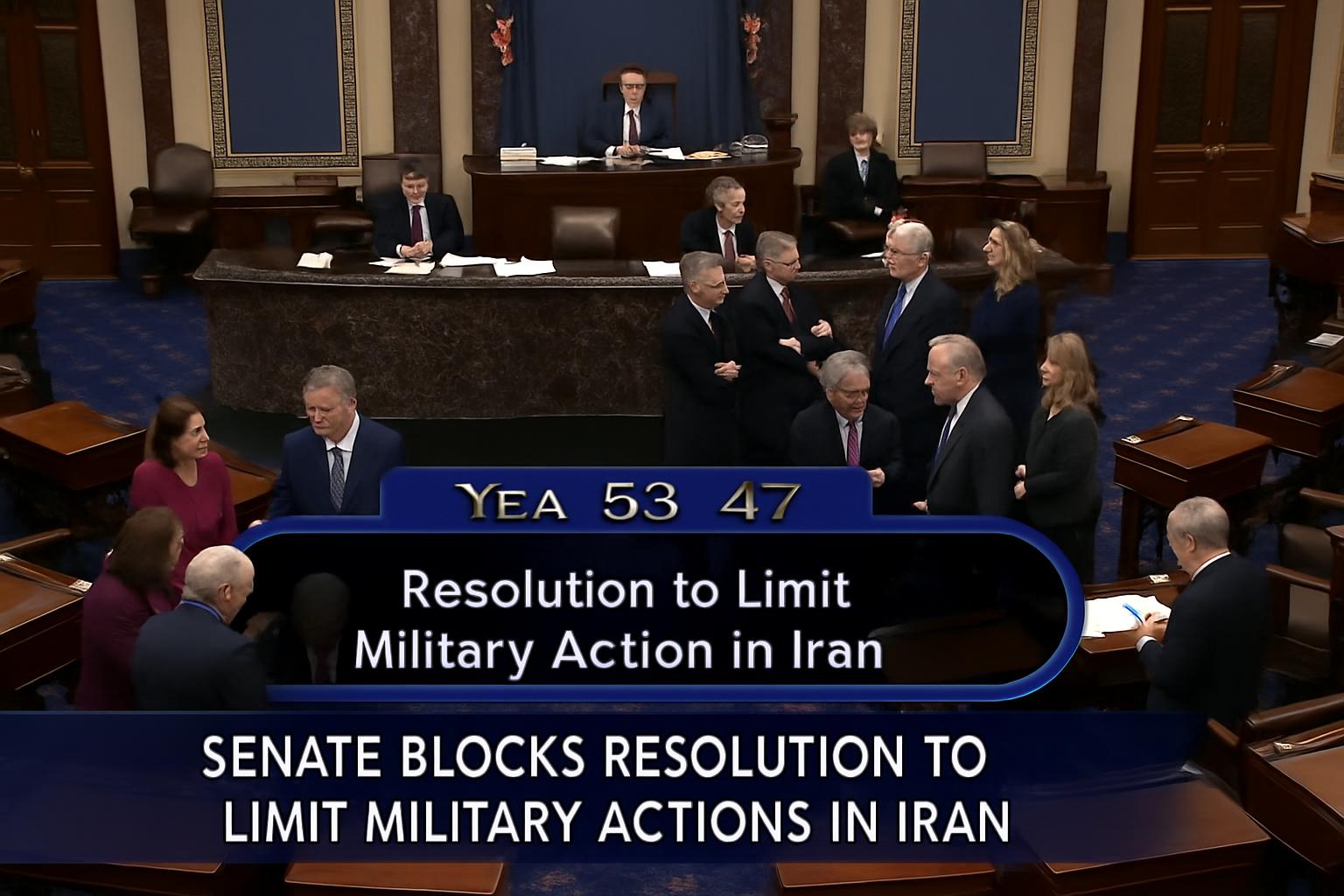
Senate Blocks Resolution to Limit Trump's Military Actions in Iran
Iran Postpones Khamenei Funeral Amid Escalating US-Israeli Strikes

UK Faces Dilemmas Amid Iran Conflict and China Spying Allegations
US and Israel Intensify Military Campaign as Iran's Capabilities Dwindle
Spain's Sánchez Stands Firm Against Trump's Trade Threat Over Iran Stance
US Strikes on Iranian Nuclear Sites Escalate Middle East Tensions
In This Article
 Ethan Brooks| Published
 HIGHLIGHTS
- President Trump announced US strikes on three Iranian nuclear sites, claiming a "spectacular military success" aimed at halting Iran's nuclear program.
- The strikes targeted Fordow, Natanz, and Isfahan, with Trump warning of further attacks if Iran does not engage in peace talks.
- Iran condemned the strikes as a violation of international law, with its foreign minister stating that diplomacy is no longer an option.
- The US action has sparked mixed reactions domestically, with some lawmakers supporting the strikes and others calling for congressional oversight.
- UN Secretary-General António Guterres warned that the escalation could lead to a "spiral of chaos" in the already volatile Middle East.
In a dramatic escalation of Middle East tensions, President Donald Trump announced that the United States has conducted military strikes on three Iranian nuclear sites. The operation, which Trump described as a "spectacular military success," targeted the Fordow, Natanz, and Isfahan facilities. The strikes are part of a broader strategy to dismantle Iran's nuclear capabilities and pressure Tehran into peace negotiations.
US Military Strategy and Objectives
The strikes, carried out using B-2 bombers and Tomahawk missiles, represent the first US military action inside Iran since the 1979 Iranian Revolution. President Trump, flanked by Vice-President JD Vance and other senior officials, stated that the operation aimed to "obliterate" Iran's nuclear enrichment facilities, which he described as a threat to global security. "Iran, the bully of the Middle East, must now make peace," Trump declared, warning that further attacks would be "far greater and a lot easier" if Iran retaliates.
International and Domestic Reactions
The international community has reacted with concern, with UN Secretary-General António Guterres cautioning that the strikes could lead to a "spiral of chaos" in the region. Iran's foreign minister, Abbas Araghchi, condemned the US action as a breach of international law and vowed to defend Iran's sovereignty. Domestically, the strikes have polarized American lawmakers, with Republicans largely supporting the action and Democrats calling for congressional oversight under the War Powers Act.
Implications for US-Israel Relations
The strikes have also highlighted the close coordination between the US and Israel, with Israeli Prime Minister Benjamin Netanyahu praising the operation. "President Trump and I often say: 'Peace through strength.' First comes strength, then comes peace," Netanyahu remarked. The US intervention follows a series of Israeli attacks on Iranian targets, further complicating the geopolitical landscape in the Middle East.
WHAT THIS MIGHT MEAN
The US strikes on Iranian nuclear sites mark a significant escalation in the ongoing conflict between Iran and the West. If Iran retaliates, as it has vowed to do, the region could face a broader military confrontation. Experts warn that such an escalation could destabilize the Middle East, impacting global oil markets and international security. The situation also raises questions about the future of US foreign policy, particularly regarding its commitments to international law and multilateral diplomacy. As the world watches, the potential for a diplomatic resolution remains uncertain, with the risk of further military engagements looming large.
Images from the Web
Related Articles
Intensified US-Israel Strikes on Iran Spark Global Outcry
Senate Blocks Resolution to Limit Trump's Military Actions in Iran
Iran Postpones Khamenei Funeral Amid Escalating US-Israeli Strikes
UK Faces Dilemmas Amid Iran Conflict and China Spying Allegations
US and Israel Intensify Military Campaign as Iran's Capabilities Dwindle
Spain's Sánchez Stands Firm Against Trump's Trade Threat Over Iran Stance