
US Strikes on Iranian Nuclear Sites Spark Global Concerns Over Escalation
In This Article
HIGHLIGHTS
- The US conducted airstrikes on three Iranian nuclear sites, raising concerns of escalation in the Middle East.
- UK Prime Minister Keir Starmer emphasized the need for de-escalation and a return to diplomatic negotiations.
- International leaders, including the UN and EU, have called for restraint and warned of potential catastrophic consequences.
- Iran's foreign minister condemned the strikes, while the US claimed they significantly impacted Iran's nuclear capabilities.
- The UK was not involved in the strikes but has heightened its military alert in the region.
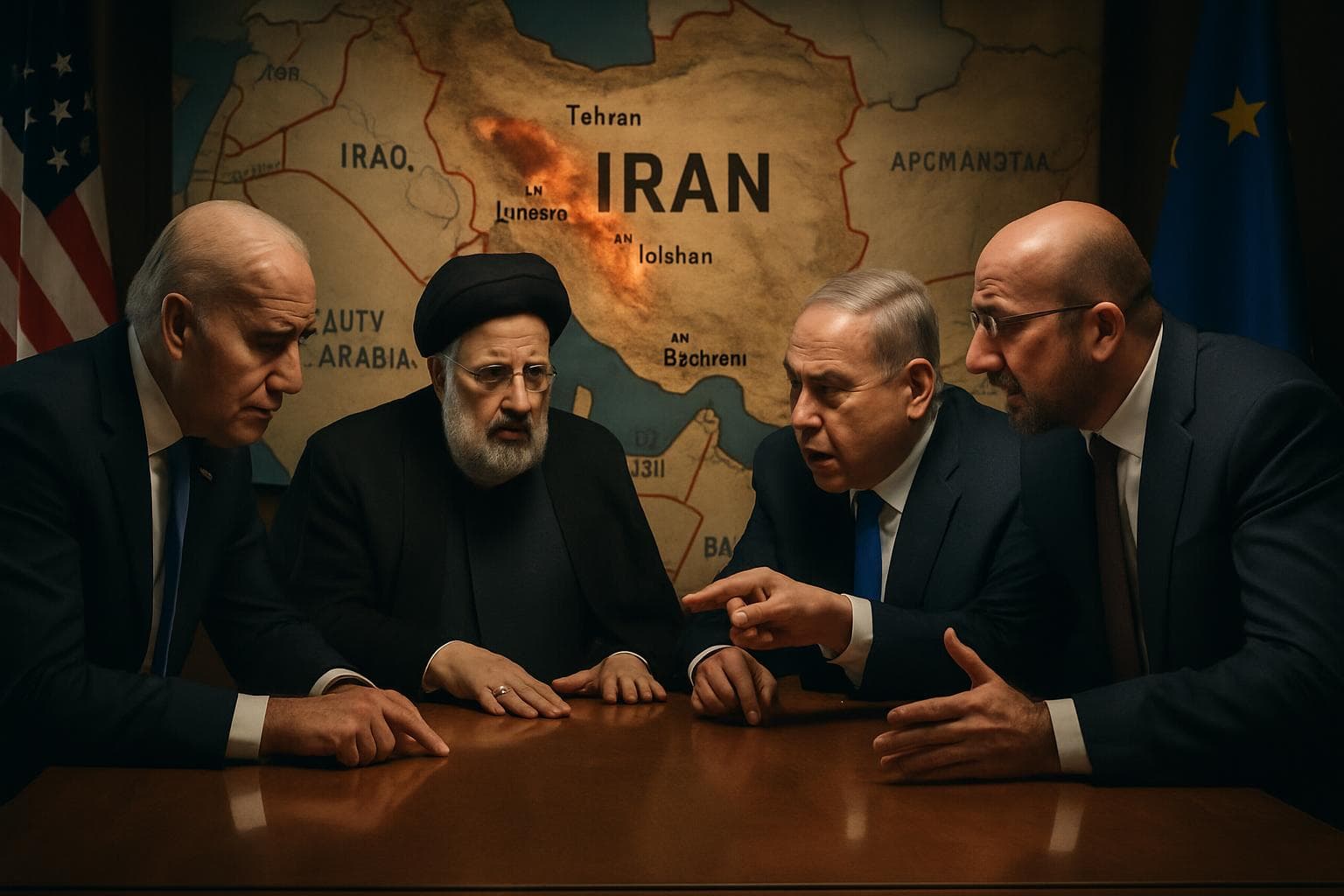
The recent US airstrikes on Iranian nuclear facilities have ignited fears of a broader conflict in the Middle East, prompting urgent calls for diplomacy from global leaders. The strikes, which targeted sites in Natanz, Isfahan, and Fordo, were described by US Defense Secretary Pete Hegseth as a significant blow to Iran's nuclear ambitions. However, the move has drawn widespread alarm, with many nations urging restraint to prevent further escalation.
International Reactions and Calls for Diplomacy
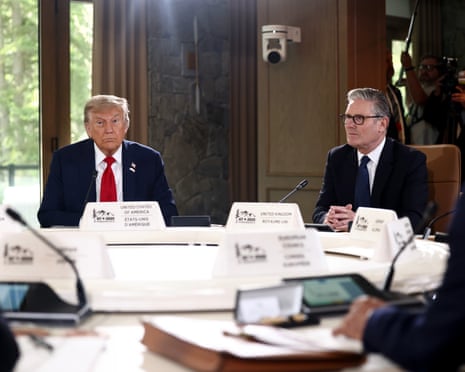
UK Prime Minister Keir Starmer, speaking from his Chequers retreat, underscored the importance of de-escalating tensions and returning to the negotiating table. "Stability in the region is a priority," he stated, emphasizing that Iran must not develop a nuclear weapon. Starmer, who was informed of the US action in advance, convened an emergency Cobra meeting to assess the situation and ensure the protection of UK interests in the region.
The international community has echoed these sentiments, with the UN Secretary-General António Guterres expressing grave concern over the potential for chaos. "This is a dangerous escalation," Guterres warned, advocating for diplomacy as the only viable solution. Similarly, the EU's foreign policy chief, Kaja Kallas, called for immediate negotiations to prevent further conflict.
Regional Implications and Military Preparedness
The strikes have heightened tensions across the Middle East, with countries like Qatar and Saudi Arabia expressing deep concern over the potential for regional instability. Qatar's foreign ministry highlighted the risk of catastrophic consequences, while Saudi Arabia urged all parties to exercise restraint.
In response to the heightened threat, the UK has increased its military alert level in the region, although it was not directly involved in the US strikes. Business Secretary Jonathan Reynolds reassured the public that the UK government has been preparing for all eventualities, emphasizing the importance of preventing Iran from obtaining nuclear weapons.
Iran's Response and Future Prospects
Iran's foreign minister, Seyed Abbas Araghchi, condemned the US strikes as "outrageous" and warned of lasting repercussions. Despite Iran's claims that its nuclear program is for peaceful purposes, the International Atomic Energy Agency has raised concerns over recent uranium enrichment activities.
WHAT THIS MIGHT MEAN
The US strikes on Iranian nuclear sites have set the stage for a potentially volatile situation in the Middle East. If diplomatic efforts fail to gain traction, the risk of further military confrontations could increase, potentially drawing in regional and global powers. Experts suggest that sustained international pressure and a unified call for negotiations may be crucial in averting a full-scale conflict.
The coming weeks will likely see intensified diplomatic efforts, with the EU and UN playing pivotal roles in mediating talks between the US, Iran, and other stakeholders. The outcome of these negotiations could significantly impact regional stability and international security, underscoring the urgent need for a peaceful resolution.
Images from the Web
Related Articles
Intensified US-Israel Strikes on Iran Spark Global Outcry
Spain's Sánchez Stands Firm Against Trump's Trade Threat Over Iran Stance
US and Israel Intensify Military Campaign as Iran's Capabilities Dwindle
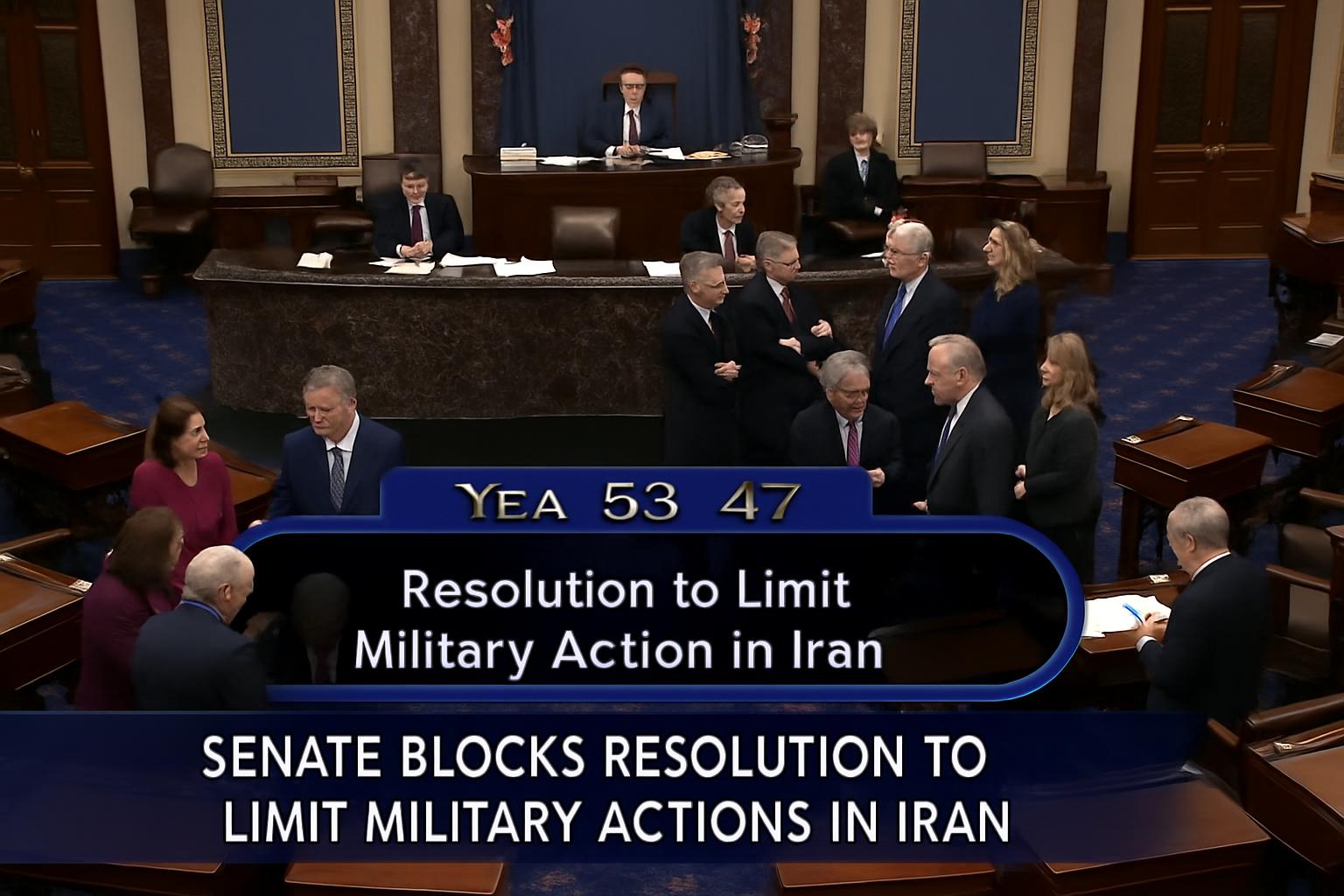
Senate Blocks Resolution to Limit Trump's Military Actions in Iran
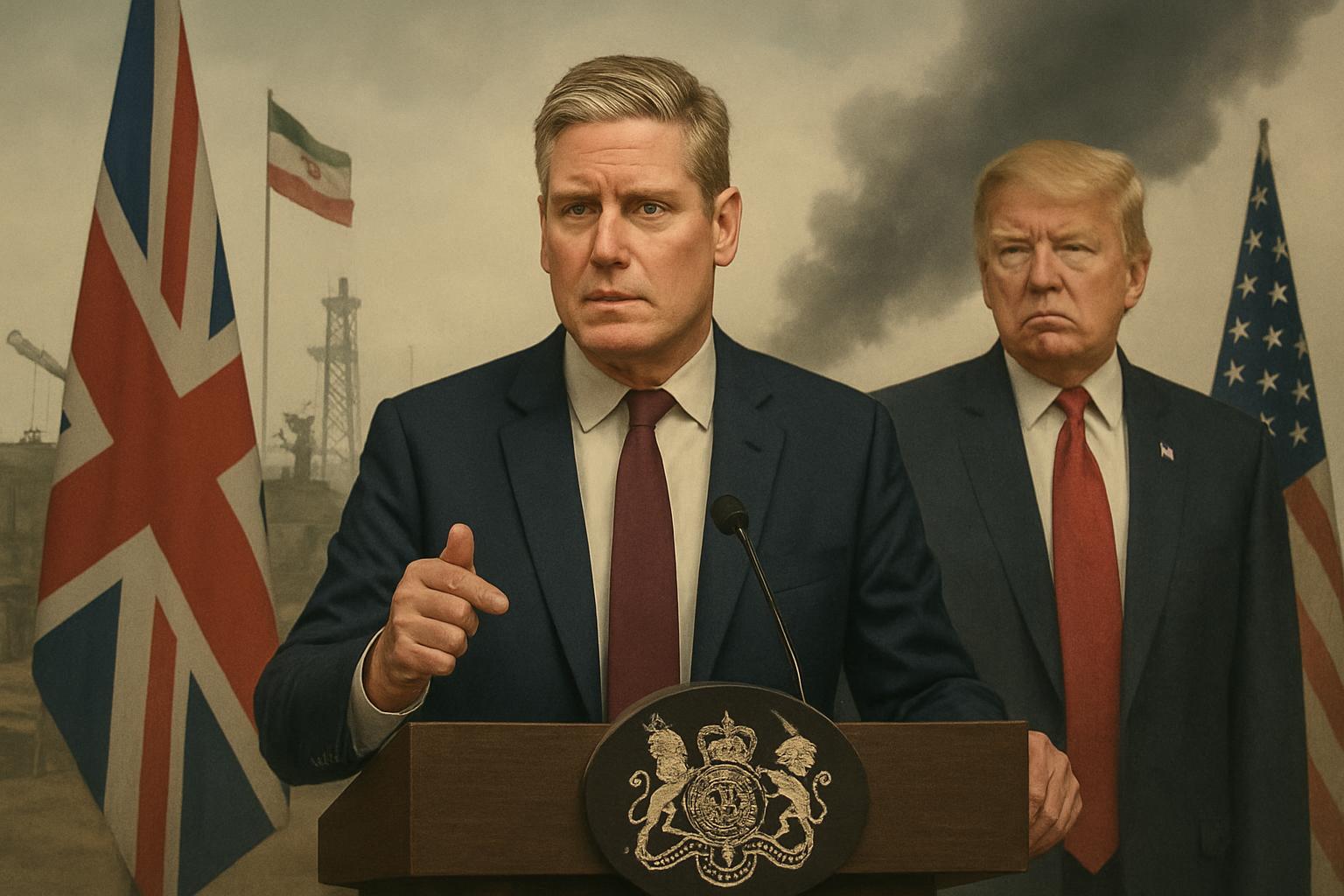
UK-Iran Tensions: Starmer Defends Cautious Approach Amid Trump Criticism

UK Faces Dilemmas Amid Iran Conflict and China Spying Allegations
US Strikes on Iranian Nuclear Sites Spark Global Concerns Over Escalation
In This Article
 Ethan Brooks| Published
 HIGHLIGHTS
- The US conducted airstrikes on three Iranian nuclear sites, raising concerns of escalation in the Middle East.
- UK Prime Minister Keir Starmer emphasized the need for de-escalation and a return to diplomatic negotiations.
- International leaders, including the UN and EU, have called for restraint and warned of potential catastrophic consequences.
- Iran's foreign minister condemned the strikes, while the US claimed they significantly impacted Iran's nuclear capabilities.
- The UK was not involved in the strikes but has heightened its military alert in the region.
The recent US airstrikes on Iranian nuclear facilities have ignited fears of a broader conflict in the Middle East, prompting urgent calls for diplomacy from global leaders. The strikes, which targeted sites in Natanz, Isfahan, and Fordo, were described by US Defense Secretary Pete Hegseth as a significant blow to Iran's nuclear ambitions. However, the move has drawn widespread alarm, with many nations urging restraint to prevent further escalation.
International Reactions and Calls for Diplomacy
UK Prime Minister Keir Starmer, speaking from his Chequers retreat, underscored the importance of de-escalating tensions and returning to the negotiating table. "Stability in the region is a priority," he stated, emphasizing that Iran must not develop a nuclear weapon. Starmer, who was informed of the US action in advance, convened an emergency Cobra meeting to assess the situation and ensure the protection of UK interests in the region.
The international community has echoed these sentiments, with the UN Secretary-General António Guterres expressing grave concern over the potential for chaos. "This is a dangerous escalation," Guterres warned, advocating for diplomacy as the only viable solution. Similarly, the EU's foreign policy chief, Kaja Kallas, called for immediate negotiations to prevent further conflict.
Regional Implications and Military Preparedness
The strikes have heightened tensions across the Middle East, with countries like Qatar and Saudi Arabia expressing deep concern over the potential for regional instability. Qatar's foreign ministry highlighted the risk of catastrophic consequences, while Saudi Arabia urged all parties to exercise restraint.
In response to the heightened threat, the UK has increased its military alert level in the region, although it was not directly involved in the US strikes. Business Secretary Jonathan Reynolds reassured the public that the UK government has been preparing for all eventualities, emphasizing the importance of preventing Iran from obtaining nuclear weapons.
Iran's Response and Future Prospects
Iran's foreign minister, Seyed Abbas Araghchi, condemned the US strikes as "outrageous" and warned of lasting repercussions. Despite Iran's claims that its nuclear program is for peaceful purposes, the International Atomic Energy Agency has raised concerns over recent uranium enrichment activities.
WHAT THIS MIGHT MEAN
The US strikes on Iranian nuclear sites have set the stage for a potentially volatile situation in the Middle East. If diplomatic efforts fail to gain traction, the risk of further military confrontations could increase, potentially drawing in regional and global powers. Experts suggest that sustained international pressure and a unified call for negotiations may be crucial in averting a full-scale conflict.
The coming weeks will likely see intensified diplomatic efforts, with the EU and UN playing pivotal roles in mediating talks between the US, Iran, and other stakeholders. The outcome of these negotiations could significantly impact regional stability and international security, underscoring the urgent need for a peaceful resolution.
Images from the Web
Related Articles
Intensified US-Israel Strikes on Iran Spark Global Outcry
Spain's Sánchez Stands Firm Against Trump's Trade Threat Over Iran Stance
US and Israel Intensify Military Campaign as Iran's Capabilities Dwindle
Senate Blocks Resolution to Limit Trump's Military Actions in Iran
UK-Iran Tensions: Starmer Defends Cautious Approach Amid Trump Criticism
UK Faces Dilemmas Amid Iran Conflict and China Spying Allegations