
US Military Strikes on Venezuelan Drug Boats Spark Legal and Political Controversy
In This Article
HIGHLIGHTS
- US military strikes on suspected Venezuelan drug boats have led to over 80 deaths since September, raising legal concerns.
- A second strike on a vessel was reportedly ordered to kill survivors, prompting bipartisan calls for Congressional oversight.
- Defense Secretary Pete Hegseth denies ordering the follow-up strike, labeling reports as "fake news".
- President Trump supports Hegseth but has expressed he "wouldn't have wanted" a second strike on survivors.
- The UN has urged the US to investigate the legality of these operations, citing potential extrajudicial killings.
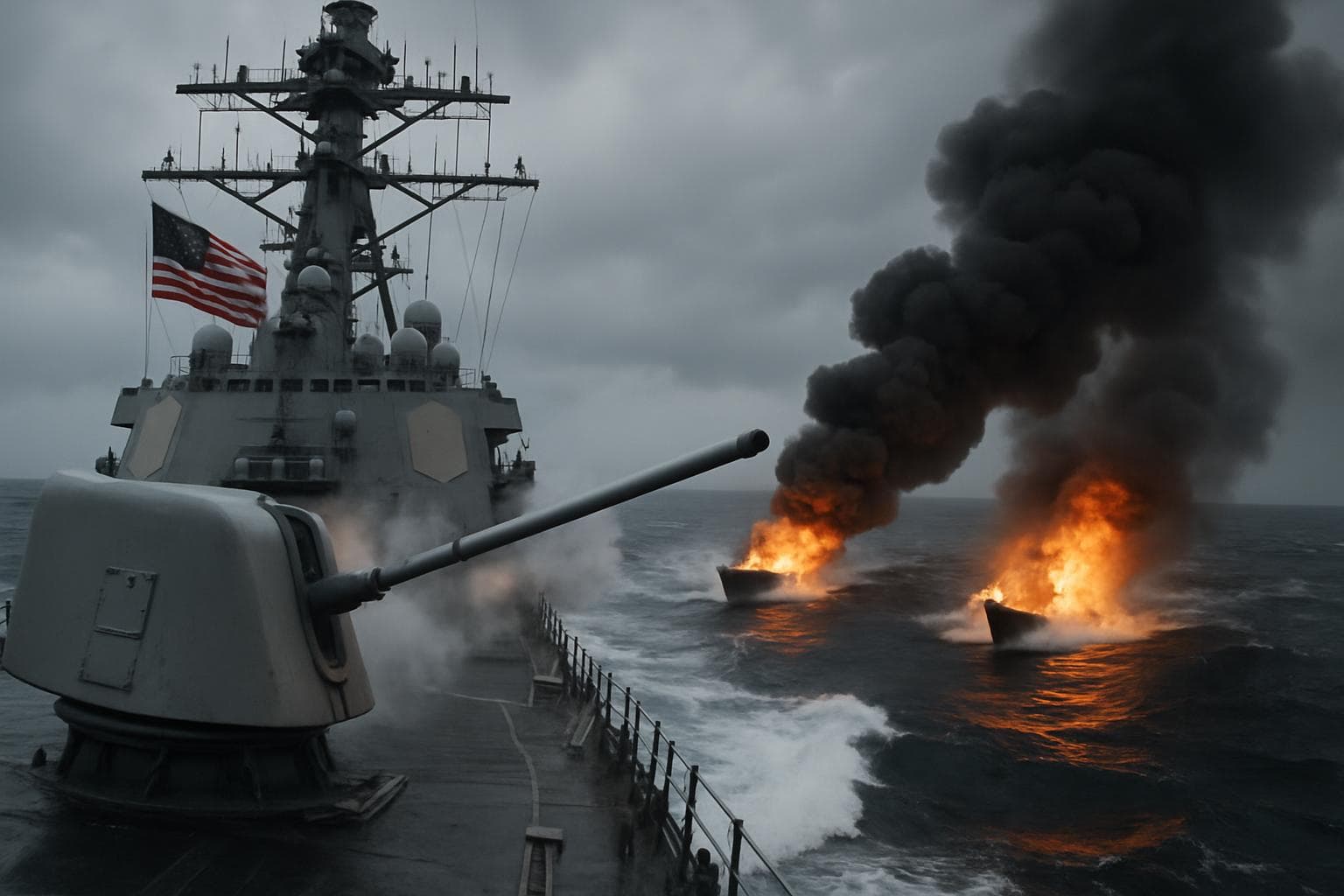
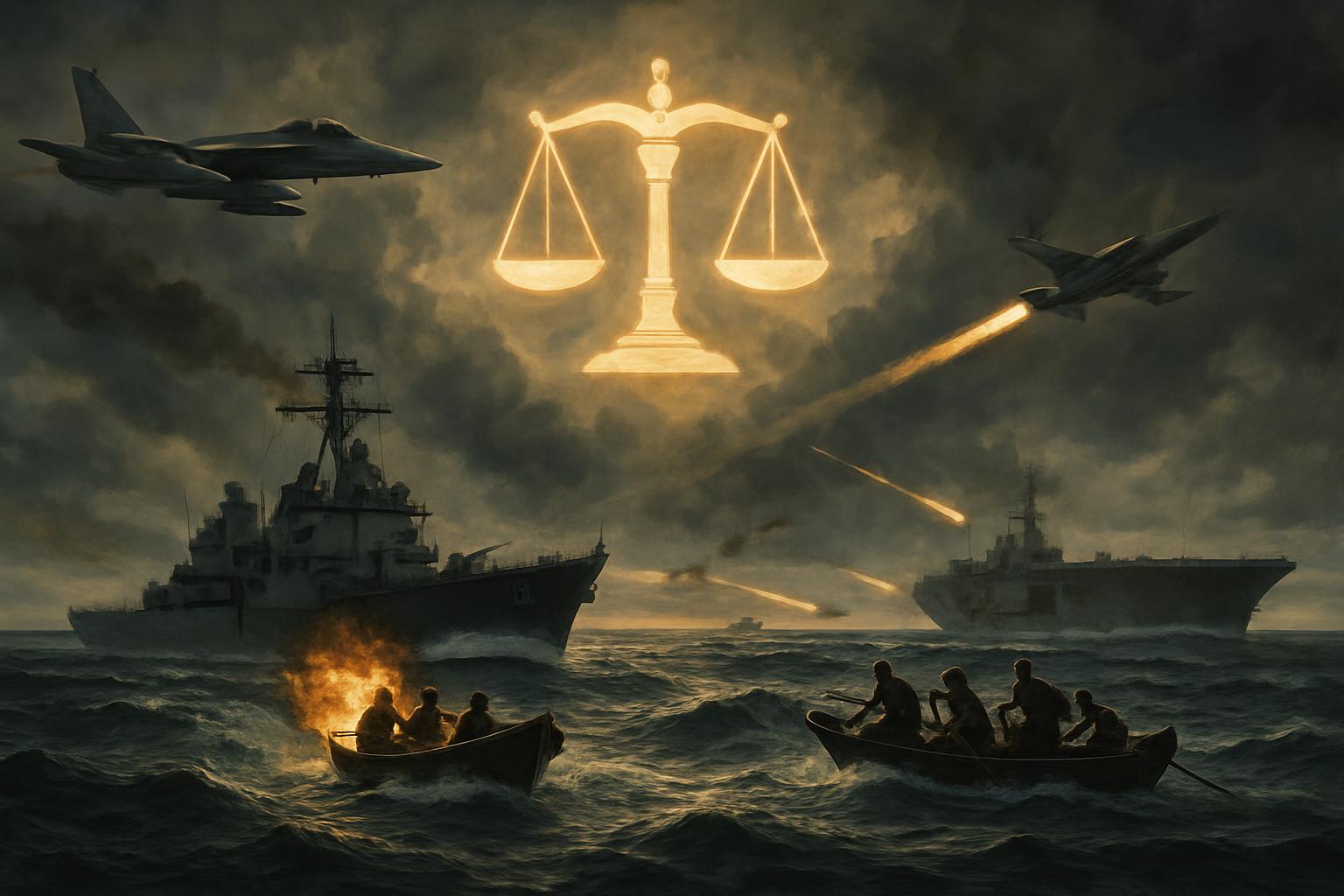
The US military's recent operations targeting suspected drug-smuggling boats in the Caribbean have ignited a firestorm of legal and political scrutiny. Since early September, these strikes have resulted in over 80 fatalities, with the Trump administration justifying the actions as self-defense against narco-terrorism. However, reports of a second strike on a vessel, allegedly ordered to eliminate survivors of an initial attack, have raised significant legal and ethical questions.
Controversial Orders and Congressional Oversight
The controversy centers around a September 2 incident where a US Navy commander, Admiral Frank Bradley, reportedly ordered a follow-up strike on a burning vessel after two survivors were spotted. Defense Secretary Pete Hegseth has been accused of instructing the military to "kill everybody" on board, a claim he vehemently denies, dismissing it as "fabricated" and "inflammatory." President Donald Trump has backed Hegseth, stating he believes the defense secretary did not issue such an order.
In response to these allegations, both Republican and Democratic lawmakers have called for thorough Congressional reviews. The Senate Armed Services Committee, led by Senator Roger Wicker, has pledged "vigorous oversight" to uncover the facts, while the House Armed Services Committee is also conducting its own investigation. Lawmakers have expressed concerns that, if true, the actions could constitute war crimes.
International and Legal Implications
The international community has also taken note, with UN human rights chief Volker Türk urging the US to examine the legality of these operations. Türk highlighted the potential for these strikes to be classified as extrajudicial killings, a serious violation of international law. Despite these concerns, the Trump administration maintains that the operations are lawful and necessary to combat drug trafficking.
Political Ramifications and Future Actions
The political ramifications of these strikes are significant, with President Trump confirming discussions with Venezuelan President Nicolás Maduro, though details remain undisclosed. As the situation unfolds, the administration faces mounting pressure to provide transparency and accountability regarding its military actions in the region.
WHAT THIS MIGHT MEAN
The ongoing investigations by Congressional committees could lead to significant political and legal consequences for the Trump administration. If evidence supports the allegations of unlawful orders, it may result in calls for accountability and potential legal action against those involved. Internationally, the US could face diplomatic challenges, particularly if the operations are deemed to violate international law. Moving forward, the administration may need to reassess its military strategy in the Caribbean to mitigate further legal and political fallout.
Related Articles
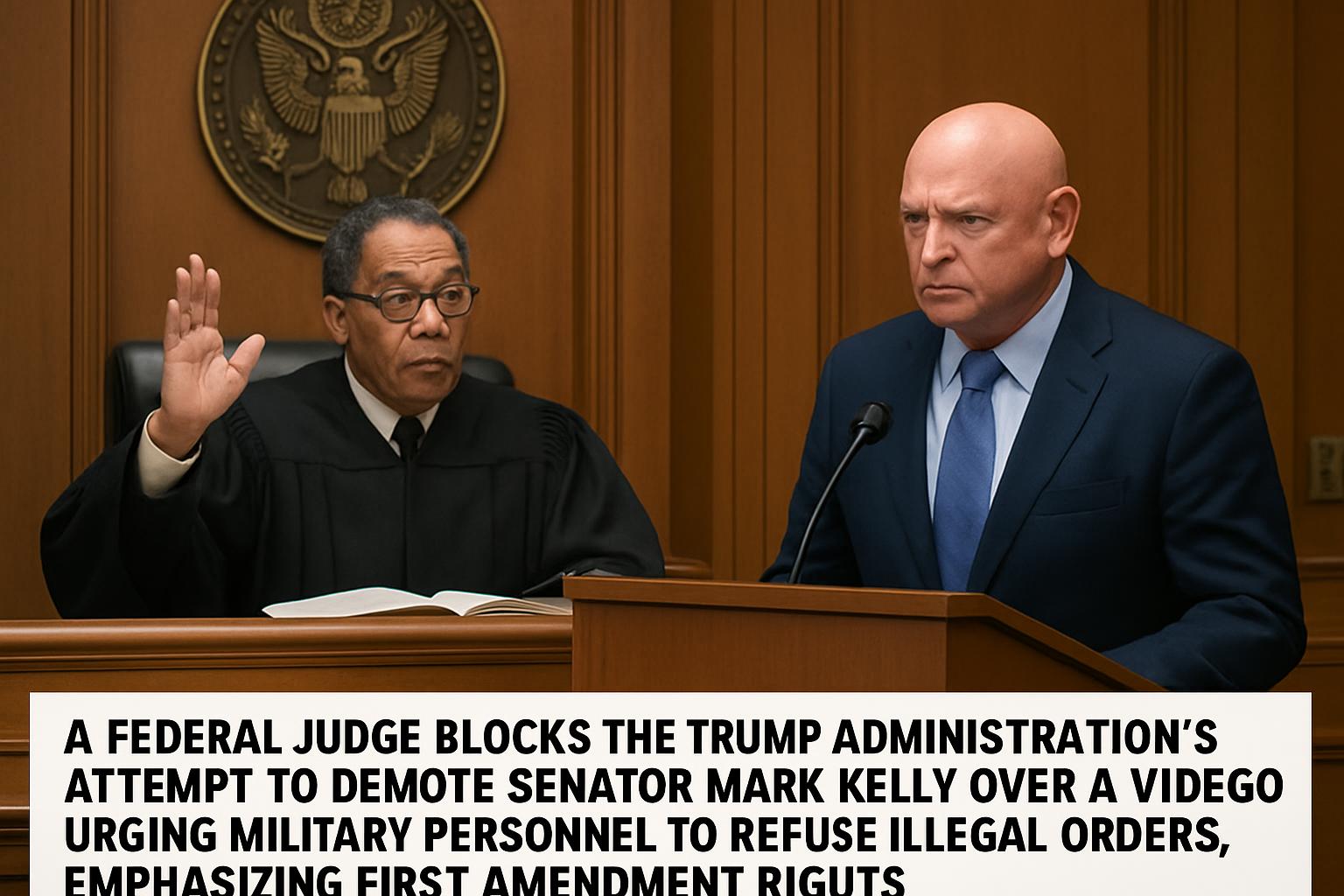
Judge Blocks Demotion of Senator Mark Kelly Over 'Illegal Orders' Video

Intensified US-Israel Strikes on Iran Spark Global Outcry
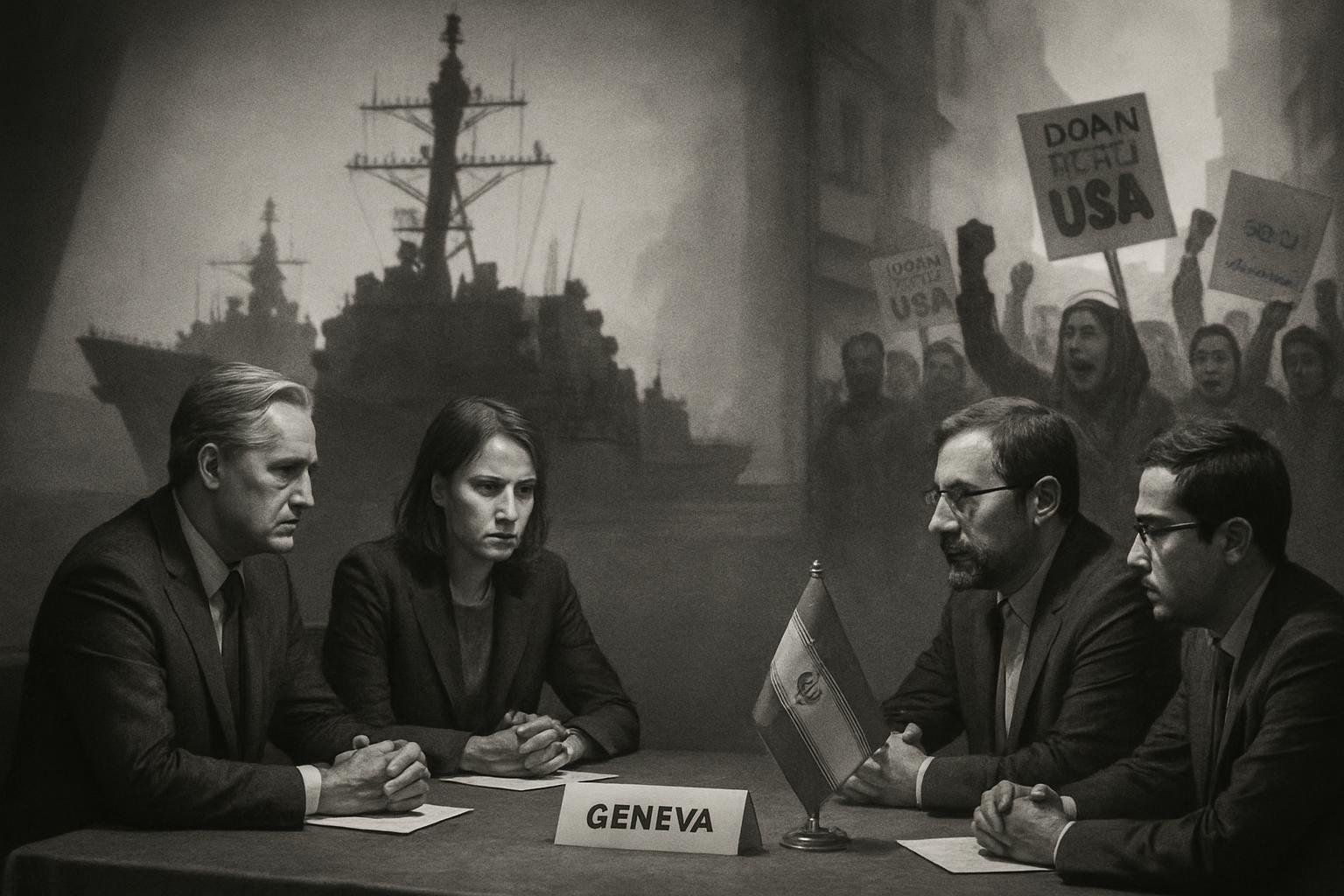
US-Iran Tensions Escalate Amid Renewed Nuclear Talks and Protests
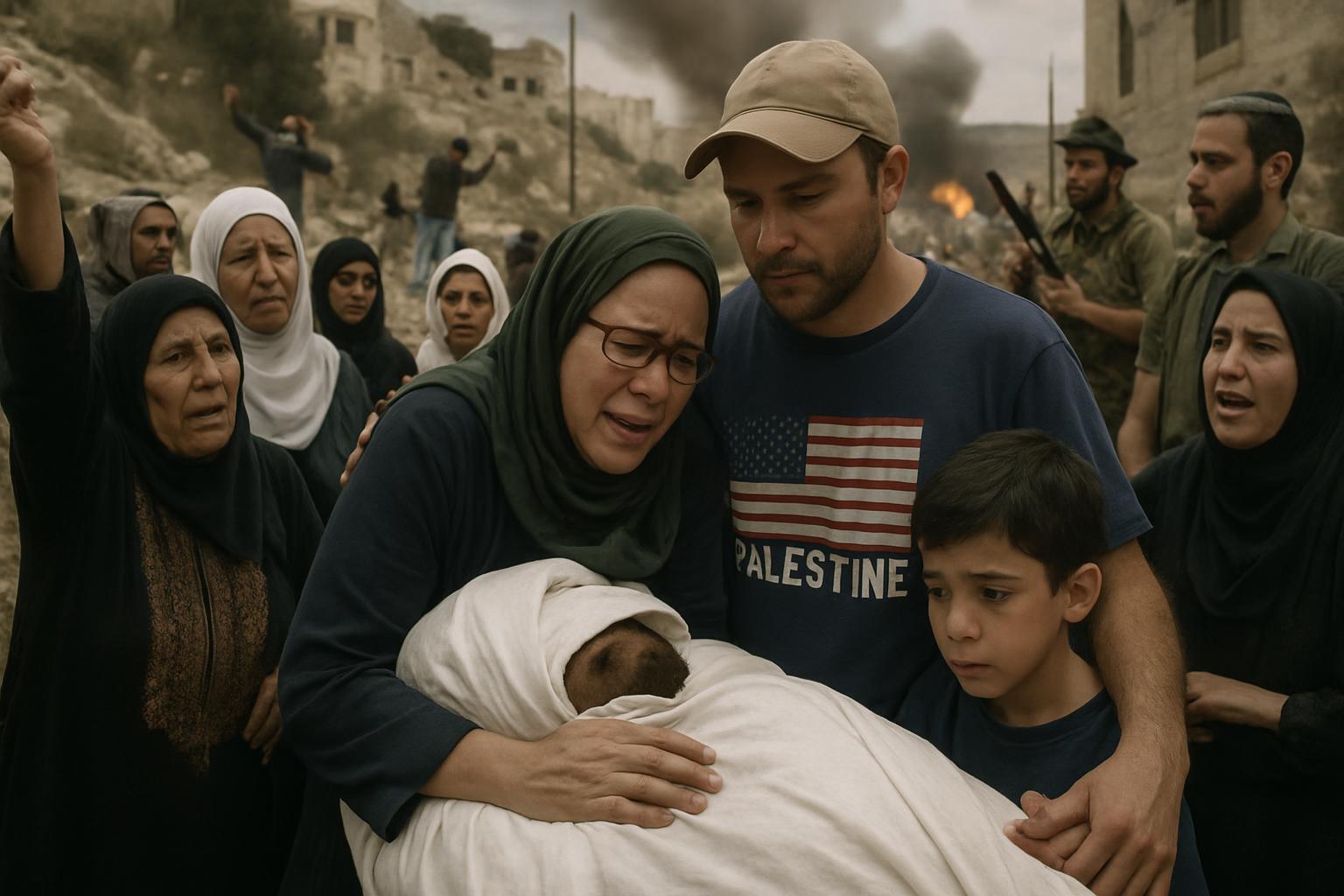
Palestinian-American Teen Killed by Israeli Settlers in West Bank Sparks Calls for Accountability
Les Wexner Denies Knowledge of Epstein's Crimes in Congressional Testimony
US Military Strikes on Alleged Drug Boats Raise Legal Concerns
US Military Strikes on Venezuelan Drug Boats Spark Legal and Political Controversy
In This Article
 Ethan Brooks| Published
 HIGHLIGHTS
- US military strikes on suspected Venezuelan drug boats have led to over 80 deaths since September, raising legal concerns.
- A second strike on a vessel was reportedly ordered to kill survivors, prompting bipartisan calls for Congressional oversight.
- Defense Secretary Pete Hegseth denies ordering the follow-up strike, labeling reports as "fake news".
- President Trump supports Hegseth but has expressed he "wouldn't have wanted" a second strike on survivors.
- The UN has urged the US to investigate the legality of these operations, citing potential extrajudicial killings.
The US military's recent operations targeting suspected drug-smuggling boats in the Caribbean have ignited a firestorm of legal and political scrutiny. Since early September, these strikes have resulted in over 80 fatalities, with the Trump administration justifying the actions as self-defense against narco-terrorism. However, reports of a second strike on a vessel, allegedly ordered to eliminate survivors of an initial attack, have raised significant legal and ethical questions.
Controversial Orders and Congressional Oversight
The controversy centers around a September 2 incident where a US Navy commander, Admiral Frank Bradley, reportedly ordered a follow-up strike on a burning vessel after two survivors were spotted. Defense Secretary Pete Hegseth has been accused of instructing the military to "kill everybody" on board, a claim he vehemently denies, dismissing it as "fabricated" and "inflammatory." President Donald Trump has backed Hegseth, stating he believes the defense secretary did not issue such an order.
In response to these allegations, both Republican and Democratic lawmakers have called for thorough Congressional reviews. The Senate Armed Services Committee, led by Senator Roger Wicker, has pledged "vigorous oversight" to uncover the facts, while the House Armed Services Committee is also conducting its own investigation. Lawmakers have expressed concerns that, if true, the actions could constitute war crimes.
International and Legal Implications
The international community has also taken note, with UN human rights chief Volker Türk urging the US to examine the legality of these operations. Türk highlighted the potential for these strikes to be classified as extrajudicial killings, a serious violation of international law. Despite these concerns, the Trump administration maintains that the operations are lawful and necessary to combat drug trafficking.
Political Ramifications and Future Actions
The political ramifications of these strikes are significant, with President Trump confirming discussions with Venezuelan President Nicolás Maduro, though details remain undisclosed. As the situation unfolds, the administration faces mounting pressure to provide transparency and accountability regarding its military actions in the region.
WHAT THIS MIGHT MEAN
The ongoing investigations by Congressional committees could lead to significant political and legal consequences for the Trump administration. If evidence supports the allegations of unlawful orders, it may result in calls for accountability and potential legal action against those involved. Internationally, the US could face diplomatic challenges, particularly if the operations are deemed to violate international law. Moving forward, the administration may need to reassess its military strategy in the Caribbean to mitigate further legal and political fallout.
Related Articles
Judge Blocks Demotion of Senator Mark Kelly Over 'Illegal Orders' Video
Intensified US-Israel Strikes on Iran Spark Global Outcry
US-Iran Tensions Escalate Amid Renewed Nuclear Talks and Protests
Palestinian-American Teen Killed by Israeli Settlers in West Bank Sparks Calls for Accountability
Les Wexner Denies Knowledge of Epstein's Crimes in Congressional Testimony
US Military Strikes on Alleged Drug Boats Raise Legal Concerns