
US and Switzerland Reach Landmark Trade Agreement to Slash Tariffs
In This Article
HIGHLIGHTS
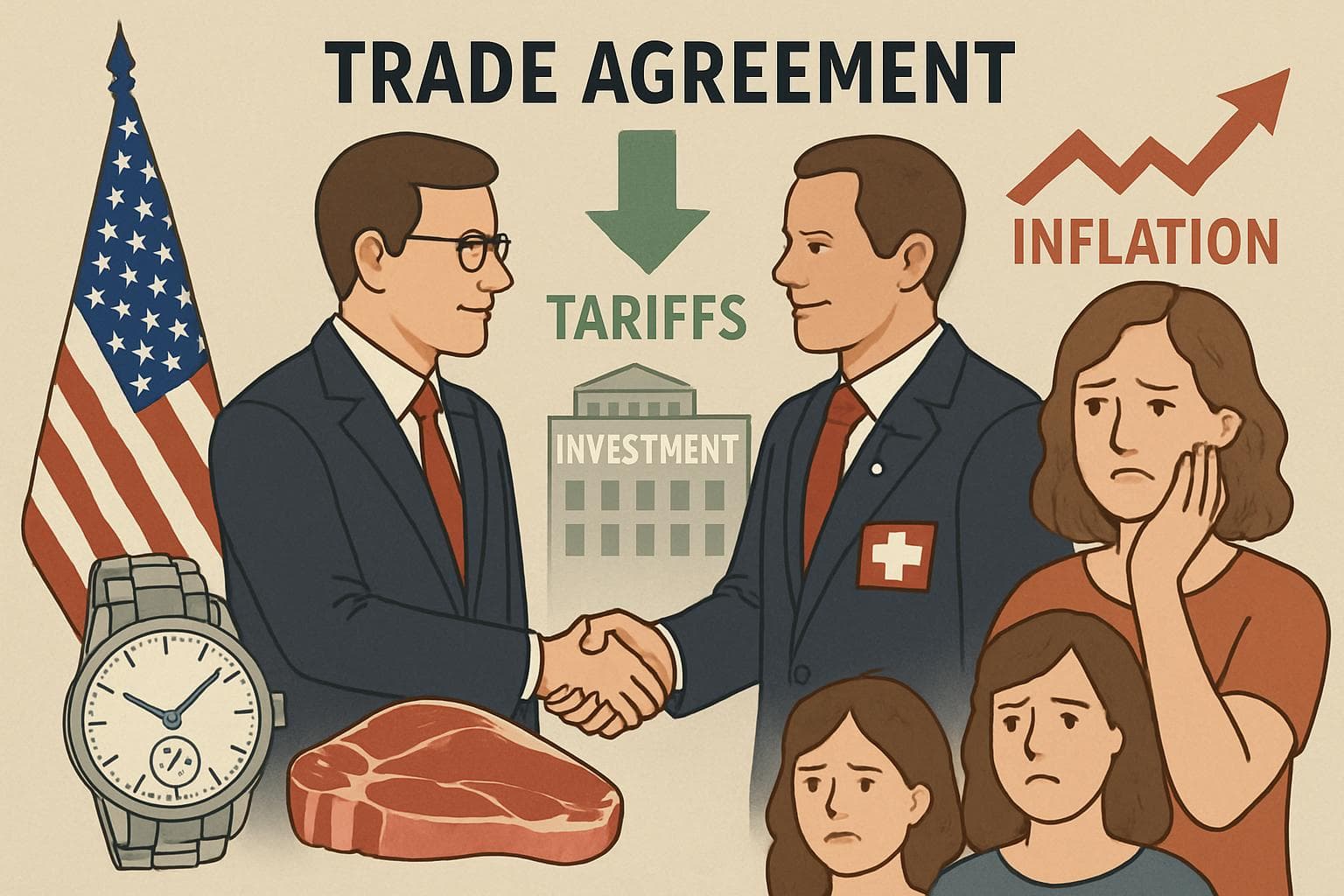
- The US and Switzerland have agreed to reduce tariffs on Swiss imports from 39% to 15%, aligning with EU rates.
- Switzerland will invest $200 billion in the US by 2028, with a third of this investment occurring in 2026.
- Swiss business leaders played a crucial role in negotiations, presenting gifts to Trump, including a golden table clock and an engraved gold bar.
- The deal includes Swiss tariff reductions on US meat exports, such as beef, bison, and poultry.
- Critics argue the agreement prioritizes corporate interests over American consumers amid rising inflation.
In a significant development for international trade, the United States and Switzerland have reached an agreement to reduce tariffs on Swiss imports from 39% to 15%. This move, which aligns the tariffs with those imposed on European Union countries, comes after intense negotiations and lobbying by Swiss business leaders.
Swiss Investment and Economic Relief
The agreement includes a commitment from Switzerland to invest $200 billion in the US economy by 2028, with a substantial portion of this investment slated for 2026. Swiss Economics Minister Guy Parmelin expressed relief, noting the economic damage caused by the tariffs since their implementation in August. "It's a great relief for our economy," Parmelin stated, emphasizing the importance of the deal for Swiss exporters.
Role of Swiss Business Leaders
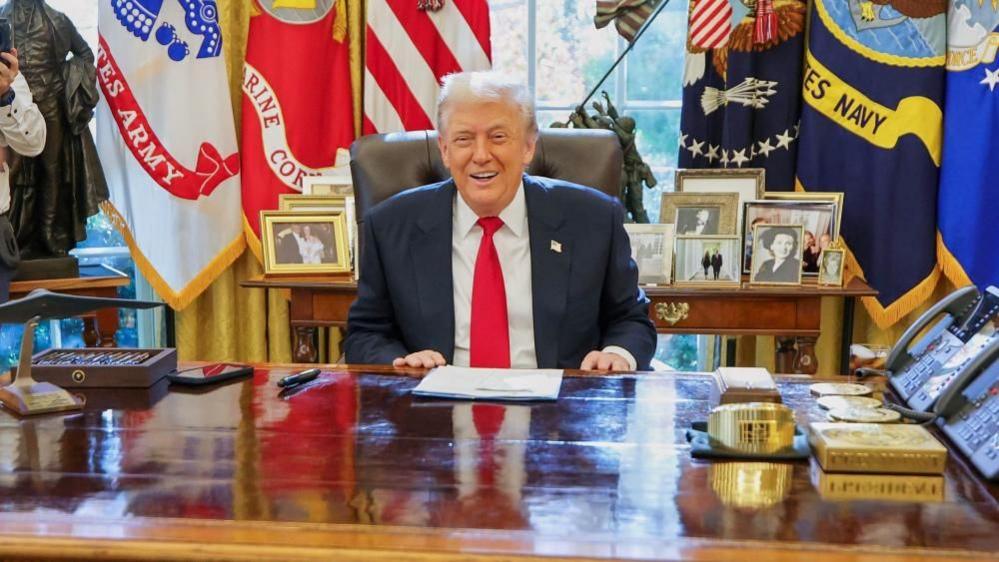
Swiss business leaders played a pivotal role in the negotiations, meeting with President Donald Trump at the White House. The delegation presented Trump with a golden table clock and an engraved gold bar, gifts that reportedly helped sway the decision. Jean-Frédéric Dufour, CEO of Rolex, was among the executives who met with Trump, having previously hosted him at the US Open tennis final.
Trade Concessions and Criticism
In return for the tariff reduction, Switzerland agreed to lower tariffs on a range of US products, including beef, bison, and poultry. The deal also includes duty-free quotas for certain US goods. However, the agreement has faced criticism from figures like Senator Elizabeth Warren, who argue that it prioritizes corporate interests over the needs of American consumers facing rising inflation. The White House dismissed such criticisms as "asinine conspiracy theories."
Economic Impact and Future Prospects
The reduction in tariffs is expected to boost Swiss exports, which have suffered a 14.2% decline in the tech sector since the tariffs were imposed. US Trade Representative Jamieson Greer hailed the agreement as a victory for American dealmaking, stating that it "tears down longstanding trade barriers."
WHAT THIS MIGHT MEAN
The US-Swiss trade agreement marks a significant shift in economic relations between the two countries, potentially setting a precedent for future trade negotiations. The reduction in tariffs is likely to stimulate Swiss exports, particularly in the technology sector, which has been adversely affected by the previous tariff rates.
Politically, the deal may face scrutiny from those concerned about its implications for American consumers amid rising inflation. However, the substantial Swiss investment in the US could create thousands of jobs, potentially offsetting some of these concerns. As the agreement unfolds, its impact on both economies will be closely monitored, with potential adjustments to the terms as necessary.
Images from the Web
Related Articles
China Sets Lowest GDP Growth Target in Decades Amid Economic Challenges

Tech Giants Pledge to Cover AI Data Center Energy Costs Amid Rising Electricity Concerns

Spain's Sánchez Stands Firm Against Trump's Trade Threat Over Iran Stance

US Supreme Court Ruling Sparks Trade Uncertainty in Asia and Beyond

Cuba Faces Widespread Blackout Amid Deepening Fuel Crisis

UK Faces Dilemmas Amid Iran Conflict and China Spying Allegations
US and Switzerland Reach Landmark Trade Agreement to Slash Tariffs
In This Article
 Daniel Rivera| Published
 HIGHLIGHTS
- The US and Switzerland have agreed to reduce tariffs on Swiss imports from 39% to 15%, aligning with EU rates.
- Switzerland will invest $200 billion in the US by 2028, with a third of this investment occurring in 2026.
- Swiss business leaders played a crucial role in negotiations, presenting gifts to Trump, including a golden table clock and an engraved gold bar.
- The deal includes Swiss tariff reductions on US meat exports, such as beef, bison, and poultry.
- Critics argue the agreement prioritizes corporate interests over American consumers amid rising inflation.
In a significant development for international trade, the United States and Switzerland have reached an agreement to reduce tariffs on Swiss imports from 39% to 15%. This move, which aligns the tariffs with those imposed on European Union countries, comes after intense negotiations and lobbying by Swiss business leaders.
Swiss Investment and Economic Relief
The agreement includes a commitment from Switzerland to invest $200 billion in the US economy by 2028, with a substantial portion of this investment slated for 2026. Swiss Economics Minister Guy Parmelin expressed relief, noting the economic damage caused by the tariffs since their implementation in August. "It's a great relief for our economy," Parmelin stated, emphasizing the importance of the deal for Swiss exporters.
Role of Swiss Business Leaders
Swiss business leaders played a pivotal role in the negotiations, meeting with President Donald Trump at the White House. The delegation presented Trump with a golden table clock and an engraved gold bar, gifts that reportedly helped sway the decision. Jean-Frédéric Dufour, CEO of Rolex, was among the executives who met with Trump, having previously hosted him at the US Open tennis final.
Trade Concessions and Criticism
In return for the tariff reduction, Switzerland agreed to lower tariffs on a range of US products, including beef, bison, and poultry. The deal also includes duty-free quotas for certain US goods. However, the agreement has faced criticism from figures like Senator Elizabeth Warren, who argue that it prioritizes corporate interests over the needs of American consumers facing rising inflation. The White House dismissed such criticisms as "asinine conspiracy theories."
Economic Impact and Future Prospects
The reduction in tariffs is expected to boost Swiss exports, which have suffered a 14.2% decline in the tech sector since the tariffs were imposed. US Trade Representative Jamieson Greer hailed the agreement as a victory for American dealmaking, stating that it "tears down longstanding trade barriers."
WHAT THIS MIGHT MEAN
The US-Swiss trade agreement marks a significant shift in economic relations between the two countries, potentially setting a precedent for future trade negotiations. The reduction in tariffs is likely to stimulate Swiss exports, particularly in the technology sector, which has been adversely affected by the previous tariff rates.
Politically, the deal may face scrutiny from those concerned about its implications for American consumers amid rising inflation. However, the substantial Swiss investment in the US could create thousands of jobs, potentially offsetting some of these concerns. As the agreement unfolds, its impact on both economies will be closely monitored, with potential adjustments to the terms as necessary.
Images from the Web
Related Articles
China Sets Lowest GDP Growth Target in Decades Amid Economic Challenges
Tech Giants Pledge to Cover AI Data Center Energy Costs Amid Rising Electricity Concerns
Spain's Sánchez Stands Firm Against Trump's Trade Threat Over Iran Stance
US Supreme Court Ruling Sparks Trade Uncertainty in Asia and Beyond
Cuba Faces Widespread Blackout Amid Deepening Fuel Crisis
UK Faces Dilemmas Amid Iran Conflict and China Spying Allegations