
US Tariffs Drive Producer Price Surge as UK Economy Shows Resilience
In This Article
HIGHLIGHTS
- US producer prices surged by 0.9% in July 2025, the largest increase since June 2022, driven by tariffs and rising food costs.
- The UK economy grew by 0.3% in Q2 2025, outperforming expectations despite a 13.5% drop in exports to the US due to tariffs.
- Analysts warn that rising inflation pressures could complicate the Federal Reserve's decision on interest rate cuts.
- The Federal Reserve is expected to consider a quarter-point rate cut in September, with another possible in October.
- Tariffs have led to increased costs for US businesses and consumers, raising concerns about future inflation.
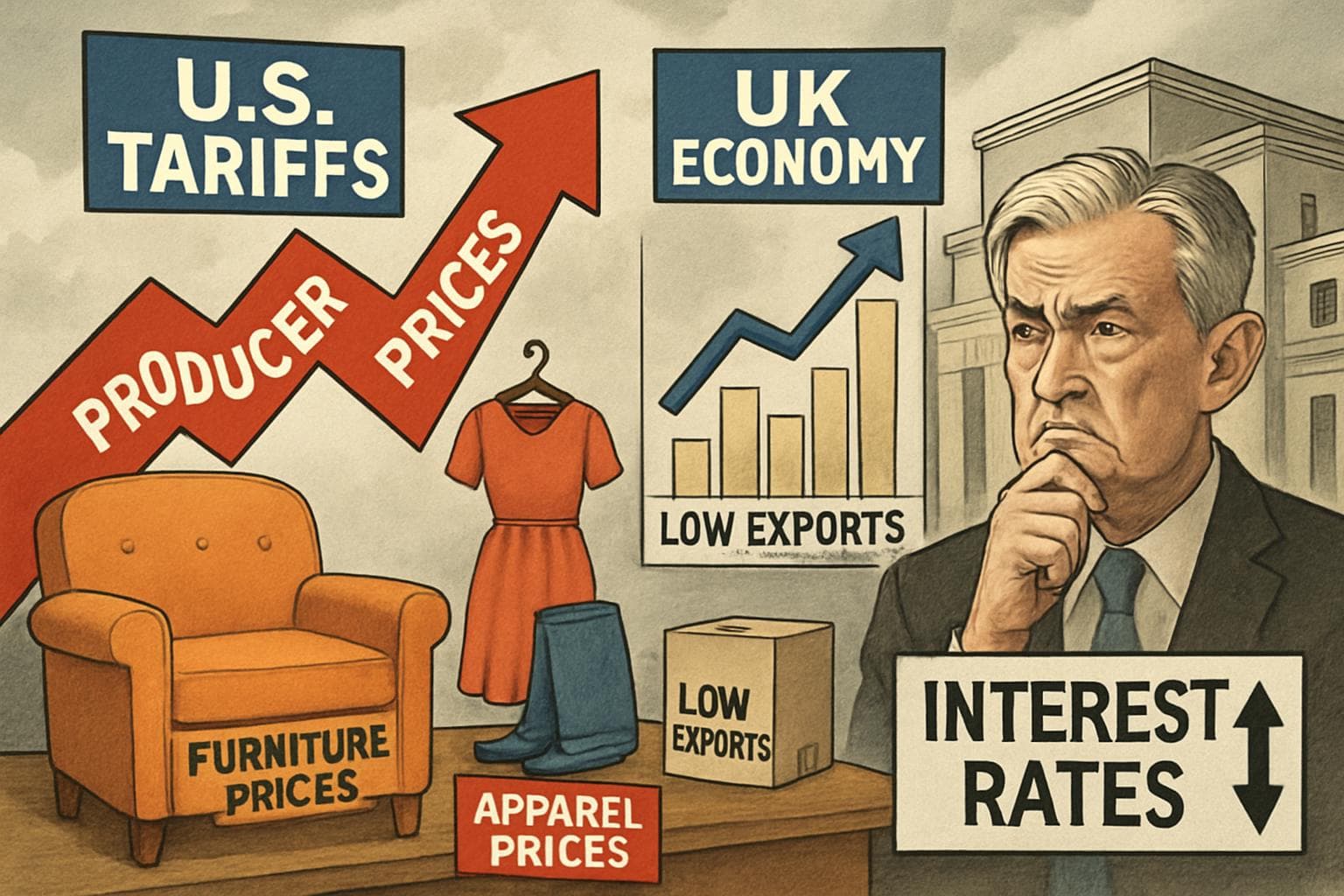
In July 2025, US producer prices experienced their most significant monthly increase in over three years, as tariffs imposed by former President Donald Trump continued to exert pressure on the economy. According to the Labor Department, the producer price index (PPI) rose by 0.9% from June, surpassing analysts' expectations of a 0.2% increase. This surge in wholesale prices has reignited concerns about inflation, despite consumer prices holding steady at 2.7% in July.
Impact of Tariffs on US Economy
The tariffs, which have raised the average effective tax rate on imports, were intended to bolster US manufacturing by making foreign goods more expensive. However, economists caution that the primary effect has been increased costs for businesses and consumers. Categories heavily exposed to tariffs, such as home furniture and apparel, saw notable price hikes. Samuel Tombs, chief US economist at Pantheon Macroeconomics, noted, "New tariffs are continuing to generate cost pressures in the supply chain, which consumers will shoulder soon."
UK Economy Defies Expectations
Across the Atlantic, the UK economy grew by 0.3% in the second quarter of 2025, according to the Office for National Statistics. This growth exceeded the 0.1% forecasted by economists, despite a 13.5% decline in UK goods exports to the US, marking the lowest level in three years. The British Chambers of Commerce attributed this drop to the lingering effects of US tariffs.
Federal Reserve's Dilemma
The rising inflation pressures in the US pose a challenge for the Federal Reserve, which has been under pressure to lower interest rates. Treasury Secretary Scott Bessent has called for a half-point rate cut at the Fed's September meeting. However, the stronger-than-expected PPI data has tempered expectations of such a significant cut. Instead, traders are now anticipating a quarter-point reduction, with another potential cut in October. Matthew Martin, senior US economist at Oxford Economics, highlighted the Fed's predicament, stating, "The large upside surprise in producer prices highlights the dilemma the Federal Reserve faces."
WHAT THIS MIGHT MEAN
Looking ahead, the Federal Reserve's decision on interest rates will be closely watched, as it balances the need to support economic growth with the risk of exacerbating inflation. Should inflation continue to rise, the Fed may be forced to reconsider its approach to rate cuts, potentially opting for more gradual adjustments. Meanwhile, the ongoing impact of tariffs on US-UK trade relations could prompt further discussions on trade policy, as both nations navigate the complexities of a shifting global economic landscape. Experts suggest that any resolution to these trade tensions will require careful negotiation and strategic policymaking.
Related Articles

Tech Giants Pledge to Cover AI Data Center Energy Costs Amid Rising Electricity Concerns

UK Faces Dilemmas Amid Iran Conflict and China Spying Allegations

UK-Iran Tensions: Starmer Defends Cautious Approach Amid Trump Criticism
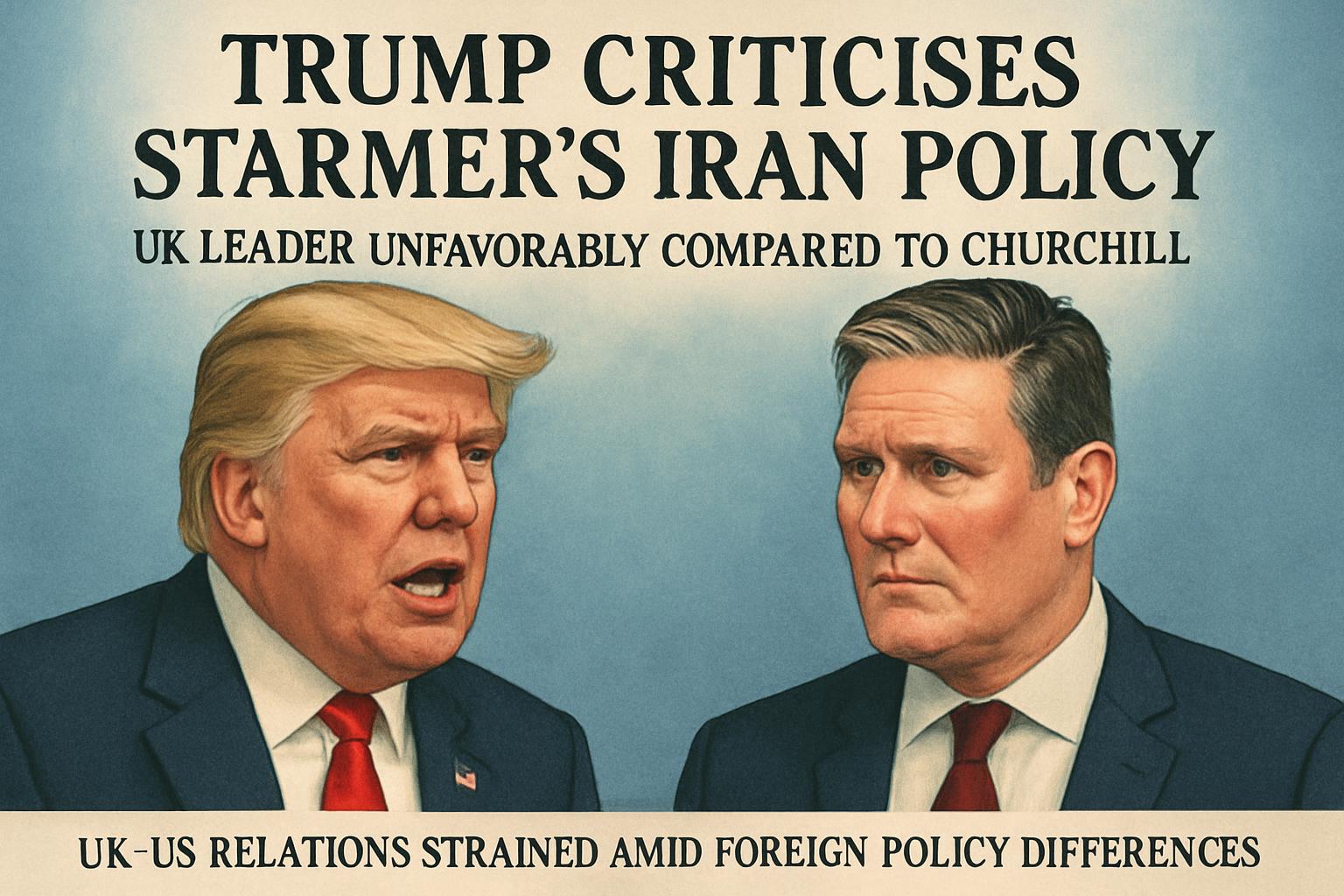
Diplomatic Tensions Rise as Trump Criticizes Starmer's Iran Policy
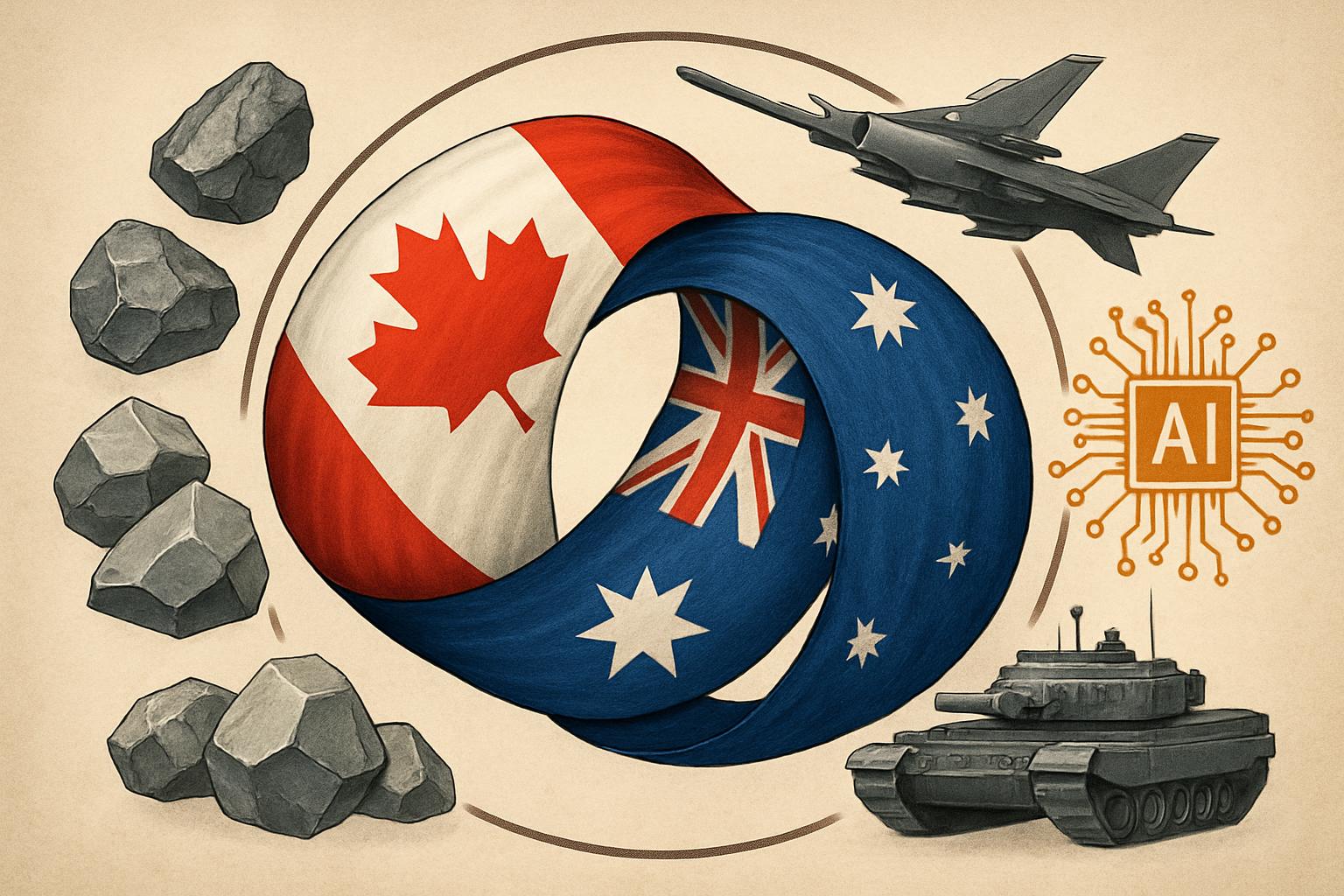
Canada and Australia Forge Strategic Partnership Amid Global Uncertainty
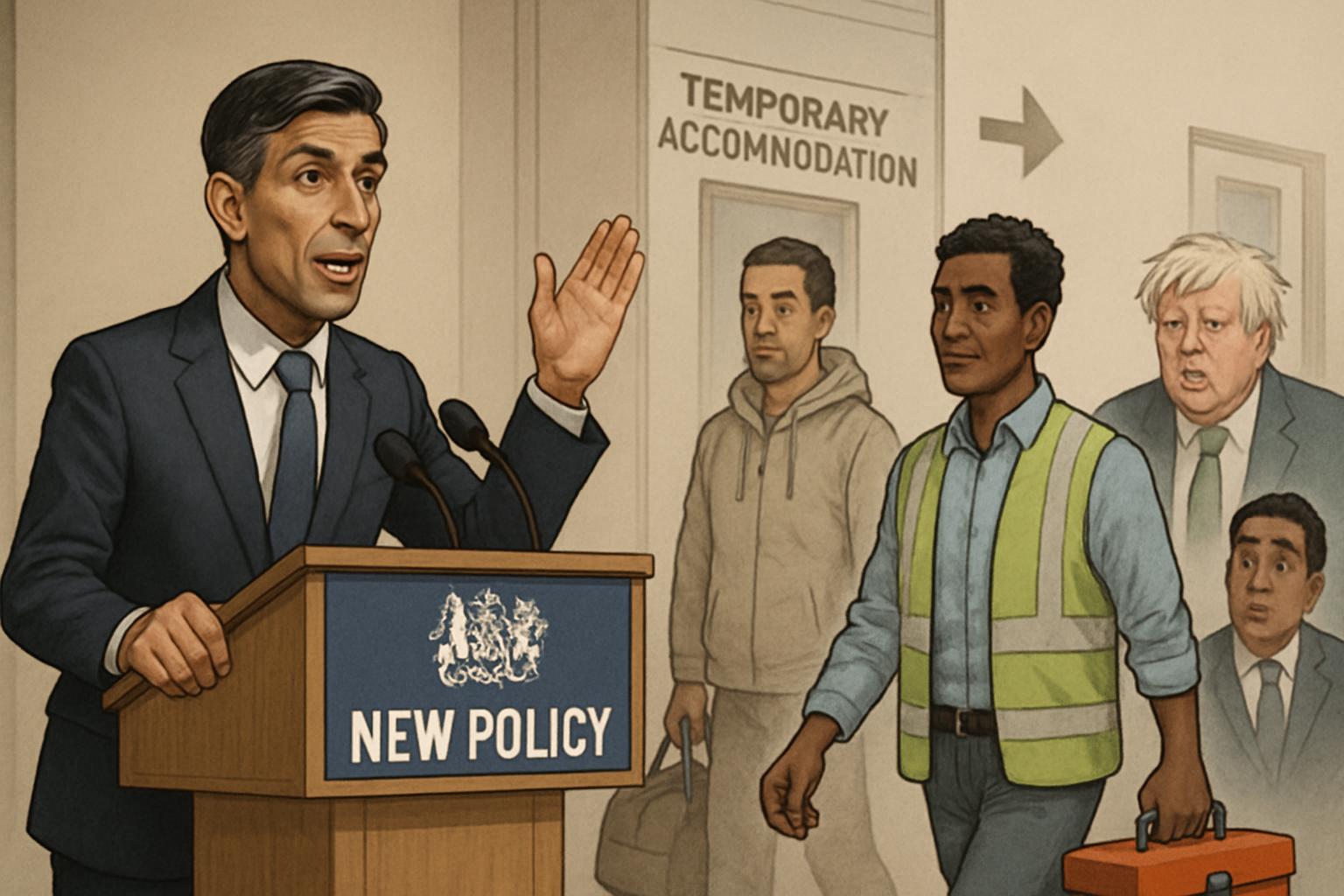
UK Government to Reform Asylum Seeker Support and Employment Policies
US Tariffs Drive Producer Price Surge as UK Economy Shows Resilience
In This Article
 Daniel Rivera| Published
 HIGHLIGHTS
- US producer prices surged by 0.9% in July 2025, the largest increase since June 2022, driven by tariffs and rising food costs.
- The UK economy grew by 0.3% in Q2 2025, outperforming expectations despite a 13.5% drop in exports to the US due to tariffs.
- Analysts warn that rising inflation pressures could complicate the Federal Reserve's decision on interest rate cuts.
- The Federal Reserve is expected to consider a quarter-point rate cut in September, with another possible in October.
- Tariffs have led to increased costs for US businesses and consumers, raising concerns about future inflation.
In July 2025, US producer prices experienced their most significant monthly increase in over three years, as tariffs imposed by former President Donald Trump continued to exert pressure on the economy. According to the Labor Department, the producer price index (PPI) rose by 0.9% from June, surpassing analysts' expectations of a 0.2% increase. This surge in wholesale prices has reignited concerns about inflation, despite consumer prices holding steady at 2.7% in July.
Impact of Tariffs on US Economy
The tariffs, which have raised the average effective tax rate on imports, were intended to bolster US manufacturing by making foreign goods more expensive. However, economists caution that the primary effect has been increased costs for businesses and consumers. Categories heavily exposed to tariffs, such as home furniture and apparel, saw notable price hikes. Samuel Tombs, chief US economist at Pantheon Macroeconomics, noted, "New tariffs are continuing to generate cost pressures in the supply chain, which consumers will shoulder soon."
UK Economy Defies Expectations
Across the Atlantic, the UK economy grew by 0.3% in the second quarter of 2025, according to the Office for National Statistics. This growth exceeded the 0.1% forecasted by economists, despite a 13.5% decline in UK goods exports to the US, marking the lowest level in three years. The British Chambers of Commerce attributed this drop to the lingering effects of US tariffs.
Federal Reserve's Dilemma
The rising inflation pressures in the US pose a challenge for the Federal Reserve, which has been under pressure to lower interest rates. Treasury Secretary Scott Bessent has called for a half-point rate cut at the Fed's September meeting. However, the stronger-than-expected PPI data has tempered expectations of such a significant cut. Instead, traders are now anticipating a quarter-point reduction, with another potential cut in October. Matthew Martin, senior US economist at Oxford Economics, highlighted the Fed's predicament, stating, "The large upside surprise in producer prices highlights the dilemma the Federal Reserve faces."
WHAT THIS MIGHT MEAN
Looking ahead, the Federal Reserve's decision on interest rates will be closely watched, as it balances the need to support economic growth with the risk of exacerbating inflation. Should inflation continue to rise, the Fed may be forced to reconsider its approach to rate cuts, potentially opting for more gradual adjustments. Meanwhile, the ongoing impact of tariffs on US-UK trade relations could prompt further discussions on trade policy, as both nations navigate the complexities of a shifting global economic landscape. Experts suggest that any resolution to these trade tensions will require careful negotiation and strategic policymaking.
Related Articles
Tech Giants Pledge to Cover AI Data Center Energy Costs Amid Rising Electricity Concerns
UK Faces Dilemmas Amid Iran Conflict and China Spying Allegations
UK-Iran Tensions: Starmer Defends Cautious Approach Amid Trump Criticism
Diplomatic Tensions Rise as Trump Criticizes Starmer's Iran Policy
Canada and Australia Forge Strategic Partnership Amid Global Uncertainty
UK Government to Reform Asylum Seeker Support and Employment Policies