
US Tariffs on Indian Goods Spark Economic and Political Tensions

In This Article
HIGHLIGHTS
- The US has imposed a 50% tariff on Indian goods, citing India's purchase of Russian oil, affecting key export sectors like textiles and jewellery.
- Indian Prime Minister Narendra Modi has urged self-reliance and announced tax reforms to mitigate the economic impact of the tariffs.
- The tariffs could lead to a significant decline in India's GDP growth, with experts predicting a drop below 6%.
- Indian exporters face increased competition from countries like Vietnam and Bangladesh, which have lower US tariffs.
- The Indian government is exploring trade diversification and domestic market reliance to counteract the tariffs' effects.
The imposition of a 50% tariff on Indian goods by the United States has sent ripples through India's export-driven economy, threatening to disrupt industries and livelihoods. The tariffs, which took effect recently, are part of a broader US strategy to penalize India for its continued purchase of Russian oil, a move the US claims indirectly funds Russia's war efforts in Ukraine.
Impact on Indian Exports
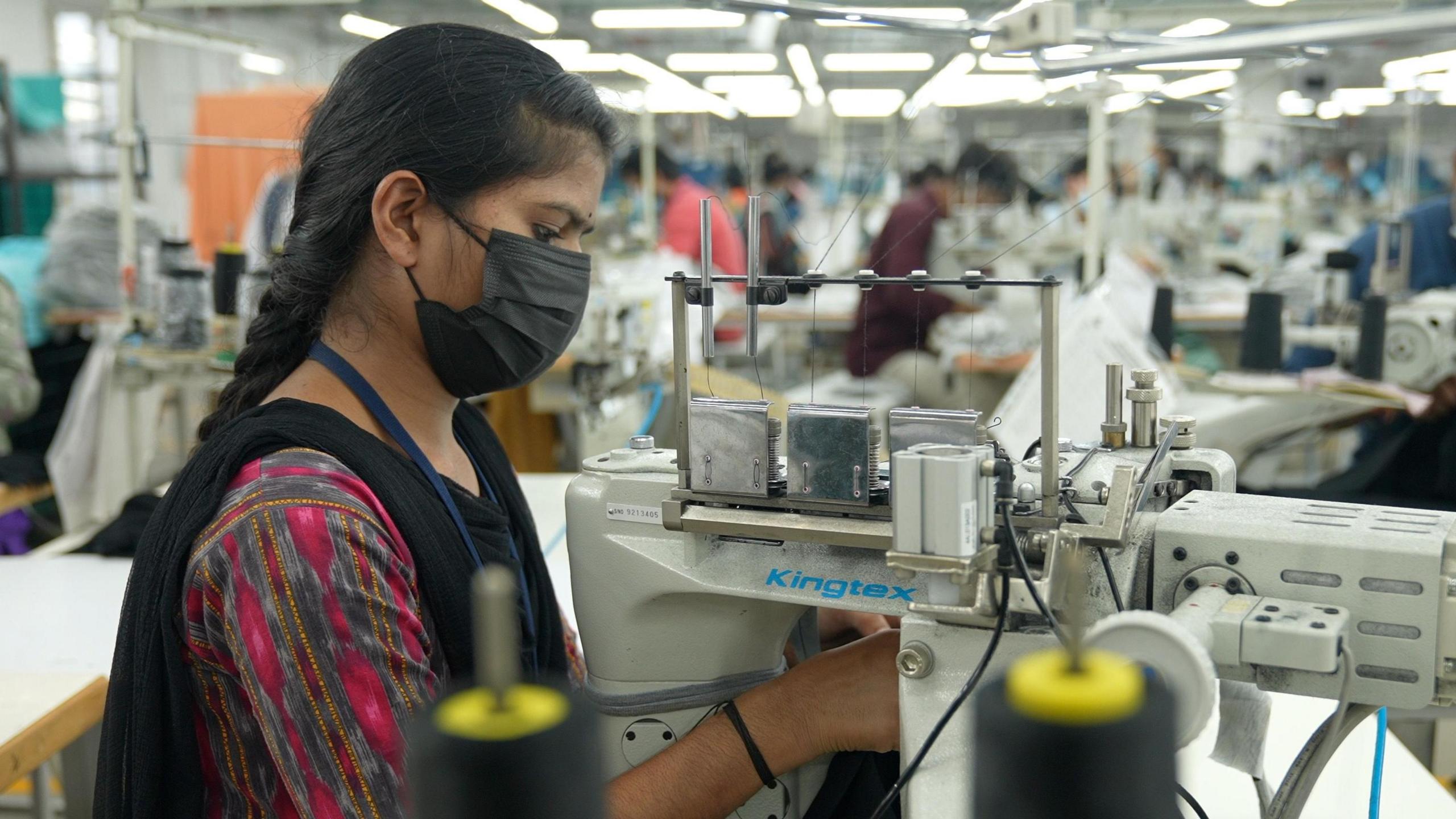
In Tiruppur, a major textile hub, garment factories are grappling with the fallout. N Krishnamurthy, a factory owner, has seen orders from US retailers dwindle, forcing him to halt expansion plans and lay off workers. "September onwards, there may be nothing left to do," he lamented. The tariffs have made Indian goods less competitive, with a shirt that once sold for $10 now costing $16.4 in the US, compared to cheaper alternatives from China and Vietnam.
Government Response and Economic Measures
Prime Minister Narendra Modi has responded with a call for self-reliance, urging citizens to buy "Made in India" products. During a recent public address, he announced plans for significant tax reforms, including a simplification of the Goods and Services Tax (GST) system, to stimulate domestic consumption and offset the tariffs' impact. "We must rise above and not allow others to hold us in their clutches," Modi declared.
Global Trade Dynamics
The tariffs have strained US-India trade relations, with India previously being one of the US's largest trading partners. The move has prompted India to seek new trade partnerships and diversify its export markets. Ajay Srivastava of the Global Trade Research Initiative noted, "We can expect the diversion of trade, with US buyers moving to Mexico, Vietnam, and Bangladesh."
Economic Outlook
Economists warn that the sustained tariffs could push India's GDP growth below 6%, a significant drop from the projected 6.5%. Sectors like textiles, gems, and jewellery, which heavily rely on the American market, are already experiencing reduced demand. Santanu Sengupta, Goldman Sachs' chief India economist, emphasized the challenges, stating, "At a 50% tariff, it is very difficult to export."
WHAT THIS MIGHT MEAN
The ongoing tariff dispute between the US and India could lead to a realignment of global trade alliances, with India potentially strengthening ties with Russia and China. If the tariffs persist, India may accelerate its efforts to diversify its export markets and bolster domestic industries. Economists suggest that successful implementation of tax reforms and increased domestic consumption could mitigate some of the economic damage. However, the geopolitical implications of India's closer ties with non-Western powers could further complicate international relations.
Images from the Web
Related Articles
China Sets Lowest GDP Growth Target in Decades Amid Economic Challenges
Trump's New Tariff Strategy Sparks Global Trade Uncertainty
Canada Calls for De-escalation Amid US-Israel Strikes on Iran

Russian LNG Tanker Sinks in Mediterranean Amid Accusations of Ukrainian Drone Attack

UK Faces Dilemmas Amid Iran Conflict and China Spying Allegations

Iran Postpones Khamenei Funeral Amid Escalating US-Israeli Strikes
US Tariffs on Indian Goods Spark Economic and Political Tensions
In This Article
 Daniel Rivera| Published
 HIGHLIGHTS
- The US has imposed a 50% tariff on Indian goods, citing India's purchase of Russian oil, affecting key export sectors like textiles and jewellery.
- Indian Prime Minister Narendra Modi has urged self-reliance and announced tax reforms to mitigate the economic impact of the tariffs.
- The tariffs could lead to a significant decline in India's GDP growth, with experts predicting a drop below 6%.
- Indian exporters face increased competition from countries like Vietnam and Bangladesh, which have lower US tariffs.
- The Indian government is exploring trade diversification and domestic market reliance to counteract the tariffs' effects.
The imposition of a 50% tariff on Indian goods by the United States has sent ripples through India's export-driven economy, threatening to disrupt industries and livelihoods. The tariffs, which took effect recently, are part of a broader US strategy to penalize India for its continued purchase of Russian oil, a move the US claims indirectly funds Russia's war efforts in Ukraine.
Impact on Indian Exports
In Tiruppur, a major textile hub, garment factories are grappling with the fallout. N Krishnamurthy, a factory owner, has seen orders from US retailers dwindle, forcing him to halt expansion plans and lay off workers. "September onwards, there may be nothing left to do," he lamented. The tariffs have made Indian goods less competitive, with a shirt that once sold for $10 now costing $16.4 in the US, compared to cheaper alternatives from China and Vietnam.
Government Response and Economic Measures
Prime Minister Narendra Modi has responded with a call for self-reliance, urging citizens to buy "Made in India" products. During a recent public address, he announced plans for significant tax reforms, including a simplification of the Goods and Services Tax (GST) system, to stimulate domestic consumption and offset the tariffs' impact. "We must rise above and not allow others to hold us in their clutches," Modi declared.
Global Trade Dynamics
The tariffs have strained US-India trade relations, with India previously being one of the US's largest trading partners. The move has prompted India to seek new trade partnerships and diversify its export markets. Ajay Srivastava of the Global Trade Research Initiative noted, "We can expect the diversion of trade, with US buyers moving to Mexico, Vietnam, and Bangladesh."
Economic Outlook
Economists warn that the sustained tariffs could push India's GDP growth below 6%, a significant drop from the projected 6.5%. Sectors like textiles, gems, and jewellery, which heavily rely on the American market, are already experiencing reduced demand. Santanu Sengupta, Goldman Sachs' chief India economist, emphasized the challenges, stating, "At a 50% tariff, it is very difficult to export."
WHAT THIS MIGHT MEAN
The ongoing tariff dispute between the US and India could lead to a realignment of global trade alliances, with India potentially strengthening ties with Russia and China. If the tariffs persist, India may accelerate its efforts to diversify its export markets and bolster domestic industries. Economists suggest that successful implementation of tax reforms and increased domestic consumption could mitigate some of the economic damage. However, the geopolitical implications of India's closer ties with non-Western powers could further complicate international relations.
Images from the Web
Related Articles
China Sets Lowest GDP Growth Target in Decades Amid Economic Challenges
Trump's New Tariff Strategy Sparks Global Trade Uncertainty
Canada Calls for De-escalation Amid US-Israel Strikes on Iran
Russian LNG Tanker Sinks in Mediterranean Amid Accusations of Ukrainian Drone Attack
UK Faces Dilemmas Amid Iran Conflict and China Spying Allegations
Iran Postpones Khamenei Funeral Amid Escalating US-Israeli Strikes