
US Travel Restrictions: New Proposal Requires Tourists to Share Social Media History
In This Article
HIGHLIGHTS
- The Trump administration proposes requiring tourists from 42 countries to disclose five years of social media history for US entry.
- The proposal, part of the ESTA application, aims to enhance national security but raises concerns over digital rights and tourism impact.
- Critics argue the plan could deter visitors, especially with upcoming events like the World Cup and 2028 Olympics in the US.
- The Department of Homeland Security has opened a 60-day public comment period on the proposal.
- Tourism to the US has already declined, with significant drops in visitors from countries like Australia and Canada.
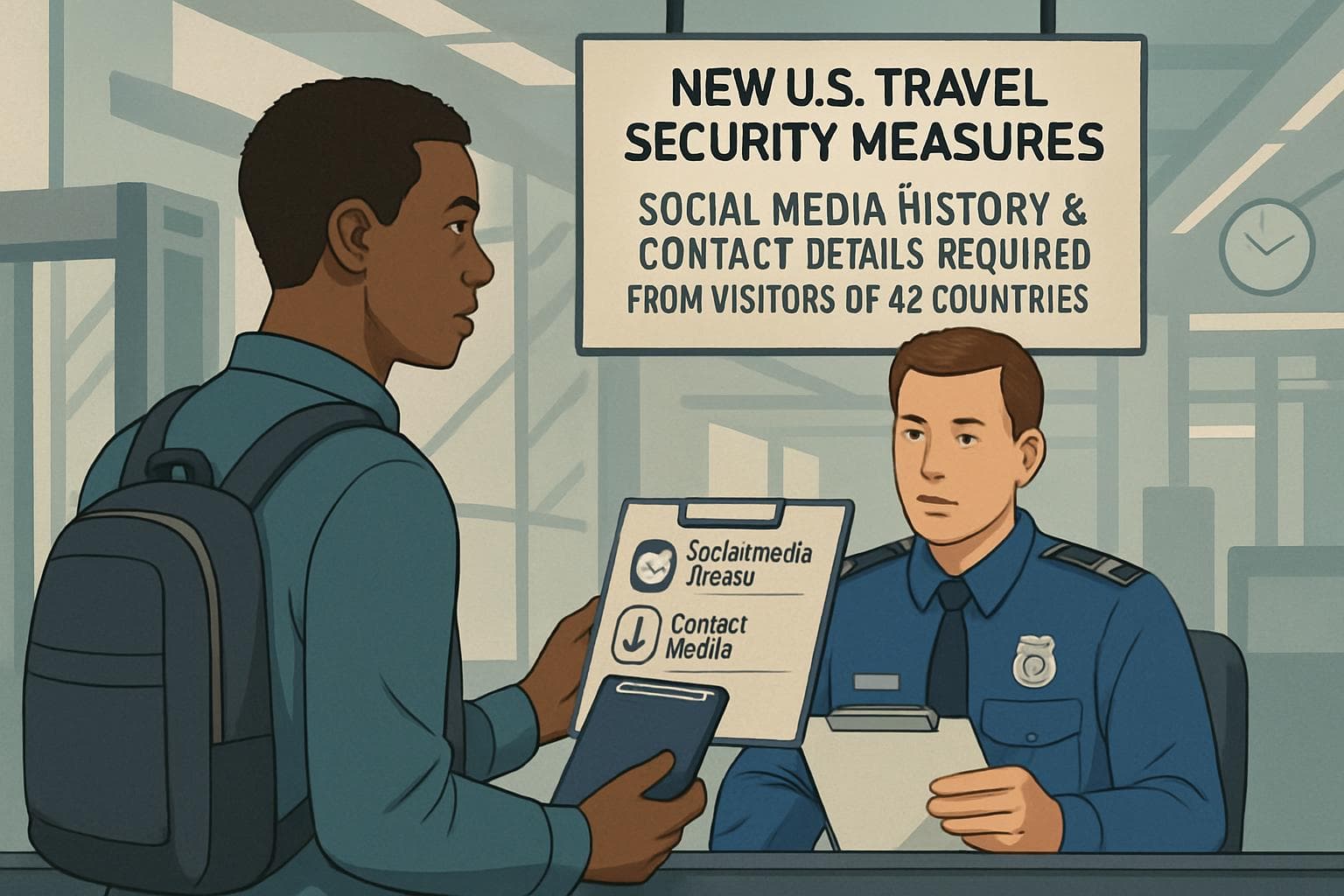
In a move that could significantly impact international travel to the United States, the Trump administration has unveiled a proposal requiring tourists from 42 countries to disclose their social media activity from the past five years as part of the Electronic System for Travel Authorization (ESTA) application. This initiative, aimed at bolstering national security, has sparked widespread debate over its potential effects on tourism and digital rights.
New Security Measures Under Consideration
The proposal, published by the US Customs and Border Protection (CBP) in the Federal Register, outlines plans to collect not only social media histories but also phone numbers and email addresses used over the past decade. The changes are part of an executive order by President Donald Trump, emphasizing the need to prevent individuals with hostile attitudes towards the US from entering the country.
Impact on Tourism and Public Reaction
The announcement comes as the US prepares to host major international events, including the men's football World Cup and the 2028 Olympics. However, the proposed measures have raised concerns about a potential decline in tourism. Critics, including digital rights advocates like Sophia Cope from the Electronic Frontier Foundation, argue that the plan could infringe on civil liberties and deter visitors.
Tourism data already indicates a downward trend, with significant declines in visitors from countries such as Australia and Canada. California tourism authorities predict a 9% drop in foreign visits, and cities like Las Vegas have reported decreased foot traffic.
Public Consultation and Future Implications
The Department of Homeland Security has initiated a 60-day public comment period to gather feedback on the proposal. While the administration maintains that these measures are necessary for national security, opponents fear they could exacerbate existing declines in tourism and strain international relations.
WHAT THIS MIGHT MEAN
If implemented, the new travel restrictions could lead to a further decline in international tourism to the US, affecting the economy and potentially straining diplomatic ties with allied nations. Legal challenges might arise from digital rights organizations, questioning the balance between security and privacy. As the public comment period progresses, the administration may face pressure to modify or abandon the proposal, especially if significant opposition emerges from both domestic and international stakeholders.
Related Articles

Canada Calls for De-escalation Amid US-Israel Strikes on Iran

Canada and Australia Forge Strategic Partnership Amid Global Uncertainty

Tech Giants Pledge to Cover AI Data Center Energy Costs Amid Rising Electricity Concerns
Cuba Faces Widespread Blackout Amid Deepening Fuel Crisis

UK Faces Dilemmas Amid Iran Conflict and China Spying Allegations
China Sets Lowest GDP Growth Target in Decades Amid Economic Challenges
US Travel Restrictions: New Proposal Requires Tourists to Share Social Media History
In This Article
 Leila Hassan| Published
 HIGHLIGHTS
- The Trump administration proposes requiring tourists from 42 countries to disclose five years of social media history for US entry.
- The proposal, part of the ESTA application, aims to enhance national security but raises concerns over digital rights and tourism impact.
- Critics argue the plan could deter visitors, especially with upcoming events like the World Cup and 2028 Olympics in the US.
- The Department of Homeland Security has opened a 60-day public comment period on the proposal.
- Tourism to the US has already declined, with significant drops in visitors from countries like Australia and Canada.
In a move that could significantly impact international travel to the United States, the Trump administration has unveiled a proposal requiring tourists from 42 countries to disclose their social media activity from the past five years as part of the Electronic System for Travel Authorization (ESTA) application. This initiative, aimed at bolstering national security, has sparked widespread debate over its potential effects on tourism and digital rights.
New Security Measures Under Consideration
The proposal, published by the US Customs and Border Protection (CBP) in the Federal Register, outlines plans to collect not only social media histories but also phone numbers and email addresses used over the past decade. The changes are part of an executive order by President Donald Trump, emphasizing the need to prevent individuals with hostile attitudes towards the US from entering the country.
Impact on Tourism and Public Reaction
The announcement comes as the US prepares to host major international events, including the men's football World Cup and the 2028 Olympics. However, the proposed measures have raised concerns about a potential decline in tourism. Critics, including digital rights advocates like Sophia Cope from the Electronic Frontier Foundation, argue that the plan could infringe on civil liberties and deter visitors.
Tourism data already indicates a downward trend, with significant declines in visitors from countries such as Australia and Canada. California tourism authorities predict a 9% drop in foreign visits, and cities like Las Vegas have reported decreased foot traffic.
Public Consultation and Future Implications
The Department of Homeland Security has initiated a 60-day public comment period to gather feedback on the proposal. While the administration maintains that these measures are necessary for national security, opponents fear they could exacerbate existing declines in tourism and strain international relations.
WHAT THIS MIGHT MEAN
If implemented, the new travel restrictions could lead to a further decline in international tourism to the US, affecting the economy and potentially straining diplomatic ties with allied nations. Legal challenges might arise from digital rights organizations, questioning the balance between security and privacy. As the public comment period progresses, the administration may face pressure to modify or abandon the proposal, especially if significant opposition emerges from both domestic and international stakeholders.
Related Articles
Canada Calls for De-escalation Amid US-Israel Strikes on Iran
Canada and Australia Forge Strategic Partnership Amid Global Uncertainty
Tech Giants Pledge to Cover AI Data Center Energy Costs Amid Rising Electricity Concerns
Cuba Faces Widespread Blackout Amid Deepening Fuel Crisis
UK Faces Dilemmas Amid Iran Conflict and China Spying Allegations
China Sets Lowest GDP Growth Target in Decades Amid Economic Challenges