
US and Ukraine Signal Progress in Peace Talks Amid Criticism Over Pro-Russian Elements
In This Article
HIGHLIGHTS
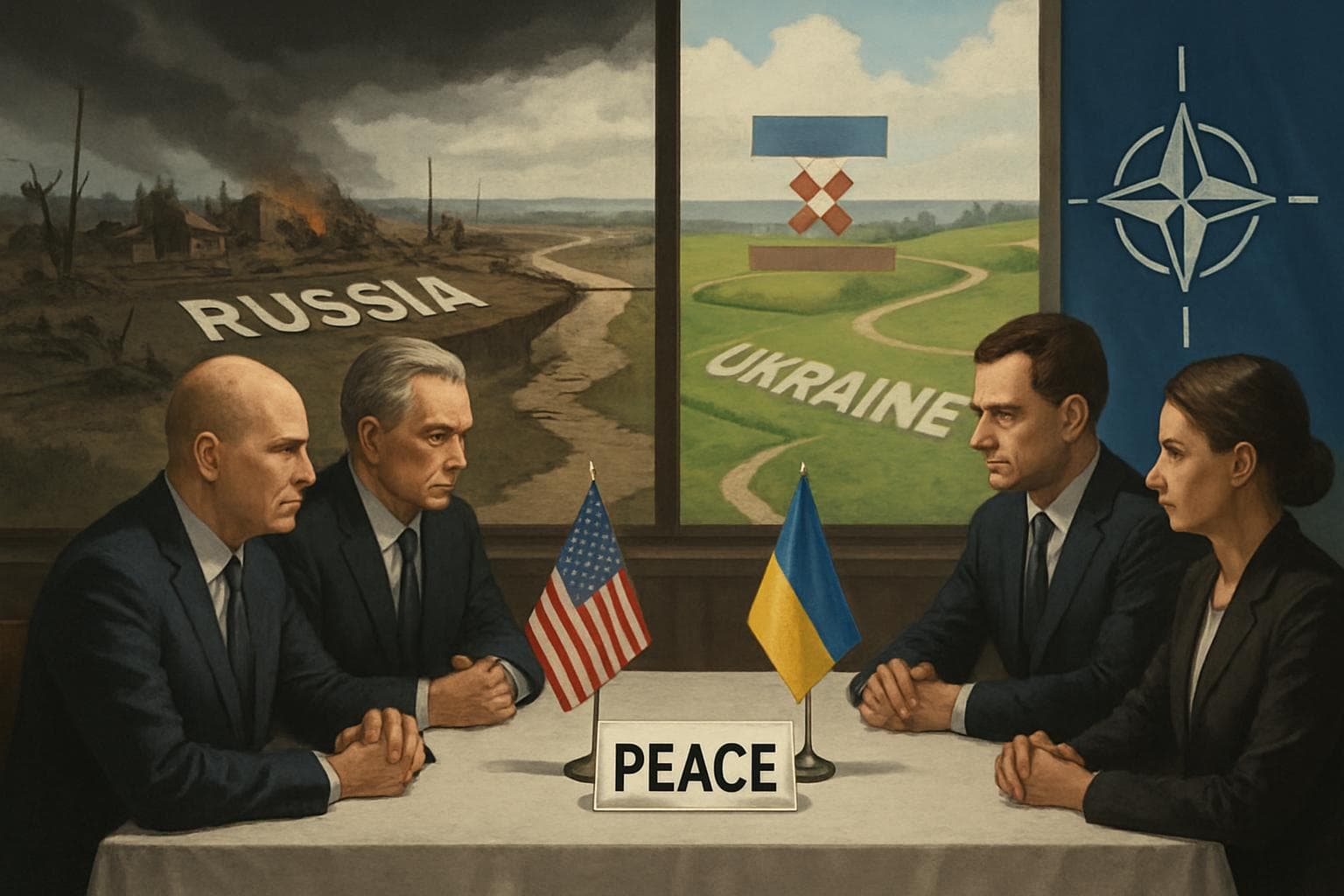
- The US and Ukraine have developed an "updated and refined peace framework" after Geneva talks, aiming to end the Russia-Ukraine conflict.
- The US-backed plan includes controversial points like Ukraine's territorial concessions and a cap on its military size, drawing criticism from European allies.
- European countries proposed an alternative plan, omitting pro-Russian elements and suggesting negotiations start from the current frontline.
- US President Donald Trump criticized Ukraine for showing "zero gratitude" for US efforts, while Ukrainian President Zelensky expressed appreciation for US military aid.
- The peace plan's authorship is under scrutiny, with allegations it was initially drafted in Moscow, raising concerns among European leaders.
The United States and Ukraine have announced significant progress in their ongoing peace negotiations, following intensive talks in Geneva aimed at resolving the protracted Russia-Ukraine conflict. The discussions have resulted in an "updated and refined peace framework," according to a joint statement released on Sunday. US Secretary of State Marco Rubio expressed optimism about the talks, noting substantial progress in narrowing down the 28-point US-backed plan.
Controversial Provisions and European Response
The US plan, however, has faced criticism for its perceived pro-Russian stance. Key provisions include Ukraine's agreement to withdraw troops from parts of the eastern Donetsk region and international recognition of Russian control over Crimea, annexed in 2014. Additionally, the plan proposes capping Ukraine's military at 600,000 personnel and forgoing NATO membership in exchange for unspecified security guarantees.
In response, European allies, led by the UK, France, and Germany, have proposed an alternative peace plan. This version suggests negotiations should commence from the current frontline and does not require Ukraine to withdraw from cities it controls in the eastern Donbas. It also leaves open the possibility of Ukraine joining NATO, a point absent from the US proposal.
Trump's Criticism and Zelensky's Response
Amid these developments, US President Donald Trump accused Ukraine of showing "zero gratitude" for American efforts to end the war. In contrast, Ukrainian President Volodymyr Zelensky expressed gratitude for US military support, highlighting the life-saving impact of Javelin missiles provided by Washington.
Authorship and International Concerns
The authorship of the US-backed plan has come under scrutiny, with reports suggesting it may have been initially drafted in Moscow. This revelation has raised concerns among European leaders, who have questioned the plan's origins and its implications for Ukraine's sovereignty. German Chancellor Friedrich Merz and European Commission President Ursula von der Leyen have voiced skepticism about the plan's provisions, particularly those limiting Ukraine's military capabilities and altering its borders.
WHAT THIS MIGHT MEAN
As negotiations continue, the peace framework's future remains uncertain. The US and Ukraine must address European concerns and ensure any agreement respects Ukraine's sovereignty and territorial integrity. The potential exclusion of Ukraine from NATO could have long-term security implications, making robust security guarantees essential. Additionally, the plan's perceived pro-Russian elements may hinder its acceptance by Kyiv and its allies.
The international community will closely monitor the situation, with European leaders likely advocating for a more balanced approach. The outcome of these talks could significantly impact the geopolitical landscape, influencing NATO's future expansion and Russia's reintegration into the global economy. As discussions progress, the focus will be on achieving a sustainable peace that addresses the interests of all parties involved.
Related Articles

UK Faces Dilemmas Amid Iran Conflict and China Spying Allegations
UK-Iran Tensions: Starmer Defends Cautious Approach Amid Trump Criticism
Cuba Faces Widespread Blackout Amid Deepening Fuel Crisis
Russian LNG Tanker Sinks in Mediterranean Amid Accusations of Ukrainian Drone Attack
Senate Blocks Resolution to Limit Trump's Military Actions in Iran
Spain's Sánchez Stands Firm Against Trump's Trade Threat Over Iran Stance
US and Ukraine Signal Progress in Peace Talks Amid Criticism Over Pro-Russian Elements
In This Article
 Alex Carter| Published
 HIGHLIGHTS
- The US and Ukraine have developed an "updated and refined peace framework" after Geneva talks, aiming to end the Russia-Ukraine conflict.
- The US-backed plan includes controversial points like Ukraine's territorial concessions and a cap on its military size, drawing criticism from European allies.
- European countries proposed an alternative plan, omitting pro-Russian elements and suggesting negotiations start from the current frontline.
- US President Donald Trump criticized Ukraine for showing "zero gratitude" for US efforts, while Ukrainian President Zelensky expressed appreciation for US military aid.
- The peace plan's authorship is under scrutiny, with allegations it was initially drafted in Moscow, raising concerns among European leaders.
The United States and Ukraine have announced significant progress in their ongoing peace negotiations, following intensive talks in Geneva aimed at resolving the protracted Russia-Ukraine conflict. The discussions have resulted in an "updated and refined peace framework," according to a joint statement released on Sunday. US Secretary of State Marco Rubio expressed optimism about the talks, noting substantial progress in narrowing down the 28-point US-backed plan.
Controversial Provisions and European Response
The US plan, however, has faced criticism for its perceived pro-Russian stance. Key provisions include Ukraine's agreement to withdraw troops from parts of the eastern Donetsk region and international recognition of Russian control over Crimea, annexed in 2014. Additionally, the plan proposes capping Ukraine's military at 600,000 personnel and forgoing NATO membership in exchange for unspecified security guarantees.
In response, European allies, led by the UK, France, and Germany, have proposed an alternative peace plan. This version suggests negotiations should commence from the current frontline and does not require Ukraine to withdraw from cities it controls in the eastern Donbas. It also leaves open the possibility of Ukraine joining NATO, a point absent from the US proposal.
Trump's Criticism and Zelensky's Response
Amid these developments, US President Donald Trump accused Ukraine of showing "zero gratitude" for American efforts to end the war. In contrast, Ukrainian President Volodymyr Zelensky expressed gratitude for US military support, highlighting the life-saving impact of Javelin missiles provided by Washington.
Authorship and International Concerns
The authorship of the US-backed plan has come under scrutiny, with reports suggesting it may have been initially drafted in Moscow. This revelation has raised concerns among European leaders, who have questioned the plan's origins and its implications for Ukraine's sovereignty. German Chancellor Friedrich Merz and European Commission President Ursula von der Leyen have voiced skepticism about the plan's provisions, particularly those limiting Ukraine's military capabilities and altering its borders.
WHAT THIS MIGHT MEAN
As negotiations continue, the peace framework's future remains uncertain. The US and Ukraine must address European concerns and ensure any agreement respects Ukraine's sovereignty and territorial integrity. The potential exclusion of Ukraine from NATO could have long-term security implications, making robust security guarantees essential. Additionally, the plan's perceived pro-Russian elements may hinder its acceptance by Kyiv and its allies.
The international community will closely monitor the situation, with European leaders likely advocating for a more balanced approach. The outcome of these talks could significantly impact the geopolitical landscape, influencing NATO's future expansion and Russia's reintegration into the global economy. As discussions progress, the focus will be on achieving a sustainable peace that addresses the interests of all parties involved.
Related Articles
UK Faces Dilemmas Amid Iran Conflict and China Spying Allegations
UK-Iran Tensions: Starmer Defends Cautious Approach Amid Trump Criticism
Cuba Faces Widespread Blackout Amid Deepening Fuel Crisis
Russian LNG Tanker Sinks in Mediterranean Amid Accusations of Ukrainian Drone Attack
Senate Blocks Resolution to Limit Trump's Military Actions in Iran
Spain's Sánchez Stands Firm Against Trump's Trade Threat Over Iran Stance