
US-Authored Ukraine Peace Plan Faces Global Scrutiny Amid Concerns
In This Article
HIGHLIGHTS
- US Secretary of State Marco Rubio insists the 28-point Ukraine peace plan was authored by the US, despite claims it favors Russia.
- President Trump states the plan is not a "final offer" and emphasizes the need to end the conflict swiftly.
- European leaders at the G20 summit express concerns over the plan's military limitations on Ukraine and its territorial concessions.
- Ukrainian President Zelenskyy warns of a critical moment in Ukraine's history as pressure mounts to accept the US proposal.
- Talks between US, Ukrainian, and European officials are set to take place in Geneva to discuss the peace plan's framework.
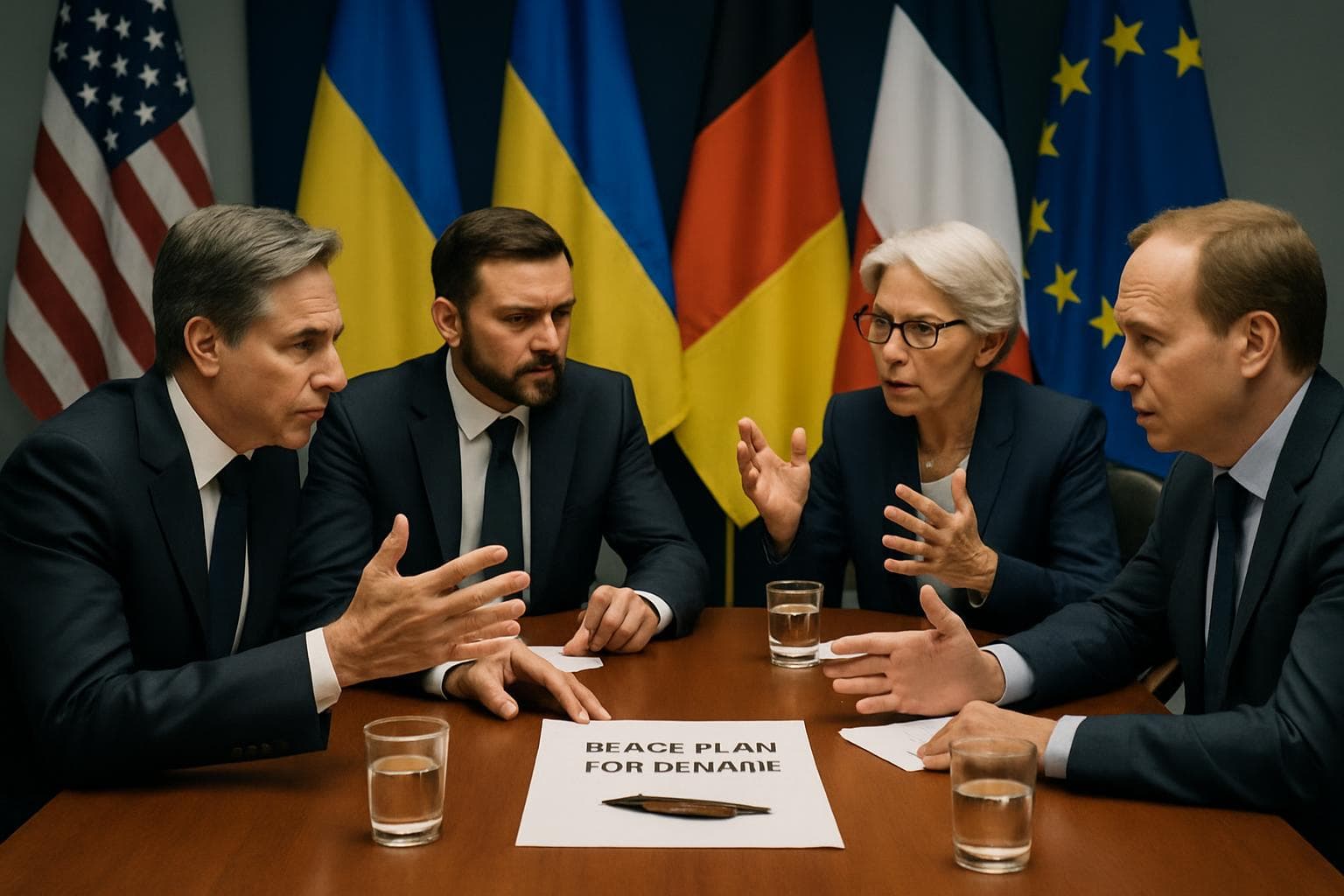
The United States has come under intense scrutiny over its proposed 28-point peace plan aimed at resolving the ongoing conflict in Ukraine. US Secretary of State Marco Rubio has affirmed that the plan, which has sparked controversy for appearing to favor Russian interests, was indeed authored by the US. This assertion comes amid conflicting reports and criticism from various international leaders.
US Stance and International Reactions
President Donald Trump, who has made resolving the Ukraine conflict a key foreign policy objective, clarified that the current proposal is not his "final offer" to Kyiv. Speaking at the White House, Trump emphasized the urgency of ending the war, stating, "One way or the other, we have to get it ended." Despite this, the plan has faced backlash, particularly from European leaders who gathered at the G20 summit in South Africa. They expressed significant concerns over the plan's provisions, which include territorial concessions and military limitations for Ukraine.
European Concerns and G20 Summit Discussions
At the G20 summit, leaders from Europe, Canada, and Japan issued a joint statement highlighting the need for additional work on the US proposal. They underscored the principle that borders must not be altered by force and voiced apprehensions about the proposed caps on Ukraine's military capabilities. French President Emmanuel Macron warned that without deterrence, Russia could "come back and break their promises."
Ukrainian Response and Upcoming Talks
Ukrainian President Volodymyr Zelenskyy has described the situation as one of the most challenging moments in Ukraine's history. He faces mounting pressure to accept the US plan, which has been criticized for its concessions to Moscow. Zelenskyy has announced that a Ukrainian negotiating team will meet with US counterparts in Geneva to discuss the plan's parameters. The talks aim to align the vision for a sustainable peace agreement, with input from European security officials.
WHAT THIS MIGHT MEAN
The upcoming Geneva talks could be pivotal in shaping the future of the Ukraine conflict. If the US and Ukraine can reach a consensus that addresses both security concerns and territorial integrity, it may pave the way for a lasting peace. However, any agreement perceived as overly favorable to Russia could strain US-European relations and undermine NATO's cohesion. Experts suggest that a balanced approach, incorporating broader international input, will be crucial to achieving a viable resolution. As the deadline for Ukraine's response approaches, the international community will be closely watching the developments in Geneva.
Images from the Web
Related Articles
Spain's Sánchez Stands Firm Against Trump's Trade Threat Over Iran Stance
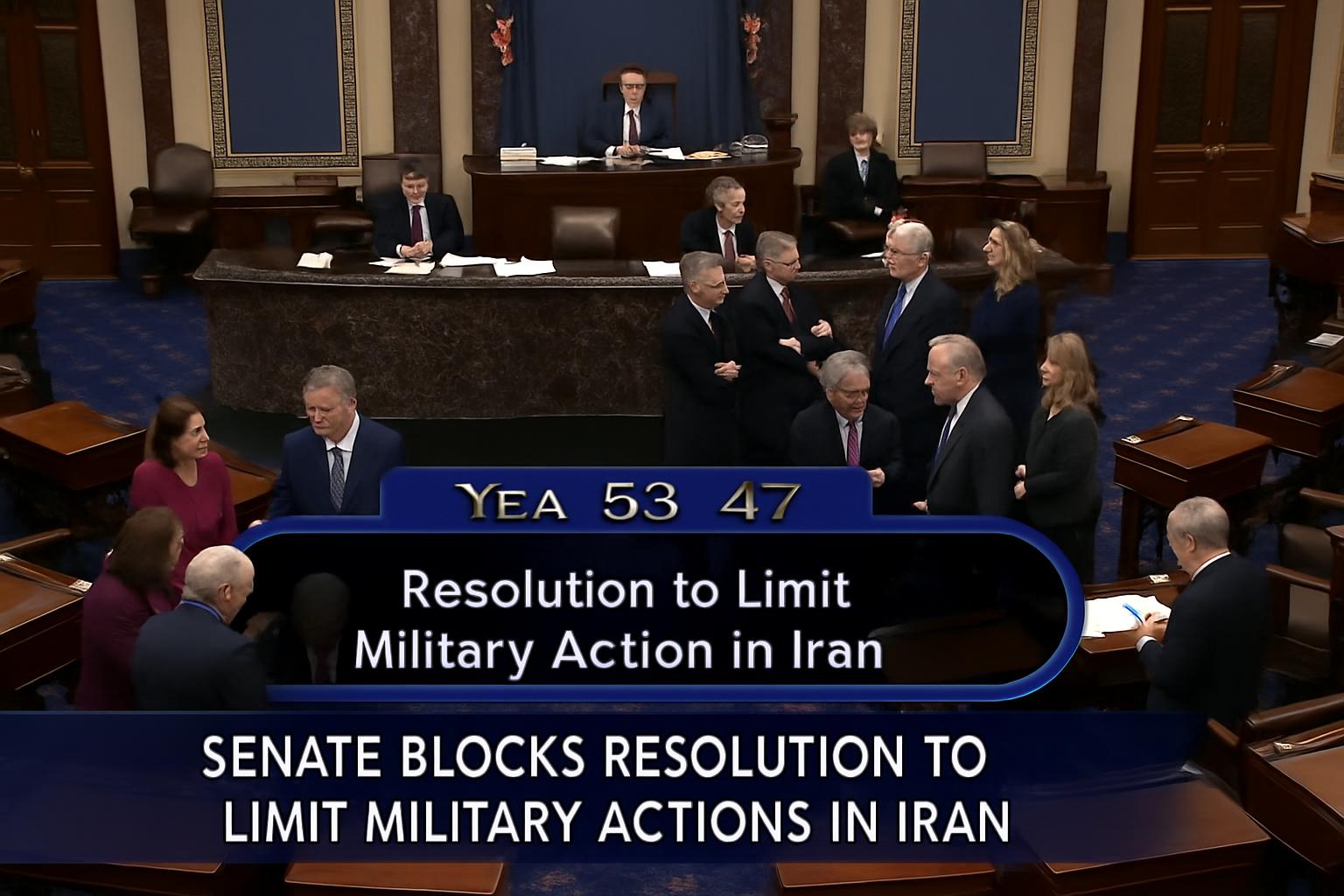
Senate Blocks Resolution to Limit Trump's Military Actions in Iran
Russian LNG Tanker Sinks in Mediterranean Amid Accusations of Ukrainian Drone Attack
UK-Iran Tensions: Starmer Defends Cautious Approach Amid Trump Criticism
Iran Postpones Khamenei Funeral Amid Escalating US-Israeli Strikes
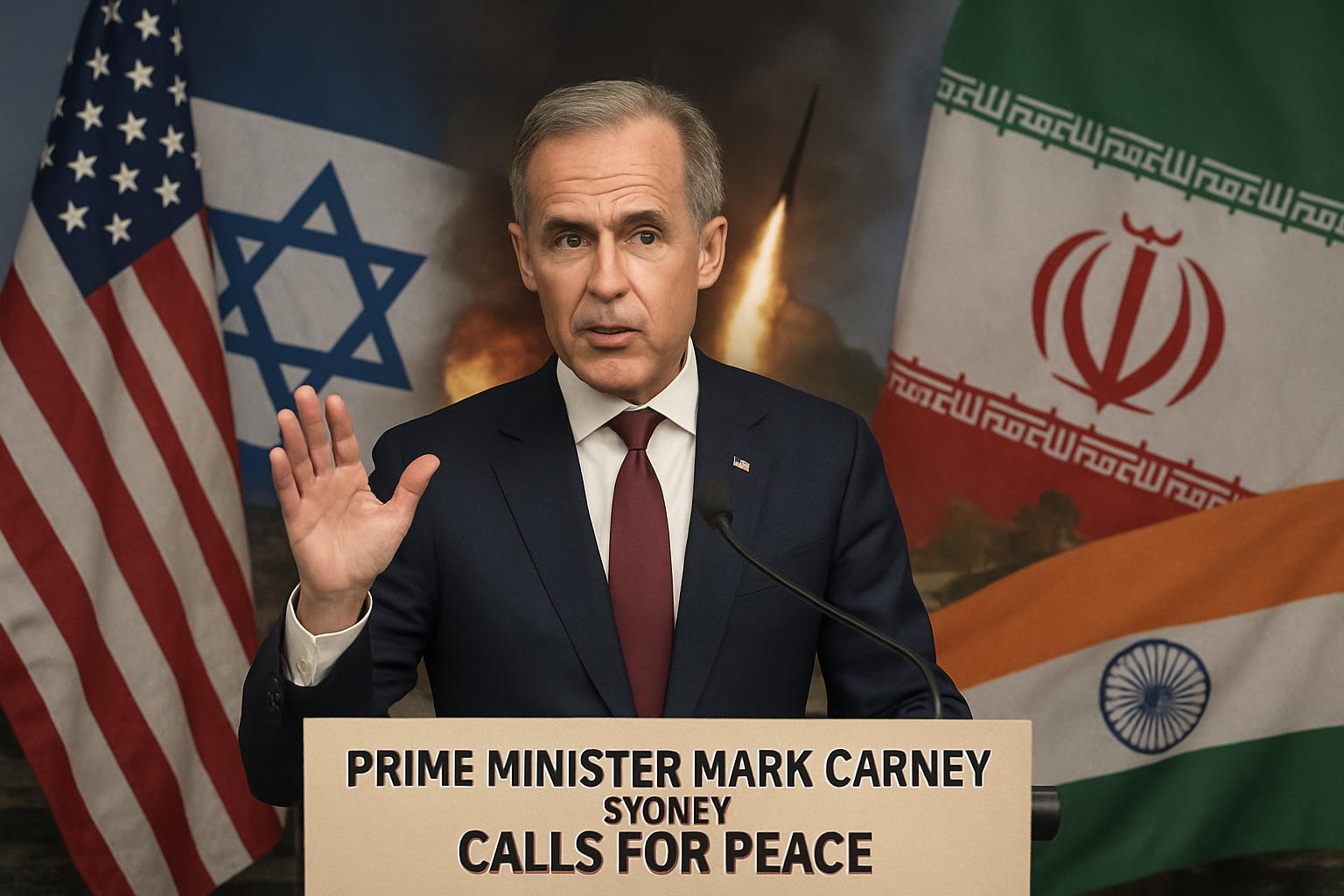
Canada Calls for De-escalation Amid US-Israel Strikes on Iran
US-Authored Ukraine Peace Plan Faces Global Scrutiny Amid Concerns
In This Article
 Ethan Brooks| Published
 HIGHLIGHTS
- US Secretary of State Marco Rubio insists the 28-point Ukraine peace plan was authored by the US, despite claims it favors Russia.
- President Trump states the plan is not a "final offer" and emphasizes the need to end the conflict swiftly.
- European leaders at the G20 summit express concerns over the plan's military limitations on Ukraine and its territorial concessions.
- Ukrainian President Zelenskyy warns of a critical moment in Ukraine's history as pressure mounts to accept the US proposal.
- Talks between US, Ukrainian, and European officials are set to take place in Geneva to discuss the peace plan's framework.
The United States has come under intense scrutiny over its proposed 28-point peace plan aimed at resolving the ongoing conflict in Ukraine. US Secretary of State Marco Rubio has affirmed that the plan, which has sparked controversy for appearing to favor Russian interests, was indeed authored by the US. This assertion comes amid conflicting reports and criticism from various international leaders.
US Stance and International Reactions
President Donald Trump, who has made resolving the Ukraine conflict a key foreign policy objective, clarified that the current proposal is not his "final offer" to Kyiv. Speaking at the White House, Trump emphasized the urgency of ending the war, stating, "One way or the other, we have to get it ended." Despite this, the plan has faced backlash, particularly from European leaders who gathered at the G20 summit in South Africa. They expressed significant concerns over the plan's provisions, which include territorial concessions and military limitations for Ukraine.
European Concerns and G20 Summit Discussions
At the G20 summit, leaders from Europe, Canada, and Japan issued a joint statement highlighting the need for additional work on the US proposal. They underscored the principle that borders must not be altered by force and voiced apprehensions about the proposed caps on Ukraine's military capabilities. French President Emmanuel Macron warned that without deterrence, Russia could "come back and break their promises."
Ukrainian Response and Upcoming Talks
Ukrainian President Volodymyr Zelenskyy has described the situation as one of the most challenging moments in Ukraine's history. He faces mounting pressure to accept the US plan, which has been criticized for its concessions to Moscow. Zelenskyy has announced that a Ukrainian negotiating team will meet with US counterparts in Geneva to discuss the plan's parameters. The talks aim to align the vision for a sustainable peace agreement, with input from European security officials.
WHAT THIS MIGHT MEAN
The upcoming Geneva talks could be pivotal in shaping the future of the Ukraine conflict. If the US and Ukraine can reach a consensus that addresses both security concerns and territorial integrity, it may pave the way for a lasting peace. However, any agreement perceived as overly favorable to Russia could strain US-European relations and undermine NATO's cohesion. Experts suggest that a balanced approach, incorporating broader international input, will be crucial to achieving a viable resolution. As the deadline for Ukraine's response approaches, the international community will be closely watching the developments in Geneva.
Images from the Web
Related Articles
Spain's Sánchez Stands Firm Against Trump's Trade Threat Over Iran Stance
Senate Blocks Resolution to Limit Trump's Military Actions in Iran
Russian LNG Tanker Sinks in Mediterranean Amid Accusations of Ukrainian Drone Attack
UK-Iran Tensions: Starmer Defends Cautious Approach Amid Trump Criticism
Iran Postpones Khamenei Funeral Amid Escalating US-Israeli Strikes
Canada Calls for De-escalation Amid US-Israel Strikes on Iran