
US-Ukraine Relations Strain Amid Controversial US Policy Shifts
In This Article
HIGHLIGHTS
- US-Ukraine relations have deteriorated, with key Trump administration figures expressing skepticism about continued support.
- Retired British Army Lt. Col. Glen Grant claims the US is pressuring Ukraine to capitulate to Russia.
- White House envoy Keith Kellogg's comments have sparked controversy, likening US-Ukraine relations to hitting a mule to get attention.
- Prominent figures around Trump, including Marco Rubio, have aligned with a vision that echoes Kremlin sentiments.
- European officials remain hopeful for renewed US intelligence support despite the strained relations.
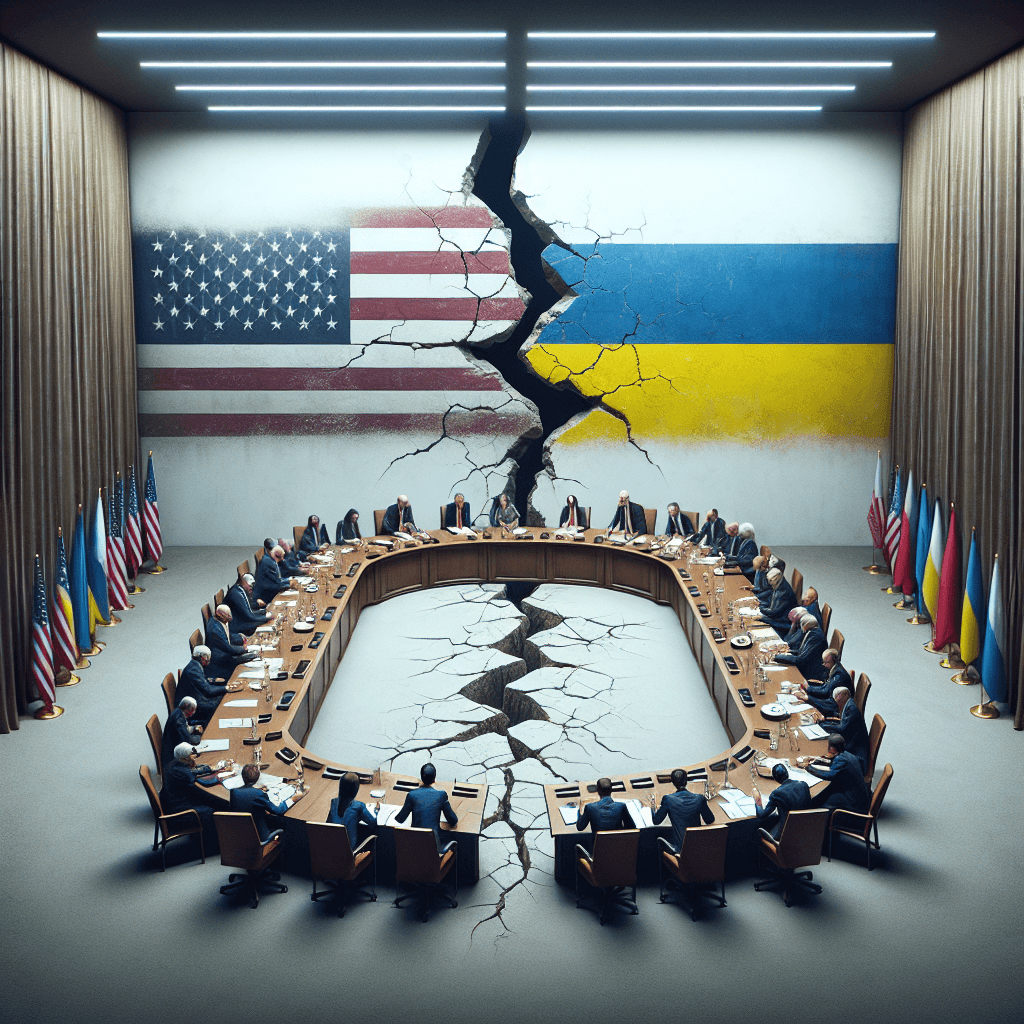
The relationship between the United States and Ukraine has reached a new low, as key figures within the Trump administration express skepticism about continued support for Kyiv. This shift in stance has raised concerns among European allies and has sparked debate over the future of US foreign policy in the region.
US Pressure on Ukraine
Glen Grant, a retired British Army lieutenant colonel, recently visited Kyiv and shared his perspective on the current diplomatic tensions. Speaking to BBC Breakfast, Grant asserted that the US is attempting to pressure Ukraine into capitulating to Russia. "What the US is trying to do is get Ukraine to capitulate," he said, emphasizing that this strategy aims to replace President Zelenskyy with a more compliant leader. Grant expressed doubt that Zelenskyy would acquiesce to such pressure.
Controversial Remarks from US Officials
The controversy deepened when Keith Kellogg, the White House's special envoy for Ukraine and Russia, made a startling analogy during a Council on Foreign Relations meeting. Kellogg likened the US approach to Ukraine to hitting a mule with a two-by-four to get its attention. His remarks were met with shock and dismay by diplomats and journalists present. Kellogg's comments reflect a broader shift within the Trump administration, where figures like Marco Rubio and Mike Waltz have become vocal skeptics of continued US support for Ukraine.
Aligning with Kremlin Views
The alignment of some US officials with views that echo Kremlin sentiments has further complicated the situation. Marco Rubio recently described the conflict as a proxy war between nuclear powers, a statement that was positively received by Kremlin spokesperson Dmitry Peskov. This alignment has raised concerns among European officials about the US's long-term commitment to supporting Ukraine.
Hope for Renewed Support
Despite these tensions, European officials remain hopeful that a meeting between Ukrainian and US officials could lead to a renewal of intelligence support. The path forward is uncertain, but there is a shared belief among pro-Ukraine Americans and European allies that US support remains crucial in the ongoing conflict.
WHAT THIS MIGHT MEAN
The current strain in US-Ukraine relations could have significant implications for the ongoing conflict in Eastern Europe. If the US continues to pressure Ukraine to make concessions to Russia, it may weaken Kyiv's position in negotiations and embolden Moscow. However, a potential meeting between Ukrainian officials and Trump administration representatives could offer a chance to mend relations and renew intelligence support.
Experts suggest that the US's realignment of its foreign policy could lead to a broader shift in its approach to international conflicts. If the Trump administration continues to prioritize resetting relations with Russia, it may impact other geopolitical dynamics, including NATO's cohesion and the EU's role in the region.
Ultimately, the future of US-Ukraine relations will depend on the ability of both sides to navigate these diplomatic challenges and find common ground. European officials remain cautiously optimistic, hoping that renewed dialogue will prevent further escalation and ensure continued support for Ukraine in its struggle against Russian aggression.
Related Articles
Russian LNG Tanker Sinks in Mediterranean Amid Accusations of Ukrainian Drone Attack
Senate Blocks Resolution to Limit Trump's Military Actions in Iran
China Sets Lowest GDP Growth Target in Decades Amid Economic Challenges

Tech Giants Pledge to Cover AI Data Center Energy Costs Amid Rising Electricity Concerns

Cuba Faces Widespread Blackout Amid Deepening Fuel Crisis

UK Faces Dilemmas Amid Iran Conflict and China Spying Allegations
US-Ukraine Relations Strain Amid Controversial US Policy Shifts
In This Article
 Alex Carter| Published
 HIGHLIGHTS
- US-Ukraine relations have deteriorated, with key Trump administration figures expressing skepticism about continued support.
- Retired British Army Lt. Col. Glen Grant claims the US is pressuring Ukraine to capitulate to Russia.
- White House envoy Keith Kellogg's comments have sparked controversy, likening US-Ukraine relations to hitting a mule to get attention.
- Prominent figures around Trump, including Marco Rubio, have aligned with a vision that echoes Kremlin sentiments.
- European officials remain hopeful for renewed US intelligence support despite the strained relations.
The relationship between the United States and Ukraine has reached a new low, as key figures within the Trump administration express skepticism about continued support for Kyiv. This shift in stance has raised concerns among European allies and has sparked debate over the future of US foreign policy in the region.
US Pressure on Ukraine
Glen Grant, a retired British Army lieutenant colonel, recently visited Kyiv and shared his perspective on the current diplomatic tensions. Speaking to BBC Breakfast, Grant asserted that the US is attempting to pressure Ukraine into capitulating to Russia. "What the US is trying to do is get Ukraine to capitulate," he said, emphasizing that this strategy aims to replace President Zelenskyy with a more compliant leader. Grant expressed doubt that Zelenskyy would acquiesce to such pressure.
Controversial Remarks from US Officials
The controversy deepened when Keith Kellogg, the White House's special envoy for Ukraine and Russia, made a startling analogy during a Council on Foreign Relations meeting. Kellogg likened the US approach to Ukraine to hitting a mule with a two-by-four to get its attention. His remarks were met with shock and dismay by diplomats and journalists present. Kellogg's comments reflect a broader shift within the Trump administration, where figures like Marco Rubio and Mike Waltz have become vocal skeptics of continued US support for Ukraine.
Aligning with Kremlin Views
The alignment of some US officials with views that echo Kremlin sentiments has further complicated the situation. Marco Rubio recently described the conflict as a proxy war between nuclear powers, a statement that was positively received by Kremlin spokesperson Dmitry Peskov. This alignment has raised concerns among European officials about the US's long-term commitment to supporting Ukraine.
Hope for Renewed Support
Despite these tensions, European officials remain hopeful that a meeting between Ukrainian and US officials could lead to a renewal of intelligence support. The path forward is uncertain, but there is a shared belief among pro-Ukraine Americans and European allies that US support remains crucial in the ongoing conflict.
WHAT THIS MIGHT MEAN
The current strain in US-Ukraine relations could have significant implications for the ongoing conflict in Eastern Europe. If the US continues to pressure Ukraine to make concessions to Russia, it may weaken Kyiv's position in negotiations and embolden Moscow. However, a potential meeting between Ukrainian officials and Trump administration representatives could offer a chance to mend relations and renew intelligence support.
Experts suggest that the US's realignment of its foreign policy could lead to a broader shift in its approach to international conflicts. If the Trump administration continues to prioritize resetting relations with Russia, it may impact other geopolitical dynamics, including NATO's cohesion and the EU's role in the region.
Ultimately, the future of US-Ukraine relations will depend on the ability of both sides to navigate these diplomatic challenges and find common ground. European officials remain cautiously optimistic, hoping that renewed dialogue will prevent further escalation and ensure continued support for Ukraine in its struggle against Russian aggression.
Related Articles
Russian LNG Tanker Sinks in Mediterranean Amid Accusations of Ukrainian Drone Attack
Senate Blocks Resolution to Limit Trump's Military Actions in Iran
China Sets Lowest GDP Growth Target in Decades Amid Economic Challenges
Tech Giants Pledge to Cover AI Data Center Energy Costs Amid Rising Electricity Concerns
Cuba Faces Widespread Blackout Amid Deepening Fuel Crisis
UK Faces Dilemmas Amid Iran Conflict and China Spying Allegations