
US Unemployment Hits Four-Year High Amid Data Uncertainty
In This Article
HIGHLIGHTS
- US unemployment rose to 4.6% in November, marking a four-year high amid concerns over economic stability.
- The US labor market added 64,000 jobs in November, exceeding economists' predictions, following a loss of 105,000 jobs in October.
- The federal government shutdown delayed the release of crucial labor data, raising questions about its accuracy.
- Federal Reserve Chair Jerome Powell expressed skepticism about the data, citing potential distortions and the impact of immigration policies.
- The Federal Reserve cut interest rates by a quarter point, its third cut this year, as it navigates a weakening job market and rising inflation.
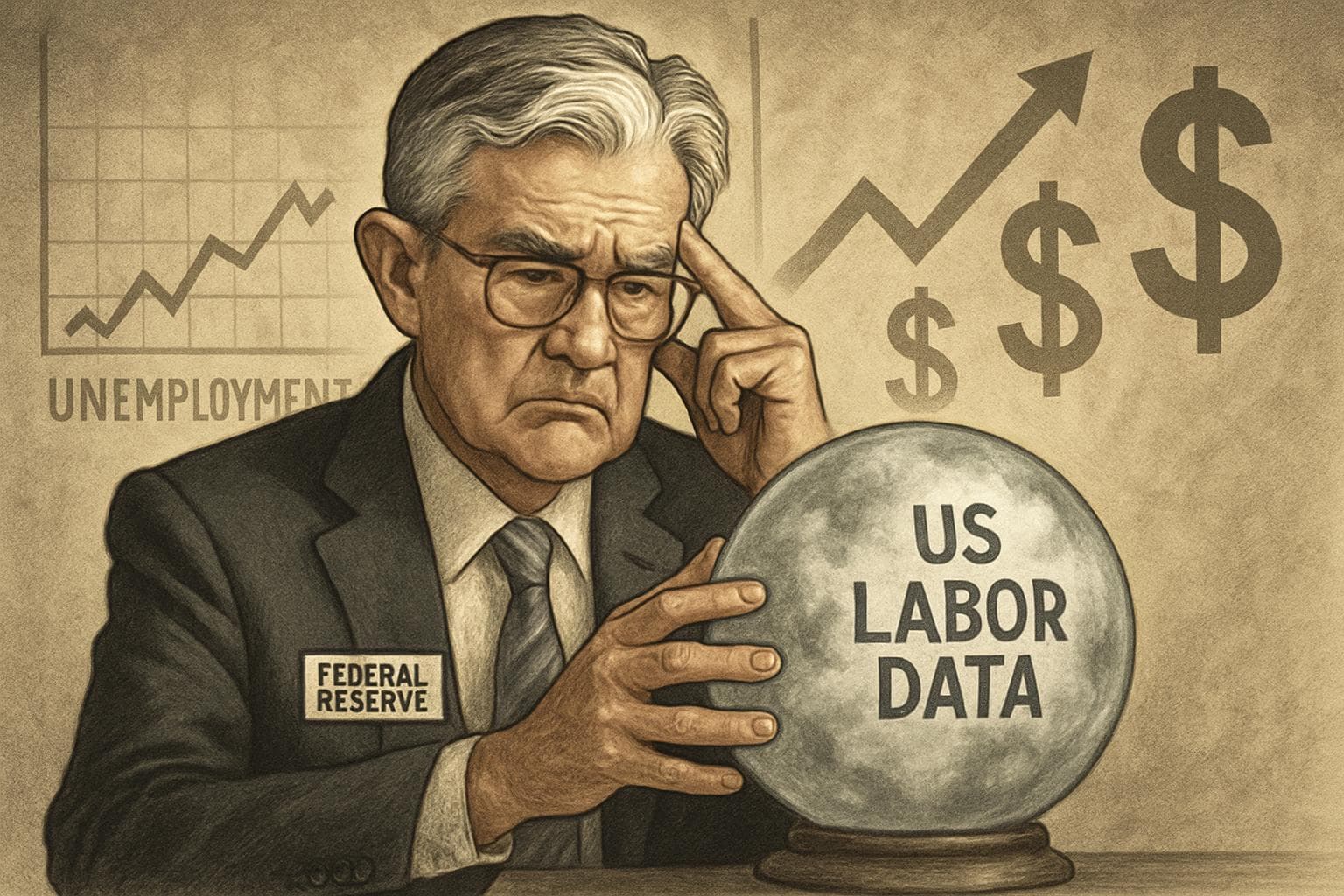
The US unemployment rate climbed to 4.6% in November, reaching a four-year high, according to the latest figures from the Labor Department. This increase, up from 4.4% in September, highlights ongoing concerns about the strength of the US economy. Despite the rise in unemployment, the labor market showed unexpected resilience, adding 64,000 jobs in November, surpassing economists' forecasts of 40,000.
Impact of Government Shutdown on Labor Data
The release of the labor market data was delayed due to a 43-day federal government shutdown, which left statistical agencies understaffed and disrupted data collection. This delay has cast doubt on the accuracy of the figures, with Federal Reserve Chair Jerome Powell urging caution in interpreting the data. Powell noted that the shutdown's effects and tighter immigration policies might have skewed the numbers, suggesting that the reported job growth could be overstated.
Federal Reserve's Response to Economic Indicators
In response to the mixed economic signals, the Federal Reserve cut interest rates by a quarter percentage point last week, marking its third rate cut this year. The central bank is grappling with the challenge of balancing a weakening job market against persistent inflation, which remains above its 2% target. The Fed's projections indicate a potential rate cut in 2026, but further labor market deterioration could prompt additional cuts sooner.
Economic Outlook and Expert Opinions
Analysts remain divided on the implications of the latest labor data. Chris Zaccarelli, Chief Investment Officer at Northlight Asset Management, noted that the data would likely fuel internal debates within the Fed. Meanwhile, Seema Shah, Chief Global Strategist at Principal Asset Management, warned that the sharp rise in unemployment could heighten concerns within the central bank. Kevin Hassett, Director of the White House's National Economic Council, downplayed the figures, suggesting they align with expected trends.
WHAT THIS MIGHT MEAN
Looking ahead, the Federal Reserve faces a complex landscape as it navigates the dual challenges of a weakening labor market and rising inflation. Should unemployment continue to rise, the Fed may be compelled to implement further interest rate cuts to stimulate economic growth. However, the accuracy of labor data remains a concern, potentially complicating policy decisions. Experts suggest that the Fed's cautious approach reflects a broader uncertainty about the true state of the US economy, with potential implications for future monetary policy and economic stability.
Images from the Web

Related Articles
US Economic Growth Slows Amid Government Shutdown and Inflation Concerns
China Sets Lowest GDP Growth Target in Decades Amid Economic Challenges

Cuba Faces Widespread Blackout Amid Deepening Fuel Crisis

UK Faces Dilemmas Amid Iran Conflict and China Spying Allegations

Google Faces Legal Battle Over AI Chatbot's Alleged Role in Tragic Death

Iran Postpones Khamenei Funeral Amid Escalating US-Israeli Strikes
US Unemployment Hits Four-Year High Amid Data Uncertainty
In This Article
 Daniel Rivera| Published
 HIGHLIGHTS
- US unemployment rose to 4.6% in November, marking a four-year high amid concerns over economic stability.
- The US labor market added 64,000 jobs in November, exceeding economists' predictions, following a loss of 105,000 jobs in October.
- The federal government shutdown delayed the release of crucial labor data, raising questions about its accuracy.
- Federal Reserve Chair Jerome Powell expressed skepticism about the data, citing potential distortions and the impact of immigration policies.
- The Federal Reserve cut interest rates by a quarter point, its third cut this year, as it navigates a weakening job market and rising inflation.
The US unemployment rate climbed to 4.6% in November, reaching a four-year high, according to the latest figures from the Labor Department. This increase, up from 4.4% in September, highlights ongoing concerns about the strength of the US economy. Despite the rise in unemployment, the labor market showed unexpected resilience, adding 64,000 jobs in November, surpassing economists' forecasts of 40,000.
Impact of Government Shutdown on Labor Data
The release of the labor market data was delayed due to a 43-day federal government shutdown, which left statistical agencies understaffed and disrupted data collection. This delay has cast doubt on the accuracy of the figures, with Federal Reserve Chair Jerome Powell urging caution in interpreting the data. Powell noted that the shutdown's effects and tighter immigration policies might have skewed the numbers, suggesting that the reported job growth could be overstated.
Federal Reserve's Response to Economic Indicators
In response to the mixed economic signals, the Federal Reserve cut interest rates by a quarter percentage point last week, marking its third rate cut this year. The central bank is grappling with the challenge of balancing a weakening job market against persistent inflation, which remains above its 2% target. The Fed's projections indicate a potential rate cut in 2026, but further labor market deterioration could prompt additional cuts sooner.
Economic Outlook and Expert Opinions
Analysts remain divided on the implications of the latest labor data. Chris Zaccarelli, Chief Investment Officer at Northlight Asset Management, noted that the data would likely fuel internal debates within the Fed. Meanwhile, Seema Shah, Chief Global Strategist at Principal Asset Management, warned that the sharp rise in unemployment could heighten concerns within the central bank. Kevin Hassett, Director of the White House's National Economic Council, downplayed the figures, suggesting they align with expected trends.
WHAT THIS MIGHT MEAN
Looking ahead, the Federal Reserve faces a complex landscape as it navigates the dual challenges of a weakening labor market and rising inflation. Should unemployment continue to rise, the Fed may be compelled to implement further interest rate cuts to stimulate economic growth. However, the accuracy of labor data remains a concern, potentially complicating policy decisions. Experts suggest that the Fed's cautious approach reflects a broader uncertainty about the true state of the US economy, with potential implications for future monetary policy and economic stability.
Images from the Web
Related Articles
US Economic Growth Slows Amid Government Shutdown and Inflation Concerns
China Sets Lowest GDP Growth Target in Decades Amid Economic Challenges
Cuba Faces Widespread Blackout Amid Deepening Fuel Crisis
UK Faces Dilemmas Amid Iran Conflict and China Spying Allegations
Google Faces Legal Battle Over AI Chatbot's Alleged Role in Tragic Death
Iran Postpones Khamenei Funeral Amid Escalating US-Israeli Strikes