
Tensions Rise as US Considers Joining Israel in Targeting Iran's Nuclear Sites
In This Article
HIGHLIGHTS
- Israel has targeted Iran's nuclear sites, including the heavily fortified Fordow facility, raising concerns about potential radiological risks.
- The International Atomic Energy Agency (IAEA) warns that military escalation could lead to serious environmental consequences.
- President Trump is considering whether to use US "bunker buster" bombs to assist Israel, with a decision expected in two weeks.
- Iran's uranium enrichment has reached 60%, nearing weapons-grade levels, but bombing stored uranium is unlikely to cause a nuclear incident.
- The US is the only nation with the capability to effectively target Fordow, a key site in Iran's nuclear infrastructure.
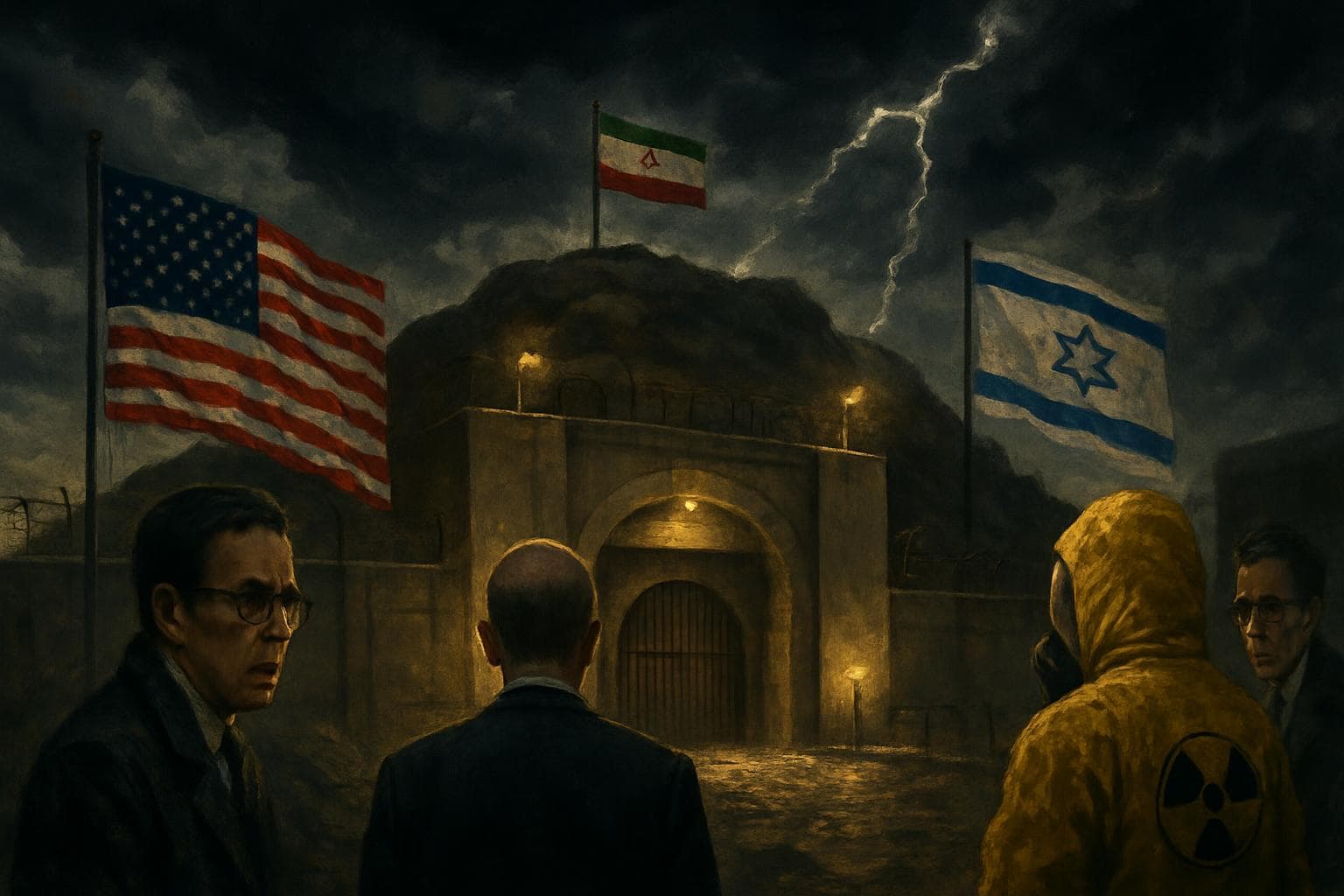
As tensions escalate over Iran's nuclear program, Israel has intensified its focus on Iran's nuclear infrastructure, particularly the fortified Fordow facility. This site, buried deep within a mountain, poses a significant challenge for military strikes, requiring the use of powerful "bunker buster" bombs, which only the United States possesses.
The International Atomic Energy Agency (IAEA) has expressed deep concern over these developments. Rafael Grossi, the IAEA's Director General, warned that military actions could increase the risk of a radiological release, with severe consequences for both people and the environment.
Iran's Nuclear Ambitions
Iran's uranium enrichment activities have reached 60%, approaching the 90% threshold required for nuclear weapons. Professor Paddy Regan from the University of Surrey explains that uranium enrichment involves increasing the concentration of uranium-235, a process crucial for both nuclear reactors and weapons. Despite the high enrichment levels, experts like Professor Jim Smith from the University of Portsmouth note that bombing stored uranium is unlikely to trigger a nuclear incident akin to Chernobyl or Fukushima.
US Decision Looms
President Donald Trump faces a critical decision on whether to support Israel's military efforts against Iran. He has set a two-week deadline to determine if the US will deploy its Massive Ordnance Penetrator bombs to target Fordow. While some military analysts question the effectiveness of these bombs against such a fortified site, the decision remains pivotal in shaping US-Iran relations.
International Implications
The potential US involvement in strikes against Iran's nuclear facilities could significantly alter the geopolitical landscape. The Fordow facility, a coveted target for Israel, represents a critical component of Iran's nuclear capabilities. As the only country with the necessary military assets to strike Fordow, the US's decision carries substantial weight in the ongoing conflict.
WHAT THIS MIGHT MEAN
Should President Trump decide to join Israel in targeting Iran's nuclear sites, the move could escalate tensions in the Middle East, potentially leading to broader conflict. The decision may also impact diplomatic efforts to negotiate a peaceful resolution to Iran's nuclear ambitions. Experts suggest that a military strike could push Iran to accelerate its nuclear program, further destabilizing the region. As the deadline approaches, the international community watches closely, aware that the outcome could have far-reaching implications for global security and diplomacy.
Related Articles
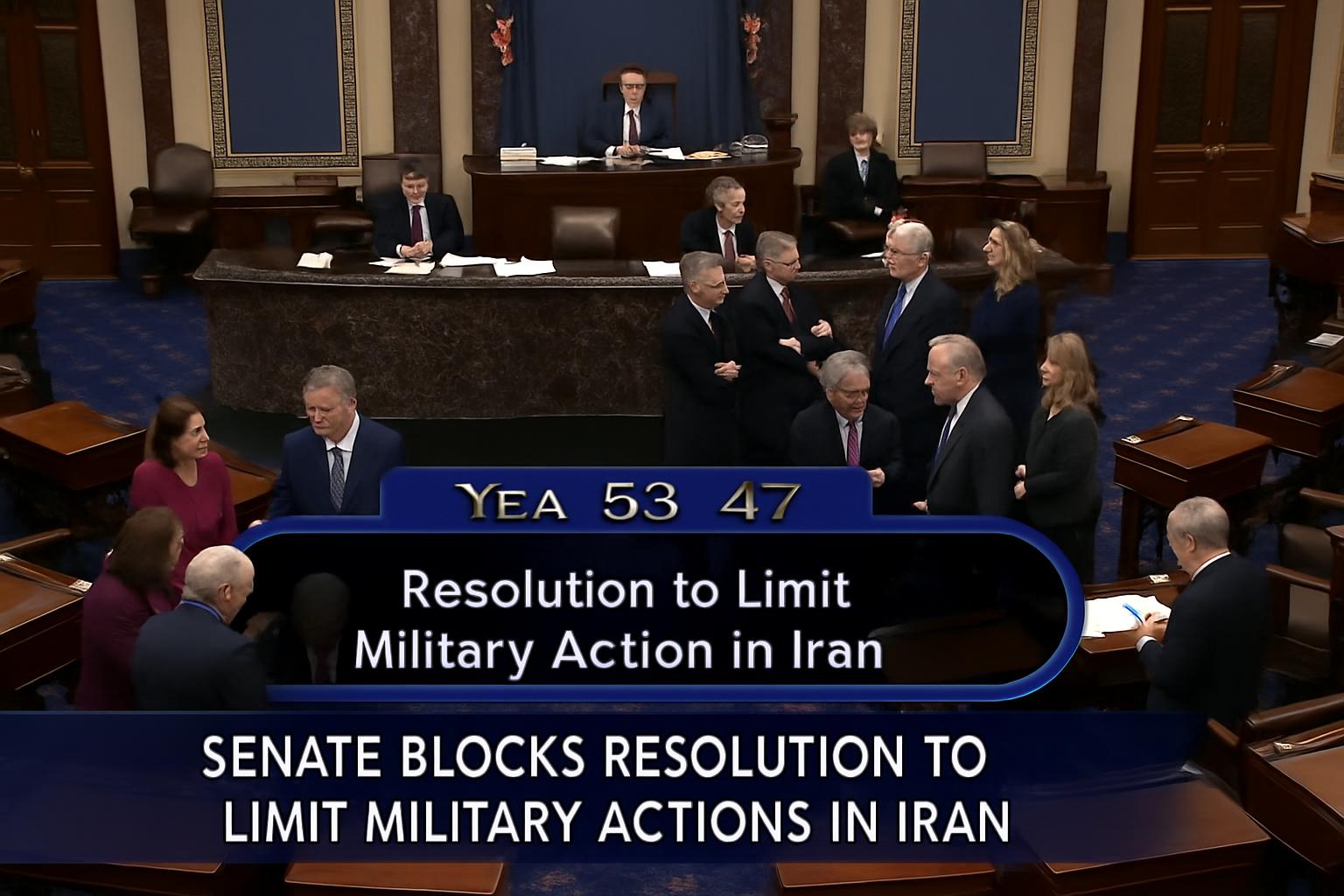
Senate Blocks Resolution to Limit Trump's Military Actions in Iran
Iran Postpones Khamenei Funeral Amid Escalating US-Israeli Strikes

UK Faces Dilemmas Amid Iran Conflict and China Spying Allegations
US and Israel Intensify Military Campaign as Iran's Capabilities Dwindle

Intensified US-Israel Strikes on Iran Spark Global Outcry
Spain's Sánchez Stands Firm Against Trump's Trade Threat Over Iran Stance
Tensions Rise as US Considers Joining Israel in Targeting Iran's Nuclear Sites
In This Article
 Ethan Brooks| Published
 HIGHLIGHTS
- Israel has targeted Iran's nuclear sites, including the heavily fortified Fordow facility, raising concerns about potential radiological risks.
- The International Atomic Energy Agency (IAEA) warns that military escalation could lead to serious environmental consequences.
- President Trump is considering whether to use US "bunker buster" bombs to assist Israel, with a decision expected in two weeks.
- Iran's uranium enrichment has reached 60%, nearing weapons-grade levels, but bombing stored uranium is unlikely to cause a nuclear incident.
- The US is the only nation with the capability to effectively target Fordow, a key site in Iran's nuclear infrastructure.
As tensions escalate over Iran's nuclear program, Israel has intensified its focus on Iran's nuclear infrastructure, particularly the fortified Fordow facility. This site, buried deep within a mountain, poses a significant challenge for military strikes, requiring the use of powerful "bunker buster" bombs, which only the United States possesses.
The International Atomic Energy Agency (IAEA) has expressed deep concern over these developments. Rafael Grossi, the IAEA's Director General, warned that military actions could increase the risk of a radiological release, with severe consequences for both people and the environment.
Iran's Nuclear Ambitions
Iran's uranium enrichment activities have reached 60%, approaching the 90% threshold required for nuclear weapons. Professor Paddy Regan from the University of Surrey explains that uranium enrichment involves increasing the concentration of uranium-235, a process crucial for both nuclear reactors and weapons. Despite the high enrichment levels, experts like Professor Jim Smith from the University of Portsmouth note that bombing stored uranium is unlikely to trigger a nuclear incident akin to Chernobyl or Fukushima.
US Decision Looms
President Donald Trump faces a critical decision on whether to support Israel's military efforts against Iran. He has set a two-week deadline to determine if the US will deploy its Massive Ordnance Penetrator bombs to target Fordow. While some military analysts question the effectiveness of these bombs against such a fortified site, the decision remains pivotal in shaping US-Iran relations.
International Implications
The potential US involvement in strikes against Iran's nuclear facilities could significantly alter the geopolitical landscape. The Fordow facility, a coveted target for Israel, represents a critical component of Iran's nuclear capabilities. As the only country with the necessary military assets to strike Fordow, the US's decision carries substantial weight in the ongoing conflict.
WHAT THIS MIGHT MEAN
Should President Trump decide to join Israel in targeting Iran's nuclear sites, the move could escalate tensions in the Middle East, potentially leading to broader conflict. The decision may also impact diplomatic efforts to negotiate a peaceful resolution to Iran's nuclear ambitions. Experts suggest that a military strike could push Iran to accelerate its nuclear program, further destabilizing the region. As the deadline approaches, the international community watches closely, aware that the outcome could have far-reaching implications for global security and diplomacy.
Related Articles
Senate Blocks Resolution to Limit Trump's Military Actions in Iran
Iran Postpones Khamenei Funeral Amid Escalating US-Israeli Strikes
UK Faces Dilemmas Amid Iran Conflict and China Spying Allegations
US and Israel Intensify Military Campaign as Iran's Capabilities Dwindle
Intensified US-Israel Strikes on Iran Spark Global Outcry
Spain's Sánchez Stands Firm Against Trump's Trade Threat Over Iran Stance