
Venezuela's Political Crisis: Talks, Tensions, and the Prospect of Change
In This Article
HIGHLIGHTS
- Nicolás Maduro expressed willingness for talks with the US amid increased pressure from the Trump administration.
- The US has intensified its military presence near Venezuela, raising speculation about potential military action.
- María Corina Machado, a leading opposition figure, claims Venezuela is on the brink of a new era, despite unclear plans for change.
- The US plans to designate the Cartel de los Soles, allegedly led by Maduro, as a Foreign Terrorist Organization.
- Legal experts question the legality and effectiveness of US military strikes on suspected drug trafficking vessels.
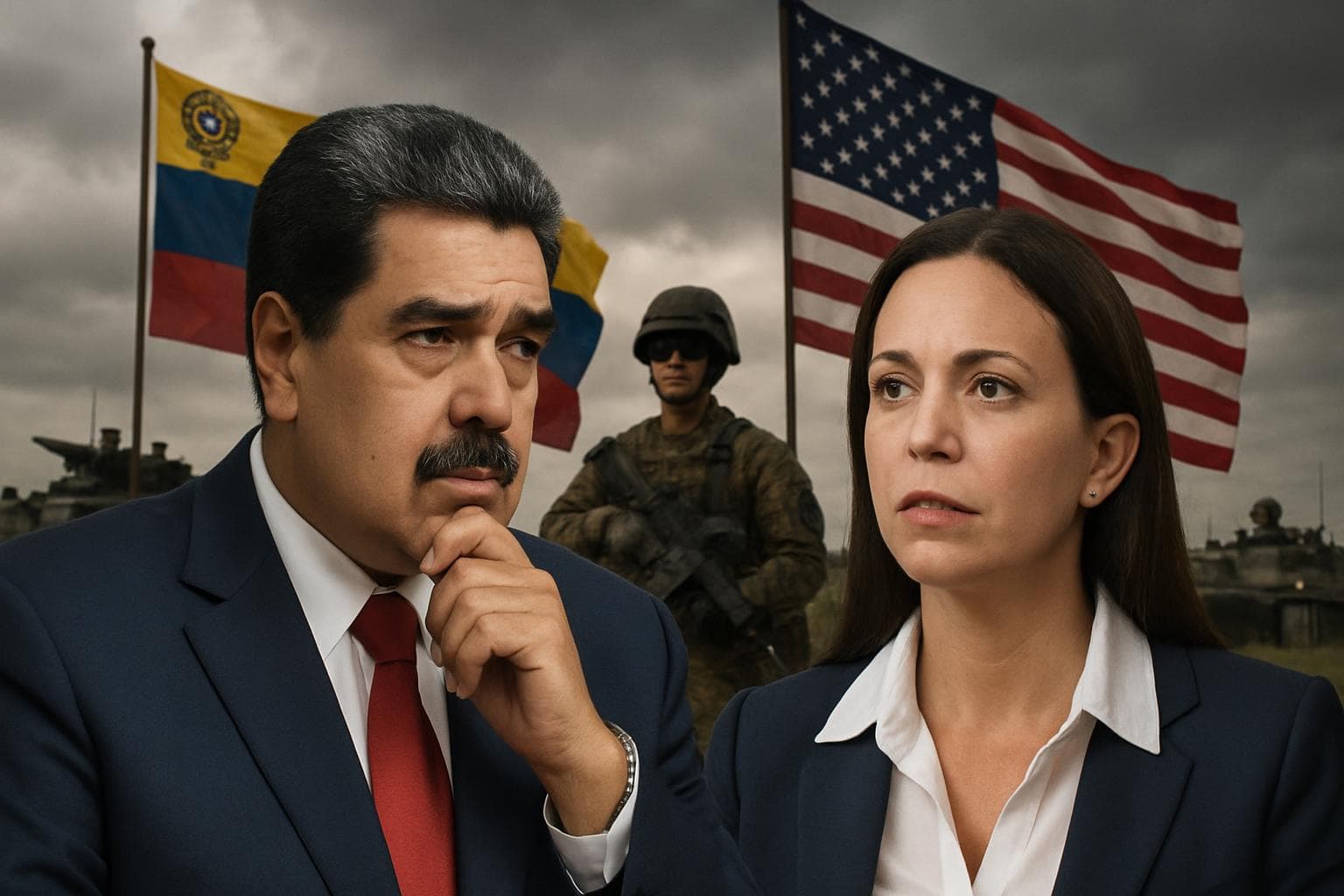
Venezuelan President Nicolás Maduro has signaled openness to direct negotiations with the United States as the Trump administration ramps up pressure on his regime. This development comes amid heightened military activity by the US near Venezuela, sparking speculation about possible military intervention.
US Military Presence and Diplomatic Maneuvers
The Trump administration has significantly increased its military presence in the Caribbean, deploying the USS Gerald Ford, the largest aircraft carrier, as part of "Operation Southern Spear." This operation targets narcotics trafficking from Venezuela, though its legality and impact remain contentious. The US has also doubled its reward for information leading to Maduro's capture to $50 million, underscoring its commitment to challenging his leadership.
Despite these aggressive moves, President Trump has left the door open for dialogue, stating he would consider speaking directly with Maduro. This dual approach of pressure and potential diplomacy has led some analysts to view it as an ultimatum for Maduro to engage in talks or face further US actions.
Opposition's Vision for Change
Amidst this geopolitical tension, María Corina Machado, a prominent Venezuelan opposition leader and recent Nobel laureate, has declared that Venezuela stands on the verge of a transformative era. In a manifesto, Machado envisions a future free from tyranny and promises to bring back the millions of Venezuelans who have fled the country's economic turmoil. However, her plans for achieving this remain vague, and the opposition's ability to unseat Maduro is uncertain.
Designation of Cartel de los Soles
Adding to the pressure, the US intends to designate the Cartel de los Soles, a Venezuelan drug trafficking organization allegedly led by Maduro, as a Foreign Terrorist Organization. This designation, effective from November 24, could further isolate Maduro's regime internationally and complicate its financial dealings.
WHAT THIS MIGHT MEAN
The unfolding situation in Venezuela presents several potential outcomes. If Maduro engages in talks with the US, it could lead to a de-escalation of military tensions and open pathways for political reform. However, should he refuse, the US might intensify its military and economic measures, potentially destabilizing the region further.
The opposition, led by figures like María Corina Machado, faces the challenge of translating their vision into actionable plans. Without a clear strategy, their ability to capitalize on the current geopolitical climate remains limited.
Ultimately, the international community's response, particularly from regional powers, will be crucial in shaping Venezuela's future. As the situation evolves, the balance between diplomatic negotiations and military interventions will determine the trajectory of this crisis.
Related Articles
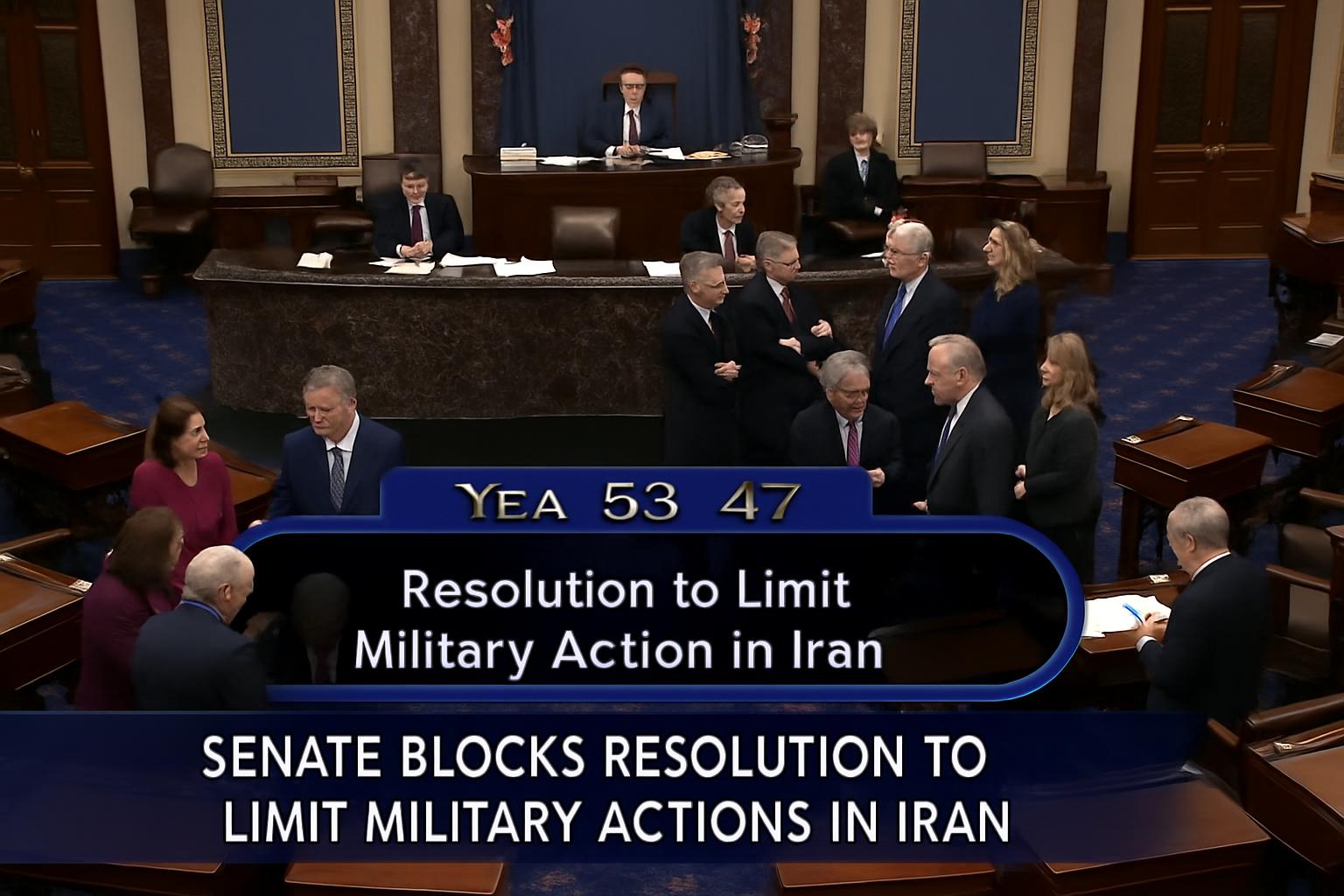
Senate Blocks Resolution to Limit Trump's Military Actions in Iran
Spain's Sánchez Stands Firm Against Trump's Trade Threat Over Iran Stance
Iran Postpones Khamenei Funeral Amid Escalating US-Israeli Strikes

Tech Giants Pledge to Cover AI Data Center Energy Costs Amid Rising Electricity Concerns
Congress Subpoenas Attorney General Bondi in Epstein Investigation
Cuba Faces Widespread Blackout Amid Deepening Fuel Crisis
Venezuela's Political Crisis: Talks, Tensions, and the Prospect of Change
In This Article
 Ethan Brooks| Published
 HIGHLIGHTS
- Nicolás Maduro expressed willingness for talks with the US amid increased pressure from the Trump administration.
- The US has intensified its military presence near Venezuela, raising speculation about potential military action.
- María Corina Machado, a leading opposition figure, claims Venezuela is on the brink of a new era, despite unclear plans for change.
- The US plans to designate the Cartel de los Soles, allegedly led by Maduro, as a Foreign Terrorist Organization.
- Legal experts question the legality and effectiveness of US military strikes on suspected drug trafficking vessels.
Venezuelan President Nicolás Maduro has signaled openness to direct negotiations with the United States as the Trump administration ramps up pressure on his regime. This development comes amid heightened military activity by the US near Venezuela, sparking speculation about possible military intervention.
US Military Presence and Diplomatic Maneuvers
The Trump administration has significantly increased its military presence in the Caribbean, deploying the USS Gerald Ford, the largest aircraft carrier, as part of "Operation Southern Spear." This operation targets narcotics trafficking from Venezuela, though its legality and impact remain contentious. The US has also doubled its reward for information leading to Maduro's capture to $50 million, underscoring its commitment to challenging his leadership.
Despite these aggressive moves, President Trump has left the door open for dialogue, stating he would consider speaking directly with Maduro. This dual approach of pressure and potential diplomacy has led some analysts to view it as an ultimatum for Maduro to engage in talks or face further US actions.
Opposition's Vision for Change
Amidst this geopolitical tension, María Corina Machado, a prominent Venezuelan opposition leader and recent Nobel laureate, has declared that Venezuela stands on the verge of a transformative era. In a manifesto, Machado envisions a future free from tyranny and promises to bring back the millions of Venezuelans who have fled the country's economic turmoil. However, her plans for achieving this remain vague, and the opposition's ability to unseat Maduro is uncertain.
Designation of Cartel de los Soles
Adding to the pressure, the US intends to designate the Cartel de los Soles, a Venezuelan drug trafficking organization allegedly led by Maduro, as a Foreign Terrorist Organization. This designation, effective from November 24, could further isolate Maduro's regime internationally and complicate its financial dealings.
WHAT THIS MIGHT MEAN
The unfolding situation in Venezuela presents several potential outcomes. If Maduro engages in talks with the US, it could lead to a de-escalation of military tensions and open pathways for political reform. However, should he refuse, the US might intensify its military and economic measures, potentially destabilizing the region further.
The opposition, led by figures like María Corina Machado, faces the challenge of translating their vision into actionable plans. Without a clear strategy, their ability to capitalize on the current geopolitical climate remains limited.
Ultimately, the international community's response, particularly from regional powers, will be crucial in shaping Venezuela's future. As the situation evolves, the balance between diplomatic negotiations and military interventions will determine the trajectory of this crisis.
Related Articles
Senate Blocks Resolution to Limit Trump's Military Actions in Iran
Spain's Sánchez Stands Firm Against Trump's Trade Threat Over Iran Stance
Iran Postpones Khamenei Funeral Amid Escalating US-Israeli Strikes
Tech Giants Pledge to Cover AI Data Center Energy Costs Amid Rising Electricity Concerns
Congress Subpoenas Attorney General Bondi in Epstein Investigation
Cuba Faces Widespread Blackout Amid Deepening Fuel Crisis