
Venezuela's Political Crisis Deepens Amid Waning Support from Allies and US Pressure
In This Article
HIGHLIGHTS
- Nicolás Maduro's reliance on China and Russia appears increasingly symbolic, with limited military or financial support.
- The US has intensified its military presence in the Caribbean, targeting alleged drug trafficking linked to Venezuela.
- María Corina Machado claims Maduro's political downfall is inevitable, advocating for a peaceful transition.
- Despite a reported landslide defeat in the 2024 election, Maduro remains in power amid claims of electoral fraud.
- Experts suggest China and Russia are unlikely to risk further sanctions or tariffs by defending Maduro militarily.
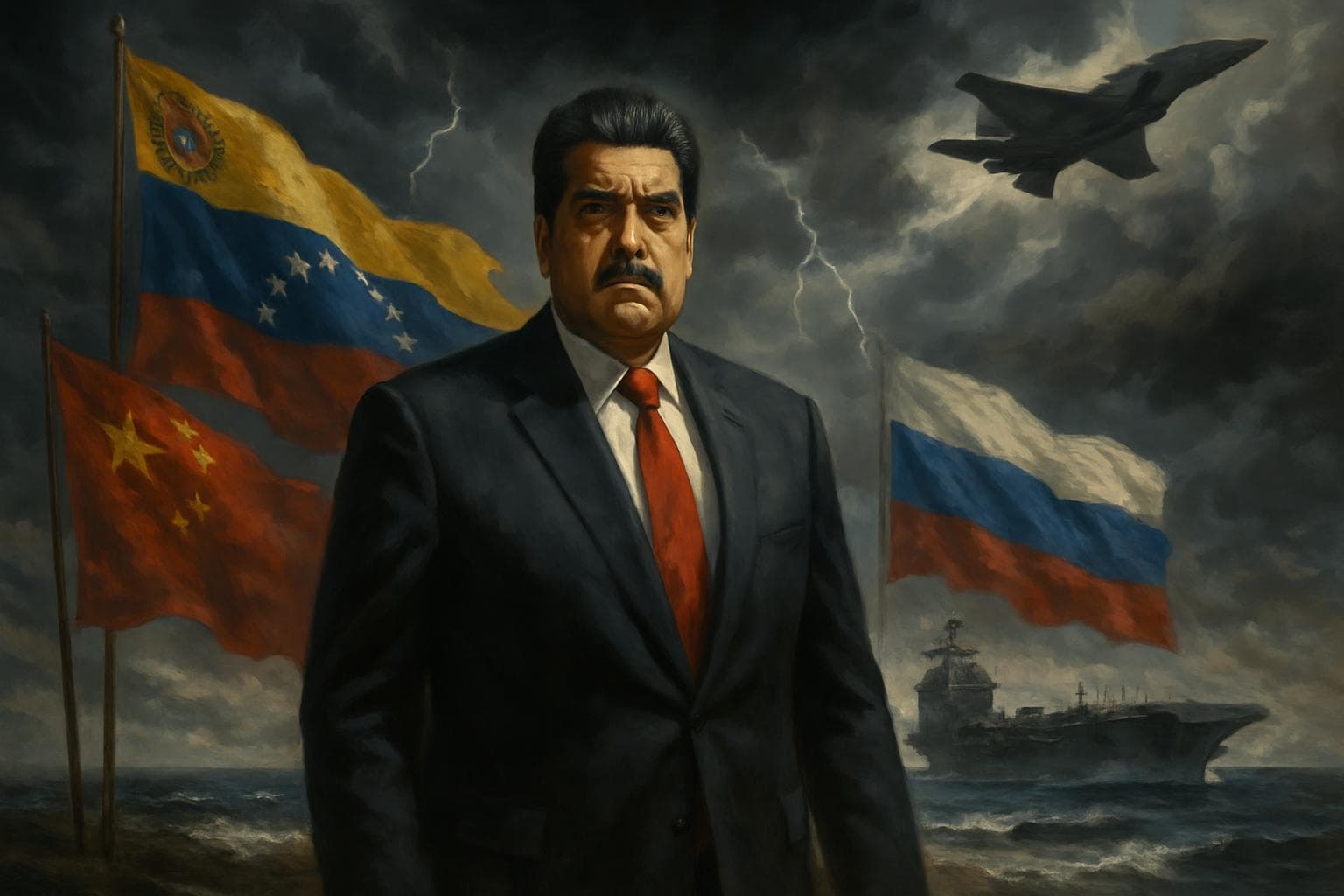
Venezuelan President Nicolás Maduro faces mounting challenges as his traditional allies, China and Russia, show limited support amid increasing US pressure. Historically, both nations have been steadfast supporters of Venezuela's socialist government, a relationship that began under former President Hugo Chávez. However, experts now suggest that this backing has become largely symbolic, with neither country providing substantial military or financial aid.
US Military Presence in the Caribbean
The United States has significantly increased its military presence in the Caribbean, deploying air and naval forces, including a nuclear-powered submarine and spy planes. This move, according to the Trump administration, aims to combat drug trafficking linked to Venezuela. However, many experts and Maduro himself believe the true objective is regime change. The US recently seized an oil tanker off the Venezuelan coast, further escalating tensions.
China's and Russia's Calculated Stance
China's and Russia's reluctance to offer more than verbal support stems from their own geopolitical challenges. Russia, embroiled in the Ukraine conflict, faces financial and military strains, while China seeks to maintain diplomatic gains with the US. "There is no reason today for either Russia or China to go all-in defending Venezuela," says Prof Fernando Reyes Matta of Andrés Bello University.
Calls for Peaceful Transition
Nobel laureate María Corina Machado, a prominent Venezuelan opposition figure, asserts that Maduro's political demise is inevitable. Speaking in Oslo, Machado emphasized the need for a peaceful transition, dismissing fears of a Syria-style civil war. Despite a reported landslide defeat in the 2024 election, Maduro remains in power, with allegations of electoral fraud and a crackdown on opposition figures.
Maduro's Defiant Stance
Despite international pressure, Maduro remains defiant, urging his supporters to resist US influence. The Venezuelan leader's grip on power persists, even as opposition figures like Machado advocate for change. "Maduro will leave power, whether there is a negotiation or not," Machado stated, underscoring the urgency of a peaceful resolution.
WHAT THIS MIGHT MEAN
The ongoing political crisis in Venezuela presents several potential outcomes. If Maduro continues to resist international pressure, the situation could escalate, leading to further economic and humanitarian challenges. Alternatively, a negotiated transition could pave the way for democratic reforms, though this would require significant concessions from both Maduro and the opposition.
The role of international actors, particularly the US, China, and Russia, remains crucial. Should China and Russia decide to increase their support for Maduro, it could alter the geopolitical dynamics. Conversely, sustained US pressure might eventually force a change in Venezuela's leadership, though the path to stability remains uncertain.
Related Articles
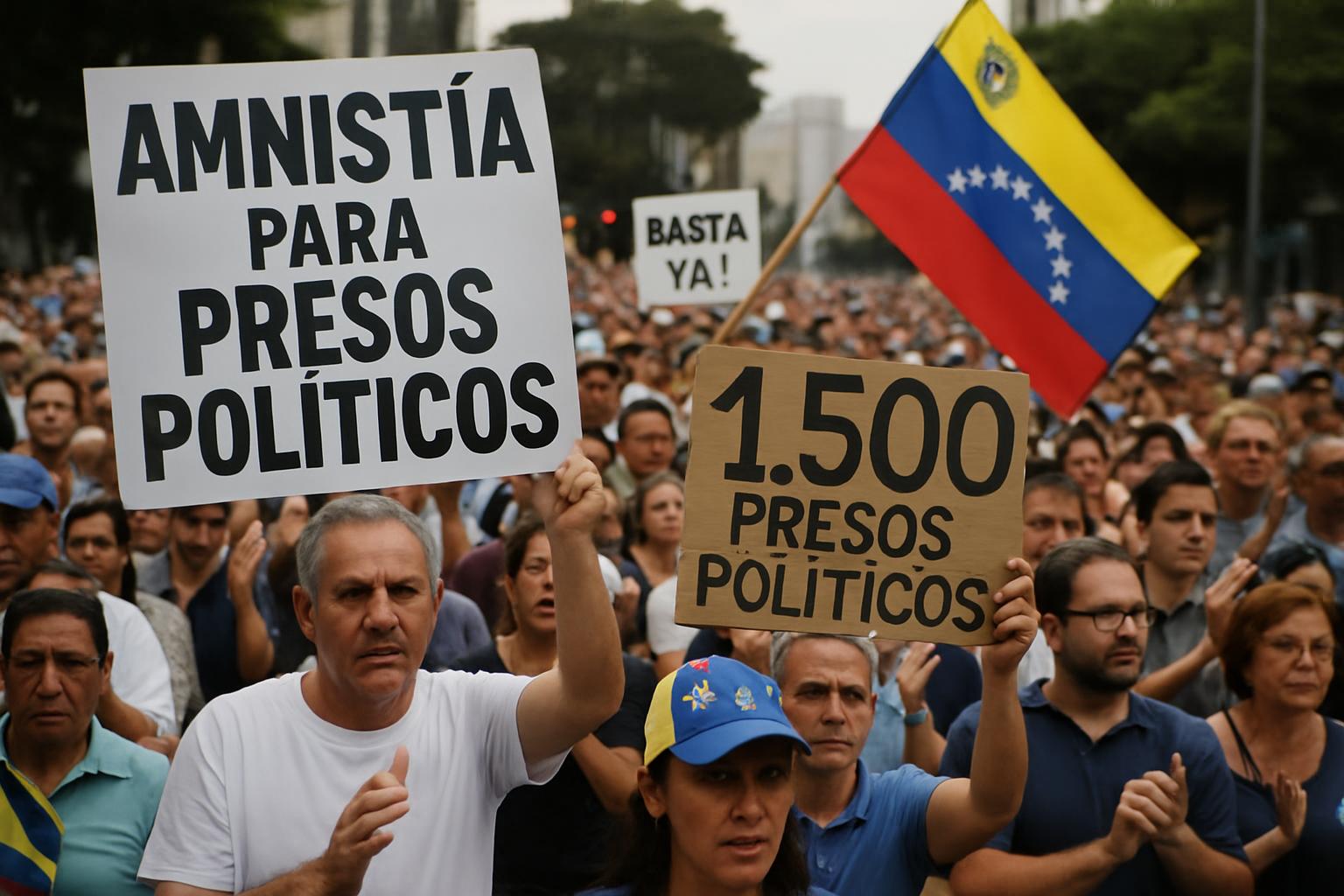
Venezuelan Political Prisoners Seek Amnesty Amidst Hopes for Democratic Transition
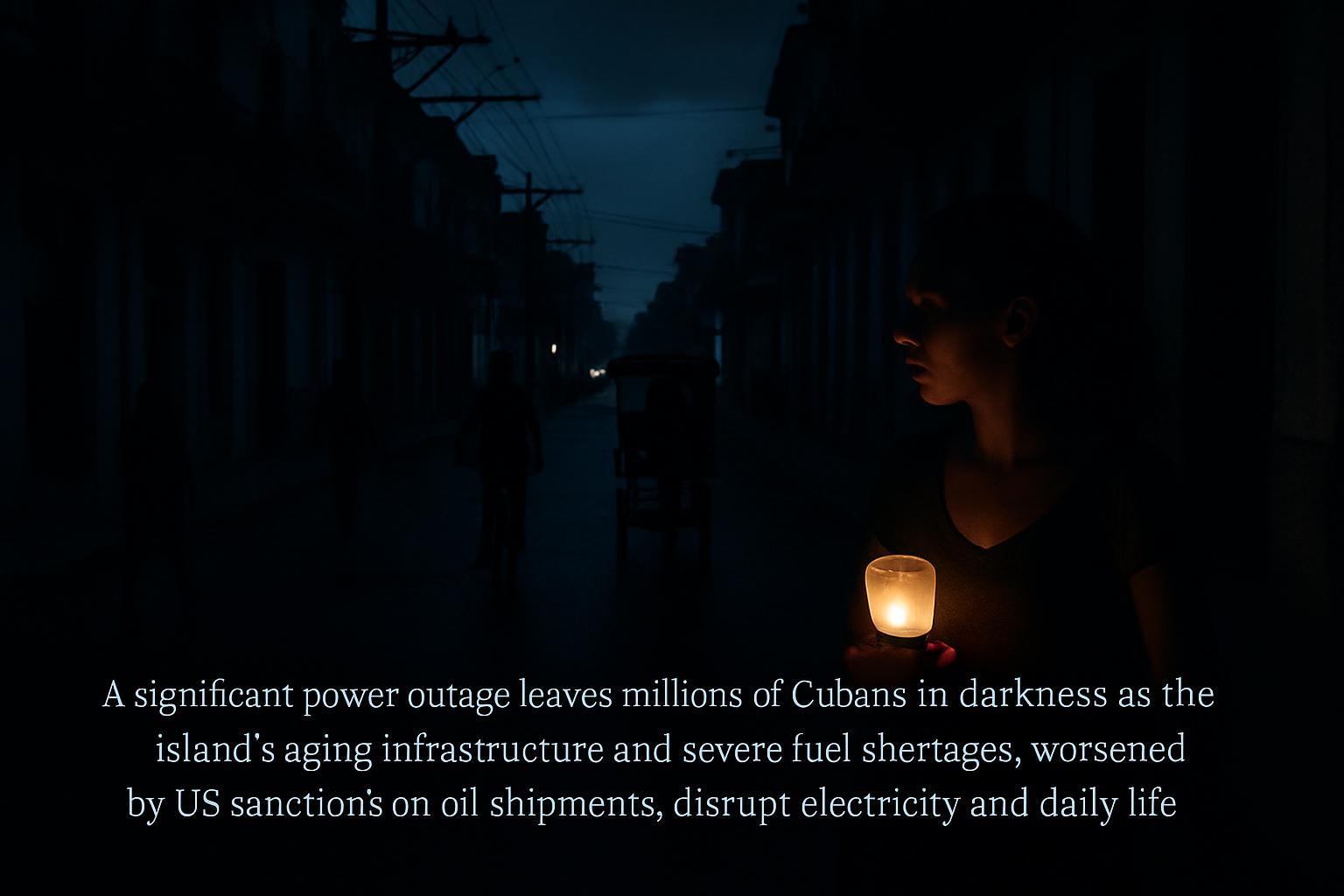
Cuba Faces Widespread Blackout Amid Deepening Fuel Crisis
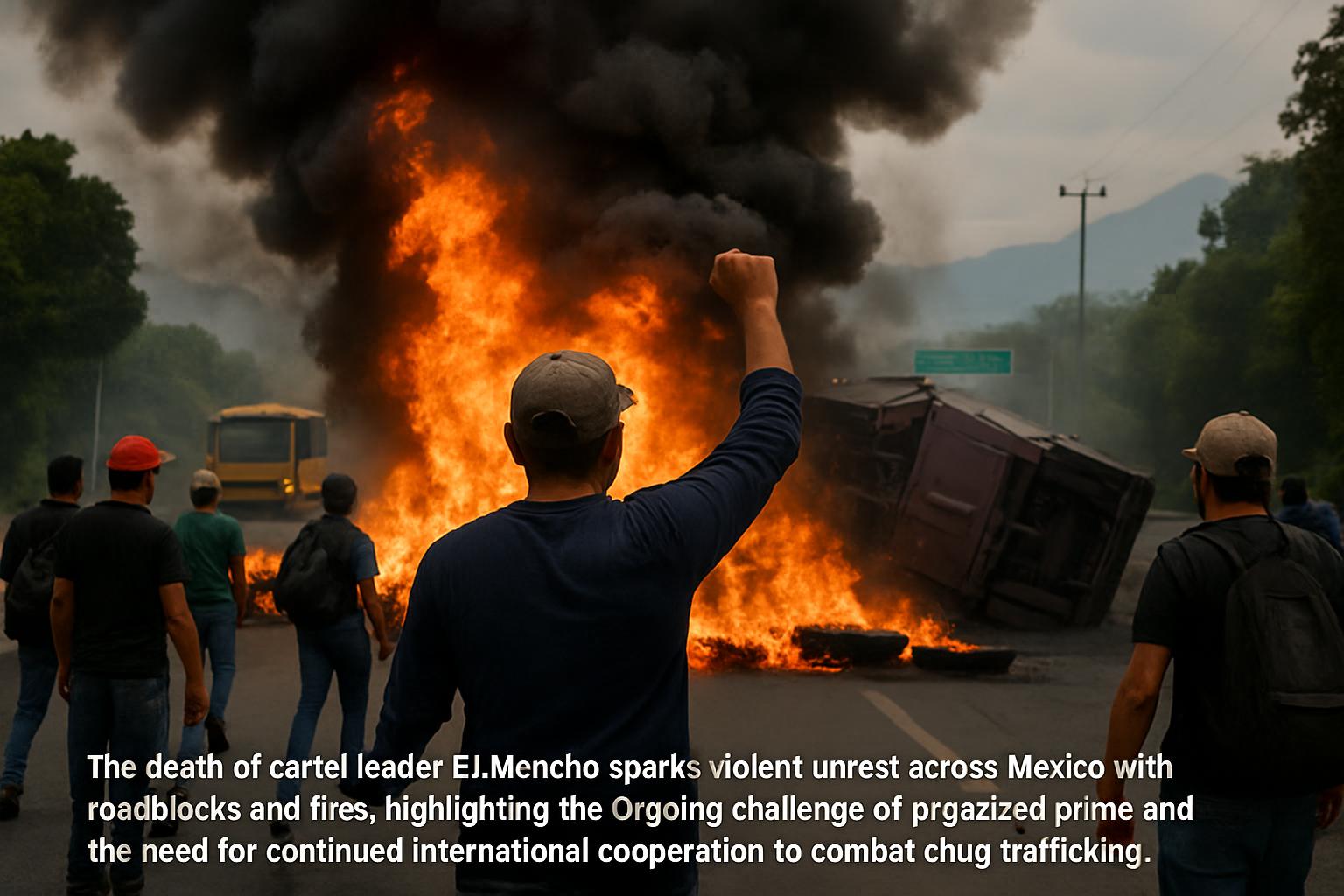
El Mencho's Death Sparks Violent Unrest Across Mexico
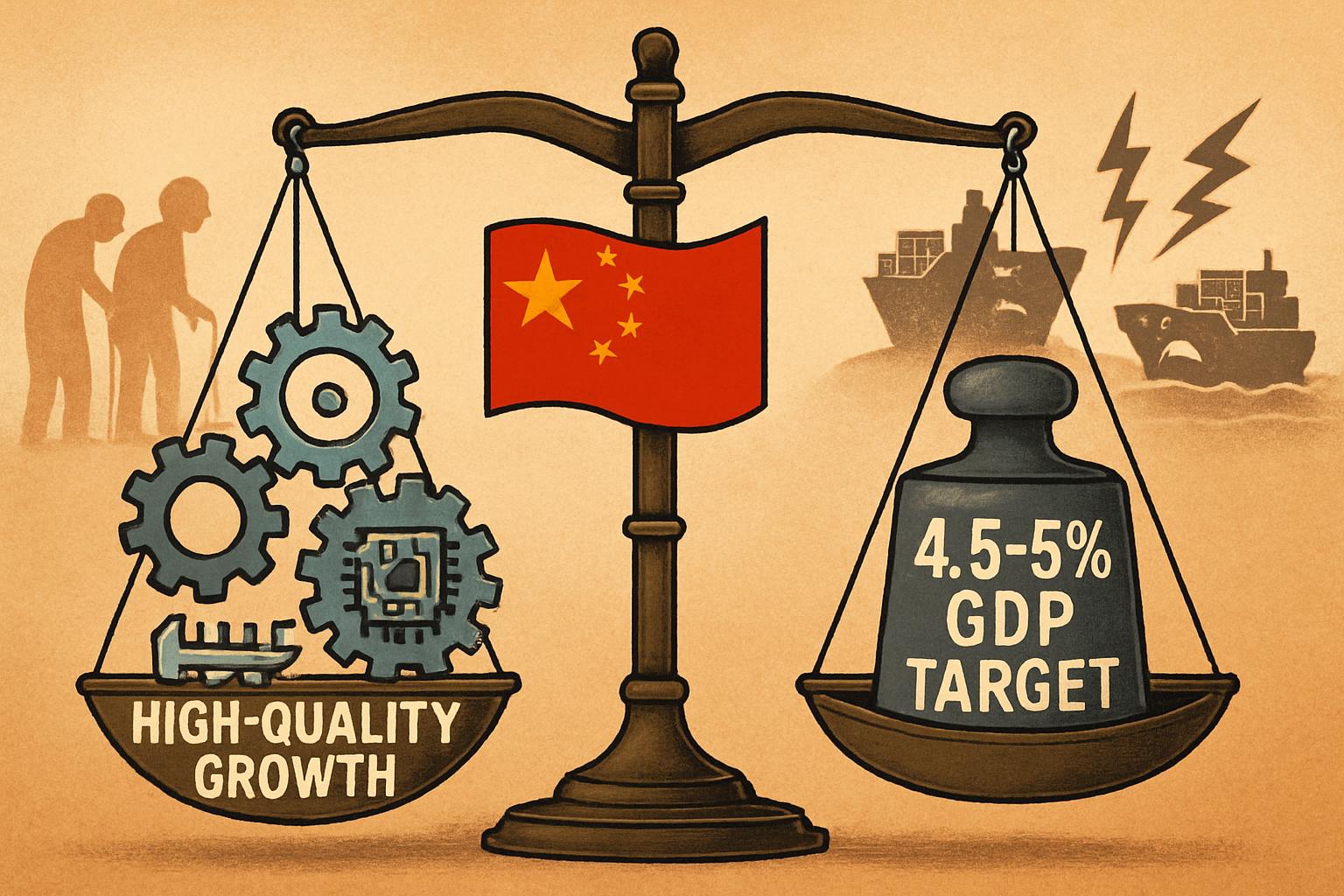
China Sets Lowest GDP Growth Target in Decades Amid Economic Challenges

UK Faces Dilemmas Amid Iran Conflict and China Spying Allegations

Tech Giants Pledge to Cover AI Data Center Energy Costs Amid Rising Electricity Concerns
Venezuela's Political Crisis Deepens Amid Waning Support from Allies and US Pressure
In This Article
HIGHLIGHTS
- Nicolás Maduro's reliance on China and Russia appears increasingly symbolic, with limited military or financial support.
- The US has intensified its military presence in the Caribbean, targeting alleged drug trafficking linked to Venezuela.
- María Corina Machado claims Maduro's political downfall is inevitable, advocating for a peaceful transition.
- Despite a reported landslide defeat in the 2024 election, Maduro remains in power amid claims of electoral fraud.
- Experts suggest China and Russia are unlikely to risk further sanctions or tariffs by defending Maduro militarily.
Venezuelan President Nicolás Maduro faces mounting challenges as his traditional allies, China and Russia, show limited support amid increasing US pressure. Historically, both nations have been steadfast supporters of Venezuela's socialist government, a relationship that began under former President Hugo Chávez. However, experts now suggest that this backing has become largely symbolic, with neither country providing substantial military or financial aid.
US Military Presence in the Caribbean
The United States has significantly increased its military presence in the Caribbean, deploying air and naval forces, including a nuclear-powered submarine and spy planes. This move, according to the Trump administration, aims to combat drug trafficking linked to Venezuela. However, many experts and Maduro himself believe the true objective is regime change. The US recently seized an oil tanker off the Venezuelan coast, further escalating tensions.
China's and Russia's Calculated Stance
China's and Russia's reluctance to offer more than verbal support stems from their own geopolitical challenges. Russia, embroiled in the Ukraine conflict, faces financial and military strains, while China seeks to maintain diplomatic gains with the US. "There is no reason today for either Russia or China to go all-in defending Venezuela," says Prof Fernando Reyes Matta of Andrés Bello University.
Calls for Peaceful Transition
Nobel laureate María Corina Machado, a prominent Venezuelan opposition figure, asserts that Maduro's political demise is inevitable. Speaking in Oslo, Machado emphasized the need for a peaceful transition, dismissing fears of a Syria-style civil war. Despite a reported landslide defeat in the 2024 election, Maduro remains in power, with allegations of electoral fraud and a crackdown on opposition figures.
Maduro's Defiant Stance
Despite international pressure, Maduro remains defiant, urging his supporters to resist US influence. The Venezuelan leader's grip on power persists, even as opposition figures like Machado advocate for change. "Maduro will leave power, whether there is a negotiation or not," Machado stated, underscoring the urgency of a peaceful resolution.
WHAT THIS MIGHT MEAN
The ongoing political crisis in Venezuela presents several potential outcomes. If Maduro continues to resist international pressure, the situation could escalate, leading to further economic and humanitarian challenges. Alternatively, a negotiated transition could pave the way for democratic reforms, though this would require significant concessions from both Maduro and the opposition.
The role of international actors, particularly the US, China, and Russia, remains crucial. Should China and Russia decide to increase their support for Maduro, it could alter the geopolitical dynamics. Conversely, sustained US pressure might eventually force a change in Venezuela's leadership, though the path to stability remains uncertain.
Related Articles
Venezuelan Political Prisoners Seek Amnesty Amidst Hopes for Democratic Transition
Cuba Faces Widespread Blackout Amid Deepening Fuel Crisis
El Mencho's Death Sparks Violent Unrest Across Mexico
China Sets Lowest GDP Growth Target in Decades Amid Economic Challenges
UK Faces Dilemmas Amid Iran Conflict and China Spying Allegations
Tech Giants Pledge to Cover AI Data Center Energy Costs Amid Rising Electricity Concerns