
Venezuela Releases Political Prisoners Amidst US Pressure
In This Article
HIGHLIGHTS
- Venezuela has begun releasing political prisoners, including prominent activist Rocío San Miguel, as a gesture to consolidate peace.
- The release follows the US's capture of President Nicolás Maduro, who faces drug trafficking charges in New York.
- Human rights groups estimate between 800 and 1,000 political prisoners remain detained in Venezuela.
- Spain confirmed the release of five of its nationals, including dual-national Rocío San Miguel, who was accused of treason and conspiracy.
- The notorious El Helicoide prison, known for human rights abuses, is set to close following orders from US President Donald Trump.
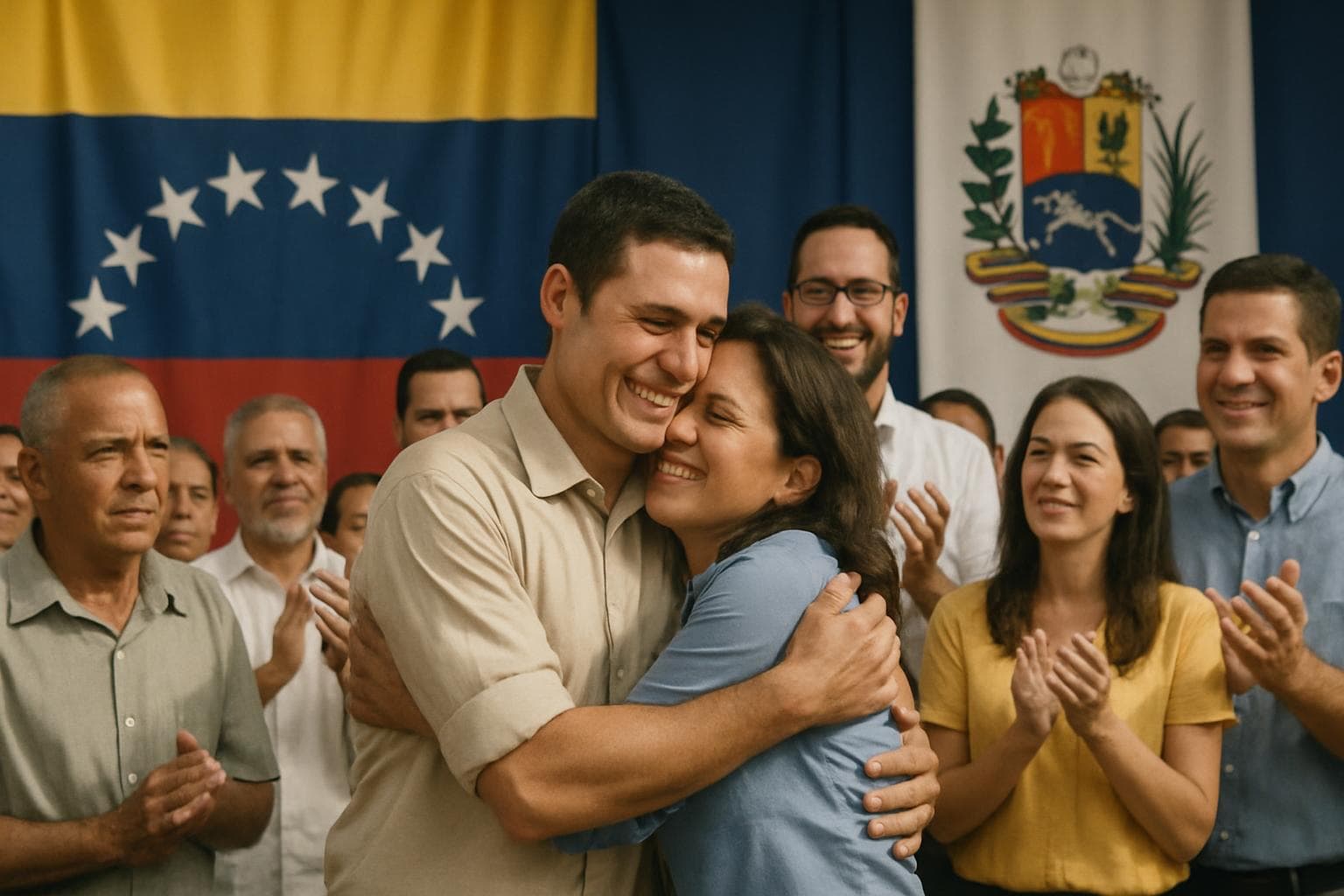
In a significant political development, the Venezuelan government has initiated the release of several political prisoners, a move seen as an effort to foster national unity and peace. This action comes in the wake of the United States' dramatic capture of Venezuelan President Nicolás Maduro, who is now facing drug trafficking charges in New York.
A Gesture of Peace
Jorge Rodríguez, head of Venezuela's National Assembly, announced the release on state television, describing it as a "unilateral gesture" to promote peace and coexistence. While the exact number of released detainees remains unspecified, human rights groups estimate that Venezuela holds between 800 and 1,000 political prisoners. Among those freed is Rocío San Miguel, a dual-national Spanish-Venezuelan activist and lawyer, who was detained in 2024 on charges of treason and conspiracy.
International Reactions and Human Rights Concerns
Spain's foreign ministry confirmed the release of five Spanish nationals, including San Miguel, who are now preparing to return to Spain. The ministry hailed the development as a positive step for Venezuela. Meanwhile, human rights organizations have cautiously welcomed the news, emphasizing the need to address ongoing detentions across the country. The notorious El Helicoide prison, infamous for reports of torture, is slated for closure following orders from US President Donald Trump.
Personal Stories and Political Implications
Families of detainees have been anxiously gathering outside prisons, hoping for the release of their loved ones. Pedro Durán, who traveled from Spain to Venezuela, expressed hope for his brother's release, who was detained in 2021 on charges of attempting to overthrow Maduro's government. Opposition leader María Corina Machado, a vocal critic of the regime, celebrated the releases as a triumph of justice over injustice.
WHAT THIS MIGHT MEAN
The release of political prisoners in Venezuela marks a pivotal moment in the country's political landscape, potentially easing tensions between the Venezuelan government and international actors, particularly the United States. However, the long-term implications remain uncertain, as human rights groups continue to push for the release of all political detainees and the closure of other detention sites. The closure of El Helicoide prison could signal a shift in Venezuela's approach to political dissent, but sustained international pressure and internal advocacy will be crucial in ensuring meaningful reform. As the situation unfolds, the international community will be closely monitoring Venezuela's commitment to human rights and democratic principles.
Related Articles

Cuba Faces Widespread Blackout Amid Deepening Fuel Crisis
Spain's Sánchez Stands Firm Against Trump's Trade Threat Over Iran Stance
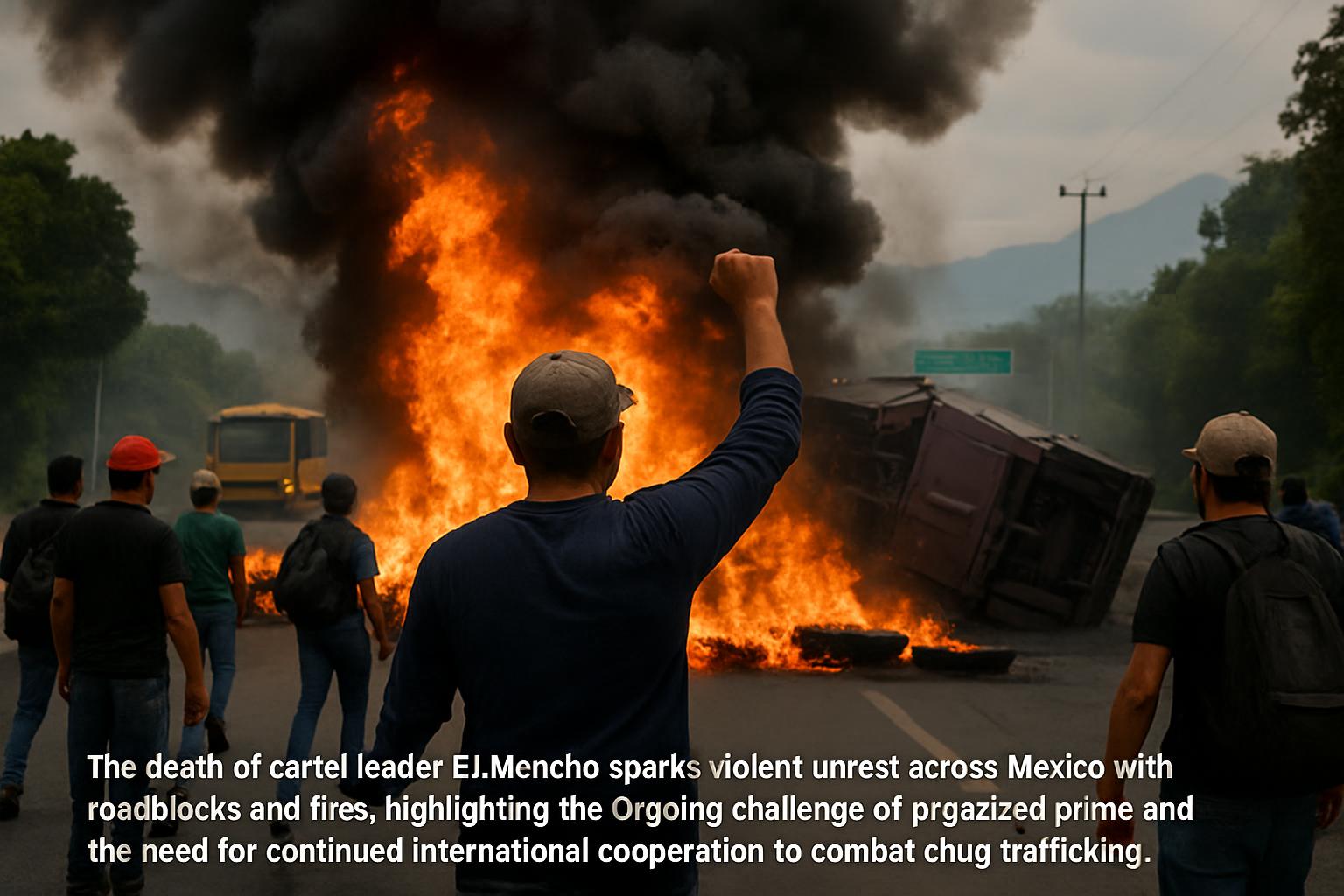
El Mencho's Death Sparks Violent Unrest Across Mexico

UK Faces Dilemmas Amid Iran Conflict and China Spying Allegations
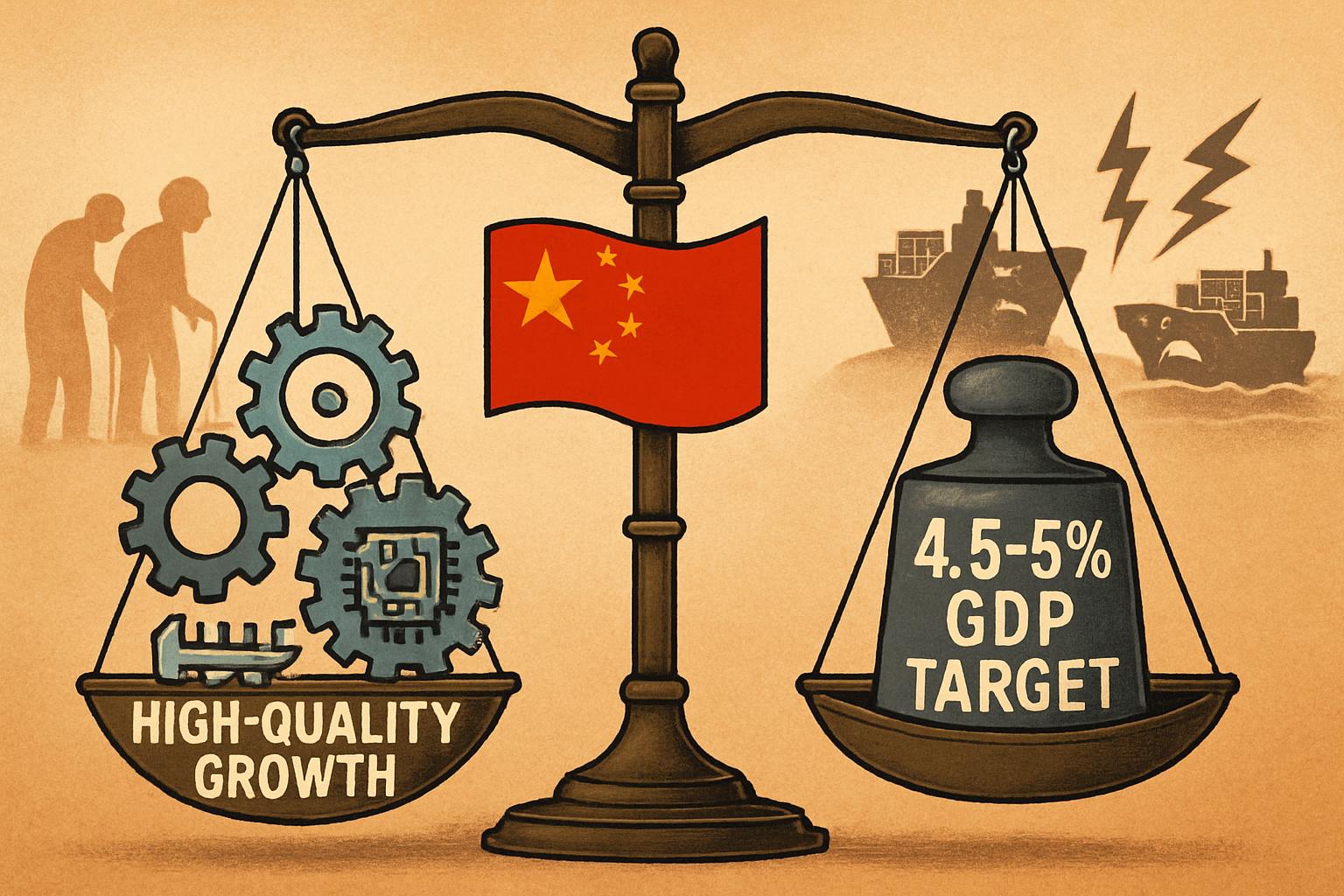
China Sets Lowest GDP Growth Target in Decades Amid Economic Challenges

Tech Giants Pledge to Cover AI Data Center Energy Costs Amid Rising Electricity Concerns
Venezuela Releases Political Prisoners Amidst US Pressure
In This Article
HIGHLIGHTS
- Venezuela has begun releasing political prisoners, including prominent activist Rocío San Miguel, as a gesture to consolidate peace.
- The release follows the US's capture of President Nicolás Maduro, who faces drug trafficking charges in New York.
- Human rights groups estimate between 800 and 1,000 political prisoners remain detained in Venezuela.
- Spain confirmed the release of five of its nationals, including dual-national Rocío San Miguel, who was accused of treason and conspiracy.
- The notorious El Helicoide prison, known for human rights abuses, is set to close following orders from US President Donald Trump.
In a significant political development, the Venezuelan government has initiated the release of several political prisoners, a move seen as an effort to foster national unity and peace. This action comes in the wake of the United States' dramatic capture of Venezuelan President Nicolás Maduro, who is now facing drug trafficking charges in New York.
A Gesture of Peace
Jorge Rodríguez, head of Venezuela's National Assembly, announced the release on state television, describing it as a "unilateral gesture" to promote peace and coexistence. While the exact number of released detainees remains unspecified, human rights groups estimate that Venezuela holds between 800 and 1,000 political prisoners. Among those freed is Rocío San Miguel, a dual-national Spanish-Venezuelan activist and lawyer, who was detained in 2024 on charges of treason and conspiracy.
International Reactions and Human Rights Concerns
Spain's foreign ministry confirmed the release of five Spanish nationals, including San Miguel, who are now preparing to return to Spain. The ministry hailed the development as a positive step for Venezuela. Meanwhile, human rights organizations have cautiously welcomed the news, emphasizing the need to address ongoing detentions across the country. The notorious El Helicoide prison, infamous for reports of torture, is slated for closure following orders from US President Donald Trump.
Personal Stories and Political Implications
Families of detainees have been anxiously gathering outside prisons, hoping for the release of their loved ones. Pedro Durán, who traveled from Spain to Venezuela, expressed hope for his brother's release, who was detained in 2021 on charges of attempting to overthrow Maduro's government. Opposition leader María Corina Machado, a vocal critic of the regime, celebrated the releases as a triumph of justice over injustice.
WHAT THIS MIGHT MEAN
The release of political prisoners in Venezuela marks a pivotal moment in the country's political landscape, potentially easing tensions between the Venezuelan government and international actors, particularly the United States. However, the long-term implications remain uncertain, as human rights groups continue to push for the release of all political detainees and the closure of other detention sites. The closure of El Helicoide prison could signal a shift in Venezuela's approach to political dissent, but sustained international pressure and internal advocacy will be crucial in ensuring meaningful reform. As the situation unfolds, the international community will be closely monitoring Venezuela's commitment to human rights and democratic principles.
Related Articles
Cuba Faces Widespread Blackout Amid Deepening Fuel Crisis
Spain's Sánchez Stands Firm Against Trump's Trade Threat Over Iran Stance
El Mencho's Death Sparks Violent Unrest Across Mexico
UK Faces Dilemmas Amid Iran Conflict and China Spying Allegations
China Sets Lowest GDP Growth Target in Decades Amid Economic Challenges
Tech Giants Pledge to Cover AI Data Center Energy Costs Amid Rising Electricity Concerns